
Cheetos, the bright orange, cheese-flavored snack loved worldwide, is a marvel of food engineering. First introduced in 1948 by Frito-Lay founder Charles Elmer Doolin, this popular snack transforms simple cornmeal into a light, crispy, irresistibly cheesy treat in just minutes. The process combines extrusion technology, precise cooking methods, and meticulous quality control to create that signature crunch.
This article provides a detailed look at how Cheetos are manufactured, from raw ingredients to the finished bag.
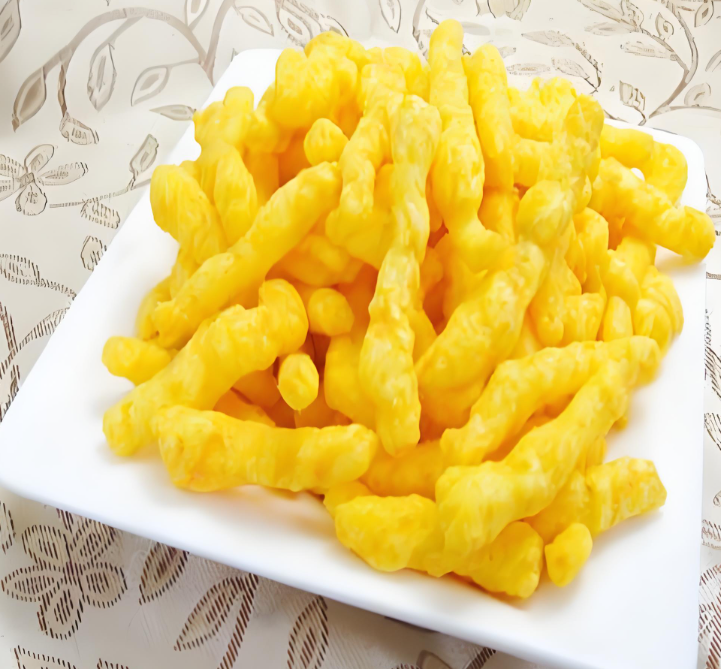
1. Raw Materials: The Foundation
The journey begins with the right ingredients. The primary raw material for Cheetos is corn grits or cornmeal, typically screened to 20-mesh size for optimal processing. To prevent spoilage and extend shelf life, the corn germ is removed during milling. Since this removal also eliminates naturally occurring nutrients, manufacturers use enriched cornmeal to add back essential vitamins and minerals.
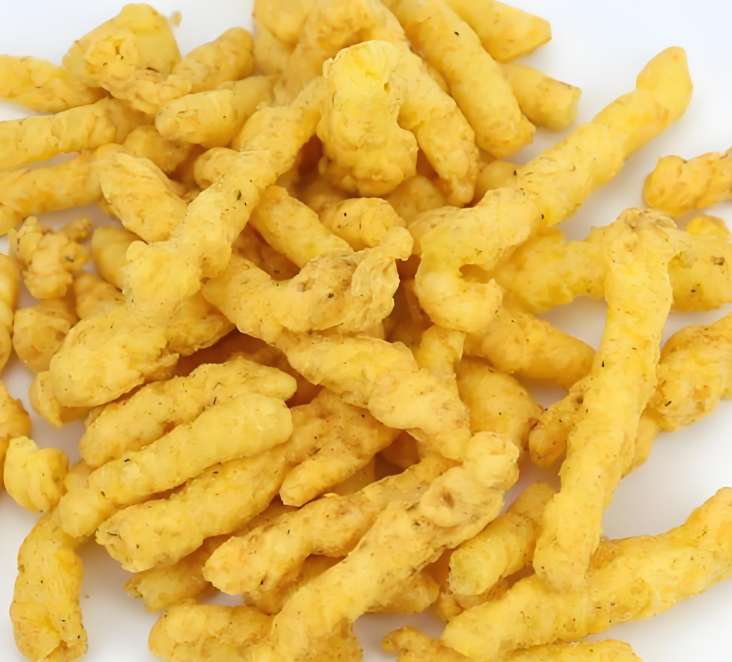
The basic ingredient list includes:
- Corn grits/cornmeal: The structural base
- Water: Activates starch and creates steam for expansion
- Vegetable oil: Used for frying or as a coating base
- Cheese seasoning: A proprietary blend of cheese powder, salt, and spices
For the seasoning, Frito-Lay purchases pre-spiced cheese powder in bulk—typically in 50-pound sacks—which resembles the powdered cheese found in boxed macaroni and cheese products.
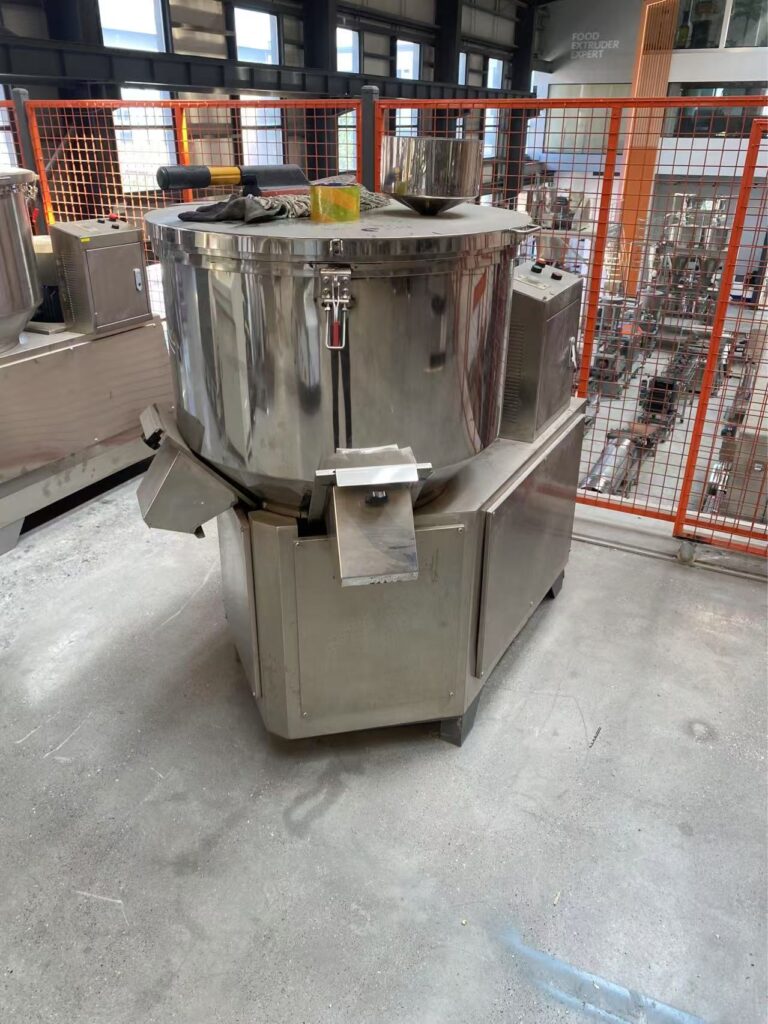
2. Mixing and Conditioning
The production process begins with mixing. Corn grits are fed into a large mixer where they are blended with water and sometimes oil to achieve a uniform moisture content. This conditioning step is critical because proper hydration ensures that the starch will gelatinize correctly during extrusion.
The mixture is then conveyed via screw elevator or pneumatic tube to the extruder, ready for its rapid transformation.
3. Extrusion: The Heart of the Process
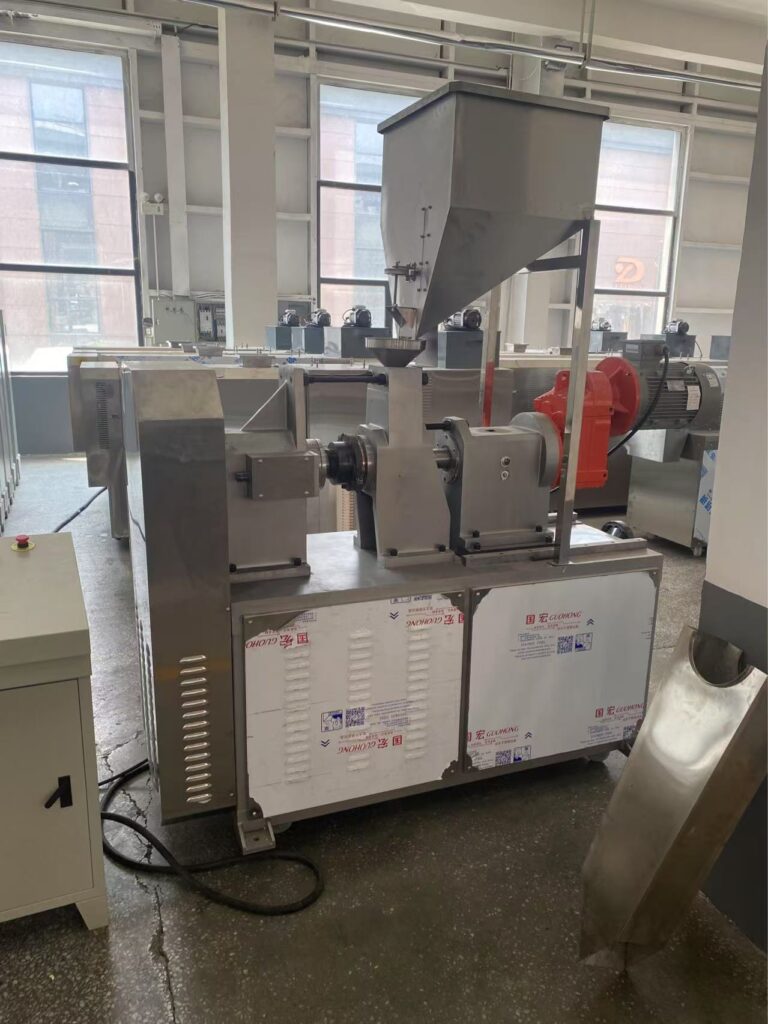
Extrusion is the defining step in Cheetos manufacturing. The conditioned corn mixture enters an extruder, which consists of one or two rotating screws inside a heated barrel.
The Science of Expansion
Within the extruder, several processes occur simultaneously:
- Pressure and heat: The rotating screws create intense friction and pressure (up to 3-5 MPa), heating the mixture to approximately 120-180°C
- Starch gelatinization: The heat and moisture cause the corn starch to cook and melt into a plastic-like dough
- Steam generation: As the mixture heats past the boiling point, the water content turns to superheated steam
When the pressurized dough is forced through a die plate at the end of the extruder, it suddenly enters the atmosphere. The superheated water instantly flashes to steam, causing the product to expand dramatically—often to 2-3 times its original size. This creates the light, airy structure characteristic of Cheetos.
Shaping
For classic Crunchy Cheetos, the extruder uses a rotary head with two rotating plates that squeeze and knead the corn mixture into irregular, twisted shapes. As the product exits, rotating knives cut it to the desired length, and the individual pieces are propelled forward—flying up to 3 feet at high velocity before hitting a safety cage and dropping onto a conveyor belt.
4. Frying vs. Baking: Two Processing Paths
Cheetos come in two main varieties: Crunchy (fried) and Puffs (baked). Each follows a different path after extrusion.
Fried Cheetos (Crunchy)
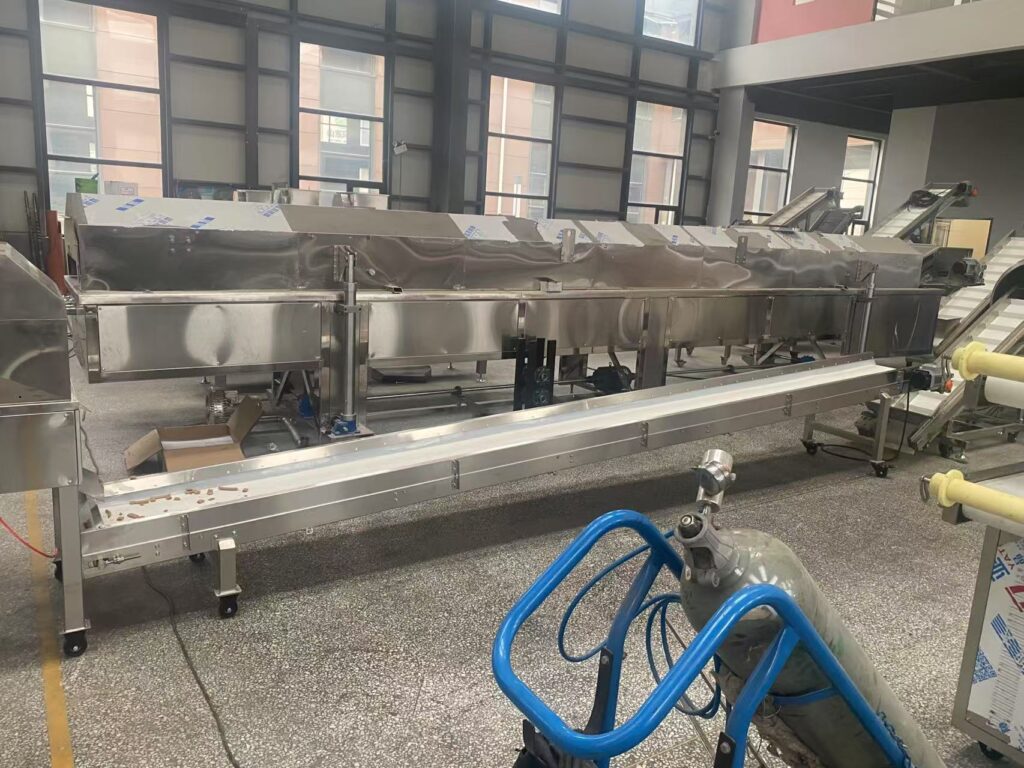
The classic Crunchy Cheetos undergo deep frying:
- The extruded pieces move through a continuous fryer filled with hot vegetable oil
- Frying temperatures typically reach 170-190°C
- This process reduces moisture content to below 2%, creating the signature crunch
- After frying, the product passes through a de-oiling system to remove excess oil
Baked Cheetos (Puffs)
For the baked variety (introduced in 2004), the process differs:
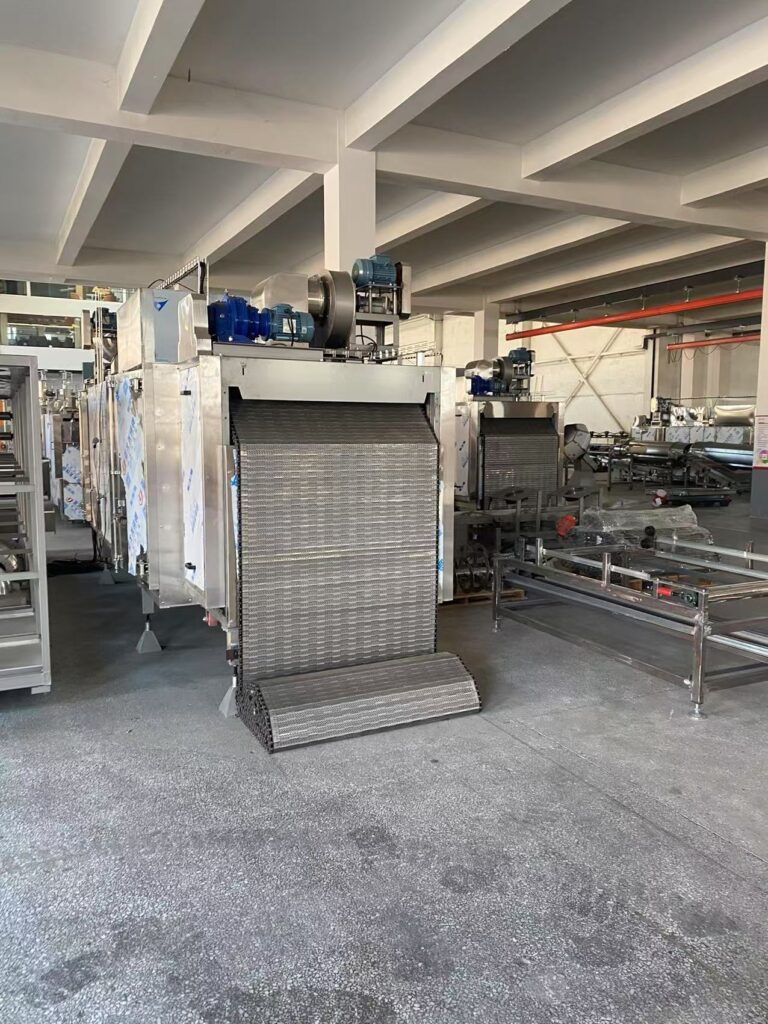
- Instead of frying, the extruded pieces pass through a multi-zone belt oven
- Baking temperatures range from 120-160°C
- The gentler cooking process reduces fat content while maintaining a light, airy texture
- Final moisture is reduced to 3-5% for crispiness
5. Seasoning: Applying the Signature Flavor
Once cooked, the plain Cheetos move to the seasoning drum or tumble drum. This rotating drum features strategically located nozzles that spray a mixture of oil and powdered cheese onto the snacks from all sides.
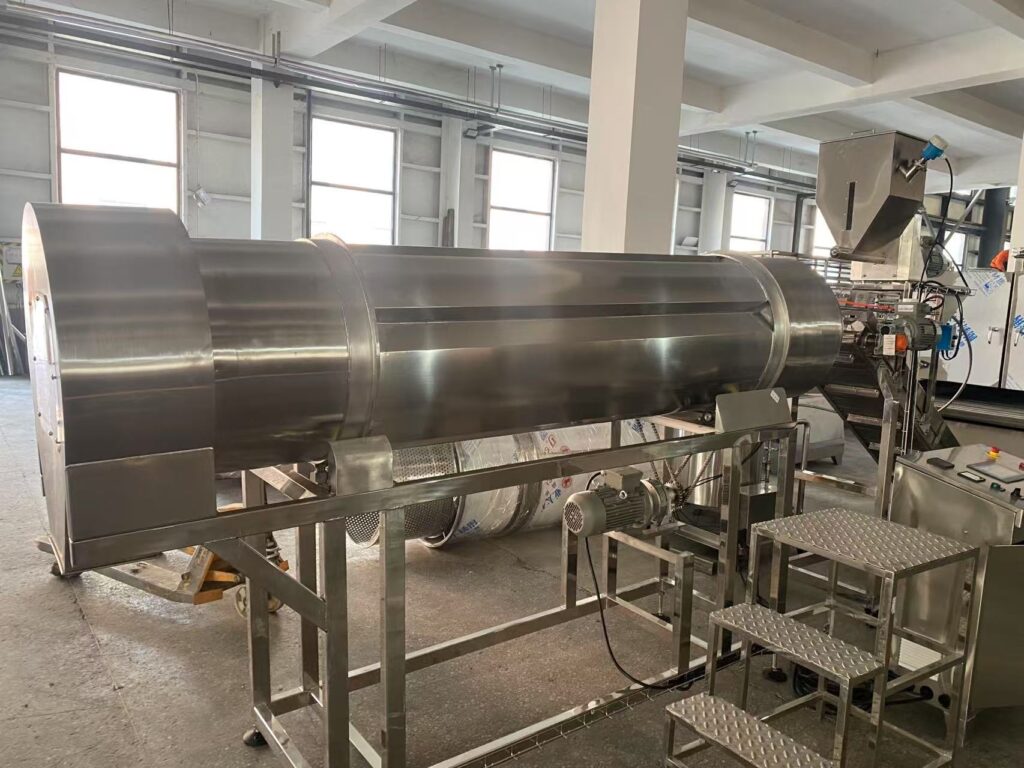
The seasoning process involves:
- Oil application: A light mist of oil helps the cheese powder adhere
- Powder coating: The cheese seasoning is evenly distributed as the drum rotates
- Uniform coverage: The tumbling action ensures every piece receives an equal coating
For optimal flavor adhesion, manufacturers use vacuum-assisted coating systems that enhance powder stickiness and reduce dust-off during packaging and transport. The seasoning application is highly precise, with modern systems achieving ±2% accuracy across batches.
6. Cooling and Final Processing
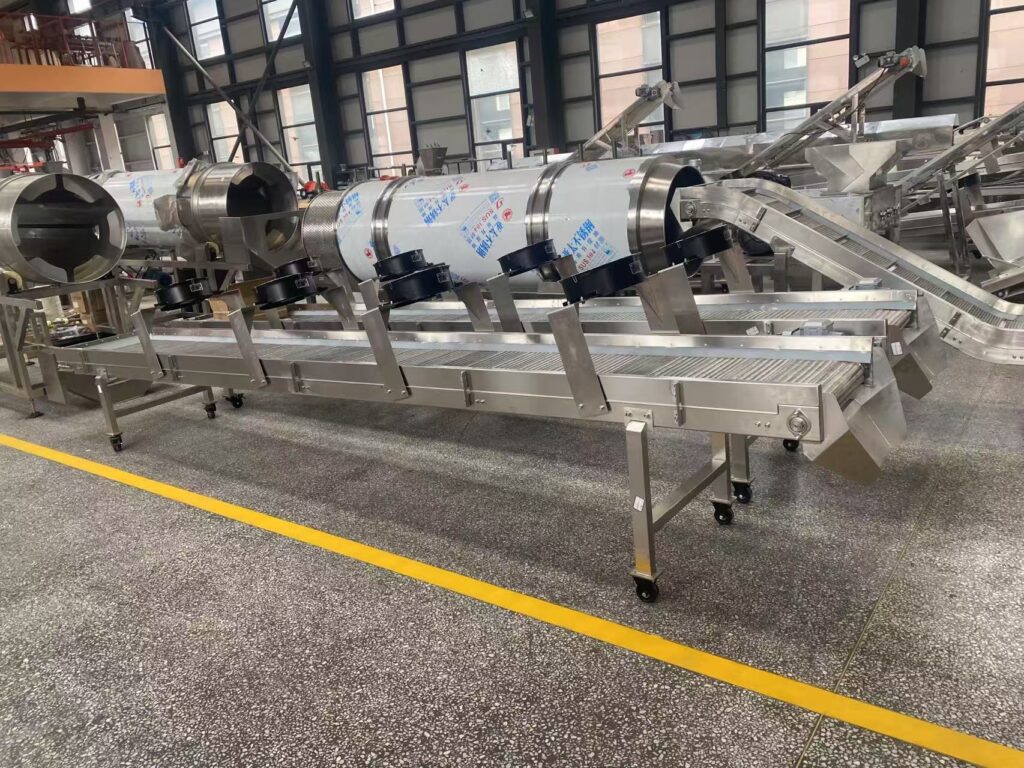
After seasoning, the finished Cheetos are transported on a final conveyor belt where they cool to room temperature. During this cooling phase, any remaining residual moisture steams off, ensuring the final product achieves the desired crispiness.
7. Quality Control: The Taste of Consistency
Quality assurance is rigorous in Cheetos manufacturing. Frito-Lay operates 14 fried Cheetos plants across 11 states, each maintaining strict quality standards.
Testing occurs at multiple intervals:
| Test Frequency | Procedure | Purpose |
|---|---|---|
| Every 30 minutes | In-house lab analysis | Verify chemical composition, density, and nutritional content |
| Every 4 hours | Four-person taste panel | Compare against “perfect” reference Cheetos from headquarters; inspect texture, flavor, and appearance |
Each batch undergoes:
- Microbiological testing: Ensuring no pathogens like Salmonella are present
- Texture analysis: Measuring crispiness using specialized equipment
- Moisture content verification: Confirming levels below 2% for fried products
- Seasoning uniformity checks: Ensuring consistent flavor distribution
For the Natural Cheetos line, additional testing includes chemical composition analysis and nutrient density evaluation in an in-house lab.
8. Packaging: Sealing in Freshness
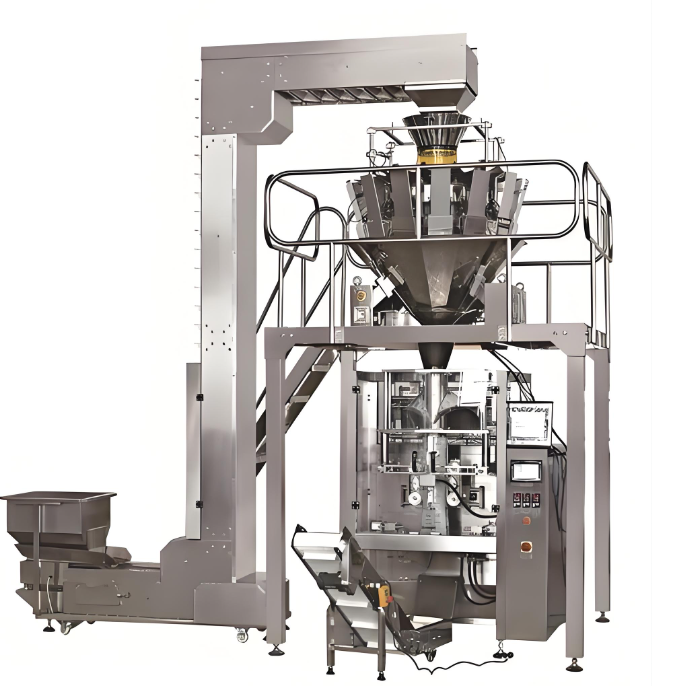
The final stage is packaging. Finished Cheetos move toward the packaging area where they are:
- Weighed automatically into precise portions
- Sealed in moisture-resistant bags (often using nitrogen flushing to extend shelf life)
- Boxed for shipment to retailers
Proper packaging preserves the crisp texture and prevents oxidation, giving Cheetos a typical shelf life of 6-12 months when stored in dry conditions.
Production Process Summary
| Stage | Duration | Key Activity |
|---|---|---|
| Mixing | 0:00-1:00 | Cornmeal blended with water; pumped to extruder |
| Extrusion | 1:00-1:10 | High-pressure cooking, shaping, and expansion |
| Frying | 1:40-2:40 | Deep frying in vegetable oil (Crunchy variety) |
| Seasoning | 8:00-9:00 | Oil and cheese powder coating in tumble drum |
| Cooling | 9:00-19:00 | Moisture removal and cooling to room temperature |
| Packaging | 19:00+ | Bagging and boxing for shipment |
Conclusion
The production of Cheetos is a sophisticated industrial process that combines food science, mechanical engineering, and rigorous quality control. From the initial mixing of corn grits to the final packaging, every step is carefully controlled to ensure the iconic texture, flavor, and crunch that consumers expect.
Whether fried to crispy perfection or baked for a lighter puff, the Cheetos manufacturing process transforms humble cornmeal into one of America’s most beloved snacks—proving that, indeed, it ain’t easy being cheesy. If you are interested in the kurkure making machine , you can contact me , i will give you good advice and solutions .
1.Will you help us with the installation ?
Yes , We will send engineers to install and debug the equipment, and assist in training your staff.
2.Are you a factory or trading company?
We are a factory.
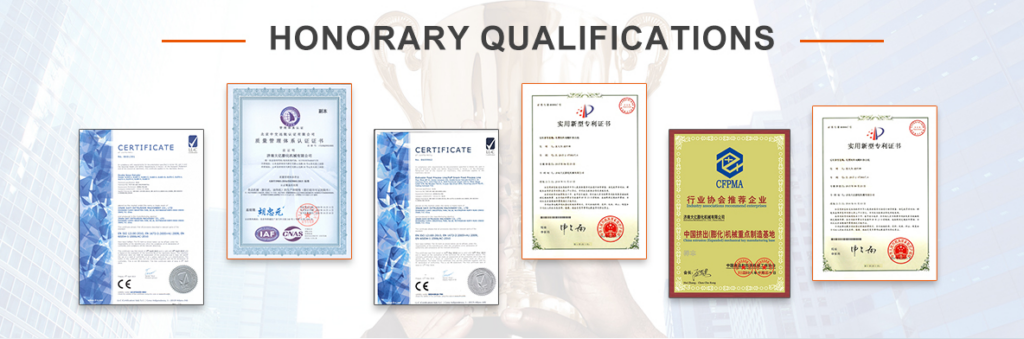
3.What certificate do you have?
We have ISO and CE certificate.
4.How long is the warranty period?
All of our machines have one year warranty.
5.What’s the main market of your company?
Our customers all over the world.
6.How much production capacity of your company one year?
This depends on your needs.
 English
  Russian
  Spanish
  Italian
  Arabic
  Portuguese
  German
  French
  Japanese
  Moroccan Arabic
  Persian
  Belarusian