
Drying is a critical step in corn flake production. After cooking and rolling, “green flakes” still contain too much moisture to be crisp or shelf-stable. cereal extrusion Drying (often followed by toasting) removes water in a controlled way so the flakes develop the right crunch, color, and bowl life without cracking or burning.
Below are several common drying methods used in industry, along with when each method works best.
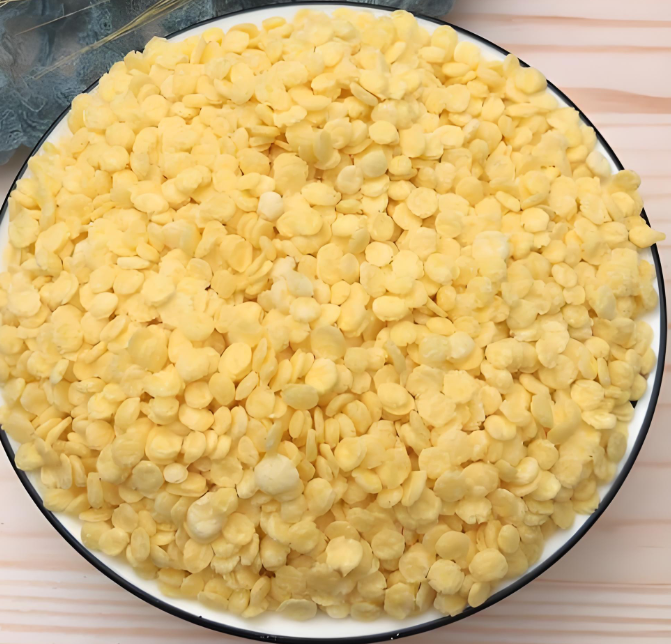
1) Hot-Air Belt (Conveyor) Dryer
How it works: Flakes travel on a moving perforated belt while heated air passes through or across the product bed.
Advantages
- Gentle, uniform drying with good control
- Works well for fragile flakes (lower breakage)
- Easy to integrate into continuous lines
Limitations
- Requires larger floor space
- Drying can be slower than more intense systems
Best for: medium-to-high capacity plants that prioritize consistent quality.
2) Multi-Zone Toasting Oven (Dry + Toast in Stages)
How it works: A conveyor oven uses multiple temperature zones. Early zones remove moisture; later zones toast to develop flavor and color.
Advantages
- Combines drying and toasting in one continuous machine
- Produces characteristic corn flake flavor and golden color
- Strong control over final crispness and “bowl life”
Limitations
- More sensitive to process settings (risk of uneven color if airflow/temperature is not balanced)
- Higher energy demand due to toasting temperatures
Best for: classic breakfast-style corn flakes where flavor/color are key.
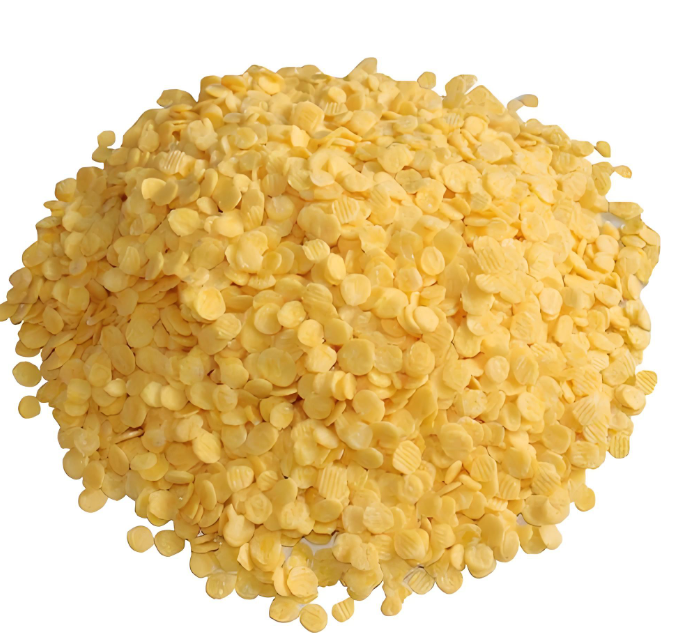
3) Fluidized-Bed Dryer (or Vibrating Fluid Bed)
How it works: High-velocity hot air suspends and moves flakes, creating excellent heat and mass transfer.
Advantages
- Very efficient drying (fast moisture removal)
- Good uniformity if parameters are tuned correctly
- Compact footprint compared with belt systems
Limitations
- Flakes can break if air velocity/mechanical agitation is too strong
- Requires careful dust/fines handling
Best for: operations aiming for high efficiency, or for smaller pieces and robust flake styles.
4) Batch Tray Dryer (Small-Scale / Pilot Production)
How it works: Flakes are spread on trays and dried in a hot-air cabinet or batch oven.
Advantages
- Low investment cost for small production
- Flexible for R&D, frequent recipe changes
Limitations
- Lower throughput; more labor
- Less uniform than continuous systems unless carefully managed
Best for: startups, test kitchens, and pilot plants.
5) Two-Stage Drying: Pre-Dry + Final Dry/Toast
How it works: Flakes first go through a gentler pre-dryer (lower temperature) to reduce surface moisture, then a second unit finishes drying and/or toasting.
Advantages
- Reduces cracking, blistering, and scorching
- Better control of texture and final moisture
- Helps achieve consistent color
Limitations
- More equipment and control complexity
- Higher capital cost than single-stage drying
Best for: premium products and high-throughput plants where defects are costly.
Key Process Considerations (Regardless of Method)
- Air temperature and airflow: too high can cause scorching; too low leads to poor crispness and short shelf life.
- Residence time: must match flake thickness and loading depth.
- Bed depth/product loading: uneven loading causes uneven moisture and color.
- Fines and dust control: drying and conveying generate fines; collection and screening improve quality and safety.
- Target final moisture: set to meet texture goals and microbial stability (exact targets depend on product specs and packaging).
Corn flakes can be dried using belt dryers, multi-zone toasting ovens, fluidized-bed systems, batch tray dryers, or two-stage combinations. The best choice depends on your desired product style (crispness and color), plant capacity, energy strategy, and how fragile the flakes are.
If you tell me your capacity (kg/h), whether you need drying only or drying + toasting, and your preferred fuel (gas/steam/electric), I can recommend a practical equipment configuration.
 English
  Russian
  Spanish
  Italian
  Arabic
  Portuguese
  German
  French
  Japanese
  Moroccan Arabic
  Persian
  Belarusian