
The global pet food market has surpassed $110 billion, and cat food represents one of the fastest-growing segments within this thriving industry . With pet humanization trends driving demand for premium, nutritious options, small-scale cat food manufacturing presents a compelling opportunity for entrepreneurs. However, success requires careful planning across regulatory compliance, equipment selection, financial planning, and quality control.
This comprehensive guide walks you through every aspect of establishing a small-scale cat food factory, from initial market research to full-scale operations.
1. Market Analysis and Niche Selection
Understanding the Market Landscape
The cat food market is driven by several key trends :
- Premiumization: Pet owners increasingly seek high-quality, natural, and organic options for their cats
- Functional Nutrition: Products targeting specific health concerns (urinary health, hairball control, weight management) are growing rapidly
- Humanization: Cats are viewed as family members, driving demand for human-grade ingredients and transparent sourcing
- Niche Specialization: Grain-free, limited ingredient, novel protein (insect, venison), and breed-specific formulas command premium prices
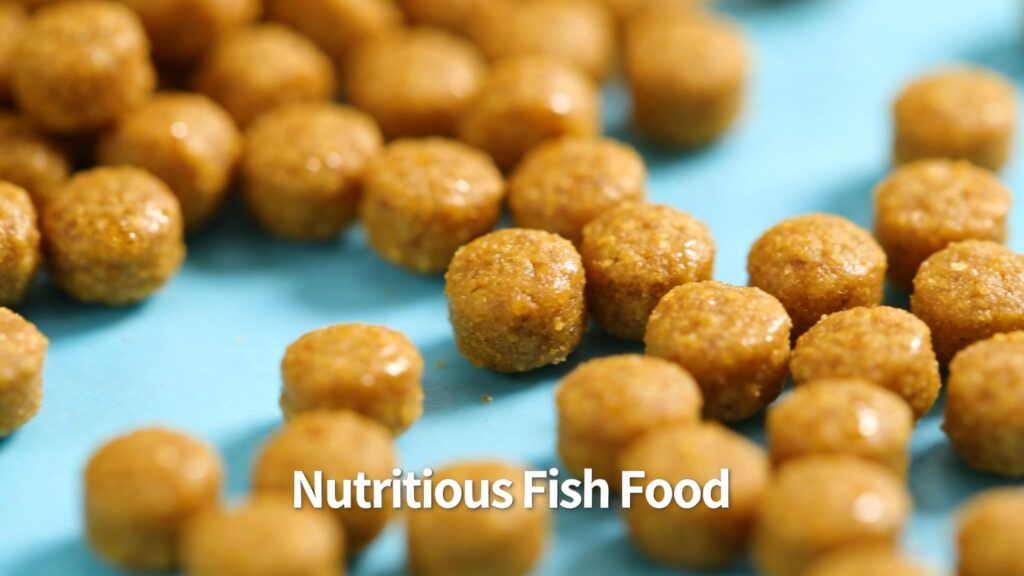
Product Categories and Market Positioning
| Product Type | Moisture Content | Shelf Life | Equipment Requirements | Profit Margin Potential | Target Segment |
|---|---|---|---|---|---|
| Dry Kibble | 8-10% | 12-18 months | Extrusion line | Moderate (15-25%) | Mass market, everyday nutrition |
| Wet/Canned Food | 70-80% | 1-2 years | Retort, canning line | Higher (25-35%) | Premium, senior cats, palatability-focused |
| Semi-Moist Treats | 20-30% | 6-9 months | Steam cooker, dryer | High (30-40%) | Training snacks, specialty |
| Freeze-Dried | <5% | 12-24 months | Freeze dryer | Highest (40-50%) | Ultra-premium, raw-feeding alternatives |
Selecting Your Niche
For small-scale startups, focusing on a specific niche allows you to compete effectively against large corporations. Consider :
- Geographic focus: Local or regional production reduces shipping costs and builds community loyalty
- Specialized formulas: Grain-free, limited ingredient, or functional health products
- Premium ingredients: Human-grade meats, organic grains, novel proteins
- Customization: Breed-specific formulas or life-stage tailored products
Key Insight: Small producers have an advantage in responding quickly to customer feedback and building direct relationships with consumers .
2. Regulatory Compliance and Licensing
Regulatory Framework by Region
| Region | Regulatory Body | Key Requirements |
|---|---|---|
| USA | FDA, AAFCO, USDA | FDA facility registration, AAFCO nutrient profile compliance, labeling review, state feed licenses |
| EU | FEDIAF, EFSA | FEDIAF nutritional guidelines, ingredient traceability, CE marking for equipment |
| China | MARA | Feed Production License, GB/T 31216-2014 compliance |
| Export Markets | SGS, BV | ISO 22000, HACCP certification for international trade |
Key Regulatory Requirements (USA Context)
Facility Registration :
- All pet food manufacturing facilities must register with the FDA
- Registration must be renewed biennially
- Foreign facilities exporting to the US must also register
Product Labeling Requirements :
- Guaranteed Analysis (minimum % of protein, fat; maximum % of fiber, moisture)
- Ingredient list in descending order by weight
- Feeding guidelines based on cat weight
- Manufacturer name and contact information
- Lot number and manufacturing date
- Storage instructions and shelf life
AAFCO Compliance :
- Products must meet AAFCO nutrient profiles for the intended life stage (kitten, adult, senior)
- Feeding trials or formulation methods are accepted for substantiation
- The AAFCO-FDA Memorandum of Understanding expired in October 2024, but ingredients published in AAFCO’s 2024 Official Publication remain acceptable
Recommended Certifications
| Certification | Purpose | Investment Level |
|---|---|---|
| HACCP | Systematic food safety approach | Moderate |
| ISO 22000 | International food safety management standard | Higher |
| GMP | Good Manufacturing Practices certification | Moderate |
| Organic | Premium market positioning (requires accredited certification) | High |
| Non-GMO Project Verified | Appeals to health-conscious consumers | Moderate |
Facility Requirements Under Chinese Regulations (Reference)
For facilities operating under Chinese jurisdiction or seeking to export to China, the Ministry of Agriculture regulations require :
- Independent facility with separation between production and living areas
- Proper drainage systems with anti-pest measures
- Dedicated quality control laboratory with trained personnel (minimum 2 full-time inspectors)
- Equipment meeting specific standards (stainless steel contact surfaces, dust control systems)
- Complete traceability systems from raw material to finished product
3. Equipment Selection and Production Line Configuration
Types of Production Lines
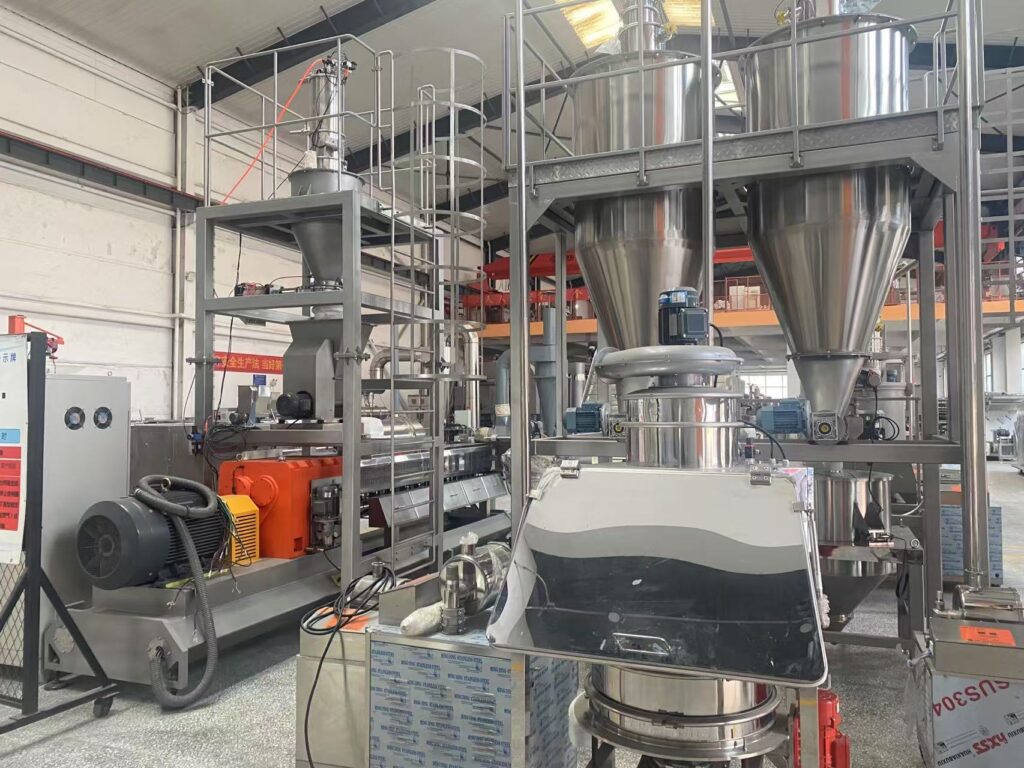
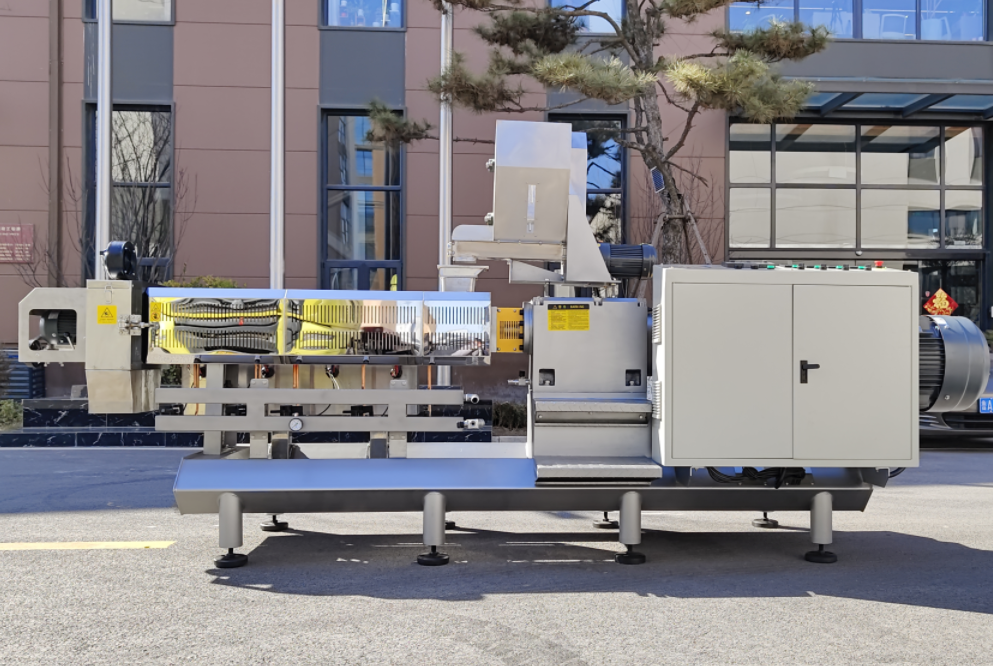
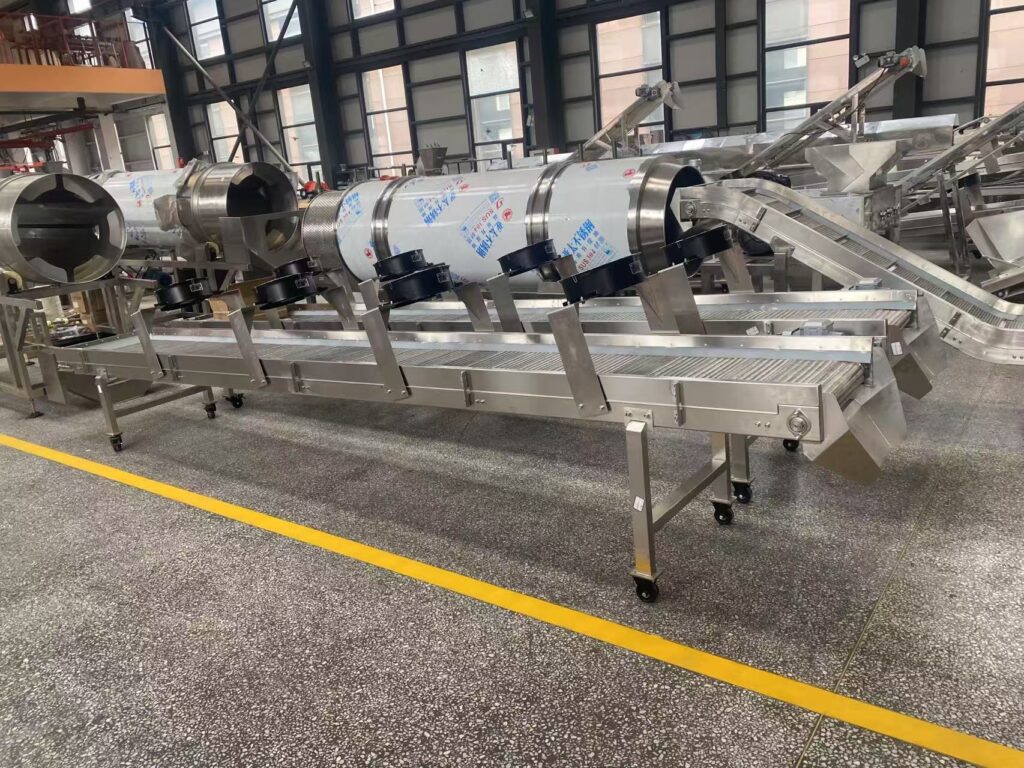
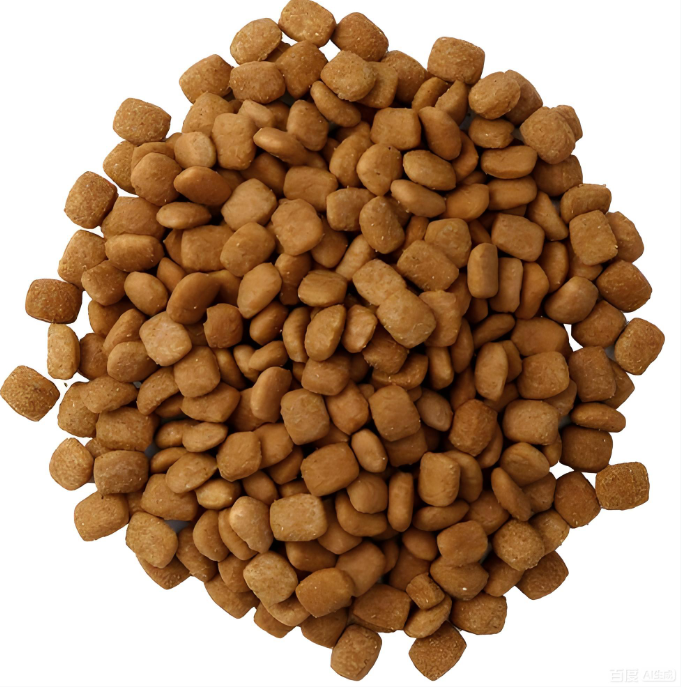
For small-scale cat food manufacturing, the extrusion line is the most common entry point due to its flexibility and scalability .
Extrusion Process Flow
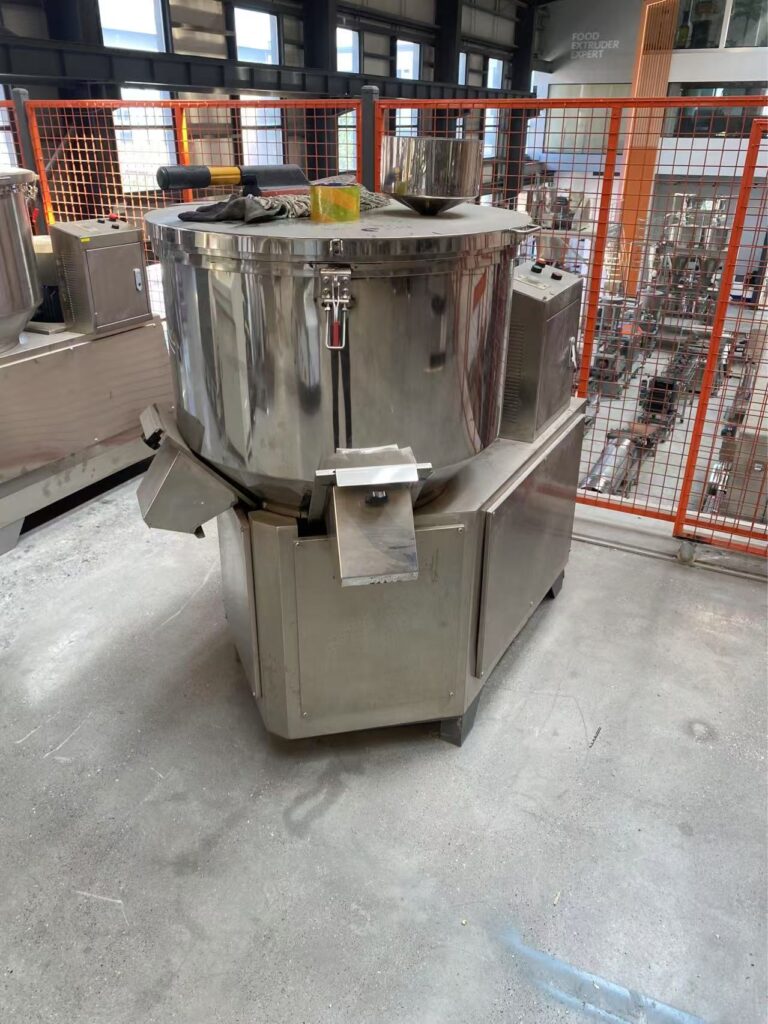
Raw Material Storage → Grinding → Mixing → Extrusion → Drying → Coating → Cooling → PackagingEquipment Components and Functions
| Stage | Equipment | Function | Key Specifications |
|---|---|---|---|
| Grinding | Hammer mill | Reduces grains to uniform particle size | Screen size: 0.8-1.5mm |
| Mixing | Ribbon or vertical mixer | Blends dry ingredients with liquids | Mixing uniformity: CV ≤7% |
| Extrusion | Twin-screw extruder | Cooks and shapes kibble under heat (120-150°C) and pressure | Stainless steel construction, PLC control |
| Drying | Multi-layer belt dryer | Reduces moisture to 8-10% | Temperature control: 80-120°C |
| Coating | Rotary drum coater | Applies fats, flavors, functional additives | Vacuum coating option available |
| Cooling | Cooling conveyor | Stabilizes product temperature | Ambient air cooling |
| Packaging | Automatic weigher and sealer | Consistent bag weights, moisture barrier seals | Nitrogen flushing option |
Capacity Options and Investment
| Model | Capacity (kg/h) | Power (kW) | Estimated Equipment Cost (USD) | Suitable For |
|---|---|---|---|---|
| DR-65 | 100-150 | 45 | 35,000-50,000 | Entry-level, local distribution |
| DR-70 | 200-400 | 60 | 60,000-85,000 | Regional production |
| DR-85 | 500-1000 | 90 | 90,000-150,000 | Growing operations |
| Custom Small Line | 50-100 | 5.5-7.5 | 3,000-8,000 | Ultra-small, pet store production |
Specialized Equipment: Freeze-Drying
For producers targeting the ultra-premium segment, freeze-drying offers higher margins but requires significantly more investment :
- Tabletop units: $3,000-5,000 (suitable for testing, not commercial scale)
- Commercial freeze dryers: $75,000 to over $1 million depending on capacity
- Ancillary equipment: Forklifts, freezers (often -40°C or colder), dicers, packaging systems
Important: The leap from tabletop to commercial freeze-drying involves far more than just upgrading the dryer. Ancillary requirements include facility space, pan washing systems, and significant labor .
Wet Food Production (Retort Lines)
For canned or pouched cat food, equipment includes:
- Emulsifier for meat processing
- Filling and sealing machines
- Retort sterilizers (pressure cookers)
- Labeling and packaging equipment
Capacity example: The Selo Ocelot system processes up to 250 kg of meat chunks per hour in an all-in-one compact design .
4. Facility Planning and Infrastructure
Space Requirements
| Production Scale | Minimum Facility Size | Layout Considerations |
|---|---|---|
| Ultra-small | 30-50 m² | Single room, basic separation |
| Entry commercial | 100-200 m² | Separate zones for raw material, processing, packaging |
| Small commercial | 200-500 m² | Dedicated areas per GMP standards |
| Medium commercial | 500-1000 m² | Full zoning with QC lab, cold storage |
Facility Zoning Requirements
Under GMP and regulatory standards, facilities must have :
| Zone | Function | Requirements |
|---|---|---|
| Raw Material Storage | Store grains, proteins, supplements | Clean, ventilated, low humidity, pest-proof |
| Processing Area | Grinding, mixing, extrusion | Separate from packaging, easy-to-clean surfaces (stainless steel) |
| Drying & Cooling | Moisture reduction, temperature stabilization | Dust-free, controlled airflow, explosion-proof lighting in high-dust areas |
| Coating & Packaging | Flavor application, bagging | Temperature-controlled, clean room standards |
| Quality Control Lab | Testing moisture, protein, microbial load | Separate from production, dedicated equipment |
| Finished Goods Warehouse | Store finished product | Pest-proof, palletized, FIFO inventory system |
| Cold Storage | Fresh/frozen ingredients | Temperature monitoring, backup power |
Facility Investment Estimates (Small-Medium Scale)
| Item | Estimated Cost (USD) |
|---|---|
| Land & Construction (500-1000 m²) | 50,000-80,000 |
| Equipment Line (DR-70 or equivalent) | 70,000-120,000 |
| Utilities (electric, steam, water) | 10,000-20,000 |
| Packaging System | 10,000-25,000 |
| Licensing & Certification | 5,000-10,000 |
| Initial Raw Materials | 5,000-15,000 |
| Cold Storage/Freezer | 8,000-15,000 |
| QC Laboratory Setup | 5,000-10,000 |
| Total Estimated | 150,000-250,000 |
Safety Requirements
Regulatory standards mandate :
- Explosion-proof lighting and switches in dust-prone areas
- Protective guards on all moving equipment
- Fire suppression systems
- Proper ventilation with dust collection
- Emergency stops accessible throughout the facility
5. Raw Materials and Formulation
Nutritional Requirements (Dry Matter Basis)
Cats are obligate carnivores with specific nutritional needs :
| Nutrient | Kitten (%) | Adult Cat (%) | Senior Cat (%) | Function |
|---|---|---|---|---|
| Crude Protein | 30-40 | 26-35 | 28-38 | Muscle maintenance, taurine source |
| Crude Fat | 15-25 | 12-20 | 12-18 | Energy, skin/coat health |
| Crude Fiber | 2-4 | 3-5 | 3-6 | Digestive regulation |
| Moisture | ≤10 | ≤10 | ≤10 | Shelf stability |
| Taurine | ≥0.1 | ≥0.1 | ≥0.1 | Essential amino acid for cats |
Essential Ingredients for Cat Food
Animal Protein Sources (40-60% of formula):
- Chicken meal, turkey meal, salmon meal
- Fresh or frozen meats (chicken, fish, rabbit)
- Liver and organ meats (high palatability)
- Novel proteins for sensitive cats (insect, venison, duck)
Carbohydrate Sources (15-30% of formula):
- Rice, corn, wheat (traditional)
- Peas, lentils, sweet potatoes (grain-free)
Fats and Oils (10-20% of formula):
- Chicken fat, fish oil (omega-3s)
- Flaxseed, sunflower oil
Functional Additives:
- Taurine (essential for heart and vision)
- Vitamins A, D3, E, B-complex
- Minerals: calcium, phosphorus, zinc, iron
- Probiotics, prebiotics (digestive health)
Sample Premium Cat Food Formula
| Ingredient | Inclusion (%) | Purpose |
|---|---|---|
| Chicken meal | 35 | Primary protein |
| Chicken fat | 12 | Energy, palatability |
| Pea protein | 10 | Supplemental protein |
| Rice flour | 15 | Carbohydrate, structure |
| Dried egg | 5 | Additional protein |
| Fish oil | 3 | Omega-3 fatty acids |
| Taurine | 0.15 | Essential amino acid |
| Vitamin/mineral premix | 2 | Nutritional completeness |
| Cranberry powder | 1 | Urinary tract health |
| Water/processing aid | 16.85 | Extrusion aid |
Quality Control Parameters
| Test | Standard Range | Frequency | Method |
|---|---|---|---|
| Moisture | ≤10% | Each batch | Oven drying / NIR |
| Protein | 28-40% | Each batch | Kjeldahl / NIR |
| Fat | 12-20% | Each batch | Soxhlet extraction |
| Taurine | ≥0.1% | Monthly | HPLC |
| Salmonella | Negative | Weekly | Microbiological culture |
| Mold & Yeast | <100 CFU/g | Weekly | Plate count |
| Water Activity | <0.6 aw | Each batch | Water activity meter |
| Palatability | >70% acceptance | Quarterly | Feeding trials |
6. Financial Analysis and Profitability
Initial Investment Breakdown
| Investment Category | Percentage | Amount (USD) – Small Scale | Amount (USD) – Medium Scale |
|---|---|---|---|
| Equipment | 40-50% | 50,000-70,000 | 100,000-150,000 |
| Facility/Construction | 25-30% | 40,000-50,000 | 80,000-100,000 |
| Raw Materials (initial) | 5-10% | 5,000-10,000 | 15,000-20,000 |
| Licensing/Certification | 3-5% | 5,000-8,000 | 8,000-12,000 |
| Packaging (initial) | 3-5% | 5,000-8,000 | 10,000-15,000 |
| Working Capital | 10-15% | 10,000-20,000 | 30,000-50,000 |
| Total | 100% | 115,000-166,000 | 243,000-347,000 |
Operating Costs (Monthly, Small Scale)
| Cost Category | Estimated Amount (USD) | Percentage of Revenue |
|---|---|---|
| Raw Materials | 8,000-12,000 | 40-45% |
| Labor (3-5 employees) | 6,000-10,000 | 20-25% |
| Utilities (electricity, water) | 1,500-2,500 | 5-8% |
| Packaging | 2,000-3,000 | 8-10% |
| Maintenance | 500-1,000 | 2-3% |
| Marketing | 1,000-2,000 | 3-5% |
| Logistics/Distribution | 1,500-2,500 | 5-7% |
| Insurance/Licensing | 500-1,000 | 2-3% |
| Total Monthly Costs | 21,000-34,000 | 85-106% |
Revenue and Profitability Projections
Assumptions for Small-Scale Operation (200 kg/day capacity) :
| Metric | Value |
|---|---|
| Daily production capacity | 200 kg |
| Operating days per month | 25 days |
| Monthly production | 5,000 kg |
| Average selling price (wholesale) | $5.00-7.00 per kg |
| Monthly revenue | $25,000-35,000 |
| Cost of goods sold (COGS) | $3.00-4.00 per kg |
| Gross margin | 35-45% |
| Monthly gross profit | $10,000-15,000 |
| Operating expenses | $8,000-12,000 |
| Net profit (monthly) | $2,000-5,000 |
Profitability Factors
Small-scale cat food production can be profitable, with expected profit margins of 15-30% depending on :
- Niche positioning: Premium and specialty products command higher margins
- Raw material sourcing: Direct purchasing and volume discounts improve margins
- Production efficiency: Optimizing extrusion and drying reduces waste
- Distribution model: Direct-to-consumer yields higher margins than wholesale
Payback Period: With consistent operations, equipment investment can be recovered in 12-24 months depending on market penetration and scale .
7. Quality Control and Food Safety
Critical Control Points (HACCP)
| Process Stage | Hazard | Control Measure | Critical Limit |
|---|---|---|---|
| Raw material receiving | Pathogens, contaminants | Supplier approval, testing | Certificate of analysis required |
| Extrusion | Undercooking | Temperature monitoring | >90°C for minimum 30 seconds |
| Drying | Moisture >10% | Continuous moisture monitoring | <10% moisture |
| Cooling | Recontamination | Air filtration, positive pressure | Clean room standards |
| Coating | Oxidation | Fresh oil, antioxidant addition | Peroxide value <10 meq/kg |
| Packaging | Moisture ingress | Seal integrity testing | Vacuum hold test passed |
Laboratory Requirements
Regulatory standards require a dedicated quality control laboratory :
Required Equipment:
- Analytical balance (0.0001g precision)
- Drying oven (for moisture analysis)
- Muffle furnace (for ash analysis)
- Kjeldahl apparatus or NIR (for protein)
- Soxhlet extractor (for fat analysis)
- pH meter
- Water activity meter
- Microbiological testing capability (incubator, autoclave, sterile workbench)
Personnel Requirements :
- Minimum 2专职检验化验员 (full-time inspectors)
- Technical qualifications in food science, chemistry, or related fields
- Demonstrated proficiency through practical examination
Food Safety Considerations
For freeze-dried products, traditional heat-based kill steps are not used. Instead :
- Water activity measurement is the primary safety indicator
- High-pressure processing (HPP) can serve as a pre-freeze-drying kill step
- Pathogens cannot grow at water activity levels below 0.6
- Desiccants provide additional moisture protection in packaging
H5N1 Consideration: As of 2025, the FDA requires dog and cat food manufacturers to consider H5N1 avian influenza in their food safety plans .
8. Branding and Go-to-Market Strategy
Brand Positioning
| Brand Tier | Price Point | Target Consumer | Key Message |
|---|---|---|---|
| Economy | $2-4/kg | Price-sensitive | Value, complete nutrition |
| Premium | $5-8/kg | Health-conscious | Natural ingredients, functional benefits |
| Super-Premium | $9-15/kg | High-income, cat enthusiasts | Human-grade, novel proteins, grain-free |
| Ultra-Premium | $15+/kg | Raw feeders, holistic | Freeze-dried, organic, raw-inspired |
Packaging Specifications
Material Requirements :
- Multi-layer laminated bags (PET/PE, OPP/AL)
- Resealable zippers for moisture protection
- Nitrogen flushing for extended shelf life
Mandatory Label Elements:
- Product name and brand
- Net weight
- Guaranteed analysis (protein, fat, fiber, moisture %)
- Ingredient list in descending order by weight
- Feeding guidelines (by cat weight)
- Manufacturer name and contact
- Lot number and manufacturing date
- “Manufactured in [country]” statement
Marketing Channels
| Channel | Advantages | Considerations |
|---|---|---|
| Direct-to-Consumer (D2C) | Highest margins, direct customer relationships | Marketing costs, shipping logistics |
| Local Pet Stores | Established traffic, community credibility | Lower margins, shelf-space competition |
| Veterinary Clinics | Professional endorsement, target audience | Distribution requirements, education needed |
| E-commerce (Amazon, Chewy) | Massive reach | High competition, fee structure |
| Subscription Models | Recurring revenue, predictable demand | Fulfillment complexity |
Building Brand Trust
Small manufacturers have a unique advantage in building authentic customer relationships :
- Transparency: Share sourcing stories, ingredient origins
- Education: Explain nutritional philosophy, manufacturing process
- Community: Engage with local cat owners, shelters, rescue organizations
- Samples: Offer trial sizes to build customer base
- Certifications: Display HACCP, ISO, organic certifications prominently
9. Operational Considerations and Challenges
Common Pitfalls to Avoid
| Pitfall | Prevention Strategy |
|---|---|
| Underestimating facility space | Plan for 2x initial estimated space; expansion happens faster than expected |
| Ignoring ancillary equipment | Budget for forklifts, freezers, pan washing systems, QC lab—not just extruder |
| Inadequate food safety planning | Implement HACCP from day one; recalls can destroy a small brand |
| Insufficient working capital | Maintain 3-6 months of operating expenses in reserve |
| Over-reliance on single distribution channel | Diversify sales channels early |
| Rushing to scale before quality locked | Perfect small-batch quality before scaling production |
Scaling Considerations
As your business grows, anticipate :
- Space requirements: Most small manufacturers scale beyond geographic capacity within 6 months
- Labor needs: Transition from hands-on production to supervision
- Equipment reliability: Commercial units designed for 360+ days/year operation
- Recipe optimization: Commercial units offer programmable profiles that reduce cycle times significantly
Labor Requirements
| Role | Responsibilities | Approximate Monthly Cost (USD) |
|---|---|---|
| Production Manager | Oversee operations, scheduling | 3,000-4,000 |
| Production Operators (2-3) | Run extruder, dryer, coating equipment | 2,000-2,500 each |
| Quality Control Technician | Testing, documentation, compliance | 2,500-3,500 |
| Warehouse/Material Handler | Raw material receiving, inventory | 2,000-2,500 |
| Sales/Marketing | Brand building, customer acquisition | 2,500-4,000 |
Total: 5-8 employees; $14,000-22,000 monthly
10. Future Trends and Opportunities
Emerging Market Trends
| Trend | Description | Opportunity for Small Manufacturers |
|---|---|---|
| Insect-based proteins | Sustainable, hypoallergenic protein source | Novel protein differentiation |
| Personalized nutrition | Custom formulas based on cat health data | Direct-to-consumer customization |
| Sustainable packaging | Compostable, recyclable materials | Environmental positioning |
| Functional health | Targeted solutions for urinary, dental, digestive | Premium pricing potential |
| Human-grade ingredients | USDA-certified meats, organic grains | Ultra-premium category |
Regulatory Landscape
Monitor these developments :
- PURR Act (H.R. 597) : Proposed federal legislation to replace state-by-state pet food regulation with FDA authority
- Synthetic dye elimination: FDA moving toward eliminating artificial food dyes
- Organic standards: USDA’s proposed changes to organic pet food requirements
Opportunities for Small Manufacturers
Despite major pet food companies acquiring smaller brands and entering the category, industry experts see continued opportunities for small manufacturers :
- Agility: Small companies can create new products, get successful, and grow quickly
- Customer relationships: Direct connections with consumers and ability to tell sourcing stories
- Niche focus: Specialization in underserved segments (allergy-friendly, breed-specific, life-stage)
- Category growth: Increased consumer education benefits all participants
Заключение
Investing in a small-scale cat food factory is a significant undertaking that requires careful planning across multiple dimensions—regulatory compliance, equipment selection, financial management, and quality control. However, with the pet food market continuing its strong growth trajectory and consumers increasingly seeking premium, specialized options for their feline companions, the opportunity is substantial.
Key Success Factors:
- Start with a clear niche: Differentiate through premium ingredients, functional benefits, or local production
- Invest in compliance: Proper licensing and food safety systems are non-negotiable
- Right-size equipment: Match capacity to realistic sales projections; small extruders (100-200 kg/hour) are sufficient for market entry
- Build quality systems: Consistent quality is the foundation of brand reputation
- Develop direct customer relationships: Small manufacturers’ ability to connect with consumers is a competitive advantage
With total investments ranging from $115,000 for a lean entry to $350,000 for a fully equipped small factory, the barriers to entry are accessible compared to many food manufacturing sectors. By following this guide and focusing on quality, transparency, and consistent execution, you can build a profitable business that serves the growing community of cat owners who view their pets as family.
1.Will you help us with the installation ?
Yes , We will send engineers to install and debug the equipment, and assist in training your staff.
2.Are you a factory or trading company?
We are a factory.
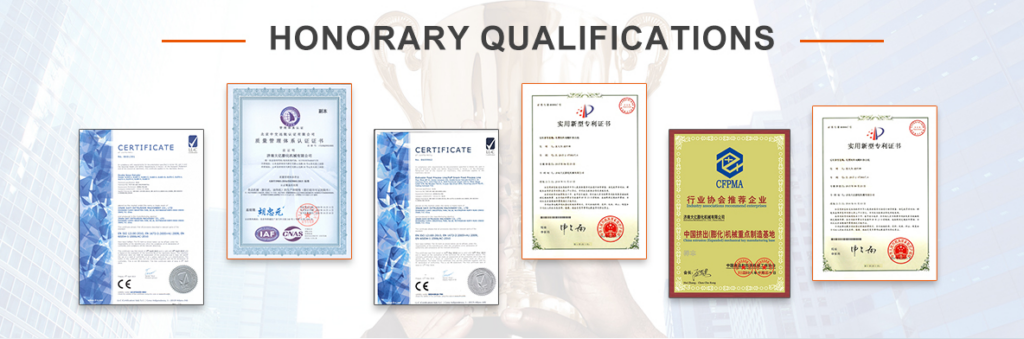
3.What certificate do you have?
We have ISO and CE certificate.
4.How long is the warranty period?
All of our machines have one year warranty.
5.What’s the main market of your company?
Our customers all over the world.
6.How much production capacity of your company one year?
This depends on your needs.
 Russian
  English
  Spanish
  Italian
  Arabic
  Portuguese
  German
  French
  Japanese
  Moroccan Arabic
  Persian
  Belarusian