
For a dog, the world is built on scent. While humans eat with their eyes, a dog decides whether to eat with its nose. This fundamental difference shapes the entire approach to flavor in the pet food industry. The familiar aroma of roasted chicken, the rich savor of beef, or the oceanic scent of salmon that wafts from a bag of kibble is no accident. Creating these distinct flavors is a sophisticated scientific process that blends ingredient selection, cooking technology, and a critical final step known as coating. The journey to a flavorful kibble is a multi-layered process designed to appeal to a dog’s powerful olfactory senses and ensure palatability.
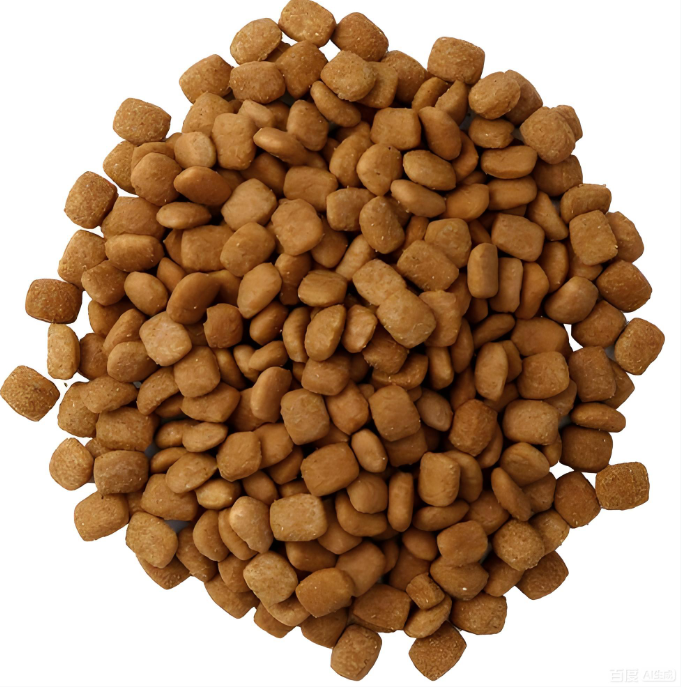
The Foundation: Selecting Flavor-Defining Ingredients
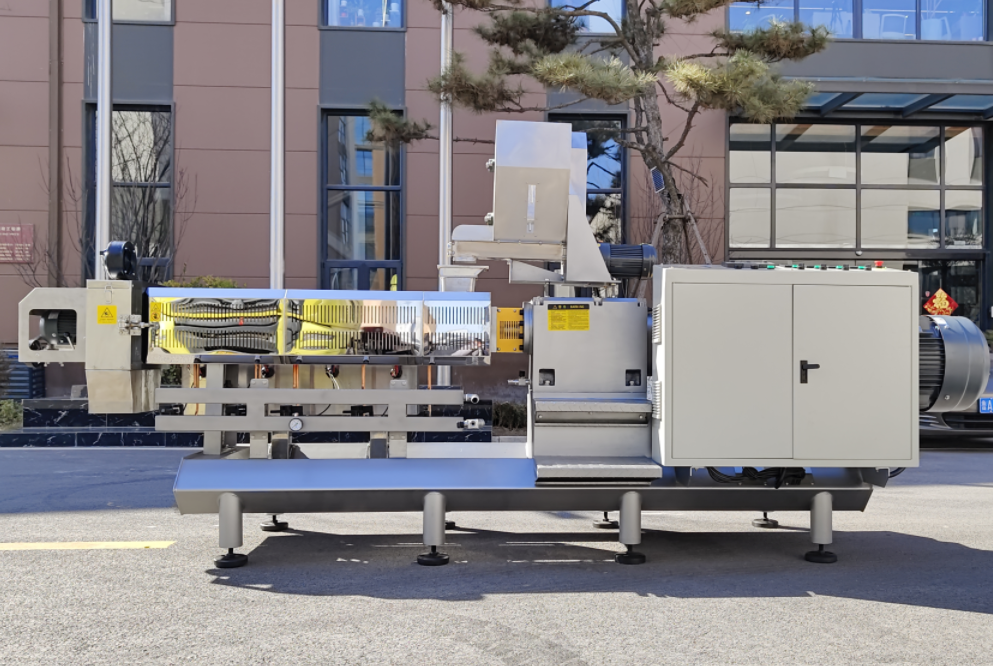
The first and most straightforward method of imparting flavor is through the primary ingredients themselves. When a formula is designed to be a “chicken” recipe, high-quality chicken meal or fresh chicken is incorporated as a primary protein source. During the extrusion process, the natural fats, amino acids, and volatile aromatic compounds within the chicken undergo Maillard reactions—the same browning process that makes grilled meat smell delicious to humans. This creates a foundational layer of authentic, intrinsic flavor that is baked into the very structure of the kibble.
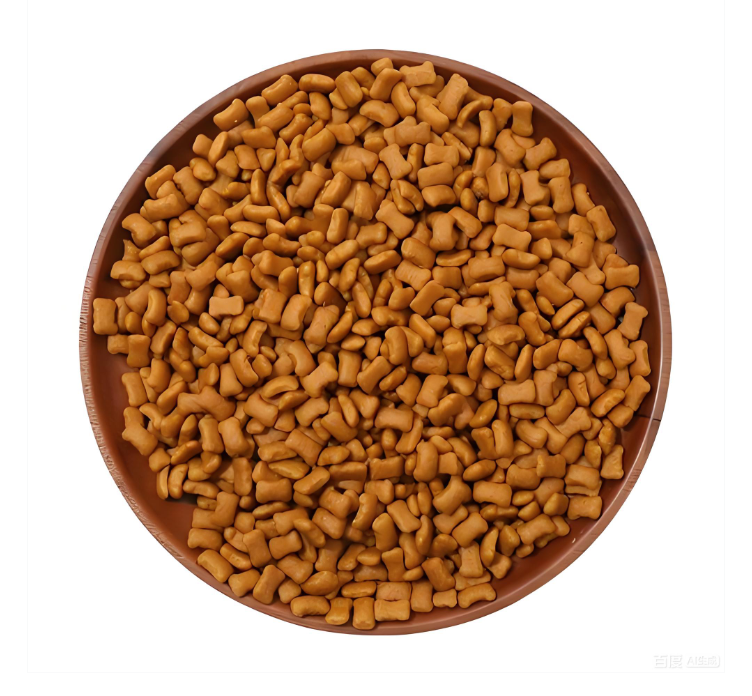
However, relying solely on intrinsic ingredients is often not enough. The high-heat, high-pressure extrusion process, while excellent for safety and digestibility, can sometimes volatilize or degrade the most delicate aromatic compounds. Furthermore, dogs are highly sensitive to aroma fatigue; even a high-quality base flavor may become less appealing over time if not enhanced. This is where flavor science takes over.
The Science of Palatability: Digests and Hydrolysates
To create robust, appealing, and consistent flavors, manufacturers turn to concentrated flavor enhancers known as “digests” or “hydrolysates.” These are not artificial additives in the traditional sense but are natural products created through a process of enzymatic hydrolysis.
To produce a chicken digest, for example, fresh chicken tissue is mixed with water and specific enzymes. These enzymes break down the long protein chains into shorter chains (peptides) and free amino acids. This process does two things: it unlocks potent savory flavors (umami) and creates a highly aromatic liquid that is intensely appealing to canines. The mixture is then heated to deactivate the enzymes, resulting in a concentrated, shelf-stable paste or powder that smells overwhelmingly of roasted chicken. This digest is the “secret sauce” of the pet food industry, providing a consistent, potent flavor profile that is far more intense than what could be achieved through whole ingredients alone.
The Critical Step: Coating Application
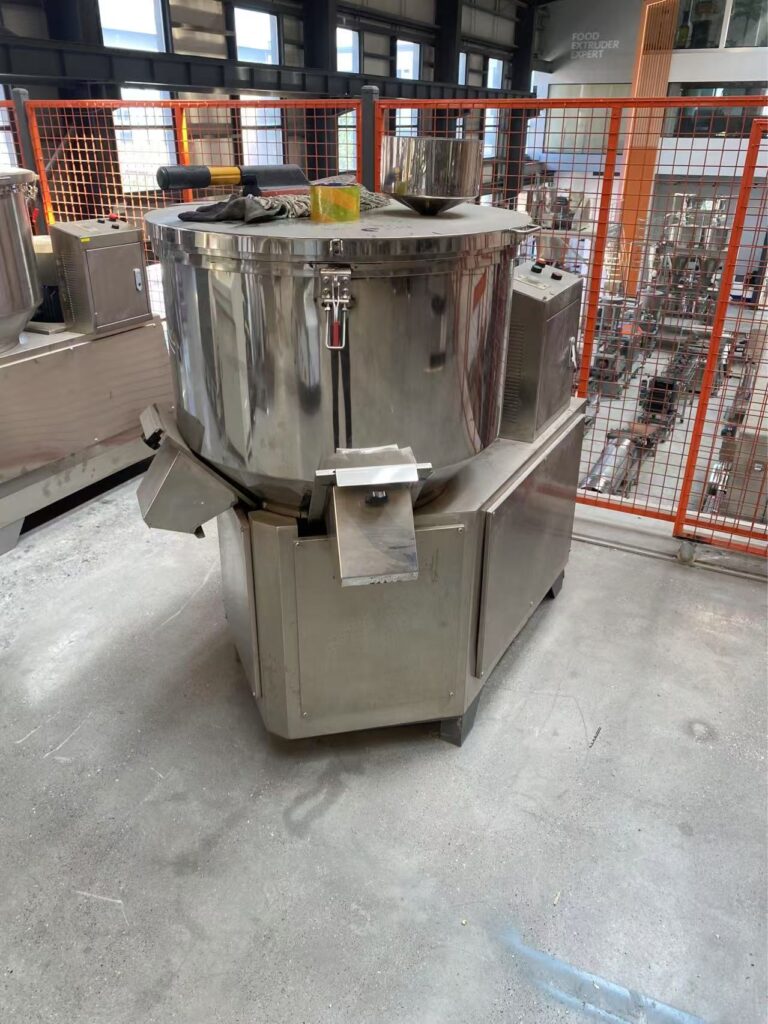
The most crucial stage for flavor creation occurs after the kibble has been cooked, dried, and cooled. This is the coating stage, which takes place in a large, rotating drum. The process is meticulously layered to maximize flavor impact.
- Fat Coating: As the dry kibble tumbles in the drum, it is first sprayed with a blend of fats and oils. This can be animal fats (like chicken fat) for added flavor or plant-based oils for energy. This fat layer serves two purposes: it adds palatability and, more importantly, acts as an adhesive.
- Digest Application: Immediately after the fat coating, the concentrated liquid or powdered digest is added. Because the kibble surface is now tacky with fat, the digest adheres perfectly to the outside of each piece. This ensures that the first thing a dog smells—and tastes—when it approaches the bowl or bites into a kibble is the potent, targeted flavor.
- Flavor Variety: By changing the digest applied in this final coating stage, a manufacturer can create multiple flavor varieties from the exact same base kibble. A single batch of uncoated, neutral “base” kibble can be split into separate coating drums, where one receives chicken digest, another receives beef digest, and a third receives salmon digest. This allows for production efficiency while providing consumers with a wide range of flavor options.
Alternatives: Beyond Extrusion and Coating
While the extrusion-plus-coating method dominates the dry kibble market, other processing methods create flavors through different mechanisms.
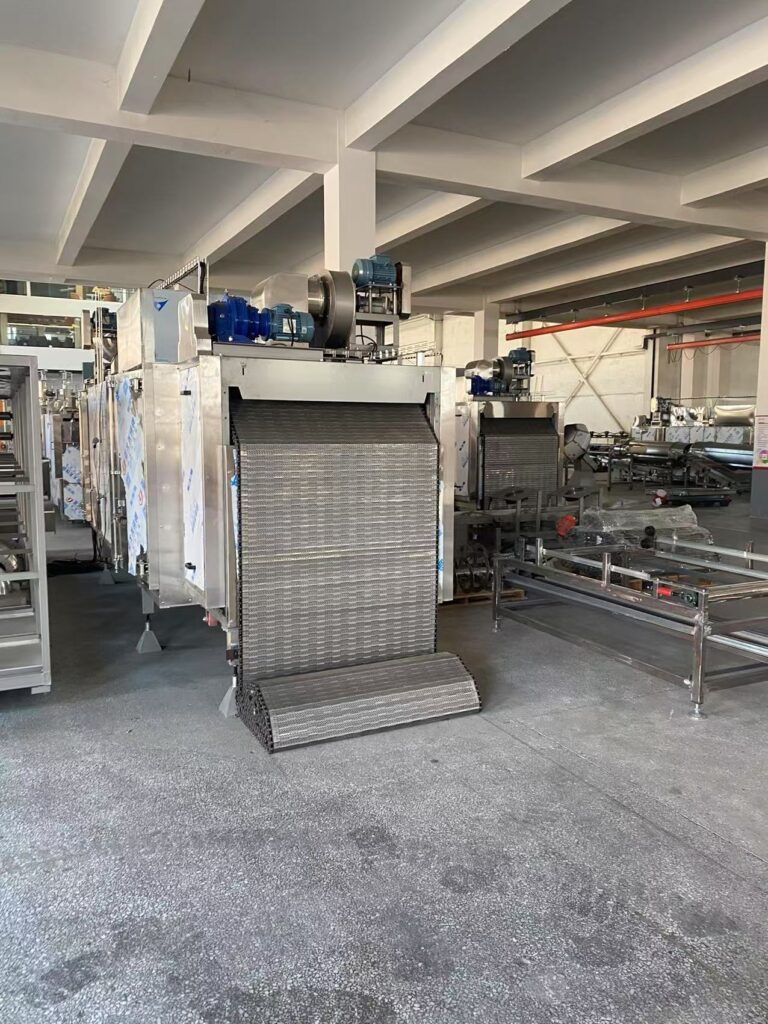
- Baked Treats: In baking, flavor development relies heavily on the Maillard reaction. A dough is mixed with flavor ingredients, cut into shapes, and baked in an oven. The prolonged dry heat creates a deep, toasted, caramelized flavor profile that is distinct from extruded products. The flavor is intrinsic to the entire biscuit rather than being concentrated on the surface.
- Cold-Pressed Foods: This method uses low heat and high pressure to bind ingredients. Because the process avoids high temperatures, the natural, raw flavors of the ingredients are better preserved. However, this also means the more intense, cooked flavors (like those from Maillard reactions) are less developed, so palatability often relies heavily on the freshness and quality of the raw materials.
- Wet/Canned Foods: The flavor profile of wet food is created through retort cooking. Ingredients are sealed in a can and then cooked under high pressure and temperature. This process essentially stews the ingredients in their own juices, creating a high-moisture, intensely aromatic product that is often more immediately appealing to dogs than dry food, albeit with different textural properties.
Заключение
The creation of different flavors in dog food is a complex, multi-stage process that begins with quality ingredients and is perfected through scientific application. From the foundational flavors generated during extrusion to the potent, targeted palatability of liquid digests applied in the coating drum, every step is engineered to appeal to a dog’s exceptional sense of smell and taste. By mastering these processes—whether through extrusion and coating, baking, or retort cooking—manufacturers are able to deliver the variety, nutrition, and sensory satisfaction that keep our canine companions eagerly returning to their bowls. If you are interested in the dog food machinery , you can contact me , i will give you good advice and solutions .
1.Will you help us with the installation ?
Yes , We will send engineers to install and debug the equipment, and assist in training your staff.
2.Are you a factory or trading company?
We are a factory.
3.What certificate do you have?
We have ISO and CE certificate.
4.How long is the warranty period?
All of our machines have one year warranty.
5.What’s the main market of your company?
Our customers all over the world.
6.How much production capacity of your company one year?
This depends on your needs.
 Russian
  English
  Spanish
  Italian
  Arabic
  Portuguese
  German
  French
  Japanese
  Moroccan Arabic
  Persian
  Belarusian