
Fish feed manufacturing is a precise science that combines nutrition, ingredient selection, and processing technology. Whether producing floating pellets for commercial aquaculture or specialized feeds for ornamental fish, the ingredients used must meet the nutritional requirements of the target species while ensuring water stability and digestibility. This article provides a comprehensive overview of the raw materials required for fish feed production.
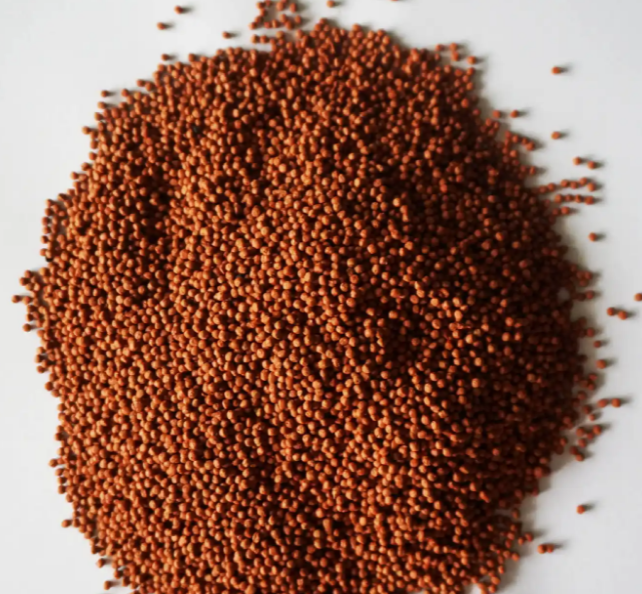
1. Overview: The Nutritional Foundation
Fish, like all animals, require a balanced mix of approximately 40 essential nutrients to thrive . These include specific proteins and amino acids, lipids and fatty acids, carbohydrates, vitamins, minerals, and energy sources. The art of fish feed formulation lies in selecting and combining ingredients to deliver these nutrients in a form that is palatable, digestible, and stable in water.
Feed ingredients are broadly classified into several categories: animal protein sources, plant protein sources, lipid sources, carbohydrate sources, binders, and additives (vitamins and minerals) .
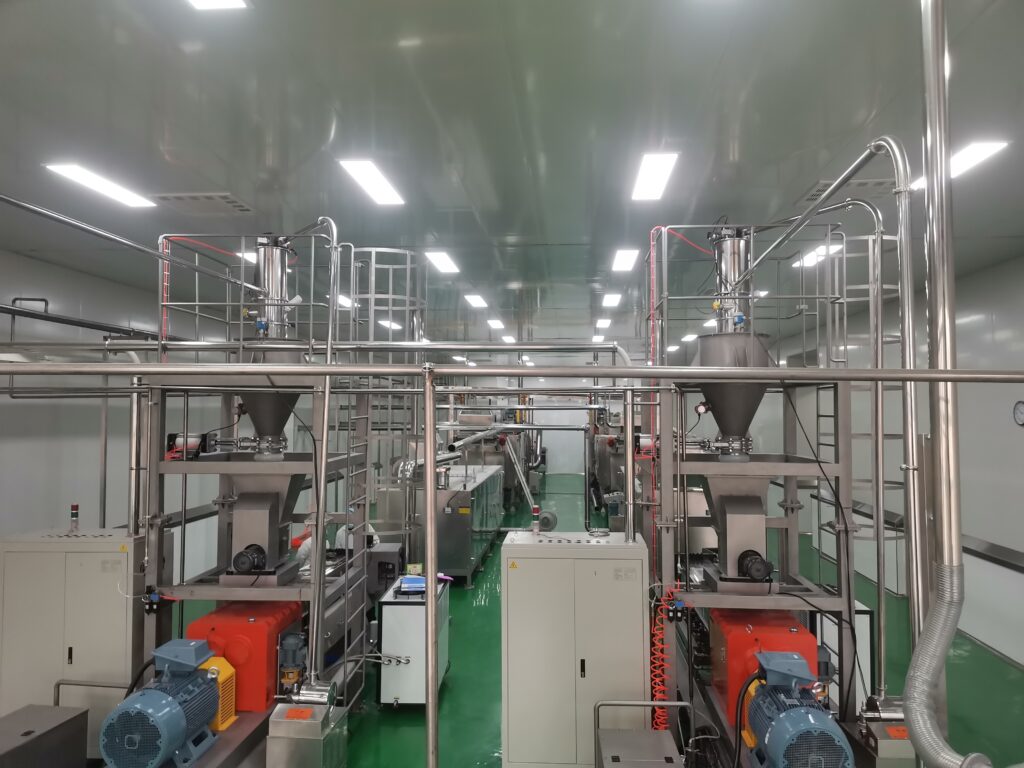
2. Protein Sources: The Building Blocks
Protein is the most critical and expensive component of fish feed. It provides essential amino acids that fish cannot synthesize on their own. Protein sources fall into two main categories:
Animal Protein Sources
Animal-derived proteins are generally considered superior in nutritional quality due to their balanced amino acid profiles and higher levels of essential fatty acids .
| Ingredient | Typical Inclusion Rate | Key Characteristics |
|---|---|---|
| Fishmeal | 10-30% | The gold standard protein source. High in essential amino acids and omega-3 fatty acids (EPA/DHA). Typically contains 60-70% crude protein |
| Krill Meal | 2-5% | Rich in omega-3 fatty acids, astaxanthin (natural pigment), and palatability enhancers |
| Shrimp Head Meal | Varies | Good protein source; contains chitin and natural attractants |
| Fish Processing Trimmings | Varies | Sustainable alternative using heads, bones, and offcuts from seafood processing that would otherwise be wasted |
| Squid Meal | 1-5% | Highly palatable; often used as an attractant |
| Insect Meal | Emerging | Sustainable protein source gaining acceptance |
Plant Protein Sources
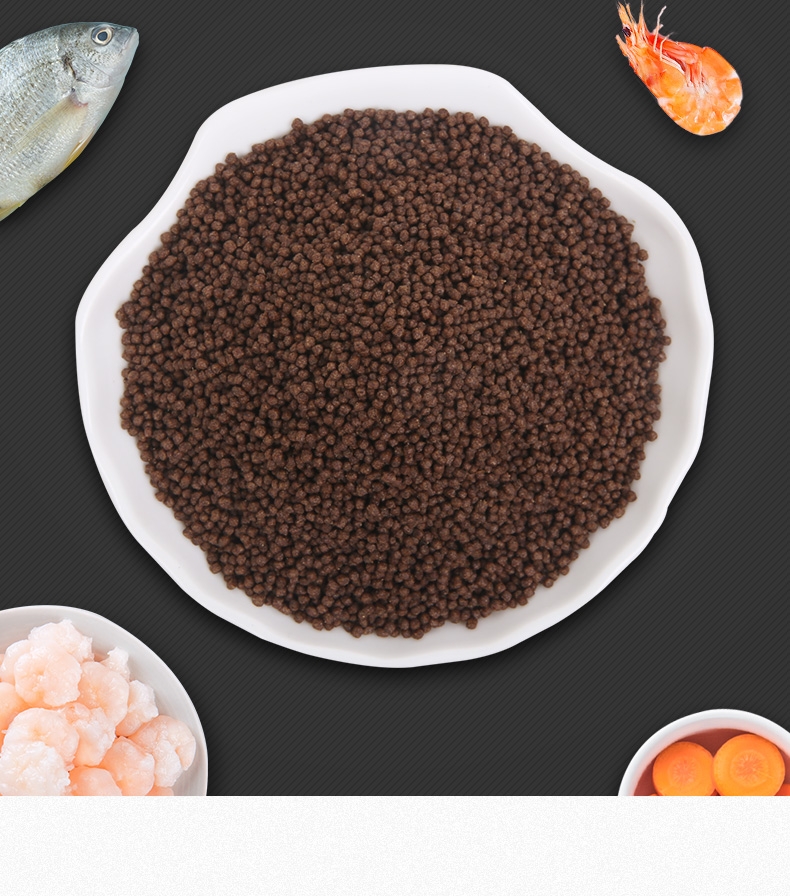
Plant proteins are increasingly used to reduce reliance on wild-caught fish for fishmeal and lower production costs . However, they may have limiting amino acids (particularly methionine and lysine) and contain anti-nutritional factors .
| Ingredient | Typical Inclusion Rate | Key Characteristics |
|---|---|---|
| Soybean Meal / Soy Protein Concentrate | 15-35% | High protein (45-65%); well-balanced amino acid profile; widely available |
| Wheat Gluten | 5-15% | Very high protein (75-80%); excellent binding properties; good for floating pellets |
| Corn Gluten Meal | 5-15% | Good protein source; also acts as natural pigment (yellow color) |
| Cottonseed Cake | 5-15% | Economical protein source; must be processed to reduce gossypol |
| Mustard/Rapeseed Oil Cake | 5-15% | Common in Asian farm-made feeds; contains glucosinolates that require management |
| Pea Protein | Varies | Emerging alternative; hypoallergenic |
| Sunflower Oil Cake | 5-15% | Good protein source; high fiber content limits inclusion |
Single Cell Proteins
- Yeast (e.g., Saccharomyces cerevisiae): Provides protein and B vitamins; can enhance immune function
- Algae: Rich in protein and omega-3 fatty acids; sustainable option
- Bacterial Protein: Emerging alternative with high protein content
3. Lipid Sources: Energy and Essential Fatty Acids
Lipids provide concentrated energy and supply essential fatty acids (particularly omega-3 EPA and DHA) that are crucial for fish growth, immunity, and reproduction .
| Ingredient | Typical Inclusion Rate | Key Characteristics |
|---|---|---|
| Fish Oil | 5-15% | Rich in EPA and DHA; high energy density; derived from small pelagic fish or trimmings |
| Soybean Oil | 3-8% | Widely available; contains omega-6 fatty acids; lower in EPA/DHA |
| Poultry Fat | 5-10% | Cost-effective energy source; lower in omega-3s |
| Algae Oil | Varies | Sustainable source of DHA; produced from cultured marine algae |
| Canola Oil | Varies | Good omega-3 (ALA) content; cost-effective |
| Flaxseed Oil | Varies | Rich in ALA (plant-based omega-3) |
| Soybean Lecithin | 1-2% | Emulsifier; aids fat digestion and pellet binding |
4. Carbohydrate Sources: Structure and Energy
Carbohydrates serve as energy sources and provide structural integrity to pellets. The right carbohydrate selection is critical for achieving proper expansion and water stability.
| Ingredient | Typical Inclusion Rate | Key Characteristics |
|---|---|---|
| Wheat Flour / Wheat Meal | 8-15% | Excellent binding properties; aids pellet expansion |
| Rice Bran / Deoiled Rice Bran | 5-15% | Common in Asian farm-made feeds; contains fiber and some oil |
| Corn / Maize | 5-20% | Energy source; can be used whole or as bran |
| Tapioca Flour | 5-15% | High starch content; good binding properties |
| Wheat Bran | 5-10% | Fiber source; reduces pellet density |
| Maize Bran | 5-10% | Fiber and energy source |
5. Binders and Stabilizers
Binders ensure that pellets remain intact in water for sufficient time to allow fish to consume them without disintegrating.
| Ingredient | Typical Inclusion Rate | Function |
|---|---|---|
| Guar Gum | 0.5-1.5% | Natural binder; improves water stability |
| Alginate | 0.5-1.5% | Derived from seaweed; excellent binding for extruded feeds |
| Wheat Gluten | 5-15% | Dual purpose: protein source and binder |
| Lignosulfonate | 1-3% | Pellet binder for sinking feeds |
6. Amino Acid Supplements
Because plant proteins often lack sufficient levels of certain essential amino acids, supplements are added to balance the formulation .
| Ingredient | Typical Inclusion Rate | Purpose |
|---|---|---|
| Lysine | 0.5-1.5% | Often deficient in plant proteins; essential for growth |
| Methionine | 0.2-0.8% | First limiting amino acid in many plant-based formulations |
| Taurine | 0.1-0.5% | Essential for carnivorous fish; not found in plants; supports fat digestion and vision |
7. Vitamins and Minerals
Fish require a complex array of vitamins and minerals that are often added as a premix to ensure nutritional completeness .
Vitamin Premix Components
| Vitamin | Function |
|---|---|
| Vitamin A (retinyl acetate) | Vision, growth, immune function |
| Vitamin D3 (cholecalciferol) | Calcium metabolism, bone health |
| Vitamin E | Antioxidant, reproduction |
| Vitamin K3 | Blood clotting |
| B-complex (B1, B2, B6, B12) | Energy metabolism, nerve function |
| Vitamin C (ascorbic acid) | Immune function, collagen synthesis |
| Niacin | Metabolism |
| Folic acid | Cell division |
| Inositol | Cell membrane function |
| Biotin | Fatty acid synthesis |
| Choline | Lipid metabolism |
Mineral Premix Components
| Mineral | Function |
|---|---|
| Calcium carbonate | Bone structure, pH balance |
| Iron sulfate | Oxygen transport (hemoglobin) |
| Zinc sulfate | Enzyme function, immune health |
| Manganese oxide | Bone development, metabolism |
| Copper sulfate | Enzyme function |
| Potassium chloride | Osmotic balance |
| Sodium chloride | Osmotic balance |
| Cobalt carbonate | Vitamin B12 synthesis |
| Potassium iodide | Thyroid function |
| Sodium selenite | Antioxidant function |
8. Functional Additives and Attractants
These ingredients enhance palatability, improve digestibility, or provide specific health benefits.
| Ingredient | Typical Inclusion Rate | Purpose |
|---|---|---|
| Betaine | 0.3-0.8% | Palatability enhancer; osmoregulation aid |
| Krill Meal | 2-5% | Natural attractant; rich in omega-3s and pigments |
| Probiotics | Varies | Gut health; disease resistance |
| Prebiotics (MOS, FOS) | 0.1-0.5% | Stimulate beneficial gut bacteria |
| Astaxanthin | 0.005-0.05% | Pigment for salmonids, shrimp, and ornamental fish |
| Phospholipids | 0.5-1.5% | Enhance fat digestion; cell membrane integrity |
9. Ingredient Selection by Fish Species
Different fish species have different nutritional requirements. The table below provides general guidance on ingredient selection:
| Fish Type | Protein Requirement | Key Ingredients |
|---|---|---|
| Salmonids (salmon, trout) | 40-50% | Fishmeal, fish oil, soybean concentrate, wheat gluten, taurine, astaxanthin |
| Marine Fish (sea bass, bream) | 45-55% | Fishmeal, fish oil, krill meal, soybean protein concentrate |
| Carp | 30-38% | Rice bran, mustard oil cake, soybean meal, wheat bran |
| Tilapia | 28-35% | Soybean meal, corn, wheat bran, rice bran, fishmeal (low inclusion) |
| Catfish | 28-36% | Soybean meal, corn, wheat, fishmeal (optional) |
| Shrimp/Prawns | 35-45% | Fishmeal, squid meal, shrimp head meal, soybean meal, krill meal |
| Ornamental Fish | 35-50% | High-quality fishmeal, krill, spirulina, pigments |
10. Sustainability Considerations
Modern fish feed manufacturing increasingly emphasizes sustainability :
- Reduced fishmeal inclusion: Many formulations now use 5-20% fishmeal compared to historical levels of 70%
- Alternative proteins: Soy, peas, corn, insects, and single-cell proteins replace marine ingredients
- Trimmings utilization: Fish processing waste is used to produce fishmeal and oil without additional wild harvest
- Plant-based omega-3s: Algae oil and high-omega-3 canola oil provide sustainable DHA/EPA alternatives
Sample Formulation: Commercial Salmon Feed
| Ingredient | Inclusion (%) |
|---|---|
| Fishmeal (LT) | 20.0 |
| Soy protein concentrate | 34.2 |
| Wheat meal | 8.9 |
| Wheat gluten | 13.0 |
| Krill meal | 2.5 |
| Fish oil | 9.2 |
| Soybean oil | 4.4 |
| Soy lecithin | 1.0 |
| Betaine | 0.5 |
| Lysine | 1.2 |
| Methionine | 0.5 |
| Vitamin/mineral premix | 2.1 |
| Guar gum | 1.0 |
| Alginate | 1.0 |
| Total | 100.0 |
*Based on formulation from *
Заключение
Producing high-quality fish feed requires careful selection of ingredients that deliver the complete nutritional profile required by the target species. The industry is moving toward more sustainable formulations that reduce reliance on marine ingredients while maintaining nutritional quality through the strategic use of plant proteins, alternative oils, and functional additives.
For manufacturers, success lies in understanding the specific requirements of their target fish species, sourcing high-quality ingredients, and maintaining consistent formulation practices that ensure water stability, palatability, and nutritional completeness. If you are interested in the fish feed machine , you can contact me , i will give you good advice and solutions .
1.Will you help us with the installation ?
Yes , We will send engineers to install and debug the equipment, and assist in training your staff.
2.Are you a factory or trading company?
We are a factory.
3.What certificate do you have?
We have ISO and CE certificate.
4.How long is the warranty period?
All of our machines have one year warranty.
5.What’s the main market of your company?
Our customers all over the world.
6.How much production capacity of your company one year?
This depends on your needs.
 Russian
  English
  Spanish
  Italian
  Arabic
  Portuguese
  German
  French
  Japanese
  Moroccan Arabic
  Persian
  Belarusian