
Temperature is one of the most critical parameters in the production of fortified rice. Whether the process involves extrusion, post-extrusion drying, oven-based stabilization, or the manufacture of baked fortified rice products (such as rice cookies or puffed rice cakes), improper temperature control can lead to nutrient degradation, physical defects, and consumer rejection. Effective temperature management ensures that the added vitamins and minerals remain potent, the rice kernels retain their structural integrity, and the final product is safe and palatable.
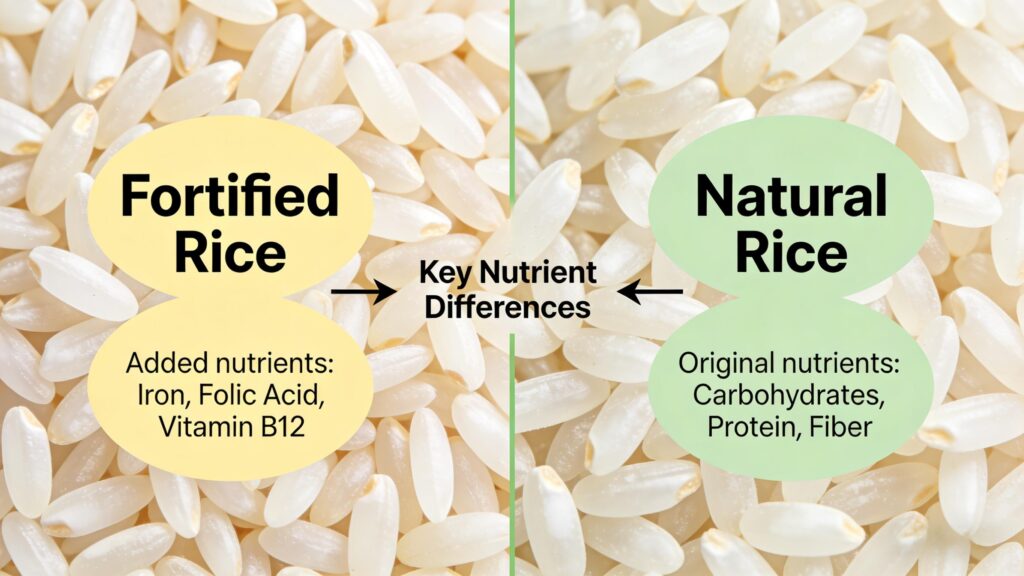
1. Understanding the Thermal Sensitivity of Fortificants
Before controlling temperature, producers must understand which nutrients are heat-labile (sensitive to heat) and which are heat-stable.
| Nutrient | Thermal Stability | Critical Temperature Threshold |
|---|---|---|
| Vitamin B12 | Low | Degrades above 70°C (158°F) |
| Folic Acid | Moderate | Significant loss above 80°C (176°F) |
| Vitamin A (retinol) | Low | Degrades above 60°C (140°F) |
| Vitamin C | Very Low | Degrades above 50°C (122°F) |
| Iron (elemental or encapsulated) | High | Stable up to 200°C (392°F) |
| Zinc oxide | High | Stable up to 200°C (392°F) |
Because many fortified rice products contain heat-sensitive vitamins (especially B12 and folic acid), temperature must be kept as low as feasible while still achieving the required functional effects (e.g., gelatinization, drying, or baking).
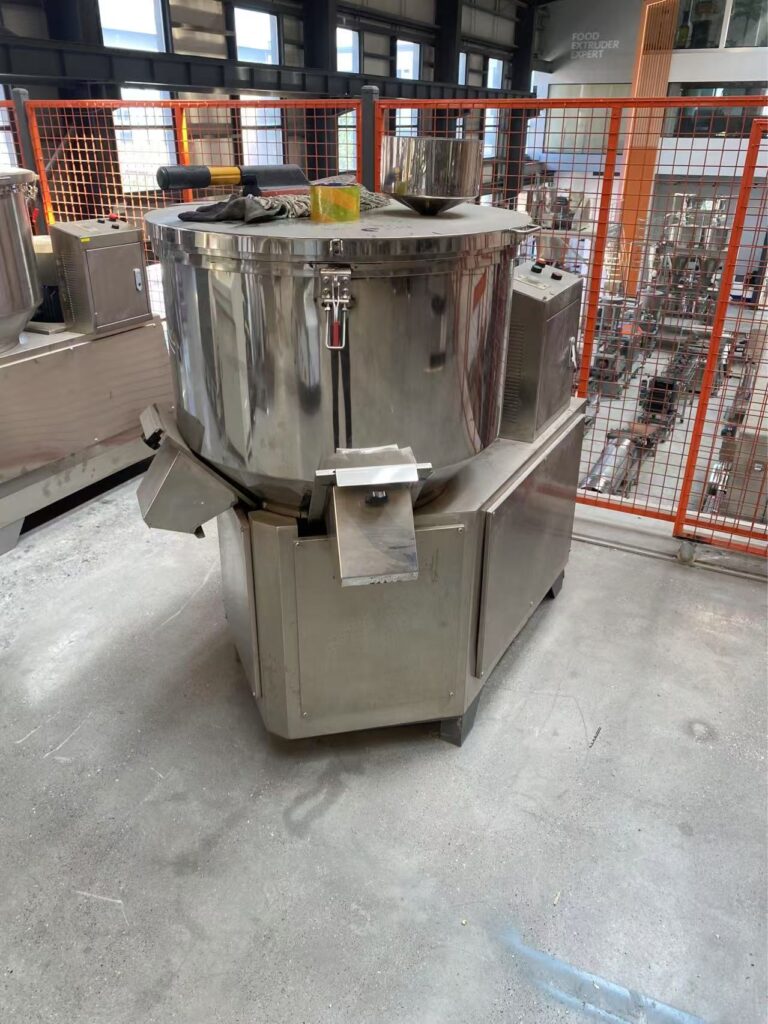
2. Temperature Control During Extrusion (Pre-baking stage)
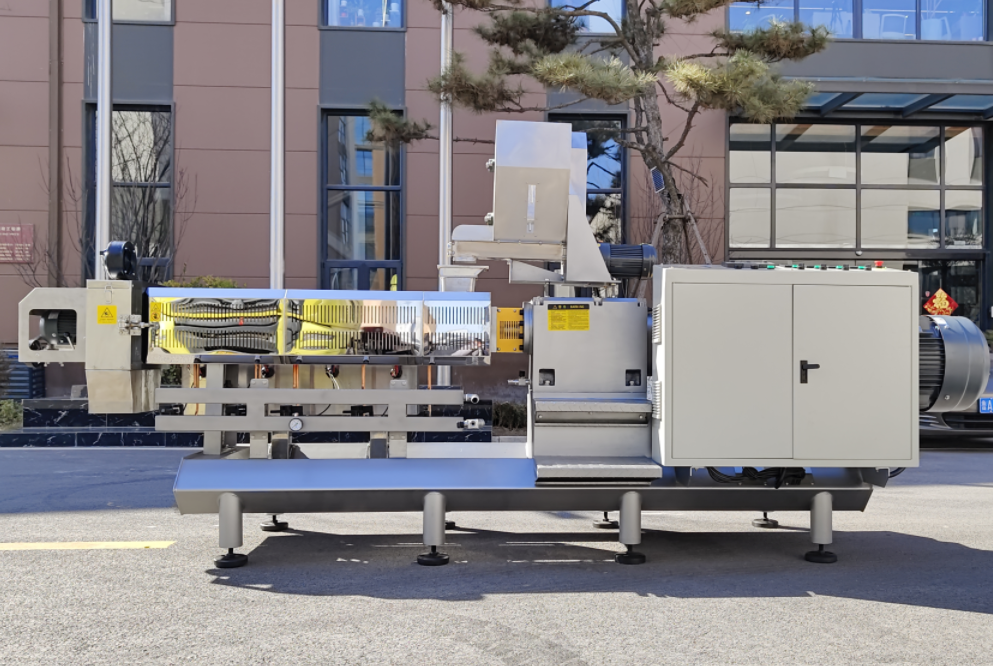
Extrusion is the most common method for producing artificial fortified rice kernels. Although not “baking” in the traditional sense, extrusion involves heat and pressure that can affect nutrients.
Optimal extrusion temperature range: 70–95°C (158–203°F)
- Below 70°C: Insufficient gelatinization of rice starch. Kernels remain chalky, hard, and do not cook properly.
- Above 95°C: Accelerated degradation of folic acid and vitamin B12. Vitamin A loss can exceed 30–40%.
Control strategies:
- Use low-shear, low-temperature extrusion equipment designed for heat-sensitive materials.
- Preheat the feed material to 35–40°C before entering the extruder to reduce thermal shock.
- Monitor barrel temperature using multiple thermocouples along the extruder zones. The last zone (die head) should be the coolest.
- If higher temperatures are unavoidable (e.g., for product texture), consider using encapsulated vitamins with heat-protective coatings.
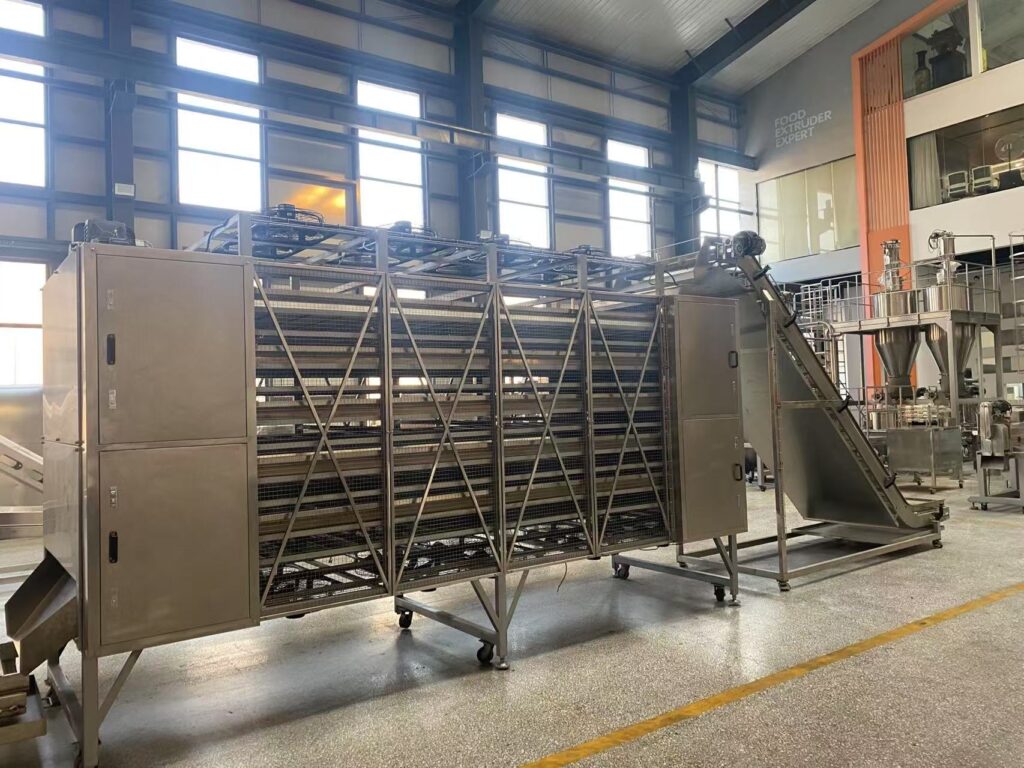
3. Temperature Control During Post-Extrusion Drying (The most critical baking-like step)
After extrusion, fortified rice kernels contain 30–40% moisture and must be dried to below 14% for safe storage. This drying step is often done in hot air ovens, fluidized bed dryers, or tray dryers — processes that resemble gentle baking.
Optimal drying temperature: 50–65°C (122–149°F)
- Below 50°C: Drying is too slow, allowing mold growth (especially if drying exceeds 6–8 hours). Energy costs also rise.
- Above 65°C: Rapid surface drying leads to case hardening (hard shell with wet interior), cracking, and nutrient loss. Vitamin B12 can degrade by 20–30% at 70°C for 2 hours.
Control strategies:
- Use a two-stage drying profile:
- Stage 1 (initial 30–60 min): 60–65°C to remove surface moisture quickly.
- Stage 2 (remaining 2–4 hours): 45–55°C to gently dry the interior.
- Maintain air velocity of 1.5–2.5 m/s to improve heat transfer without blowing kernels out of the tray.
- Ensure uniform bed depth (≤ 2 cm for tray dryers; 5–10 cm for fluidized beds) to avoid hot spots.
- Install humidity sensors; drying air should have relative humidity below 30% to be effective.
4. Temperature Control in True Baking Applications (Fortified rice snacks)
If the fortified rice is used to produce baked goods — such as fortified rice cookies, crackers, or puffed rice cakes — baking temperatures are higher but exposure times are shorter.
Typical baking conditions:
- Temperature: 160–200°C (320–392°F)
- Time: 5–15 minutes depending on product thickness
Challenges: These temperatures are well above the degradation point of heat-sensitive vitamins. Standard fortified rice kernels cannot survive such conditions without significant nutrient loss.
Control strategies:
- Post-baking fortification: Apply vitamin solutions as a spray or glaze after baking, then dry at low temperature (40–50°C).
- Use overage: Add 20–50% excess of heat-labile vitamins to compensate for predicted baking losses. This requires validation through lab testing.
- Thermal protection technologies:
- Lipid encapsulation: Coat vitamin particles with hydrogenated vegetable oil (melting point ~70°C) to delay release until after baking.
- Starch or maltodextrin matrices: Protect vitamins within a carbohydrate shell that degrades only at higher temperatures.
- Lower baking temperature, longer time: For thin products (e.g., rice crackers), bake at 140–150°C for 15–20 minutes instead of 180°C for 8 minutes. This reduces peak thermal shock.
5. Temperature Monitoring and Control Equipment
To achieve consistent temperature control, the following equipment is essential:
| Equipment | Purpose |
|---|---|
| Infrared thermometers | Non-contact surface temperature measurement of kernels during drying/baking |
| Multi-point thermocouple arrays | Monitor internal product temperature in ovens or dryers |
| Data loggers | Record temperature profiles for quality assurance and regulatory compliance |
| Proportional-Integral-Derivative (PID) controllers | Automatically adjust heating elements to maintain setpoint |
| Alarm systems | Alert operators if temperature exceeds safe limits (e.g., >70°C for vitamin B12 products) |
6. Validation and Quality Testing
Temperature control is meaningless without verification. Producers must:
- Perform nutrient retention tests: Measure vitamin levels before and after thermal processing using HPLC (for vitamins) or ICP-MS (for minerals). Acceptable retention is typically ≥85% for heat-sensitive vitamins.
- Conduct sensory evaluation: Baked fortified rice should not have burnt or off-flavors. High temperatures can cause Maillard browning, which is acceptable in snacks but not in plain fortified rice.
- Monitor physical properties: Cracked kernels indicate excessive drying temperature. Kernels that remain wet after baking suggest insufficient temperature or time.
7. Common Mistakes and Remedies
| Problem | Likely Cause | Remedy |
|---|---|---|
| Vitamin levels below specification | Baking/drying temperature too high or time too long | Reduce temperature by 5–10°C; shorten time; use encapsulated vitamins |
| Kernels stick together | Surface temperature too high, causing starch gelatinization | Lower oven temperature; increase air flow |
| Mold growth after packaging | Insufficient drying temperature (product >14% moisture) | Raise drying temperature to 60–65°C; extend drying time |
| Burnt or bitter taste | Hot spots or temperature overshoot | Calibrate thermocouples; install baffles to distribute heat evenly |
Заключение
Controlling temperature during the thermal processing of fortified rice — whether during drying, stabilization, or baking — is a delicate balance between achieving functional properties (drying, texture, food safety) and preserving heat-sensitive micronutrients. The key principles are:
- Stay low: Keep temperatures at or below 65°C for vitamin-rich plain fortified rice.
- Stay short: Minimize exposure time when higher temperatures are unavoidable (e.g., snack baking).
- Stay monitored: Use real-time sensors and data logging.
- Stay protected: Employ encapsulation technologies for high-temperature applications.
When these principles are followed, fortified rice can be safely processed without losing its nutritional purpose, delivering both physical quality and public health benefits. If you are interested in the fortified rice machinery, you can contact me , i will give you good advice and solutions .
1.Will you help us with the installation ?
Yes , We will send engineers to install and debug the equipment, and assist in training your staff.
2.Are you a factory or trading company?
We are a factory.
3.What certificate do you have?
We have ISO and CE certificate.
4.How long is the warranty period?
All of our machines have one year warranty.
5.What’s the main market of your company?
Our customers all over the world.
6.How much production capacity of your company one year?
This depends on your needs.
 Russian
  English
  Spanish
  Italian
  Arabic
  Portuguese
  German
  French
  Japanese
  Moroccan Arabic
  Persian
  Belarusian