
Revealing the Components of a Fish Feed Production Line
Fish feed plays a vital role in modern aquaculture. High-quality feed helps fish grow faster, stay healthy, and improves farming efficiency. Behind every bag of fish feed is a complex production process. A fish feed production line is made up of several machines and systems that work together to turn raw materials into finished feed pellets. Understanding the main components of this production line can help people better appreciate how fish feed is produced.
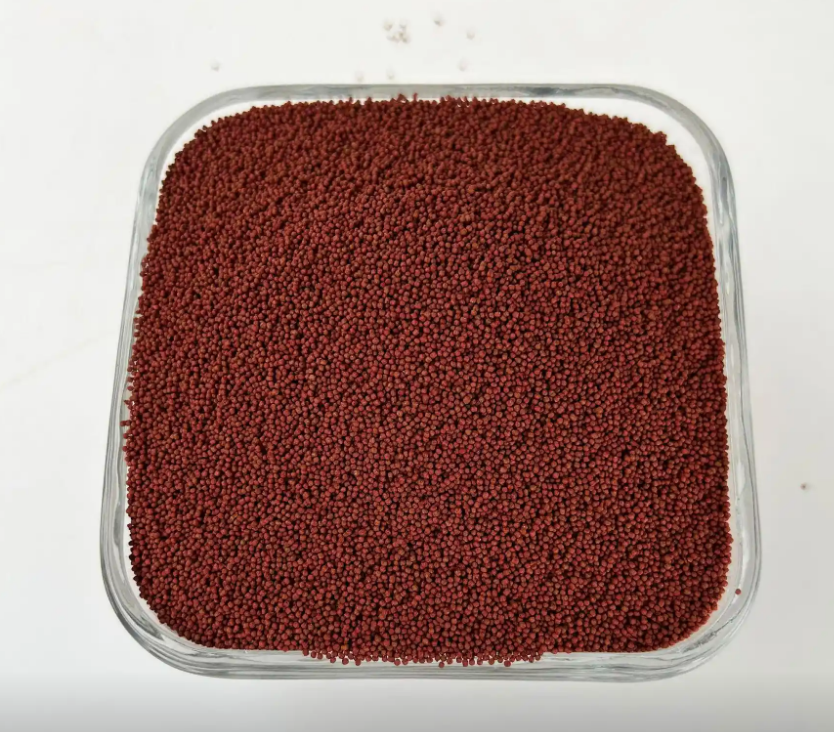
1. Raw Material Receiving and Storage System
The first part of a fish feed production line is the raw material receiving and storage system. Common raw materials include corn, soybean meal, fish meal, wheat bran, vitamins, and minerals. These ingredients are delivered to the factory and stored in silos or warehouses. Proper storage is important to keep the materials dry, fresh, and free from contamination.
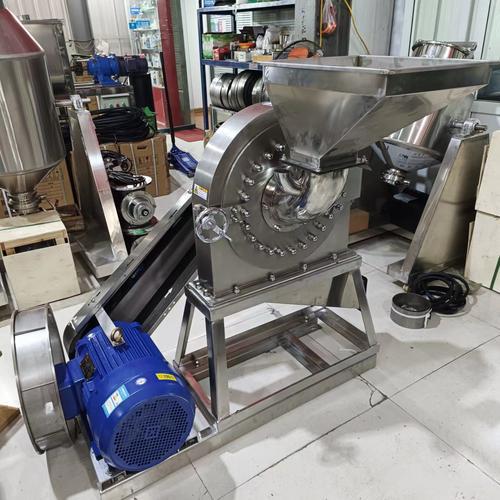
2. Grinding System
After the raw materials are prepared, they are sent to the grinding system. The main machine used in this stage is a hammer mill. Its purpose is to grind large particles into fine powder. Smaller particle size helps improve mixing uniformity and increases the digestibility of the feed for fish.
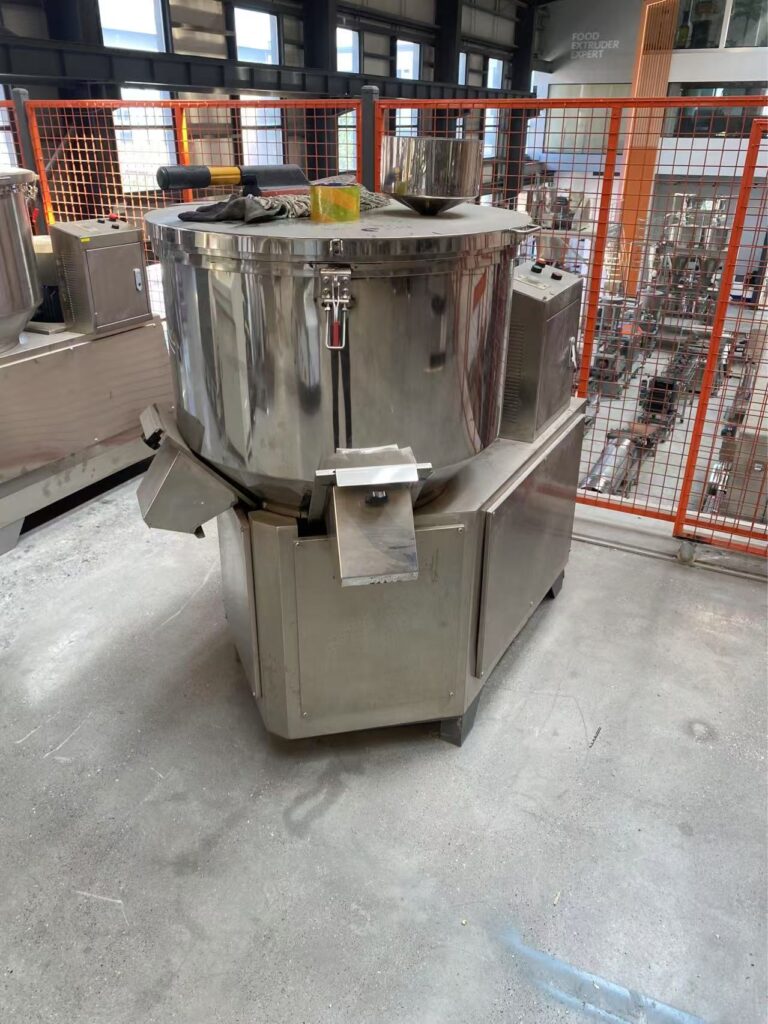
3. Mixing System
Once the materials are ground, they are transferred to the mixing system. In this stage, different ingredients are blended together according to a precise formula. A feed mixer ensures that vitamins, minerals, and other additives are evenly distributed throughout the mixture. Uniform mixing is essential to ensure that every pellet contains balanced nutrition.
4. Conditioning System
Before pelletizing or extrusion, the mixed feed often passes through a conditioner. In this stage, steam and sometimes water are added to the mixture. Conditioning helps soften the material, improves pellet quality, and enhances the digestibility of nutrients.
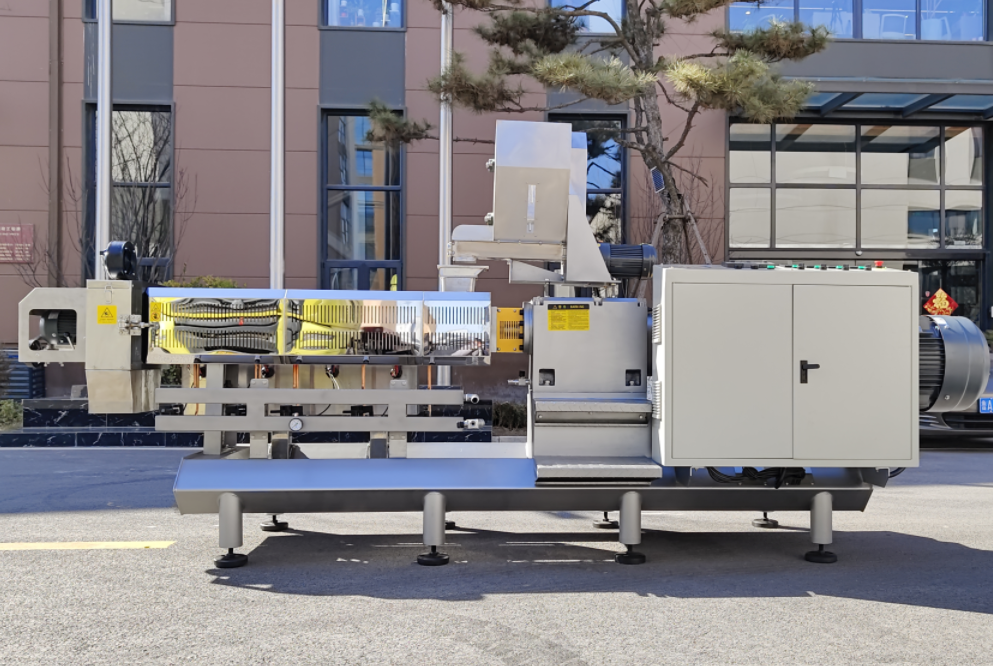
5. Pelletizing or Extrusion System
This is the core part of the fish feed production line. Depending on the type of feed being produced, manufacturers may use a pellet mill or an extruder. A pellet mill compresses the feed mixture through a die to form solid pellets, while an extruder uses high temperature and pressure to cook and shape the feed. Extrusion is commonly used for floating fish feed.
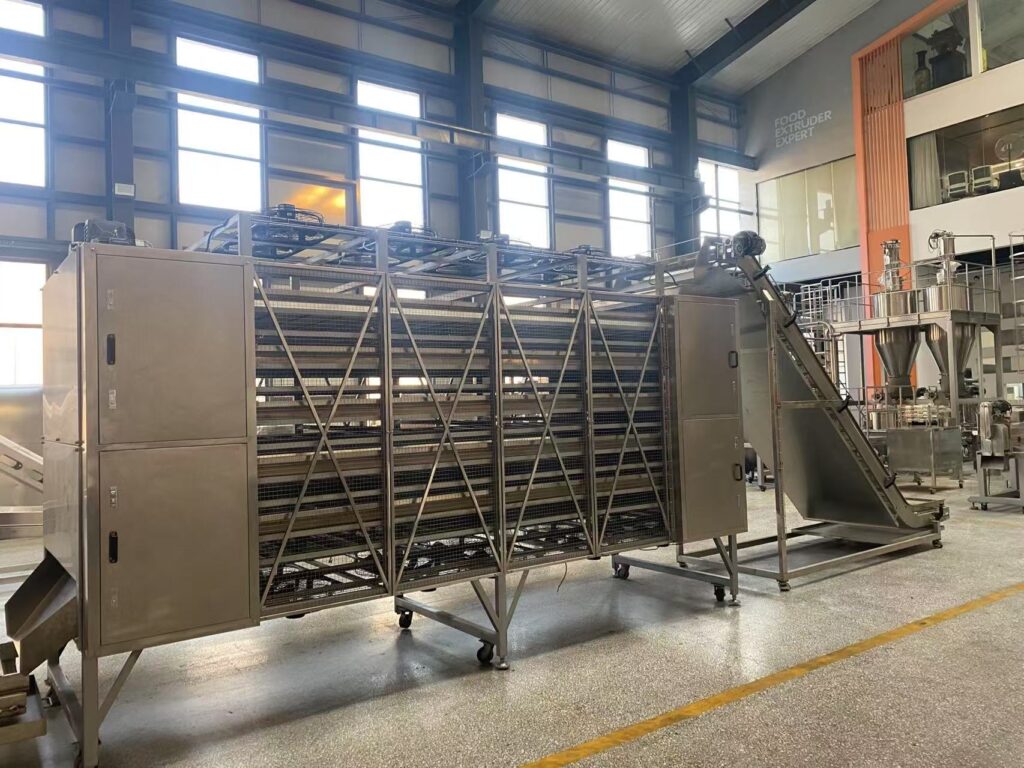
6. Drying and Cooling System
Freshly produced pellets usually contain high moisture and temperature. Therefore, they must go through a drying and cooling process. A dryer removes excess moisture, and a cooler lowers the pellet temperature. This step helps maintain pellet stability and prevents mold growth during storage.
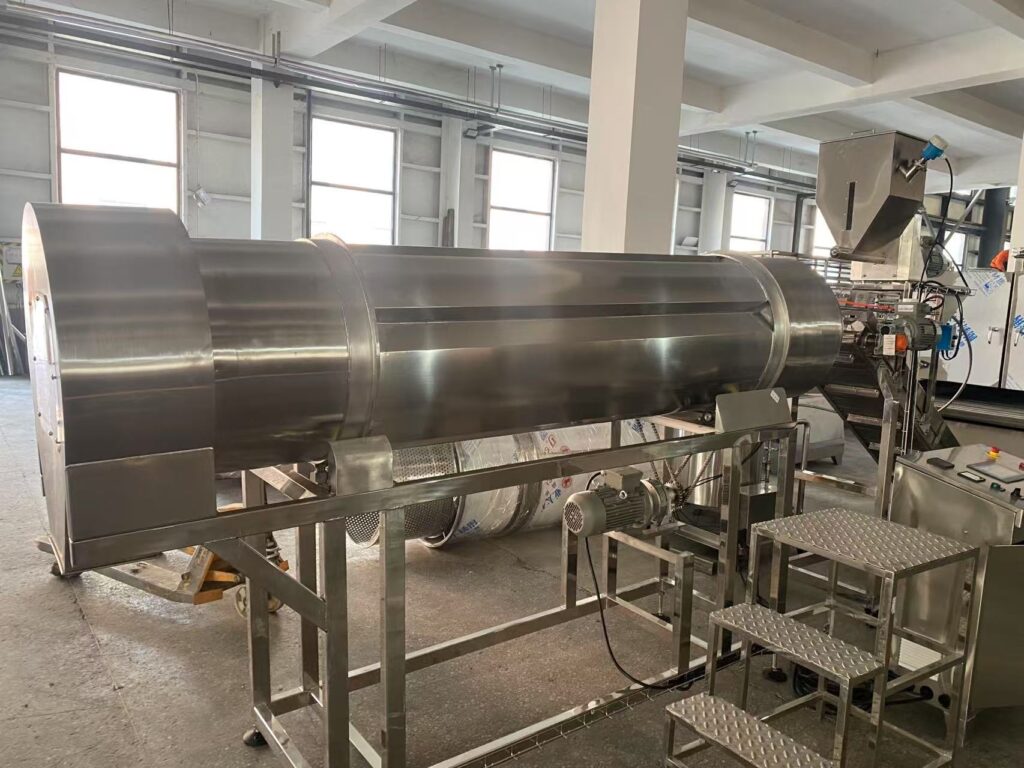
7. Coating System
In some fish feed production lines, pellets are coated with fish oil, vitamins, or other nutrients after drying. A coating machine evenly sprays these additives onto the pellets. This process improves the nutritional value and palatability of the feed.
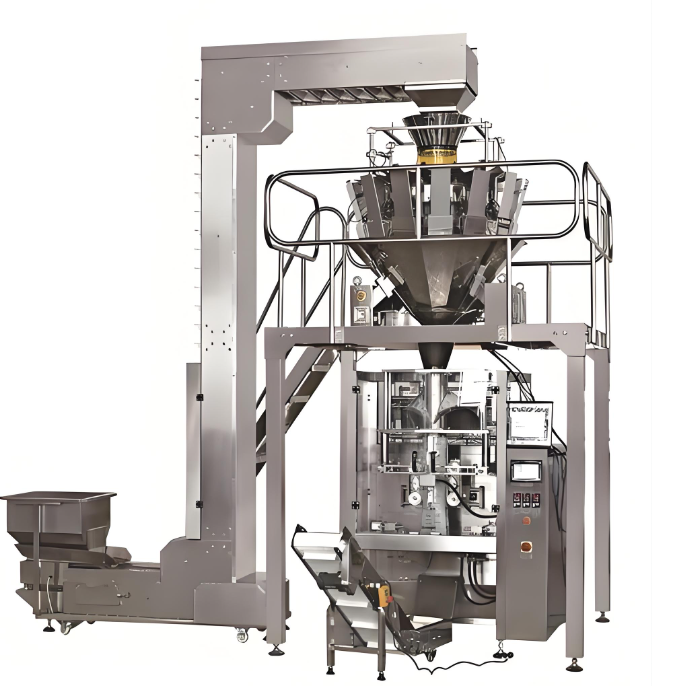
8. Screening and Packaging System
Finally, the pellets are screened to remove dust and broken particles. Qualified pellets are then sent to the packaging system. Automatic packaging machines weigh and pack the feed into bags for storage, transportation, and sale.
Заключение
A fish feed production line is a carefully designed system made up of multiple machines and processes. From raw material storage to grinding, mixing, pelletizing, drying, coating, and packaging, each stage plays an important role in ensuring high-quality fish feed. By understanding these components, we can better appreciate the technology and precision involved in modern fish feed manufacturing. If you are interested in the fish feed machine , you can contact me , i will give you good advice and solutions .
1.Will you help us with the installation ?
Yes , We will send engineers to install and debug the equipment, and assist in training your staff.
2.Are you a factory or trading company?
We are a factory.
3.What certificate do you have?
We have ISO and CE certificate.
4.How long is the warranty period?
All of our machines have one year warranty.
5.What’s the main market of your company?
Our customers all over the world.
6.How much production capacity of your company one year?
This depends on your needs.
 Russian
  English
  Spanish
  Italian
  Arabic
  Portuguese
  German
  French
  Japanese
  Moroccan Arabic
  Persian
  Belarusian