
Rice is a global dietary cornerstone. While natural (or conventional) rice has fed civilizations for millennia, fortified rice is a modern innovation designed to address public health challenges. fortified rice machinery Understanding their key differences is crucial for making informed dietary and policy choices.
1. Core Definition & Purpose
- Natural Rice: This is rice in its harvested, milled, and polished form. Its primary purpose is to serve as a source of energy, primarily from carbohydrates (starch). fortified rice machinery It provides some protein and minimal amounts of naturally occurring vitamins and minerals, mostly in the bran layer (which is removed in white rice).
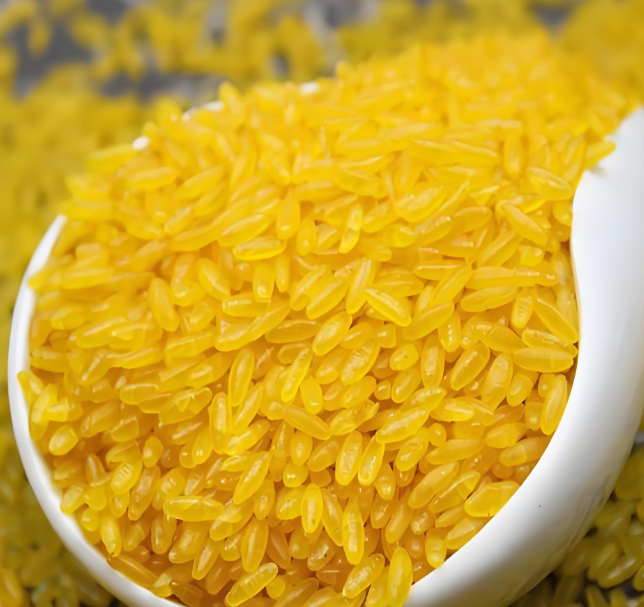
- Fortified Rice: This is natural rice that has been enhanced with essential micronutrients during processing. Its purpose is dual: to provide energy and to prevent or correct widespread nutrient deficiencies (like iron, folic acid, vitamin B12, and vitamin A deficiencies) in populations with limited dietary diversity.
2. Nutritional Content (The Most Critical Difference)
- Natural White Rice:
- High in: Carbohydrates, providing quick energy.
- Low in: Key micronutrients. The milling and polishing process removes the fat, bran, and germ, stripping away most of the iron, B vitamins, and fiber.
- Contains: Small amounts of protein, magnesium, and selenium, but not enough to meet daily requirements.
- Fortified Rice:
- Contains all the macronutrients of natural rice (same carbs, protein).
- Enriched with added vitamins and minerals. Common fortificants include:
- Железо: For preventing anemia.
- Folic Acid (Vitamin B9): Crucial for fetal development and cell growth.
- Vitamin B12: For nerve function and blood health.
- Витамин А: For vision and immunity.
- Zinc: For immune support and metabolism.
- The nutrients are added at levels designed to provide a significant portion of the daily recommended intake.
3. Physical Appearance & Sensory Properties
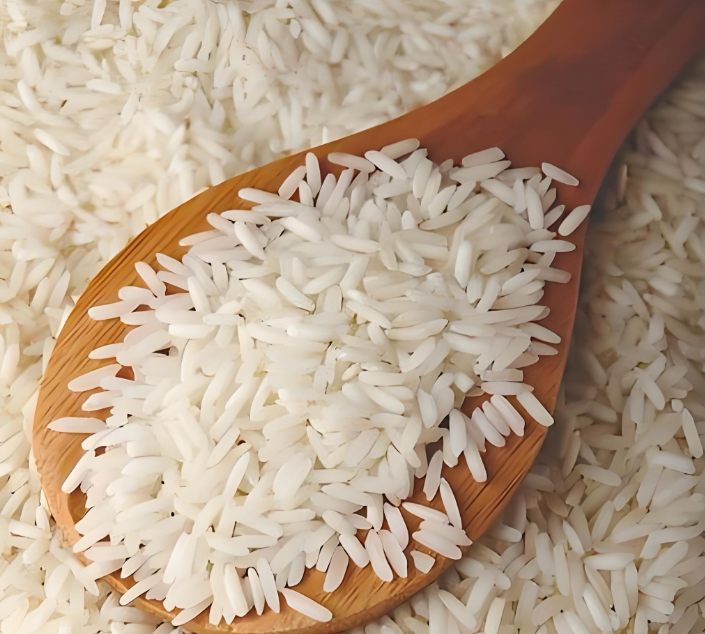
- Natural Rice: Uniform in color and texture. Its taste and aroma are neutral and familiar.
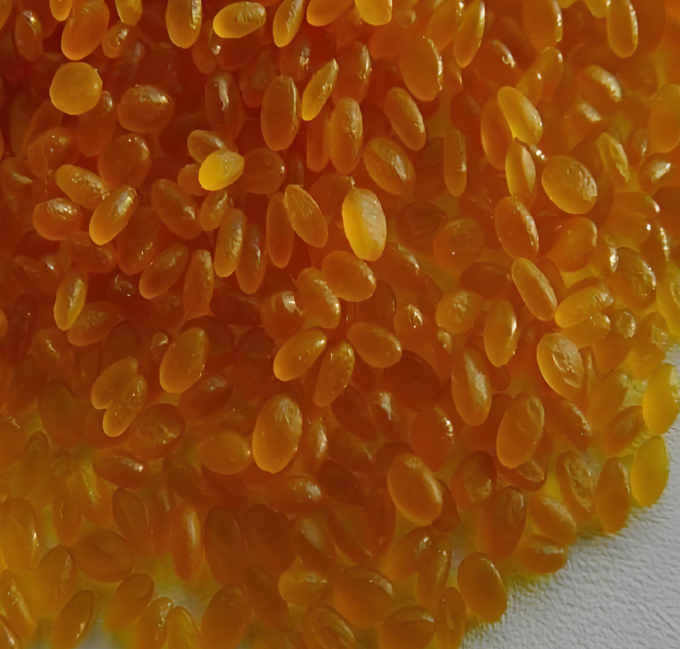
- Fortified Rice: Looks, tastes, and cooks almost identically to natural rice. fortified rice machinery The added nutrients are contained within “fortificant kernels”—small grains made from rice flour and vitamin/mineral powder that blend seamlessly with natural rice grains (typically at a 1:100 or 1:200 ratio). Consumers generally cannot detect a difference.
4. Production Process
- Natural Rice: Involves harvesting, drying, milling (removing husk and bran), and polishing. It is a relatively straightforward agricultural and mechanical process.
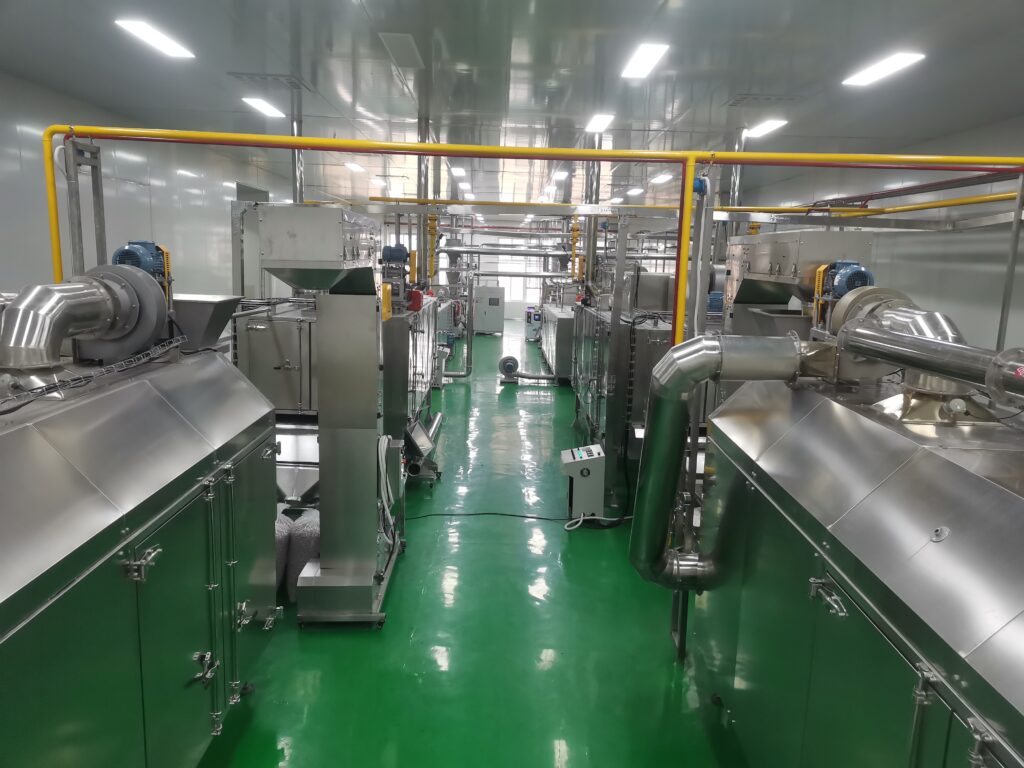
- Fortified Rice: Involves an additional, sophisticated industrial step:
- Production of Fortificant Kernels: Nutrients are mixed with rice flour and formed into grain-shaped pellets via a process called extrusion.
- Смешивание: These nutrient-dense kernels are meticulously mixed with natural rice in precise ratios.
5. Cost & Accessibility
- Natural Rice: Generally less expensive, as it undergoes fewer processing steps. It is widely available everywhere.
- Fortified Rice: Slightly higher in cost (estimated 1-5% more) due to the fortification technology and quality control. Its accessibility is often driven by public health programs, government mandates, or social safety nets (e.g., school feeding programs, subsidized food distribution) rather than regular retail markets.
6. Target Audience & Primary Benefit
- Natural Rice: A staple food for the general population, valued for its energy content, taste, and cultural significance.
- Fortified Rice: A public health tool primarily targeted at:
- Vulnerable groups (women of childbearing age, children, pregnant women).
- Populations with limited access to diverse, nutritious foods.
- Regions with high prevalence of specific micronutrient deficiencies.
Comparison Table at a Glance
| Feature | Natural Rice | Fortified Rice |
|---|---|---|
| Primary Role | Energy staple | Energy staple + Public health intervention |
| Key Nutrients | Carbohydrates, some protein | Carbs/protein + Added Iron, Folic Acid, B12, etc. |
| Appearance/Taste | Standard | Virtually identical |
| Production | Milling & polishing | Milling + Extrusion & blending of fortificant kernels |
| Cost | Lower | Slightly higher |
| Main Benefit | Provides calories | Prevents “hidden hunger” & deficiency diseases |
Conclusion: Complementary, Not Competitive
Natural rice and fortified rice are not in direct competition. Natural rice is the foundational food crop. Fortified rice is a smart, evidence-based adaptation of that crop, fortified rice machinery designed to solve a specific modern problem: micronutrient malnutrition in rice-dependent communities.
For individuals with a balanced, diverse diet, natural rice is sufficient. For billions at risk of “hidden hunger,” fortified rice offers a simple, effective, and culturally acceptable way to deliver life-changing nutrients without changing eating habits. The choice between them is less about personal preference and more about addressing nutritional needs at both an individual and population level.
 Russian
  English
  Spanish
  Italian
  Arabic
  Portuguese
  German
  French
  Japanese
  Moroccan Arabic
  Persian
  Belarusian