
“Flavoring” dog food is mostly about palatability—making a product smell and taste appealing enough that dogs will eat it consistently—while still meeting nutrition, safety, and shelf-life requirements. In manufacturing, dog food making machine price flavor is built through a mix of ingredients, processing, and post-cooking coatings, not just “seasoning” in a kitchen sense.
This article explains the main ways dog food is flavored, especially in dry kibble and treats.
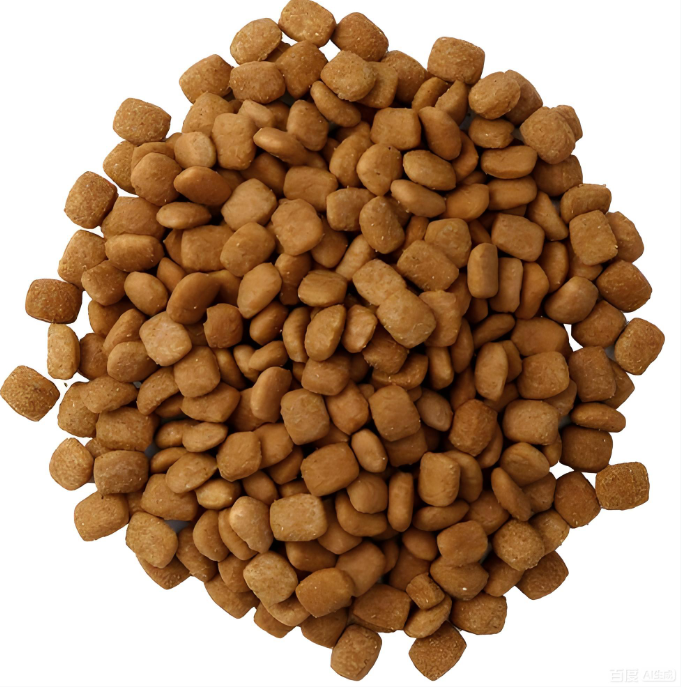
1) What “flavor” means for dogs
Dogs experience food differently from humans:
- smell drives acceptance more than taste
- fat carries aroma compounds and boosts “meaty” notes
- texture (crunch vs. chew) affects perceived palatability
So manufacturers focus heavily on aroma release, fat systems, and surface coatings.
2) Build baseline flavor in the core recipe
Before any coating, the formula itself contributes flavor through:
- animal proteins (meat meals, fish meals, organ ingredients where used)
- yeast products (umami-like notes)
- broths/stock powders (depending on product type)
- fat sources (poultry fat, beef tallow, fish oil)
However, high-heat processes (extrusion, baking, retorting) can reduce delicate aromas, which is why many products rely on post-process flavoring.
3) Post-process coating: the most common flavor step for kibble
For dry kibble, flavor is often applied after drying and cooling so aroma compounds aren’t destroyed by heat and moisture removal.
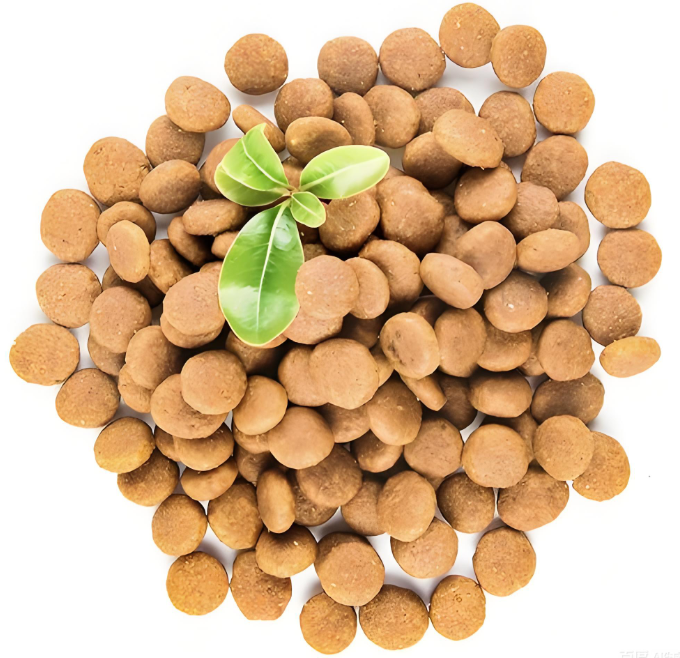
A) Fat coating
Kibble is tumbled in a coating drum while warm (or under vacuum in some systems) and sprayed with:
- poultry fat or beef fat
- fish oil (carefully controlled due to oxidation risk)
- blended fats designed for stability and palatability
Fat improves:
- aroma intensity
- mouthfeel
- calorie density
- adherence of powdered flavors
B) Palatants (digest / hydrolysates)
Many manufacturers add palatants, which may include:
- hydrolyzed animal proteins
- digests (industry term for concentrated animal-derived flavor materials)
- fermentation-derived flavor notes (e.g., yeast-based)
These can be applied as liquids or slurries, often in combination with fat.
C) Powdered flavor systems
Powders are commonly added after fat so they stick:
- liver powders
- yeast powders
- “gravy” style seasonings (pet-food specific)
- smoke-like or roasted notes (where permitted)
The key is uniform distribution so each kibble piece tastes similar.
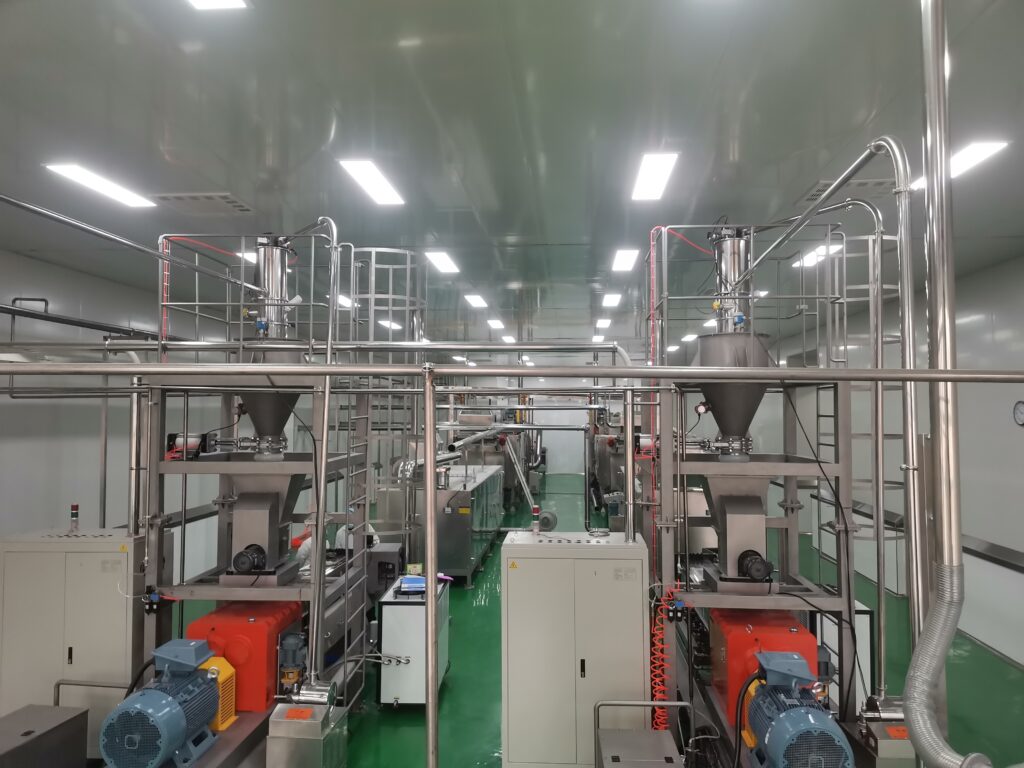
4) Flavoring baked biscuits and treats
For baked products, flavor can be added:
- in-dough (meat powders, cheese flavors, peanut butter notes, herbs)
- as a surface dusting after baking
- as an external coating (fat + seasoning), similar to kibble
Because biscuits don’t expand like extruded kibble, dog food making machine price they often hold detailed surface coatings well.
5) Flavoring semi-moist treats
Chewy treats often use a different strategy:
- humectants (to control water activity and keep softness)
- stronger meat/yeast flavors in the core
- glazes or coatings to enhance aroma
Since semi-moist products have higher moisture, controlling microbial stability is part of “flavor system” design.
6) Managing flavor stability (rancidity is the enemy)
The biggest long-term flavor risk in dog food is fat oxidation, which causes rancid odors and taste.
Common controls include:
- selecting stable fat blends
- using antioxidants (natural or approved synthetic options)
- minimizing exposure to heat, light, and oxygen
- using packaging with good oxygen barriers and strong seals
A product can be delicious on day one and rejected by pets later if oxidation isn’t controlled.
7) Consistency and testing: how manufacturers know flavor works
Plants typically validate flavor performance with:
- palatability trials (two-pan preference tests, intake tests)
- coating uniformity checks (oil pickup, powder distribution)
- sensory screening (odor panels)
- shelf-life studies (tracking oxidation markers and acceptance over time)
Flavoring isn’t only creative—it’s measured and controlled.
Заключение
Flavoring dog food is a structured process: build a workable base formula, then use post-drying coatings—typically fats plus palatants and powders—to create strong aroma, good taste, and consistent acceptance. The best flavor systems also consider stability, so the product remains appealing throughout its shelf life.
I
 Russian
  English
  Spanish
  Italian
  Arabic
  Portuguese
  German
  French
  Japanese
  Moroccan Arabic
  Persian
  Belarusian