
1. Raw Material Flexibility and Formulation
The heart of a successful snack line is its ability to adapt to ingredient costs and consumer trends.
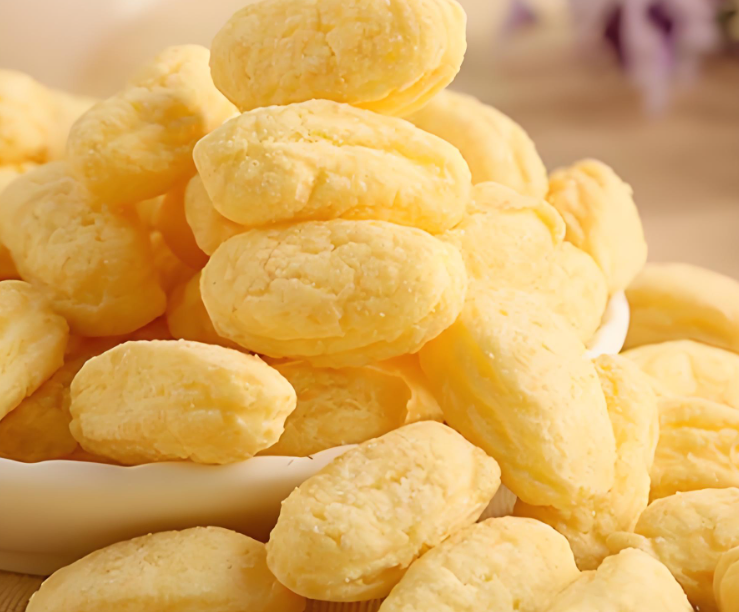
- Ingredient Sourcing: Consider whether the line can handle a variety of starches (corn, rice, potato, wheat) and proteins. If the price of corn spikes, can you switch to a rice-based blend without major hardware changes?
- Clean Label Trends: Modern consumers are scrutinizing ingredient lists. Ensure the equipment can handle “simple” inputs without requiring artificial binders or enhancers to maintain texture.
- Gluten-Free Capability: With the rise of gluten-free diets, verify that the line can be dedicated or thoroughly cleaned to prevent cross-contamination if you plan to enter this segment.
2. Extrusion Technology: Single vs. Twin Screw
This is the most critical mechanical decision.
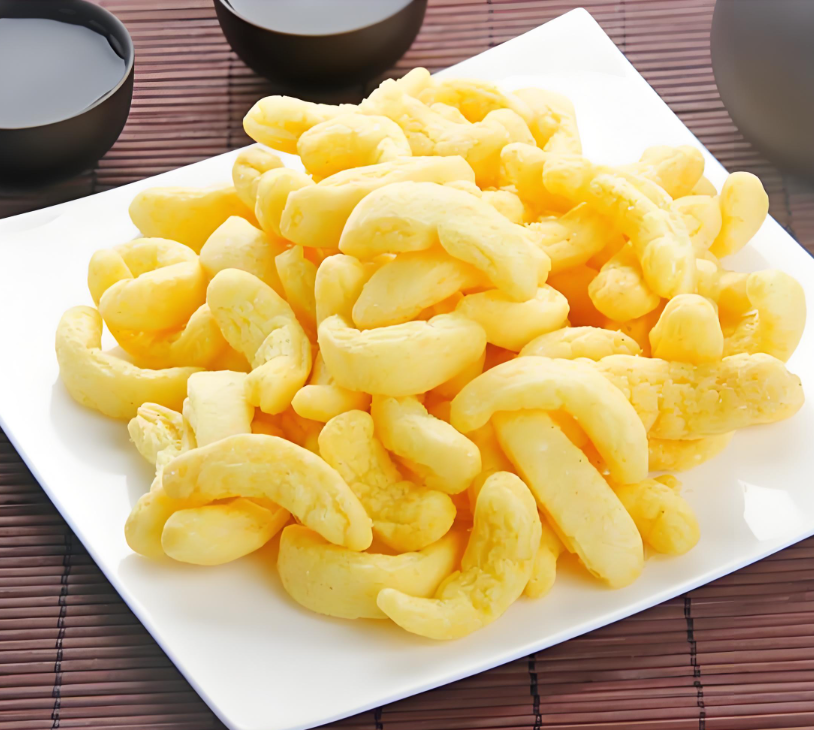
- Single Screw Extruders: These are generally more affordable and simpler to operate. They are ideal for basic expanded snacks where the raw material mix is consistent (e.g., plain corn curls).
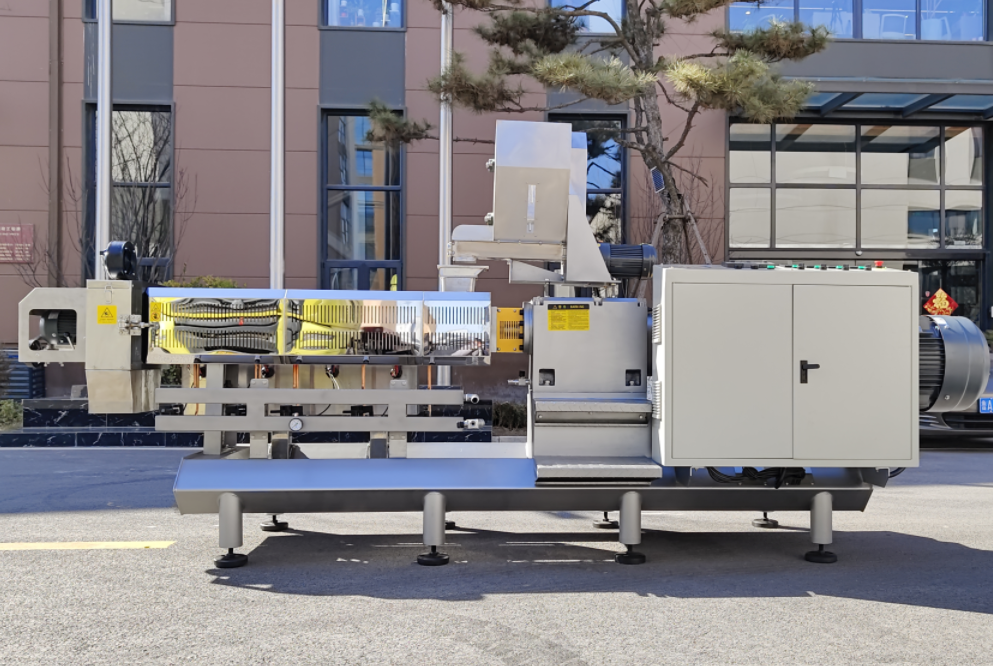
- Twin Screw Extruders: These offer greater control over shear, heat, and mixing. They are necessary for high-protein snacks (like those using legumes), complex shapes, and co-extruded products (filled snacks). They offer versatility but come with a higher price tag and more complex maintenance.
3. The Importance of the Drying System
Many investors focus on the exciting extrusion part but underestimate the drying phase.
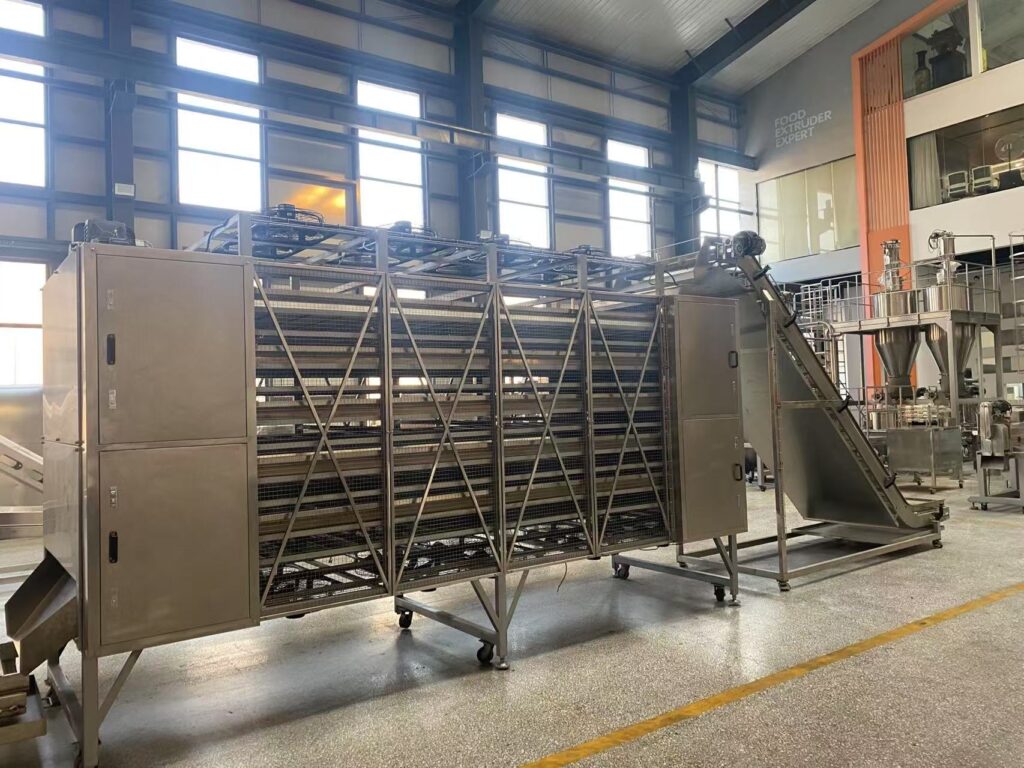
- Moisture Management: The product exiting the extruder has high moisture. The dryer must remove this efficiently to achieve the desired crunch and shelf stability.
- Energy Efficiency: Dryers are often the largest energy consumer in the line. Look for systems with heat recovery and multi-stage drying zones to control operational costs.
- Consistency: Uneven drying leads to product rejection. Ensure the airflow and belt speed provide uniform moisture removal.
4. Seasoning and Flavor Application
The base product is just a carrier for the flavor.
- Adhesion Systems: How does the line apply oil and seasoning? Continuous drum systems are standard, but you need to ensure they provide even coverage without creating “fines” (dust).
- Dedicated Flavor Zones: If you plan to run multiple flavors (e.g., cheese, chili, salt & vinegar), consider how difficult the line is to clean between batches to avoid flavor carryover.
5. Production Capacity and Scalability
- Realistic Output: Manufacturers often quote theoretical maximum outputs. Calculate your expected yield based on your specific recipes and shapes, which may run slower.
- Future Expansion: Is the line “modular”? Can you add another extruder to the existing dryer and seasoning system later, or will you need to buy a whole new line to increase capacity?
6. Utility Consumption (OpEx)
Operational expenses can make or break profitability. Request detailed data on:
- Power consumption (kW/h per ton of output)
- Water usage (for cooling and any preconditioning)
- Compressed air requirements
- Floor space (footprint affects facility costs)
7. Sanitary Design and Food Safety
A food safety scandal can destroy a brand overnight.
- Hygienic Design: Look for cantilevered screws (for easy cleaning), rounded corners, and surfaces that prevent product buildup (which can harbor pathogens like Salmonella).
- Material: Ensure contact parts are high-grade stainless steel (304 or 316) rather than mild steel, which can rust.
8. Automation and Skill Requirements
- Skill Level: Does your local labor market have the skills to run a sophisticated extrusion line? High automation (PLC controls with recipe memory) can reduce human error but requires technical staff for maintenance.
- Training: Ensure the supplier provides comprehensive on-site training. The best machine is useless if the operators don’t understand the thermodynamics of the extrusion process.
9. After-Sales Support and Spare Parts
- Lead Times: Where is the manufacturer located? If a screw or die breaks, how long will it take to get a replacement? A month of downtime can negate the savings from buying a cheaper machine.
- Local Representation: Is there a local agent or service engineer who can troubleshoot issues without expensive international flights?
10. Market Trends and Packaging Integration
- Sustainability: As governments crack down on plastics, consider how your packaging line integrates with the production line. Can your snack hold up in lighter-weight packaging materials?
- Niche Shapes: The commodity snack market is crowded. To command a premium price, you need unique shapes or textures. Ensure the die-face cutter and forming extruder can handle custom die designs.
Final Verdict
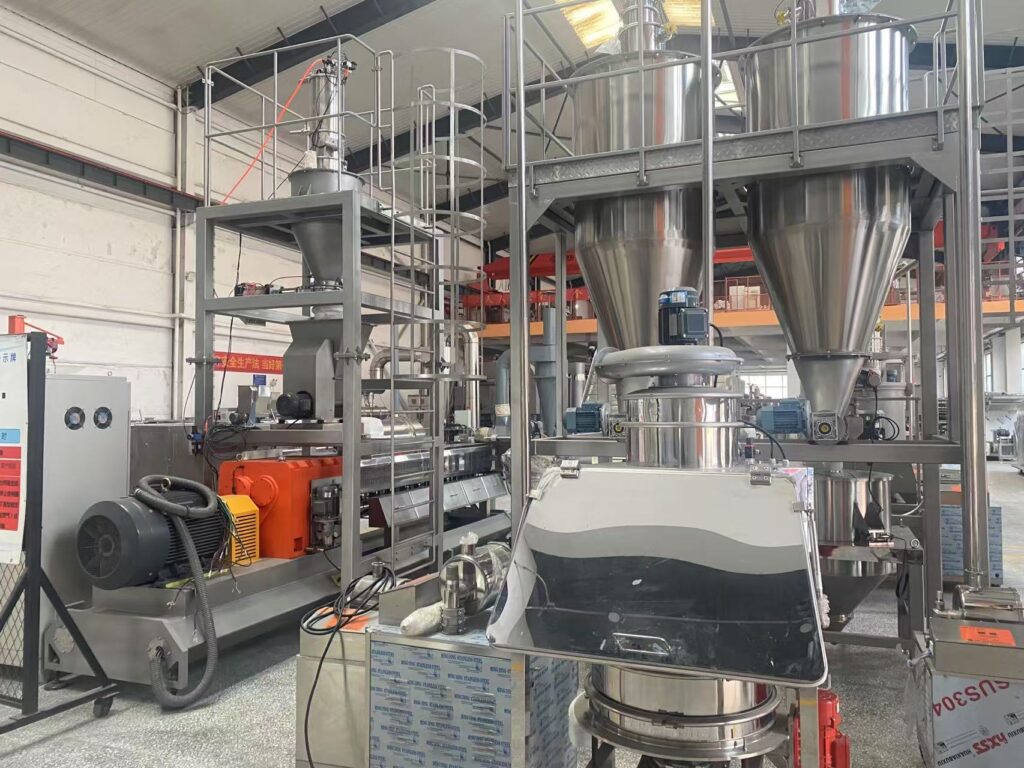
Investing in a puff snack line is not just about the extrusion machine; it is about investing in a system. The most successful investors are those who balance the upfront capital expenditure (CapEx) with the long-term operational expenditure (OpEx) and remain agile enough to switch recipes as consumer tastes evolve.
 Portuguese
  English
  Russian
  Spanish
  Italian
  Arabic
  German
  French
  Japanese
  Moroccan Arabic
  Persian
  Belarusian