
1. What “Textured Protein” Means
Textured protein (often called textured vegetable protein, TVP, when plant-based) is a protein-rich ingredient processed to form a fibrous or porous structure that mimics the bite of meat. soya chunk making machine It is commonly made from soy, pea, wheat (gluten), or other plant proteins. The texture is typically created through extrusion, followed by drying into granules, chunks, strips, or mince-like shapes.
Because it is shelf-stable, relatively neutral in flavor, and absorbs water and seasonings well, textured protein is used widely across the food industry.
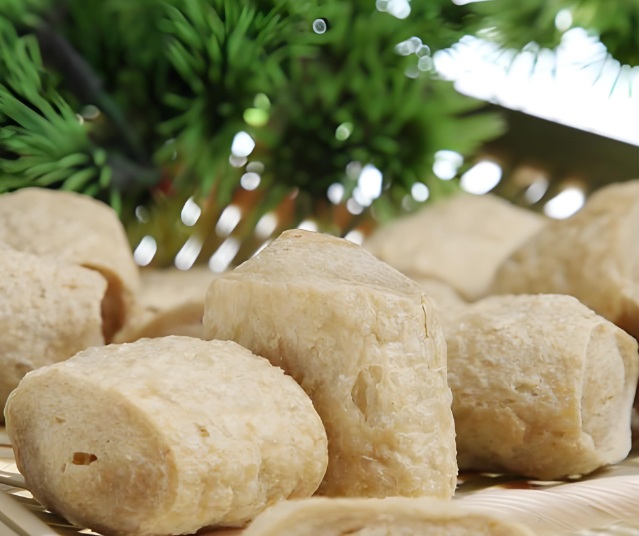
2. Core Uses in Food Products
A. Meat Alternatives (Plant-Based “Meat”)
Textured protein is a backbone ingredient in many meat-free products, including:
- Burgers, meatballs, and patties
- Plant-based mince for tacos, dumplings, and sauces
- Strips and chunks for stir-fries and ready meals
Its main role is to deliver chew, juiciness (when hydrated and formulated), and protein content.
B. Meat Extension (Blending with Animal Meat)
In some formulations, textured protein is mixed with meat to:
- Reduce cost while keeping a meat-like bite
- Improve water retention and yield
- Standardize texture across batches
This approach can appear in products like sausages, nuggets, meat pies, soya chunk making machine and minced-meat dishes (depending on local regulations and labeling rules).
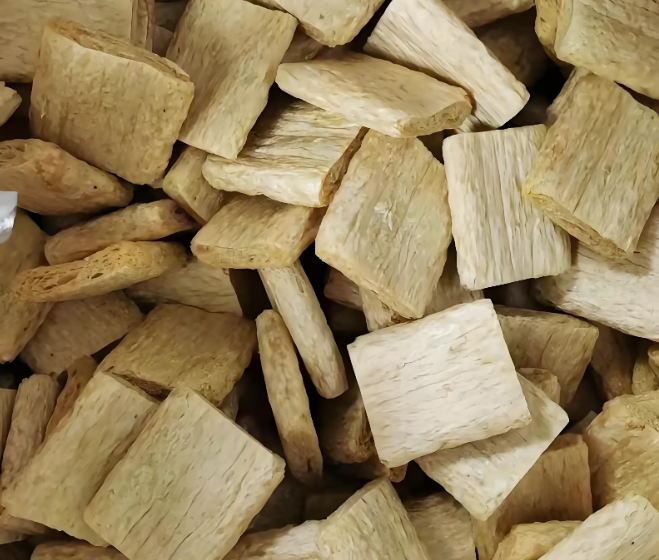
C. Ready-to-Eat and Convenience Foods
Textured protein is popular in industrial and foodservice settings because it is:
- Easy to store and transport (often dry)
- Fast to hydrate and cook
- Consistent in portioning
Common examples:
- Instant meal kits, canned meals, microwave bowls
- Frozen entrées and cafeteria-style dishes
D. High-Protein Snacks and Bars (Selected Formats)
Certain textured protein formats (crisps, bits, or small nuggets) are used in:
- Protein snack mixes
- Savory crunchy toppings
- Some nutrition bars (where texture and protein density are desired)
3. Functional and Technical Uses (Why Manufacturers Like It)
A. Texture Building and Structure
Textured protein provides bite and structure, especially in products that would otherwise be soft or pasty (e.g., plant-based fillings).
B. Water and Fat Binding
Many textured proteins help:
- Absorb and hold water during cooking
- Retain fats and flavors
- Reduce cooking loss and improve juiciness
This improves eating quality and can enhance production efficiency.
C. Flavor Delivery
After hydration, textured protein acts like a sponge for:
- Marinades, spices, sauces, smoke flavors
- Umami systems (yeast extract, hydrolyzed vegetable proteins, etc.)
This makes it useful in strongly seasoned cuisines.
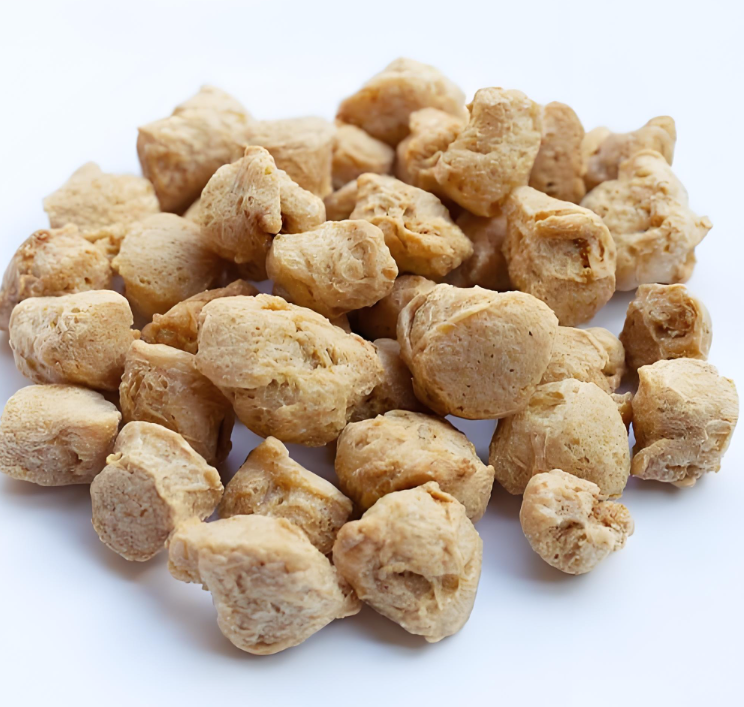
4. Nutrition and Fortification Applications
Depending on the source and formulation, textured protein can support:
- Higher protein intake in diets with limited animal foods
- Lower saturated fat alternatives compared with some meat products
- Fortification strategies (adding iron, B vitamins, zinc, or fiber in complete foods)
That said, nutritional outcomes depend heavily on overall recipe, not the textured protein alone.
5. Humanitarian, Institutional, and Emergency Food Uses
Because many textured proteins are dry, lightweight, affordable, and shelf-stable, soya chunk making machine they are used in:
- School feeding programs
- Military and institutional kitchens
- Disaster relief food packs and long-life rations
They can be transported efficiently and rehydrated with minimal equipment.
6. Culinary Uses at Home and in Foodservice
In kitchens, textured protein is valued for versatility:
- Rehydrated and used like minced meat in sauces, dumplings, or stuffed foods
- Formed into patties or balls with binders and seasonings
- Used as a topping (seasoned crumbles) for salads, noodles, or rice bowls
It is especially practical in vegetarian cooking because it readily takes on the flavor profile of the dish.
7. Limitations and Considerations
Textured protein is useful, but a complete evaluation should consider:
- Allergen risks (soy and wheat are common allergens)
- Processing level (often highly processed due to extrusion and flavoring systems)
- Sodium and additives in finished products
- Digestibility and tolerance (varies by individual and protein source)
Textured protein is used to create meat-like texture in plant-based foods, soya chunk making machine extend or modify the texture of meat products, and provide protein-rich, shelf-stable ingredients for convenience foods and institutional feeding. Its success comes from a combination of structure, water-binding functionality, and flavor absorption, making it one of the most versatile modern food ingredients.
 Portuguese
  English
  Russian
  Spanish
  Italian
  Arabic
  German
  French
  Japanese
  Moroccan Arabic
  Persian
  Belarusian