
The twin-screw extruder is often described as a “continuous reactor” or a “chemical processor” due to its remarkable ability to transform a vast array of raw materials into finished products with precise and consistent properties . Its core strength lies in its modular design, which allows operators to configure the machine for specific tasks by adjusting screw geometry, temperature profiles, and processing conditions . This versatility makes it an indispensable tool across numerous industries. Here is a comprehensive look at the wide world of products made possible by twin-screw extrusion technology.
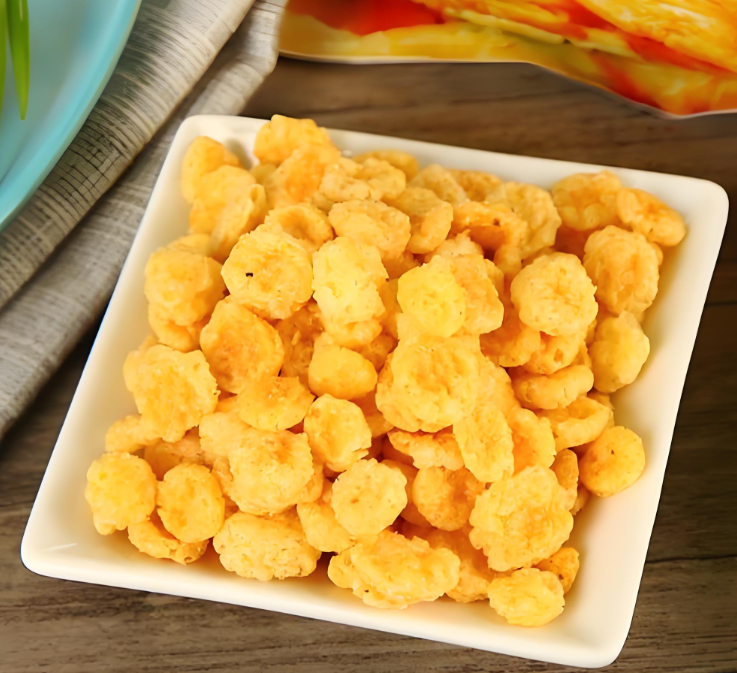
1. Food and Feed Products
The food and feed industry is one of the largest adopters of twin-screw extrusion technology. The process, often called “extrusion cooking,” uses heat, pressure, and shear to cook, shape, and texturize ingredients in a short time .
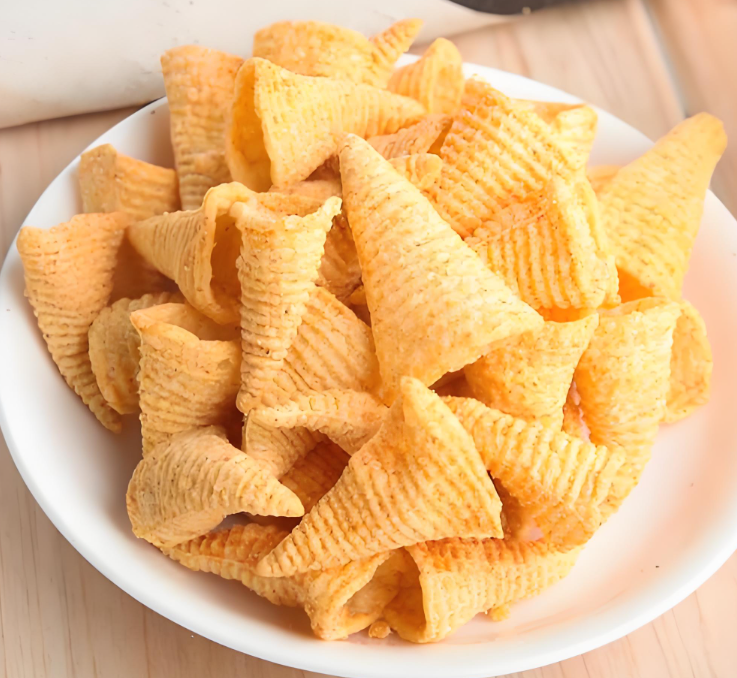
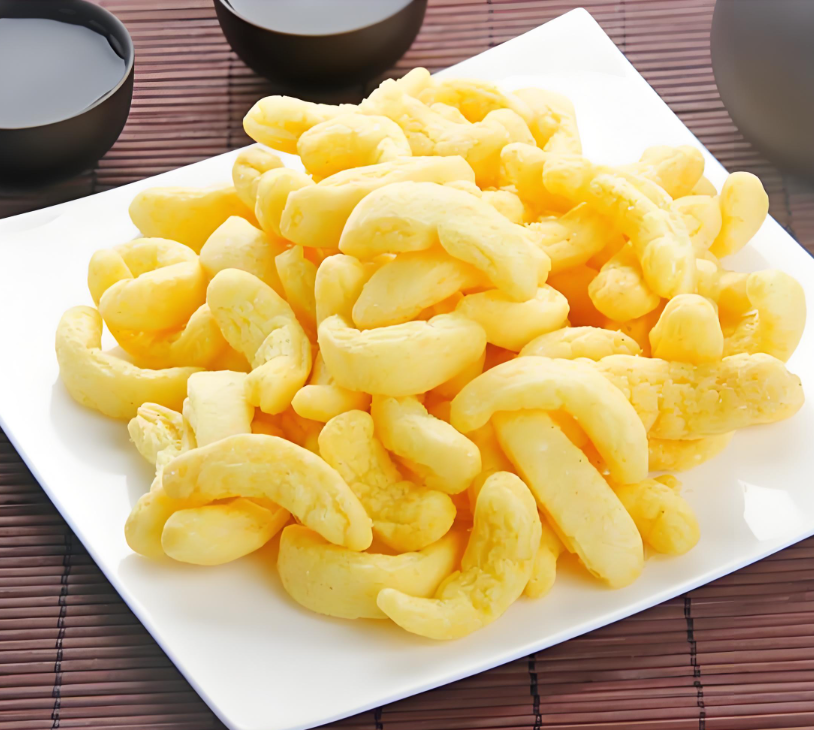
- Breakfast Cereals and Snacks: This is perhaps the most familiar application. From corn flakes and puffed rice cereals to cheese balls, shaped snacks, and whole grain products, the extruder cooks the dough and forms it into specific shapes as it exits the die .
- Texturized Vegetable Protein (TVP): One of the most significant applications is the creation of meat analogs. Using defatted protein sources like soy, pea, or wheat gluten, the extruder aligns and texturizes the protein to create a fibrous, meat-like structure. This is the foundation for plant-based burgers, chicken substitutes, and meat crumbles .
- Aquafeed and Pet Food: The extrusion process is ideal for producing floating or sinking fish feed and kibble for pets. It cooks starches, neutralizes anti-nutritional factors, and creates a dense, water-stable pellet that delivers essential nutrients .
- Specialty Ingredients: The extruder is also used to produce modified starches and flours, encapsulated flavors, and functional food ingredients that act as thickeners or stabilizers .
- Pasta and Noodles: While sometimes made with simpler presses, twin-screw extruders can produce a wide range of pasta shapes and noodle types with precise texture control.
2. Plastic and Polymer Products
In the plastics industry, the twin-screw extruder is the workhorse for compounding and pelletizing, transforming raw polymer powders and additives into consistent, ready-to-use plastic pellets.
- Compounding and Masterbatch: This is a primary use. The extruder perfectly mixes base polymers (like PP, PE, ABS, or PA) with a high concentration of additives to create “masterbatches.”
- Color Masterbatch: It disperses pigments evenly to create concentrated color pellets for coloring plastics in subsequent processes like injection molding or film blowing .
- Functional Masterbatch: It incorporates additives to give plastic specific properties, such as flame retardants, UV stabilizers, anti-static agents, or anti-fogging agents .
- Filled and Reinforced Compounds: The extruder is highly effective at mixing fillers and reinforcements into plastics. Common examples include:
- Adding calcium carbonate (CaCO₃) or talc to polypropylene (PP) or polyethylene (PE) to increase stiffness and reduce cost .
- Compounding glass fibers or carbon fibers into engineering plastics like polyamide (PA, Nylon), Polybutylene Terephthalate (PBT), or Polyetheretherketone (PEEK) to create high-strength materials for automotive and aerospace applications .
- Recycling and Alloying: Twin-screw extruders can process recycled plastic flake, removing contaminants and volatiles through vacuum venting to produce high-quality recycled resin . They are also used to create plastic alloys, such as blending ABS with polycarbonate (PC) to combine the best properties of each material .
- Sheet and Profile Extrusion: Specialized twin-screw extruders can directly produce finished products like plastic sheets (for thermoforming) or pipes, using the machine’s high vacuum venting to remove moisture without the need for pre-drying certain materials like PET .
3. Chemical and Advanced Material Products
Beyond food and plastics, the precision and control of twin-screw extruders make them ideal for producing sophisticated chemical and material products.
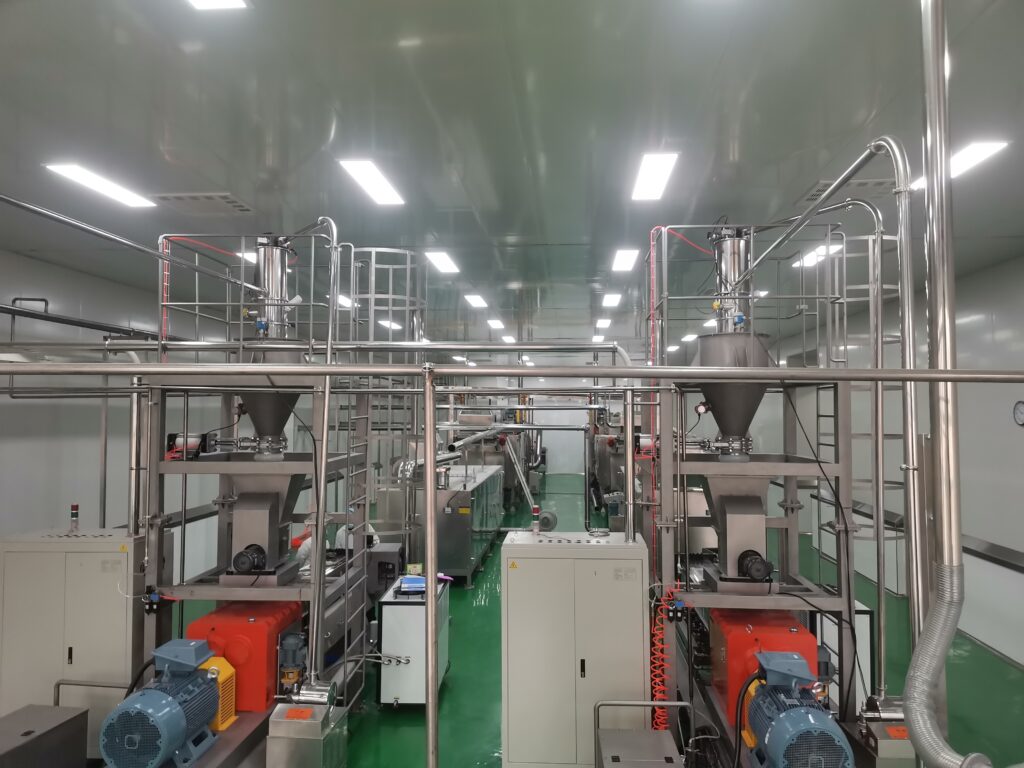
- Pharmaceuticals: In the pharmaceutical industry, twin-screw extrusion is used for a process called “hot-melt extrusion.” It disperses active pharmaceutical ingredients (APIs) into a polymer matrix to create solid dispersions, which can improve the solubility and bioavailability of poorly soluble drugs .
- Fine Chemicals and Catalysts: The machine’s excellent mixing capabilities are used to produce catalyst pastes, solid fuel formulations, and other specialty chemical compounds where uniform dispersion is critical .
- Powder Coatings: The extruder is a key piece of equipment in manufacturing powder coatings. It melts and homogenizes the resin, curing agents, pigments, and flow additives, which are then cooled and ground into a fine powder for electrostatic spraying .
- Biopolymers: With the rise of sustainable materials, twin-screw extruders are used to process bioplastics like Polylactic Acid (PLA) and Polyhydroxyalkanoates (PHA), as well as to compound starch-based biodegradable materials .
In summary, the twin-screw extruder is a marvel of engineering flexibility. Whether it’s creating the crispy texture of a breakfast cereal, the fibrous bite of a plant-based burger, the vibrant color of a plastic toy, the high strength of a carbon-fiber-reinforced car part, or a life-saving pharmaceutical formulation, this single piece of technology is fundamental to modern manufacturing across a breathtaking spectrum of products.
 Portuguese
  English
  Russian
  Spanish
  Italian
  Arabic
  German
  French
  Japanese
  Moroccan Arabic
  Persian
  Belarusian