
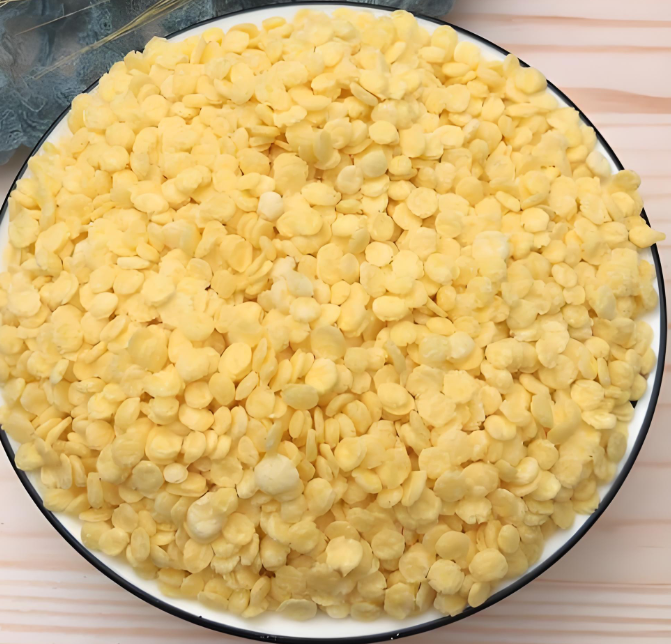
For decades, the breakfast cereal aisle, dominated by iconic cornflake boxes, represented a pinnacle of food marketing and habitual consumption. how corn flakes are made However, the market’s once-sturdy foundation is now facing unprecedented erosion. A clear-eyed analysis reveals a sector navigating a complex transition, where legacy strengths are challenged by powerful, enduring consumer trends.
The Legacy Strengths Under Pressure
Traditionally, the cereal market thrived on:
- Ubiquity & Habit: Deep-rooted morning routines and unparalleled shelf presence.
- Brand Power: Iconic characters and multi-generational nostalgia.
- Convenience: The ultimate fast food—just add milk.
- Fortification: A powerful “healthy” narrative built on added vitamins and minerals.
Today, each of these pillars is being critically re-examined.

The Primary Headwinds Reshaping the Market
1. The Health & Wellness Revolution (The Core Challenge):
Modern consumers, armed with information, are scrutinizing nutrition labels. how corn flakes are made The core critique is undeniable: many leading cornflake and cereal products are high in added sugars and refined carbohydrates, and low in protein and fiber. This clashes directly with prevailing dietary trends favoring high-protein, high-fiber, and low-sugar diets (e.g., keto, mindful eating). The “fortification” argument is losing ground to a preference for intrinsic, whole-food nutrition.
2. The Rise of Competitive Breakfast Alternatives:
The breakfast occasion is no longer a captive market. Cereal faces fierce competition from:
- Greek yogurt & Skyr: High-protein, probiotic-rich, and versatile.
- Egg-based products & breakfast sandwiches: Perceived as more satiating and “real.”
- Overnight oats & chia puddings: Customizable, whole-grain, and prepared ahead.
- Smoothies & nutrition bars: Ultimate on-the-go convenience without a bowl.
3. Changing Demographics and Lifestyles:
- Smaller Households & Aging Populations: Bulk cereal boxes are less practical.
- On-the-Go Culture: The sit-down bowl of cereal is often bypassed for portable options.
- Culinary Exploration: Globalized palates seek savory (e.g., avocado toast) or varied breakfast experiences beyond sweetened grains.
4. Sustainability & Ingredient Scrutiny:
Consumers increasingly seek products with clean labels (simple, recognizable ingredients), non-GMO credentials, how corn flakes are made and environmentally responsible sourcing. Large-scale cereal production is often associated with intensive agriculture and processing, creating a perception gap with these values.

Market Response & Strategic Pivots
The industry is not standing still. Adaptation strategies include:
1. Portfolio Diversification & Reformulation:
- Sugar Reduction: Major brands are publicly committing to cutting sugar content.
- “Better-for-You” Sub-brands: Investing in lines featuring whole grains, added protein, gluten-free recipes, and clusters with nuts and seeds.
- Acquisition of Alternative Brands: Purchasing startups in granola, muesli, and hot cereal segments to capture health-conscious consumers.
2. Marketing & Messaging Overhaul:
- Shifting from “Fun” to “Fuel”: Emphasizing energy, whole grains, and simple ingredients over cartoon mascots.
- Portability: Introducing cup-sized, single-serve formats with or without included milk.
- Occasion Expansion: Marketing cereal as a snack, dessert topping, or yogurt mix-in to drive usage beyond breakfast.
3. Operational & Sustainability Initiatives:
Investing in sustainable sourcing, reducing packaging, how corn flakes are made and making transparency pledges to address ethical consumer concerns.

Future Outlook: A Fragmented and Premiumized Landscape
The market will not disappear but will continue to stratify and contract in its traditional form.
- Value Segment: Basic cornflakes and sugary cereals will likely remain as low-cost, habitual options, but face persistent volume decline.
- Premium & Wellness Segment: This is the growth arena. Success will belong to brands that authentically deliver on high fiber, low sugar, protein content, organic ingredients, and innovative textures (e.g., baked, ancient grains). The product must justify its place in a crowded wellness pantry.
- Niche & Direct-to-Consumer (DTC): Small brands leveraging agile innovation, compelling stories (keto, paleo, upcycled ingredients), and DTC subscription models will capture dedicated, high-value consumers.
The breakfast cereal market’s future hinges on its ability to move beyond defensive reformulation and nostalgic marketing. The path forward requires a fundamental reinvention of the product’s value proposition to align with contemporary definitions of health, convenience, and sustainability. The era of dominance by sugary, highly processed flakes in a giant box is over. The new landscape will be defined by nutritional density, ingredient integrity, and occasion flexibility. Companies that successfully transition from being purveyors of nostalgic morning carbs to providers of legitimate, convenient nutrition will secure their place in the bowl of the future. Those that cannot will inevitably become relics of a bygone breakfast table.
 Portuguese
  English
  Russian
  Spanish
  Italian
  Arabic
  German
  French
  Japanese
  Moroccan Arabic
  Persian
  Belarusian