
The global food landscape is undergoing a profound transformation. Driven by concerns for personal health, animal welfare, and the mounting evidence of animal agriculture’s environmental impact, consumers are increasingly turning to plant-based options . What was once a niche market for vegetarians has exploded into a mainstream movement, with plant-based proteins at its very core . These versatile ingredients, derived from sources like soy, peas, legumes, and even leafy greens, are no longer just about replacing meat. They are being engineered to perform a vast array of functions across the food, pharmaceutical, and materials industries.
This article explores the multifaceted applications of plant-based proteins, showcasing their journey from simple substitutes to sophisticated, functional ingredients that are reshaping how we eat and produce goods.
1. The Core Application: Meat and Seafood Alternatives
The most visible application of plant-based proteins is in the creation of meat and seafood analogues. The goal here is to replicate the sensory experience of eating animal products—the taste, texture, and juiciness.

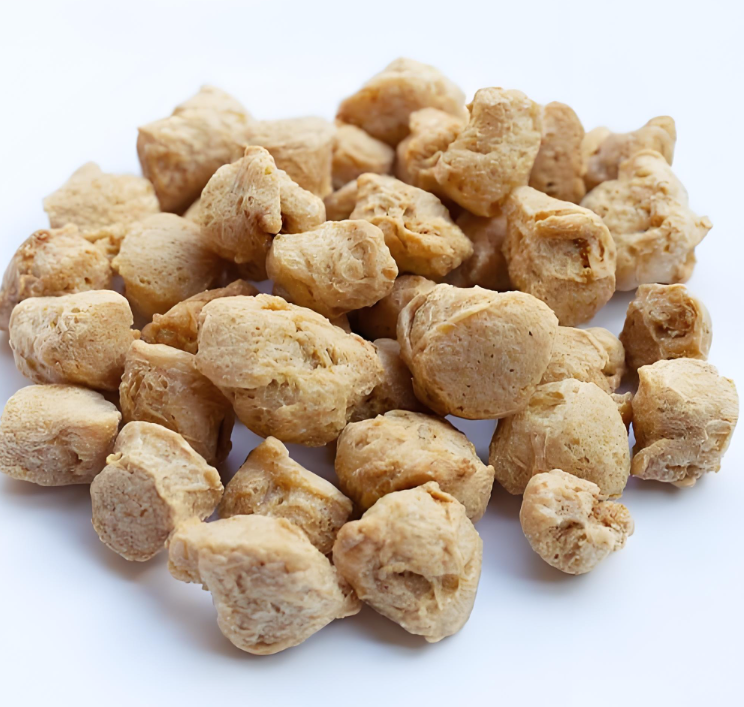
- Texturized Proteins: The foundation of many burgers, nuggets, and minces is texturized vegetable protein (TVP) , often made from soy or wheat gluten (seitan). Through processes like extrusion, these proteins are transformed into a fibrous, chewy matrix that mimics the mouthfeel of meat . For instance, seitan, derived from wheat gluten, is particularly prized for its dense, meaty texture, making it ideal for dishes like plant-based Philly cheesesteaks or stews .
- Whole-Food Alternatives: Beyond highly processed mimics, many whole foods serve as excellent, minimally processed meat alternatives. Jackfruit, with its ability to absorb bold sauces, has become a popular pulled “pork” substitute in tacos and BBQ sandwiches . Mushrooms and eggplant (aubergine) , when grilled or roasted, develop a deep umami flavor and a satisfying, “meaty” bite .
- Seafood Analogues: Innovation has also reached the sea. Plant-based alternatives to tuna, salmon, and even shrimp are being developed, often using legumes, algae, and other plant proteins to replicate the flaky texture and briny flavor of fish . Surprisingly, even carrots, when marinated correctly, can be transformed into a convincing analogue for salmon lox or hot dogs .
2. Beyond the Main Course: Dairy, Beverages, and Functional Foods
The influence of plant proteins extends far beyond the main dish, penetrating nearly every aisle of the grocery store.

- Plant-Based Dairy: The rise of milk alternatives from soy, oats, almonds, and peas is well-documented. However, the application goes further. Plant proteins are crucial for creating stable and creamy yogurts, cheeses, and ice creams that don’t separate . They provide the body and texture that consumers expect from dairy products.
- Protein Fortification and Beverages: Plant protein isolates and concentrates are increasingly added to a wide range of products to boost their nutritional profile. You can now find plant-protein-fortified breads, pastas, cereals, and snacks . In the beverage sector, they are essential for creating stable, ready-to-drink protein shakes and sports recovery drinks, where the protein acts as an emulsifier to prevent the oil and water from separating .
- Functional Foods and Nutraceuticals: Beyond basic nutrition, plant proteins are a source of bioactive peptides. Through processes like enzymatic hydrolysis, these protein fragments can exhibit antioxidant, anti-inflammatory, and even antimicrobial properties . This opens up possibilities for creating functional foods that offer specific health benefits, such as lowering cholesterol or reducing the risk of type 2 diabetes .
3. The Science of Texture: Emulsification, Foaming, and Gelation
The versatility of plant proteins is rooted in their techno-functional properties—their ability to stabilize, thicken, and texturize food products .

- Emulsification: Plant proteins are amphiphilic, meaning they have both water-loving and oil-loving parts. This allows them to act as natural emulsifiers, creating stable mixtures of oil and water. This is critical not only in beverages and plant-based creams but also in products like sauces, dressings, and mayonnaise . Modified proteins, such as heat-treated lupin protein, have shown up to a 25% increase in emulsifying activity .
- Foaming and Gelation: The ability of proteins to form and stabilize foams is essential for products like mousses, whipped toppings, and certain baked goods. Their gelation properties—forming a semi-solid network—are what give structure to plant-based cheeses, yogurts, and meat analogues . Researchers are continuously studying these properties in proteins from sources like peas, lentils, and fava beans to optimize their performance in various applications .
4. Novel and Unexpected Applications: From Pharma to Packaging
The utility of plant proteins is now being explored far beyond the kitchen, entering the realms of high-tech industry and medicine.

- Pharmaceuticals and Cosmetics: Due to their biocompatibility and biodegradability, plant proteins are being investigated for use in drug delivery systems. They can be used to create micro- or nanoparticles that encapsulate and protect sensitive compounds, releasing them at targeted sites in the body . In cosmetics, their film-forming and moisturizing properties make them valuable ingredients in anti-aging creams, lotions, and other sustainable formulations .
- Biodegradable Packaging and Edible Films: One of the most exciting developments is the use of plant proteins to create sustainable packaging materials. Protein isolates can be processed into edible films or coatings that protect food from spoilage, extending shelf life . These films can also act as carriers for antimicrobial agents, offering an active packaging solution that reduces food waste . This application holds immense potential for replacing petroleum-based plastics.
- Aquaculture and Animal Feed: Plant proteins are also playing a crucial role in creating a more sustainable food system for animals. Leaf protein concentrates (LPCs) derived from green biomass (like agricultural waste) are being explored as a sustainable, low-cost protein source for aquaculture feed, reducing the industry’s reliance on wild-caught fish for fishmeal .
Conclusion

The application of plant-based proteins has evolved from a simple act of substitution to a field of sophisticated scientific innovation. They are the building blocks of a new food system, offering solutions that range from creating delicious, juicy burgers without the cow to developing life-saving drug delivery systems and biodegradable plastics that can help heal the planet. As extraction technologies improve and our understanding of protein functionality deepens, the potential applications for these versatile, sustainable ingredients will only continue to expand, solidifying their role as a cornerstone of a more sustainable and healthy future .
 Portuguese
  English
  Russian
  Spanish
  Italian
  Arabic
  German
  French
  Japanese
  Moroccan Arabic
  Persian
  Belarusian