
Introduction
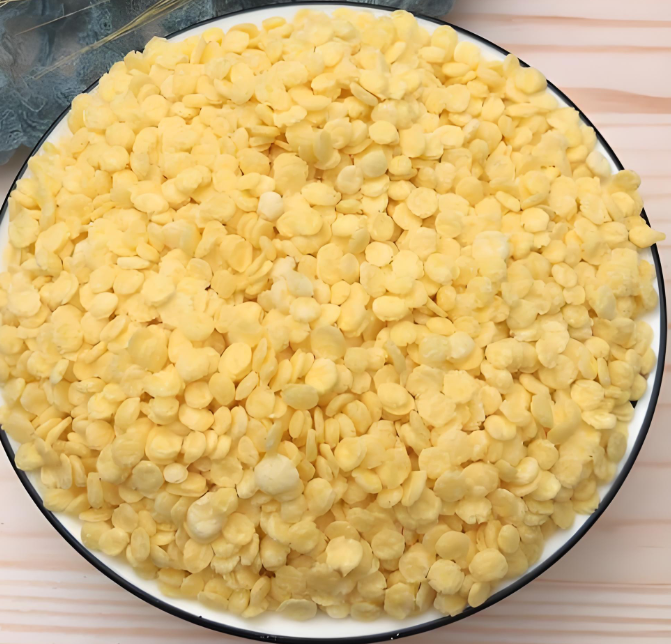
Corn flake toasting, more accurately described as a high-heat drying and thermal transformation process, is the defining stage where malleable, moist flakes acquire their signature golden hue, crisp texture, and complex flavor. This controlled application of heat converts a bland, dough-based intermediate product into the palatable, shelf-stable breakfast cereal recognized worldwide. The process balances physical chemistry with precision engineering.
Process Objectives and Transformation Goals
The toasting stage is designed to achieve multiple simultaneous outcomes:
- Moisture Reduction: Lower moisture content from 20-30% post-flaking to a final 1-3%, ensuring microbial stability and crispness.
- Texture Development: Create a rigid, glassy structure via starch gelatinization and protein denaturation, resulting in the characteristic “crunch.”
- Color Formation: Initiate Maillard browning reactions and caramelization to produce the desirable golden-brown color.
- Flavor Generation: Develop the nutty, toasted flavor profile through pyrolysis and chemical interactions between sugars and amino acids.
- Structural Fixation: Permanently set the flake’s shape and density, determining its “bowl life” (resistance to sogginess in milk).
Core Process Technology: Multi-Zone Conveyor Toasting Ovens
Industrial toasting is predominantly conducted in gas-fired or electric multi-pass conveyor ovens.
- Oven Design: Flakes travel on a series of perforated stainless-steel belts through an insulated tunnel. Hot air is forced vertically through the product bed via powerful fans and plenum chambers.
- Zonal Control: The oven is divided into 3-5 independently controlled temperature and airflow zones, allowing a precise thermal profile:
- Zone 1 (High-Temperature Dehydration): Temperatures of 300-340°F (149-171°C) rapidly remove surface moisture. High air velocity prevents case-hardening.
- Zone 2 (Falling-Rate Drying & Initial Browning): Temperatures of 280-310°F (138-154°C) facilitate internal moisture migration to the surface. Maillard reactions begin.
- Zone 3 (Finishing / Color/Flavor Development): Temperatures of 250-280°F (121-138°C) complete drying, achieve target color, and develop final flavor notes. Starch dextrinization occurs at the flake surface.
- Residence Time: Total toasting time typically ranges from 2.5 to 5 minutes, meticulously controlled by conveyor speed.
The Underlying Science of Thermal Transformation
- Starch Transformation:
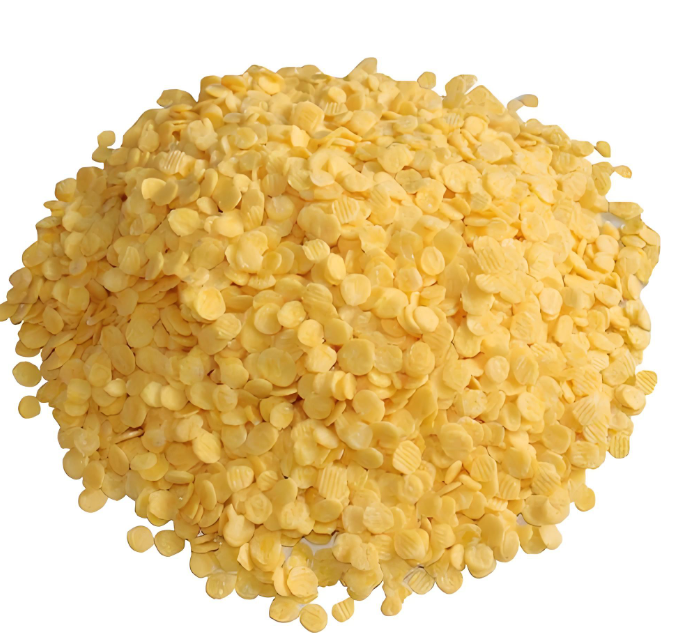
- Residual moisture within the flake turns to steam, further expanding and setting the porous internal structure.
- The starch-protein matrix undergoes a glass transition, changing from a rubbery to a brittle, glassy state. This transition, occurring at a specific temperature range for the given moisture content, is what “locks in” the crisp texture.
- Key Chemical Reactions:
- Maillard Reaction: The primary driver of color and flavor. Occurs between reducing sugars (from added malt or syrup) and amino acids (from corn proteins) at temperatures above 285°F (140°C). Produces melanoidins (pigments) and complex volatile compounds like pyrazines and furans.
- Caramelization: The thermal decomposition of sugars at temperatures above 320°F (160°C), contributing additional color and buttery, sweet notes.
- Dextrinization: The partial thermal breakdown of starch molecules on the flake’s surface into dextrins, creating a thin, glossy coating that slightly delays milk penetration.
Critical Process Control Parameters
Precision control is paramount for consistent quality. Key monitored parameters include:
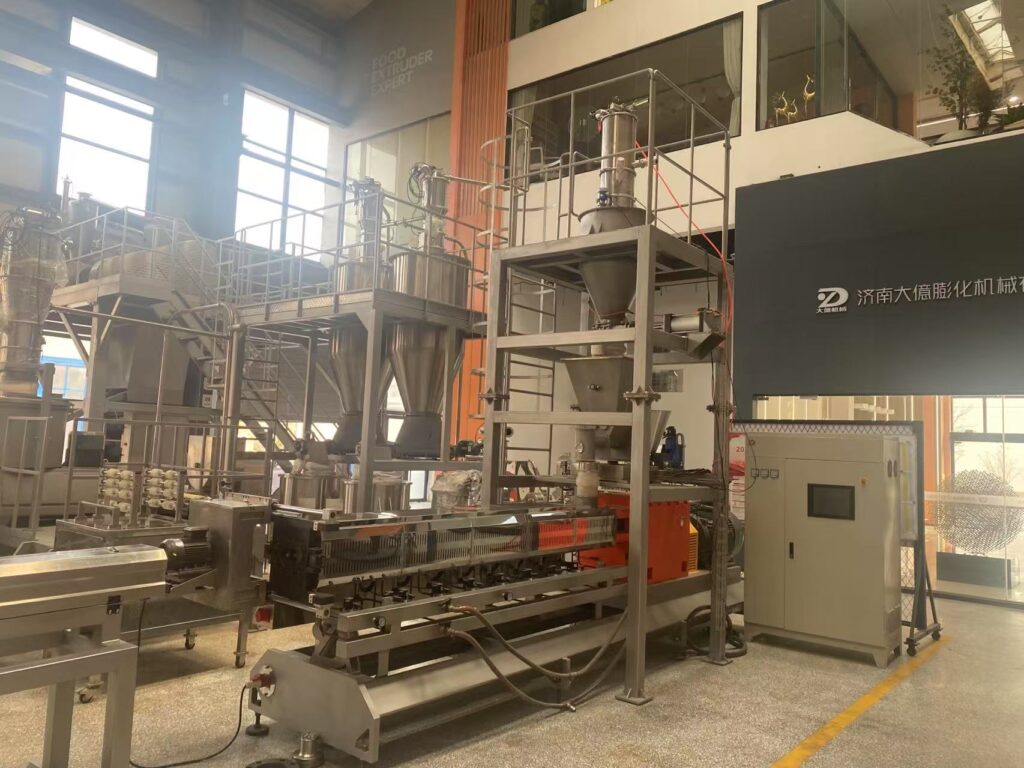
- Temperature Profile: Each zone’s temperature must be exact to control reaction kinetics.
- Air Velocity and Humidity: Dry air (low dew point) maximizes drying efficiency. Exhaust air relative humidity is monitored for process control.
- Product Bed Depth: Maintained uniformly (typically 1-2 inches) to ensure even airflow and heat transfer.
- Real-Time Monitoring: Advanced ovens use Near-Infrared (NIR) sensors to track moisture and color in-line, allowing for automatic feedback adjustments.
Quality Attributes and Measurement
The success of the toasting process is judged by several key metrics:
- Moisture Content: The ultimate determinant of crispness and shelf-life. Measured via loss-on-drying tests or NIR.
- Water Activity (a_w): Must be below 0.3 to prevent microbial growth and texture loss.
- Color: Measured objectively by colorimeters (using L, a, b* scales) against a gold standard.
- Bowl Life: A critical consumer metric. Tested by submerging flakes in milk and recording the time to sensory-defined “sogginess.”
- Breakage/Snappiness: Physical texture tests ensure structural integrity.
Energy and Efficiency Considerations
Toasting is energy-intensive. Modern systems incorporate:
- Heat Recovery: Exhaust air heat exchangers pre-heat incoming fresh air, improving thermal efficiency by 20-35%.
- Emissions Control: Volatile Organic Compounds (VOCs) from browning reactions are often captured by thermal oxidizers.
Innovations and Future Directions
- Radio Frequency (RF) or Microwave-Assisted Toasting: Provides volumetric heating for exceptional moisture uniformity, reducing process time and improving quality.
- Impulse or Jet-Impinger Toasting: Uses high-velocity hot air jets for extremely rapid and efficient heat transfer.
- Adaptive AI Control: Machine learning algorithms adjust zone parameters in real-time based on raw material variability (e.g., initial moisture of incoming flakes) to maintain consistent output.
Conclusion
Corn flake toasting is a masterclass in applied food engineering. It transcends simple drying, representing a carefully orchestrated synergy of heat, mass transfer, and chemical reaction. The precise control of time, temperature, and airflow in this brief but intense stage is what ultimately defines the sensory experience and commercial success of the final product—transforming a humble mixture of grain, water, and flavor into an iconic, globally consumed breakfast staple.
 Portuguese
  English
  Russian
  Spanish
  Italian
  Arabic
  German
  French
  Japanese
  Moroccan Arabic
  Persian
  Belarusian