
Corn flakes are marketed as simple and wholesome—“made from corn,” “fortified with vitamins,” “crispy and light.” corn flakes making machine But the familiar golden flakes in a box are not a raw grain product. They are the result of a carefully engineered industrial process designed to control texture, sweetness, color, shelf life, and cost. This article lays out the real manufacturing steps behind corn flakes, and points out where processing choices shape what ends up in your bowl.
1) The Raw Materials: More Than Just “Corn”
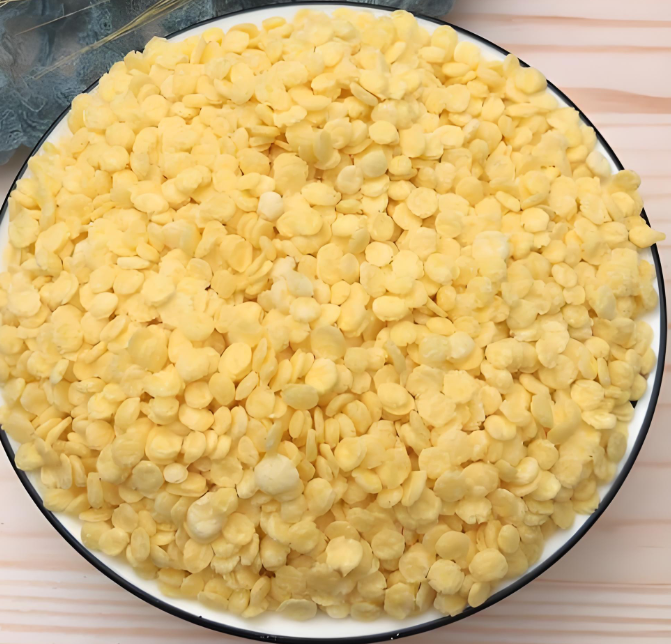
Most corn flakes start with milled corn (often corn grits), not whole kernels. A typical formula includes:
- Corn grits (the main starch base)
- Sugar and/or sweeteners (for taste, browning, and crunch)
- Salt
- Malt flavor or syrup (often used for aroma and color)
- Vitamins and minerals (added because processing removes or dilutes natural micronutrients)
- Minor ingredients such as emulsifiers or antioxidants (varies by brand)
What’s worth noticing: “corn” provides the structure, but flavor and color are largely built during processing—through cooking, added sugars, and toasting.
2) Cleaning and Milling: Turning Corn Into a Controlled Ingredient
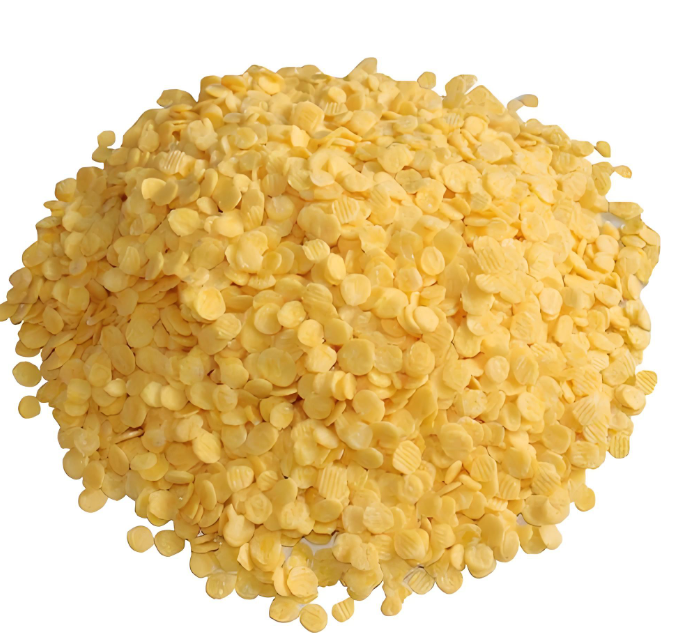
Before cooking, corn is cleaned to remove dust and foreign matter, then milled into grits with controlled particle size.
Why this matters:
- Particle size affects how evenly the corn cooks
- It influences flake thickness, breakage, and final crunch
- Uniform grits reduce defects and improve consistency
This is an early example of how cereal production is more about standardization than “naturalness.”
3) Cooking in a Pressure Cooker: Softening and Building the Base Texture
Corn grits are cooked with water and a syrup blend (often containing sugar, salt, and malt) in large industrial cookers—commonly pressure vessels.
During cooking:
- Starch gelatinizes (swells and becomes dough-like)
- Flavoring ingredients penetrate the cooked mass
- Moisture is set to a level that allows forming later
This step is crucial: it’s where corn transforms from gritty particles into a cohesive, processable material.
4) Drying and “Tempering”: A Waiting Game That Controls Crunch
After cooking, the corn is partially dried and then held (tempered) for a period of time.
Why manufacturers do this:
- Moisture needs to redistribute evenly inside each piece
- Even moisture prevents brittle edges and wet centers
- Tempering improves rolling behavior and reduces breakage
This holding step doesn’t look dramatic, but it strongly affects the final flake’s snap and how fast it gets soggy in milk.
5) Rolling: Turning Cooked Corn Into Thin Flakes
Next comes the iconic transformation: the cooked, tempered pieces are fed through heavy rollers to flatten them into thin sheets—flakes.
Key variables include:
- roll gap (controls thickness)
- roll pressure (controls density)
- feed consistency (controls uniformity)
If the sheet is too thick, it becomes hard and dense; too thin, it shatters into fines. The “perfect flake” is manufactured, not accidental.
6) Toasting (Baking): Color, Aroma, and Crispness Are Manufactured Here
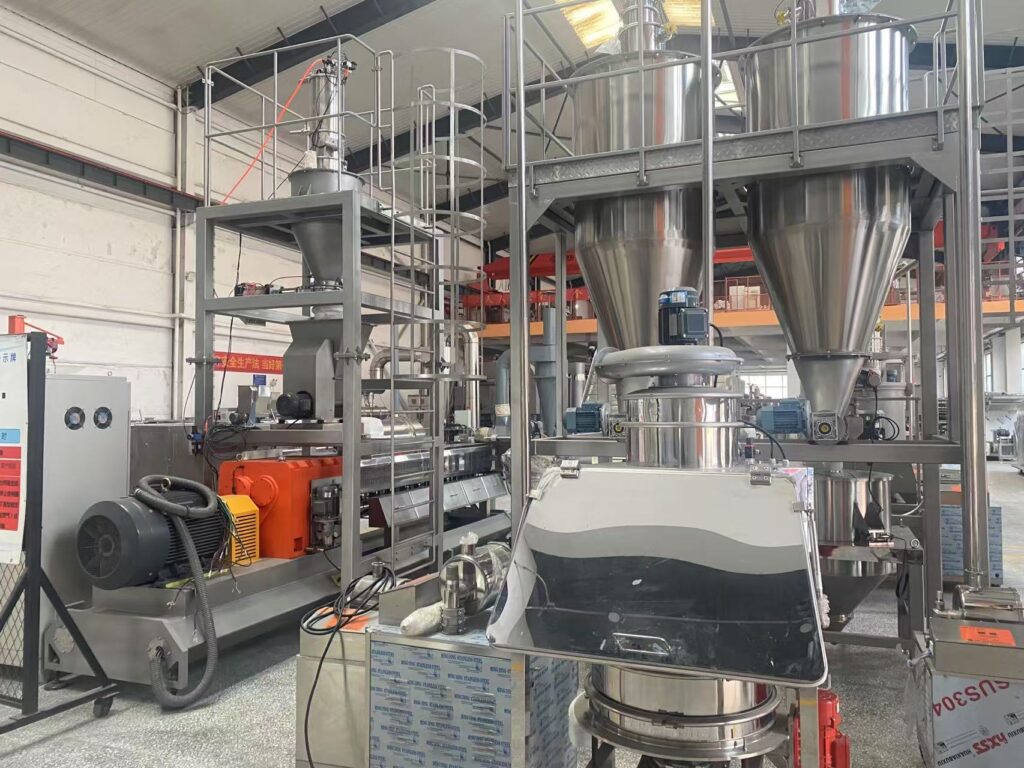
The flattened flakes are then toasted in ovens.
Toasting drives:
- moisture reduction (crispness)
- browning reactions (color and roasted aroma)
- structural set (the flake “locks in” its crunch)
This is where the product becomes the familiar corn flake: dry, brittle, aromatic, and shelf-stable. It’s also where added sugars can intensify browning and flavor development.
7) Coating and Fortification: Rebuilding What Processing Removes
Many corn flakes are fortified after major heat steps to protect sensitive vitamins. Some are also coated for extra sweetness or shine.
Common additions:
- vitamin/mineral premixes (iron, B vitamins, etc.)
- sugar coatings or glazes (in sweeter variants)
- antioxidants (to help maintain flavor during storage)
This is a key “behind the curtain” point: corn flakes are often presented as a straightforward grain food, but their final nutritional profile frequently depends on post-processing fortification.
8) Cooling, Sorting, and Packaging: Protecting Crispness and Reducing Waste
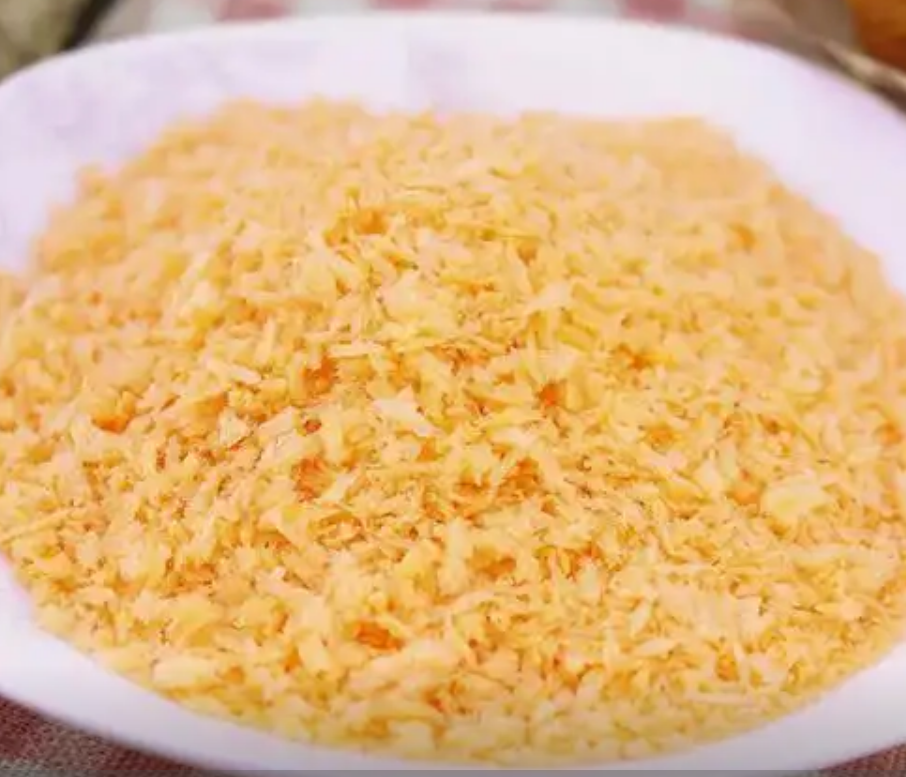
After toasting, flakes are cooled, then screened to remove small broken pieces and fines. The product is packaged in moisture-protective liners because flakes quickly lose crispness in humid air.
Factories pay close attention to:
- broken flake rate (yield and appearance)
- moisture targets (crunch and shelf life)
- packaging seal integrity (staleness prevention)
What This Process Reveals (And Why It Matters)
Corn flakes are not “bad” by default—but the process makes a few realities clear:
- Texture is engineered through cooking, tempering, rolling, and toasting.
- Flavor and color are largely processed outcomes, not inherent in plain corn.
- Sugar and syrups often play functional roles, not just “sweetness.”
- Fortification is frequently necessary because intense processing changes the natural grain profile.
- The final product is designed to be uniform, shelf-stable, and scalable—which is exactly what industrial processing delivers.
Conclusion
A box of corn flakes is the endpoint of a controlled manufacturing chain: cleaned and milled corn grits are pressure-cooked with syrups, dried and tempered, rolled into flakes, toasted for crunch and aroma, then fortified and packaged to stay crisp for months. Once you see the process, the product looks less like “simple corn” and more like what it truly is—an industrially engineered cereal built to meet texture, taste, and stability targets at scale.
 Portuguese
  English
  Russian
  Spanish
  Italian
  Arabic
  German
  French
  Japanese
  Moroccan Arabic
  Persian
  Belarusian