
Floating fish feed, commonly used for species like tilapia, carp, and catfish that feed at the water’s surface, is often presented as a marvel of modern aquaculture engineering. While the technology is indeed advanced, the common narrative oversimplifies the process and obscures the significant compromises made between nutritional quality, production efficiency, and cost. This exposé aims to peel back the layers of marketing claims and reveal the core industrial realities of floating fish feed production.
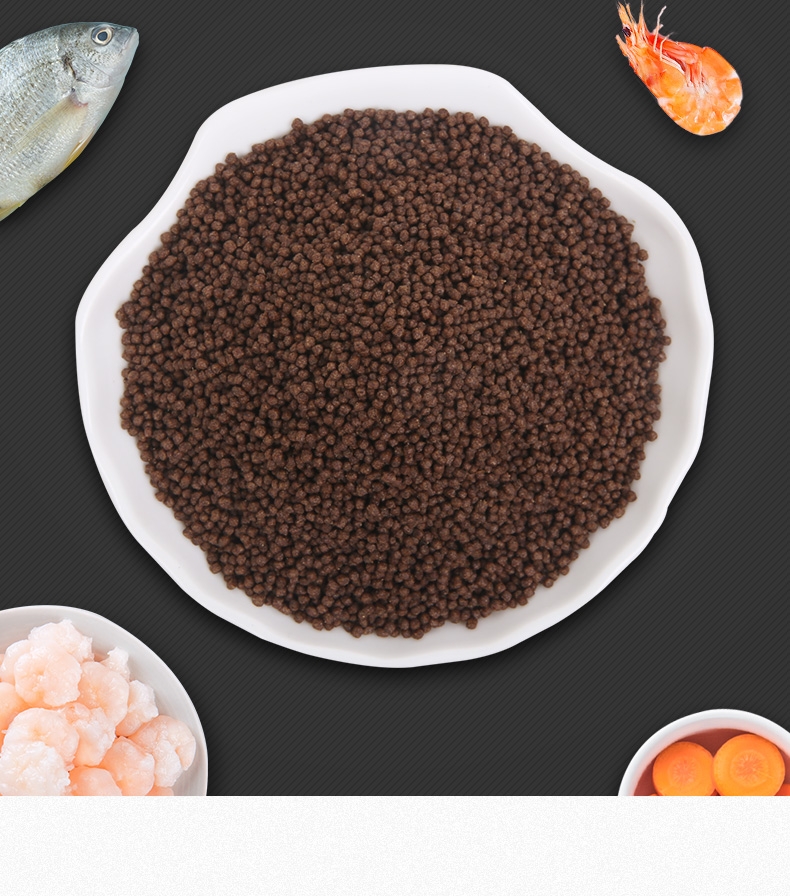
1. The Central Illusion: “Light & Airy” vs. “Nutrient-Light”
The defining characteristic of floating feed is its low density, achieved through a high degree of expansion (puffing) during extrusion. This expansion is not a gentle process but a violent, high-energy one.
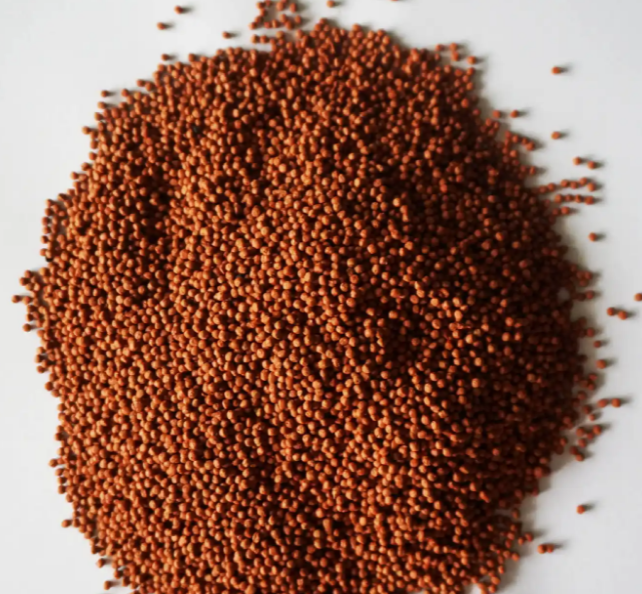
- The Myth of Gentle Expansion: Marketing often portrays the puffing as a “controlled” or “healthy” expansion. In reality, it requires intense mechanical shear and high temperatures (often 130-150°C at the die) to superheat the water in the dough, causing it to flash into steam upon exit.
- The Nutritional Cost:
- Starch Over-Gelatinization: To achieve reliable floatation, formulas require a high percentage of starchy binders (like corn, wheat flour). These starches are subjected to extreme heat and shear, which, while making them highly digestible for energy, can displace space for more expensive protein sources.
- Thermal Degradation: The high-temperature extrusion process inevitably damages heat-sensitive nutrients. Amino acids like lysine become less bioavailable through the Maillard reaction (the same browning process seen in toasted bread). A significant percentage of synthetic vitamins (A, C, thiamine) and added enzymes or probiotics are destroyed unless they are expensively coated or added post-processing.
- The “Hollow Pellet” Effect: Excessive expansion can create a pellet with a large, thin-walled air cell inside. This structure is mechanically fragile (leading to more fines/dust) and has less physical space to hold dense nutrients and fats.
2. The Efficiency-Driven Process: Speed Over Stability
The entire production line is optimized for maximum throughput, often at the expense of the final product’s integrity.
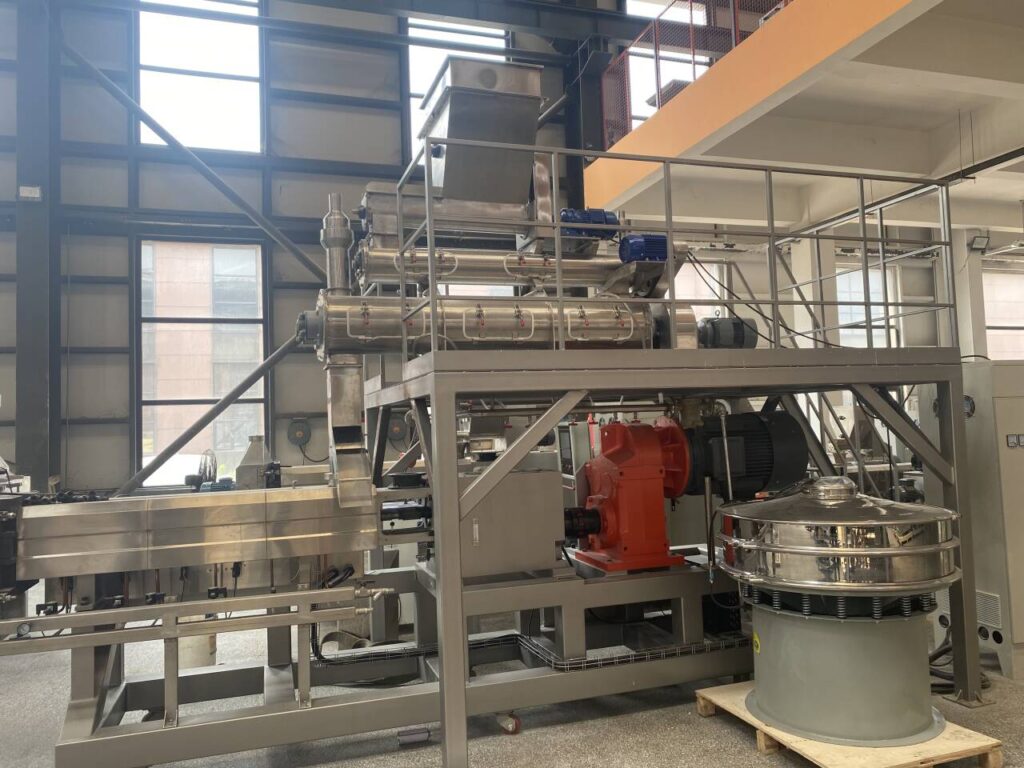
- Hyper-Fast Drying: After expansion, the moist, porous pellets are sent through high-temperature dryers (inlet air can exceed 140°C) to rapidly reduce moisture from ~30% to below 10%. This “thermal shock” can:
- Set Nutrient Loss: Lock in the damage caused during extrusion.
- Create Stress Cracks: Rapid drying causes the pellet’s exterior to harden and shrink faster than the interior, leading to micro-fissures. These cracks compromise pellet durability and accelerate nutrient leaching in water.
- Surface Coating as a “Fix”: To compensate for the low fat content that can be included before extrusion (as fat inhibits expansion), oils and fat-soluble vitamins are sprayed onto the dried pellets. This surface-level coating is poorly absorbed compared to vacuum-coated sinking feed. A significant portion can leach into the water within minutes, benefiting the fish less and polluting the water more. This practice is a direct result of prioritizing the puffing process over nutrient integration.
3. The Binder Dilemma: Glue vs. Nutrition
Achieving a pellet that floats yet doesn’t disintegrate in water within 10-20 minutes is a major challenge. Manufacturers solve this with binders.
- Common Binders: Lignosulfonates, hemicellulose extracts, and modified starches.
- The Hidden Truth: While effective, some of these binders have minimal to no nutritional value. They are essentially “functional fillers” that increase pellet integrity but do not contribute to fish growth. Their use allows producers to maintain a high-protein percentage on the lab sheet while potentially diluting the actual digestible protein available from quality sources.
4. Quality Disparities: The Price Point Reality
The market is segmented by price, and the processing reflects this starkly.
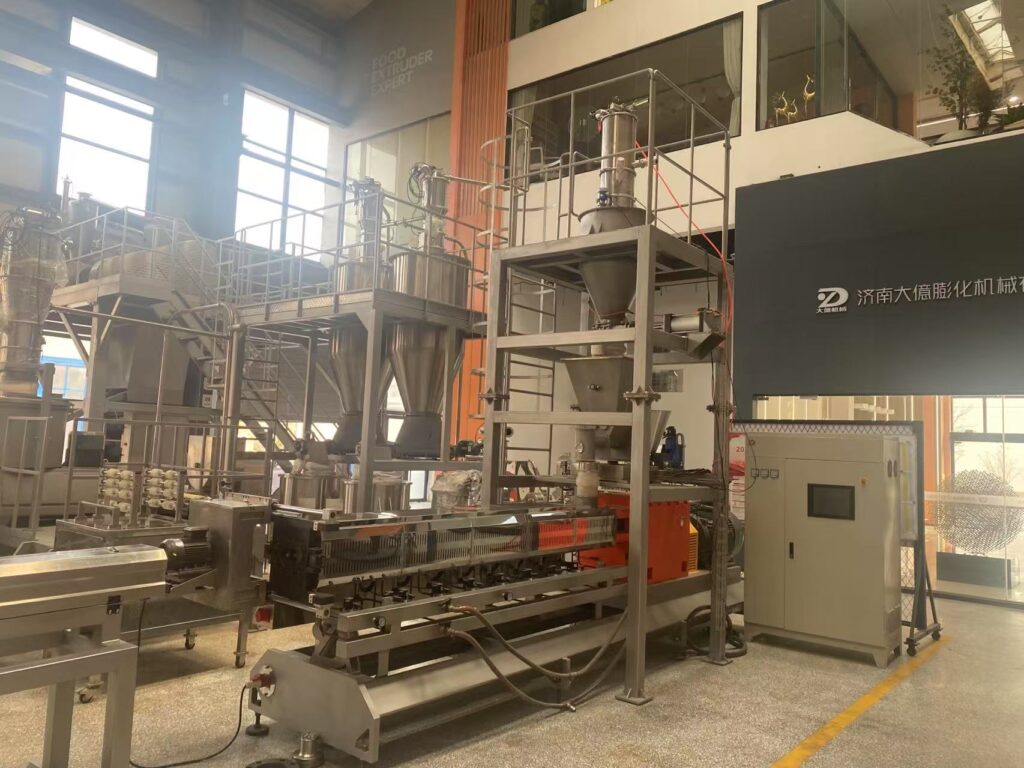
- Premium Feed: May use more digestible protein sources, moderate expansion temperatures, controlled multi-stage drying, and sometimes post-pelleting vacuum coating of fats to improve nutrient retention.
- Economy Feed: Often relies heavily on cheap starchy grains, pushes extrusion to maximum expansion (creating fragile pellets), uses the fastest/hottest drying cycle, and employs the least expensive binders and surface coatings. The floatation is achieved, but nutritional density, water stability, and digestibility are significantly lower.
5. Environmental & Operational Impacts Often Overlooked
- Fines and Waste: The fragile nature of highly expanded feed generates more dust (fines) during handling and transport. These fines are wasted feed that pollutes the water, contributing to ammonia and waste buildup.
- Water Pollution: Rapid leaching of surface-applied oils, vitamins, and water-soluble nutrients directly impacts water quality, increasing the burden on pond management and filtration systems.
Conclusion: Seeing Beyond the Float
The ability of a pellet to float on water is not an indicator of its nutritional superiority. It is, first and foremost, an industrial feat of thermodynamics and starch chemistry. The pursuit of this single physical characteristic dictates a processing regime—high heat, high shear, fast drying—that is inherently hostile to many essential nutrients. The industry’s reliance on post-processing surface coatings and non-nutritive binders often serves to patch the inherent weaknesses created by the expansion process itself.
Informed buyers—farmers and feed distributors—should look past the simple “float test” and ask critical questions: What is the pellet durability index (PDI)? What is the water stability time? Are heat-sensitive vitamins guaranteed post-processing? What is the primary protein source and its digestibility? By shifting the focus from physical trickery to nutritional integrity and digestibility, the industry can be steered toward producing floating feeds that truly support efficient and sustainable aquaculture.
 Portuguese
  English
  Russian
  Spanish
  Italian
  Arabic
  German
  French
  Japanese
  Moroccan Arabic
  Persian
  Belarusian