
How to Make High-Quality Dog Food
High-quality dog food is essential for maintaining a dog’s long-term health, vitality, and longevity. Unlike low-grade commercial feeds that focus on cost reduction, premium dog food is built on nutritional science, ingredient integrity, and transparent processing. dog food making machine This article outlines the key principles and steps involved in producing truly high-quality dog food.
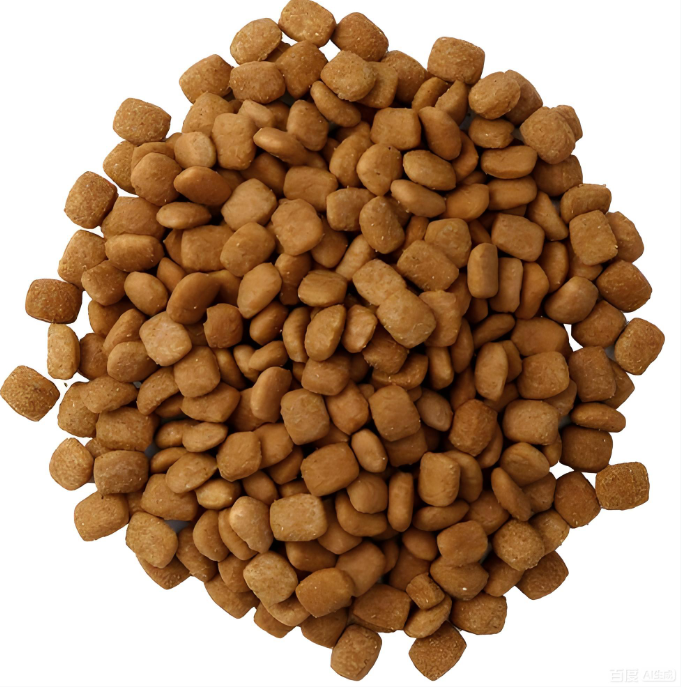
1. Start with High-Quality Raw Ingredients
The foundation of good dog food is ingredient quality. High-quality dog food should prioritize fresh, clearly identified animal proteins such as chicken, beef, lamb, turkey, or fish. dog food making machine These proteins should come from inspected sources and be suitable for animal consumption, not processing waste or by-products of unknown origin.
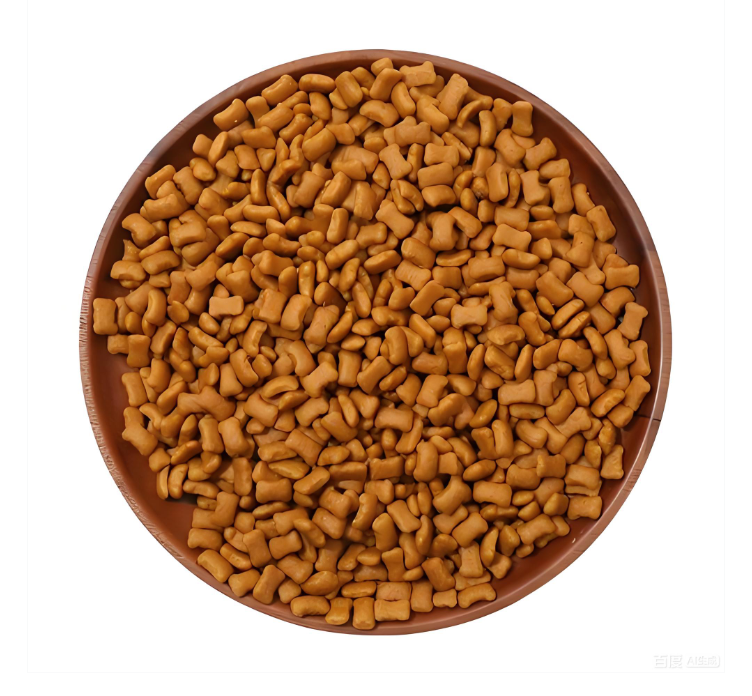
Healthy carbohydrates—such as brown rice, oats, sweet potatoes, or barley—should be used in moderation to provide energy and dietary fiber. Vegetables and fruits like carrots, pumpkin, spinach, blueberries, and apples contribute essential vitamins, minerals, and antioxidants.
Artificial flavors, low-grade fillers, and unidentified “meat meals” should be avoided, as they often indicate inferior nutritional value.
2. Balance Nutrition Scientifically
High-quality dog food is not just about premium ingredients, but also about proper nutritional balance. Dogs require a carefully calibrated mix of proteins, fats, carbohydrates, vitamins, and minerals based on their age, size, and activity level.
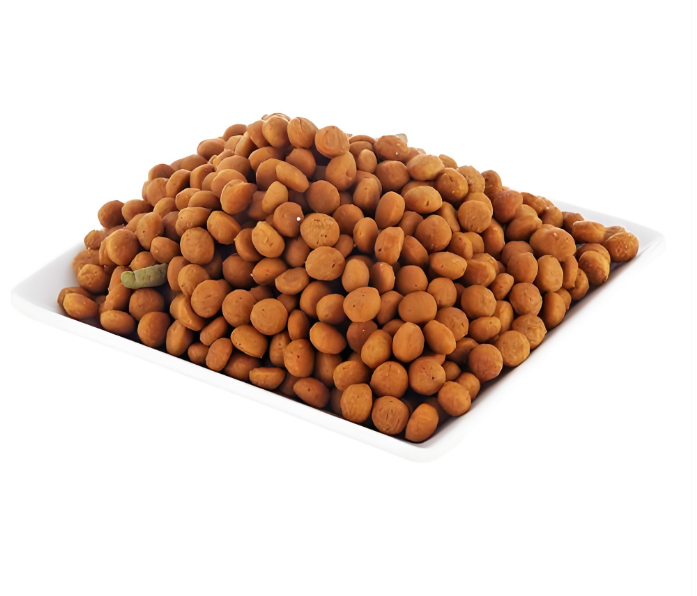
Essential nutrients include:
- High-quality animal protein for muscle maintenance
- Omega-3 and omega-6 fatty acids for skin, coat, and brain health
- Calcium and phosphorus in correct ratios for bone development
- Vitamins A, D, E, and B-complex for immune and metabolic function
Formulations should be developed with veterinary nutritionists and aligned with established nutritional standards such as AAFCO or FEDIAF guidelines.
3. Use Gentle, Controlled Processing Methods
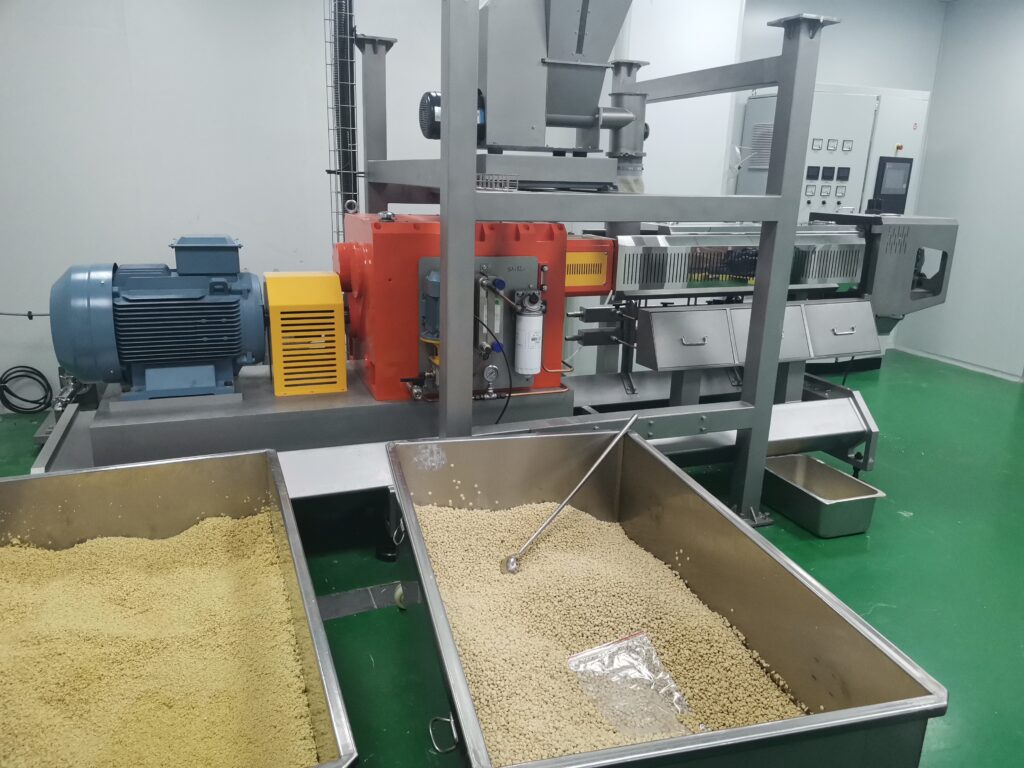
Processing methods play a critical role in preserving nutritional value. dog food making machine Excessive heat can destroy sensitive nutrients, so high-quality dog food manufacturers use controlled-temperature cooking or gentle extrusion techniques to maintain digestibility and nutrient integrity.
In some premium products, fresh meat is lightly cooked, air-dried, or freeze-dried to minimize nutrient loss. After cooking, essential fats and vitamins may be added in precise amounts to restore any losses during processing.
4. Avoid Harmful Additives
High-quality dog food should not rely on artificial preservatives, colors, or flavor enhancers. Instead, natural preservatives such as mixed tocopherols (vitamin E) and rosemary extract can be used to maintain freshness.
Antibiotics, growth promoters, and unnecessary chemical additives should never be part of dog food formulations. Transparency and simplicity are key indicators of quality.
5. Ensure Strict Quality Control and Safety
From sourcing to packaging, quality control must be enforced at every stage. Raw materials should be tested for pathogens, heavy metals, and toxins. dog food making machine Finished products should undergo regular laboratory testing to ensure consistency, safety, and nutritional accuracy.
Good Manufacturing Practices (GMP) and traceability systems allow manufacturers to track every batch and respond quickly if issues arise.
6. Design for Digestibility and Palatability
Even the best nutrients are ineffective if dogs cannot digest or enjoy the food. High-quality dog food is formulated to be highly digestible, reducing gastrointestinal stress and improving nutrient absorption.
Palatability should come naturally from quality ingredients, not artificial flavor coatings. Dogs fed well-made food typically show smaller, firmer stools, healthier coats, and more stable energy levels.
7. Commit to Transparency and Ethical Responsibility
True quality includes honesty. Clear labeling, full ingredient disclosure, and open communication about sourcing and processing build trust with pet owners. Ethical considerations—such as sustainable sourcing and animal welfare—are increasingly important components of high-quality dog food production.
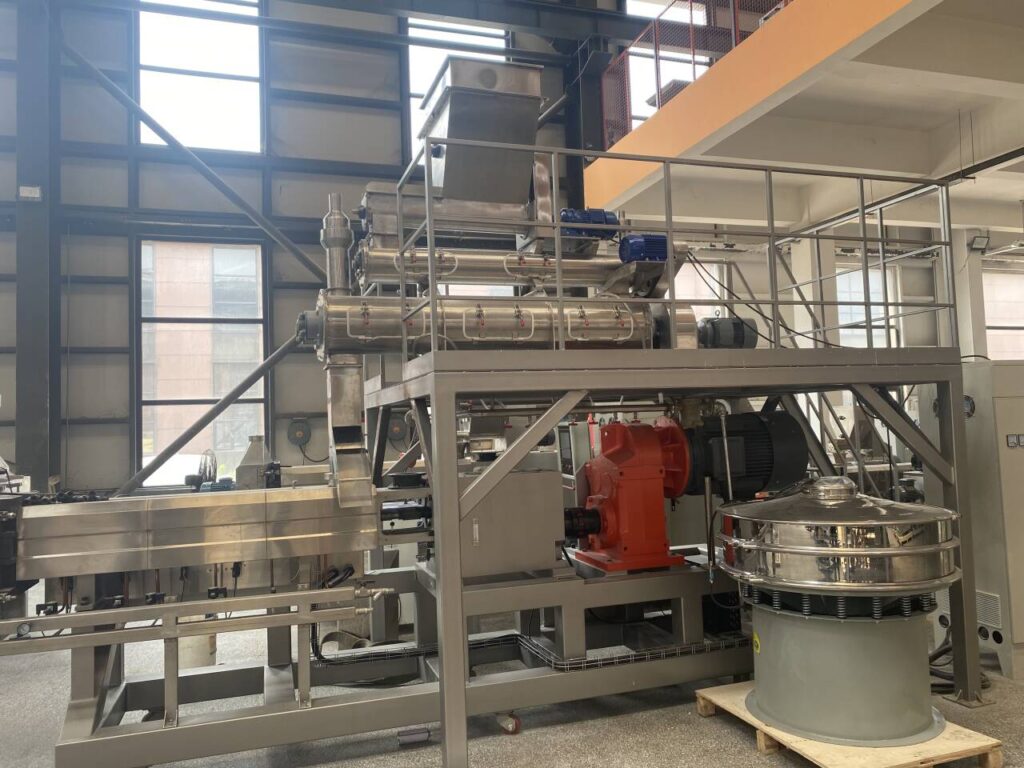
Making high-quality dog food requires more than appealing packaging or marketing claims. It demands high-grade ingredients, scientific formulation, careful processing, dog food making machine and uncompromising safety standards. When these principles are followed, the result is dog food that supports not only survival, but optimal health and quality of life.
 Portuguese
  English
  Russian
  Spanish
  Italian
  Arabic
  German
  French
  Japanese
  Moroccan Arabic
  Persian
  Belarusian