
Infant rice cereal is often a baby’s first solid food, recommended for its mild taste, smooth texture, and easy digestibility. Yet, its manufacturing process is often shrouded in simplicity, baby food maker with marketing focusing on fortification and purity. This article unveils the standard industrial production process, highlighting both its engineered benefits and the considerations parents should be aware of.
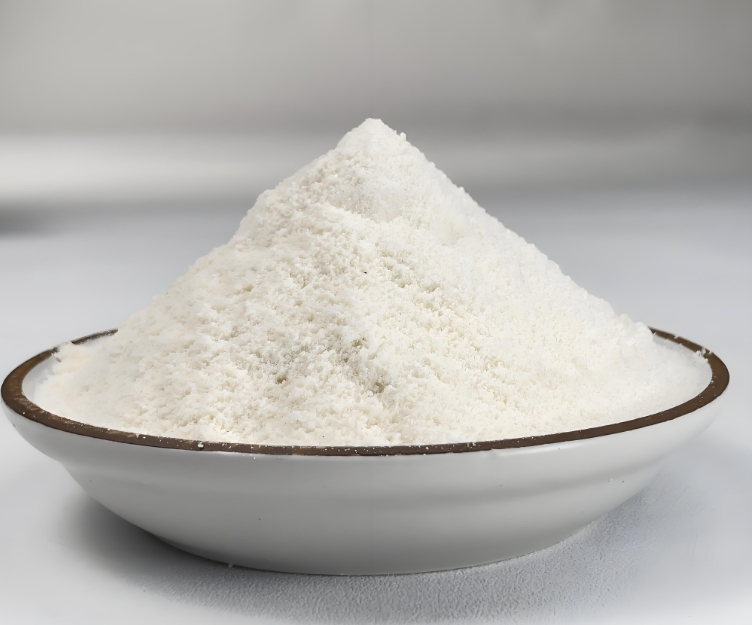
The Core Process: From Grain to Fine Powder
The primary goal of manufacturing is to create a sterile, shelf-stable, and easily digestible powder that reconstitutes instantly with water, breast milk, or formula.
1. Sourcing & Cleaning:
The process begins with white rice (often milled to remove the bran and germ). Brown rice is less common due to its higher fiber content and shorter shelf life. baby food maker The rice is thoroughly cleaned to remove all impurities.
2. Cooking & Enzymatic Treatment:
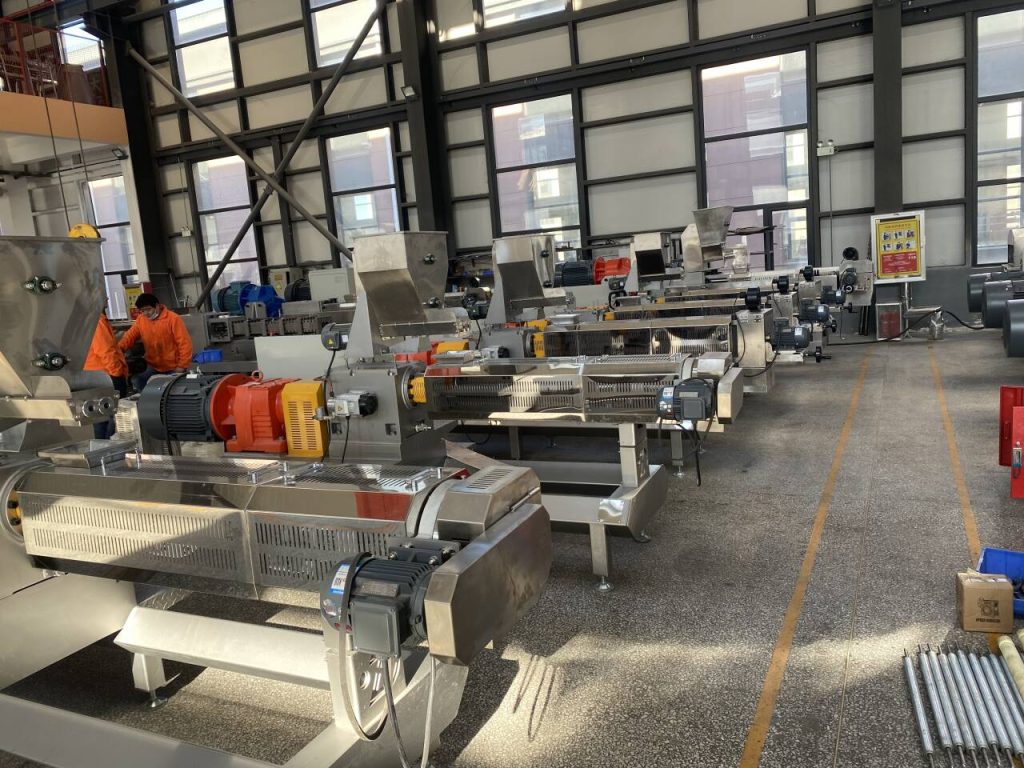
The rice is pre-cooked using steam or boiling water. This crucial step gelatinizes the starches, making them easier for an infant’s immature digestive system to break down. In some processes, enzymes may be added to partially break down the starch molecules (hydrolyze) even further, creating a texture that is less likely to form sticky globs and is perceived as smoother.
3. Drying & Milling:
The cooked, wet rice mass is then dried using techniques like drum drying (spreading on a heated roller) or spray drying. This produces a dry, brittle material. baby food maker This material is then milled into an extremely fine powder, the hallmark of traditional baby cereal. The fineness ensures it mixes seamlessly with liquid without lumps.
4. Fortification – The Critical Step:
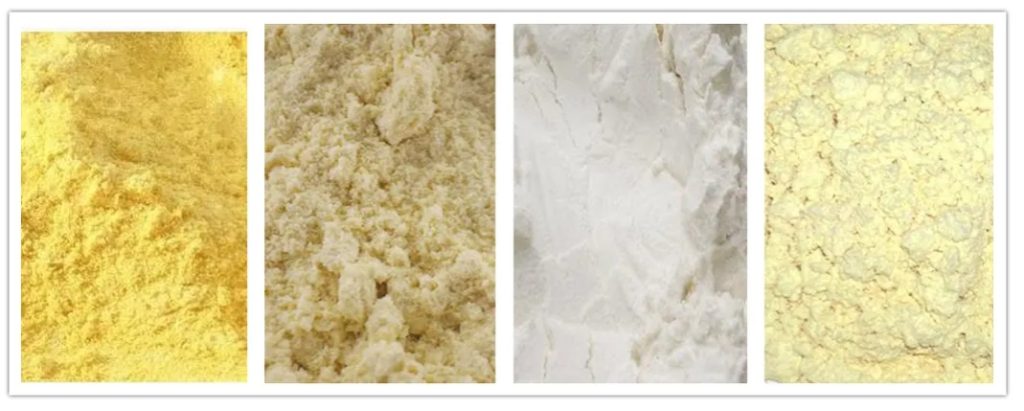
The resulting rice powder is nutritionally deficient, as milling removes natural vitamins and minerals. Therefore, mandatory fortification is the process’s most significant nutritional step. A precise blend of iron (in a highly absorbable form like ferrous sulfate), zinc, and B-vitamins (like thiamin, niacin, B6) is thoroughly mixed into the powder. This fortification is the primary public health rationale for these products, designed to prevent deficiencies like iron-deficiency anemia.
5. Packaging for Sterility:
The final mix is packaged in an airtight, moisture-proof container (jar, box, or pouch) under strict hygienic conditions to ensure sterility and a long shelf life.
Key Considerations and Evolving Discussions
Understanding this process reveals several important points for informed decision-making:
1. The “Processing” Spectrum:
The product is a refined and reconstructed food. While this ensures digestibility and safety, it places the nutritional value almost entirely on the added fortification blend, not the inherent qualities of the whole grain.
2. The Arsenic Question:
Rice naturally absorbs more inorganic arsenic from soil and water than other grains. The industrial process does not remove this arsenic; it concentrates it into the final product. Reputable manufacturers implement strict sourcing protocols (using rice from specific low-arsenic regions) and test every batch to meet regulatory limits, baby food maker but trace amounts remain an unavoidable topic of scientific and parental concern.
3. Texture and Oral Development:
The ultra-fine, smooth texture, while safe for early initiation, does not help develop chewing skills. Pediatric guidelines now emphasize introducing textured foods (like mashed or soft pieces) soon after starting cereals to support oral motor development.
4. Market Evolution:
In response to consumer demand for less processed options, new products have emerged:
- Whole Grain Rice Cereals: Milled from brown rice but still finely powdered.
- Single-Grain & Multi-Grain Blends: Incorporating oats, quinoa, or barley.
- “Transparent” Sourcing: Brands highlighting low-arsenic testing and organic certification.
Conclusion: An Engineered First Food
Baby rice cereal is not simply “ground-up rice.” It is a carefully engineered first food, designed to be safe, digestible, and a reliable vehicle for critical nutrients like iron. Its manufacturing prioritizes sterility, consistency, and rapid preparation.
For parents, the informed choice lies in:
- Acknowledging its role as a fortification vehicle, not a whole food.
- Selecting brands committed to rigorous arsenic testing.
- Using it as a short-term bridge, promptly progressing to a varied diet of iron-rich foods (like pureed meats, lentils) and textured fruits and vegetables to support comprehensive nutritional and developmental needs.
The modern landscape offers more options than ever, empowering caregivers to make choices aligned with both nutritional science and personal preference.
 Portuguese
  English
  Russian
  Spanish
  Italian
  Arabic
  German
  French
  Japanese
  Moroccan Arabic
  Persian
  Belarusian