
The glistening salmon on your plate, the succulent shrimp in your curry, the affordable tilapia fillet—all are powered by an invisible, industrial-scale engine: the fish feed industry. fish food machine Promoted as a solution to overfishing, modern aquaculture relies on a complex global supply chain that is far from the natural image it often projects. This is the untold story of what goes into making the pellets that fuel our farmed fish.
Stage 1: The Hunt for the Wild Core
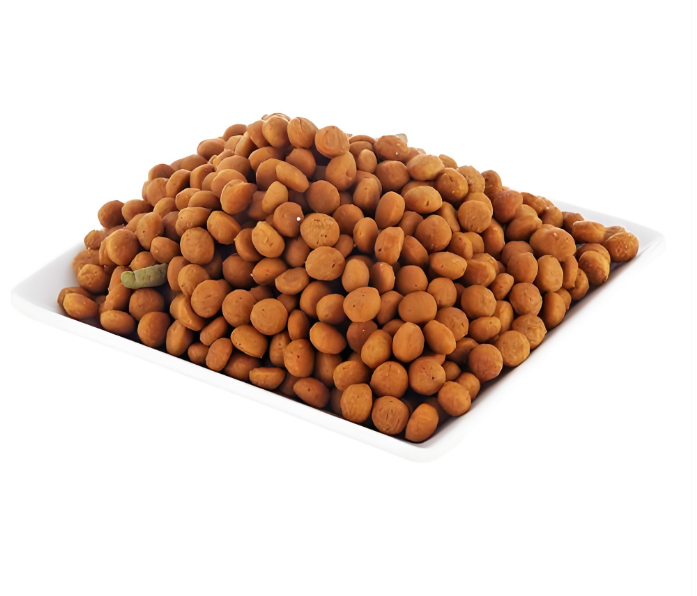
Despite being “farm-raised,” many carnivorous fish like salmon, trout, and seabass are fed on the essence of wild oceans. The process begins with reduction fisheries. Massive vessels, often using controversial methods like purse seining, target huge shoals of small, oily fish—anchovies, sardines, menhaden, and krill. These are not for direct human consumption. fish food machine They are vacuumed onboard and cooked, pressed, and dried into two products: fishmeal (protein-rich powder) and fish oil (rich in omega-3s). This practice, which accounts for nearly 20% of the global wild fish catch, directly competes with food security for coastal communities and removes a vital foundation of the marine food web.
Stage 2: The Industrial Alchemy: Blending Land and Sea
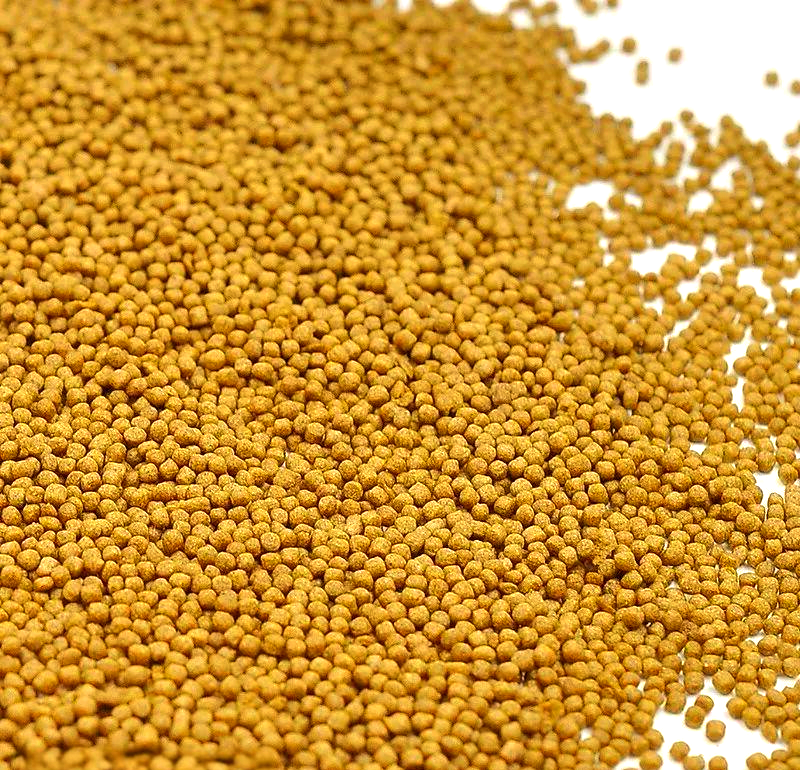
In vast, dusty factories, the alchemy begins. The base recipe for “high-performance” feed aims to mimic the nutritional profile of a fish’s natural diet, but at the lowest possible cost.
- The Protein Puzzle: While fishmeal remains a prized ingredient, its scarcity and cost have driven nutritionists to replace it with terrestrial crops. Soybean meal, often from deforested regions like the Amazon and Cerrado, is now a dominant protein source. Other common ingredients include corn gluten, poultry by-product meal (ground feathers, offal, and bones), and even protein concentrates from genetically modified bacteria.
- The Oil Swap: To maintain crucial omega-3 levels (specifically EPA and DHA), fish oil is partially used. However, to cut costs and increase volume, it is extensively blended with vegetable oils—rapeseed, palm, and sunflower oil. These oils alter the fat composition of the farmed fish, providing less beneficial omega-3s to the end consumer.
- The Additive Cocktail: Here, the feed transforms from simple food into an industrial growth and health management tool.
- Synthetic Astaxanthin and Canthaxanthin: Wild salmon get their pink flesh from eating crustaceans. Farmed salmon achieve this through dyes added to the feed, without which their flesh would be an unmarketable gray.
- Binders and Preservatives: Lignosulfonates (wood pulp by-products) and synthetic antioxidants (like ethoxyquin) are used to keep pellets stable in water and prevent rancidity.
- Antibiotics and Vaccines: While antibiotic use is increasingly regulated, in many regions, they are still mixed into feed as a prophylactic measure against disease in densely packed nets. This contributes to the global crisis of antimicrobial resistance.
- Vitamins and Minerals: A synthetic suite of nutrients is added to compensate for the deficiencies of an unnatural, plant-heavy diet.
Stage 3: The Pellet Mill: Heat, Pressure, and Expansion
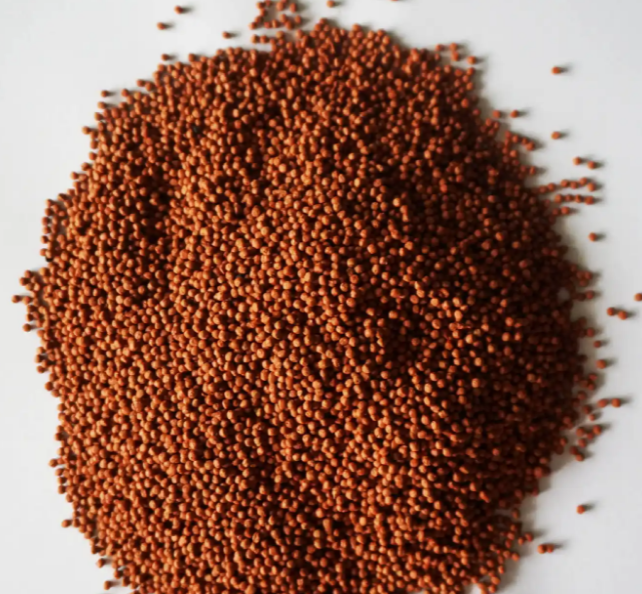
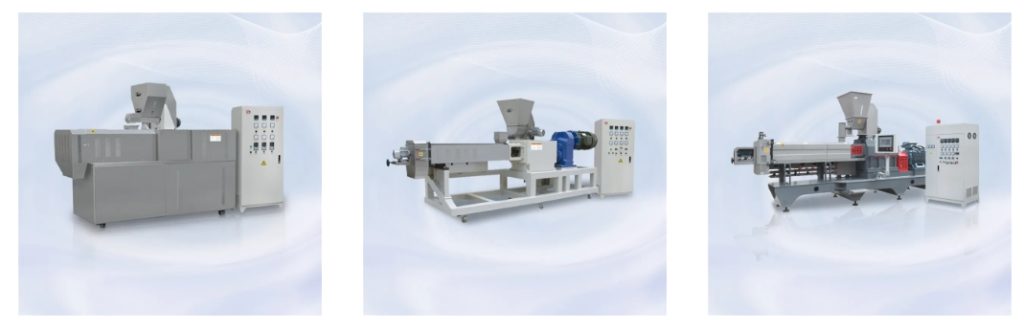
The blended powder is superheated and forced through dies in an extruder—a machine similar to one making breakfast cereal. fish food machine The high temperature and pressure cook the mixture, killing some pathogens but also potentially degrading heat-sensitive nutrients. The resulting expandable pellets are then sprayed with a coating of oils (fish, vegetable, or a mix) and the volatile additives like synthetic pigments and vitamins. The final product is a uniform, durable, and highly digestible pellet engineered for maximum growth efficiency, not dietary wholesomeness.
The Hidden Costs: An Unsustainable Equation
The true cost of this process is externalized:
- Ecological: It creates a paradoxical net loss of fish: for every 1 kg of farmed salmon produced, it can take up to 3 kg of wild-caught fish as feed. Deforestation for soy and palm oil plantations is directly linked to feed production.
- Nutritional: The shift to plant-based ingredients changes the nutritional output of the fish, reducing the very health benefits (omega-3 content) that are a key selling point.
- Ethical: The industry’s dependence on wild-caught forage fish raises serious questions about the sustainability of “farmed” seafood and its impact on ocean ecosystems.
Towards Transparency and Change
Awareness is growing. Innovators are developing sustainable alternatives like:
- Insect meal (from black soldier flies fed on food waste).
- Single-cell proteins (from algae or yeast).
- By-product utilization (using trimmings from fish processed for human consumption).
As consumers, we must look beyond the “farm-raised” label. Questions about feed composition—the percentage of wild-caught fish, the source of protein and oil, and the use of additives—must be demanded from retailers and producers. The journey of a fish feed pellet, from the depths of the ocean to a soybean field in Brazil to an industrial extruder, fish food machine reveals that aquaculture is not a standalone solution. It is a deeply embedded part of our global industrial food system, with all the complex environmental trade-offs that entails. True sustainability requires re-engineering this engine room from the feed up.
 Portuguese
  English
  Russian
  Spanish
  Italian
  Arabic
  German
  French
  Japanese
  Moroccan Arabic
  Persian
  Belarusian