
Introduction: The Critical Role of Moisture Management
Moisture control is arguably the most critical parameter in fortified rice production, affecting everything from nutritional stability and texture to shelf life and safety. fortified rice making machine Improper moisture management can lead to vitamin degradation, microbial growth, texture defects, and product rejection. This guide provides a systematic approach to moisture control throughout the fortified rice manufacturing process.
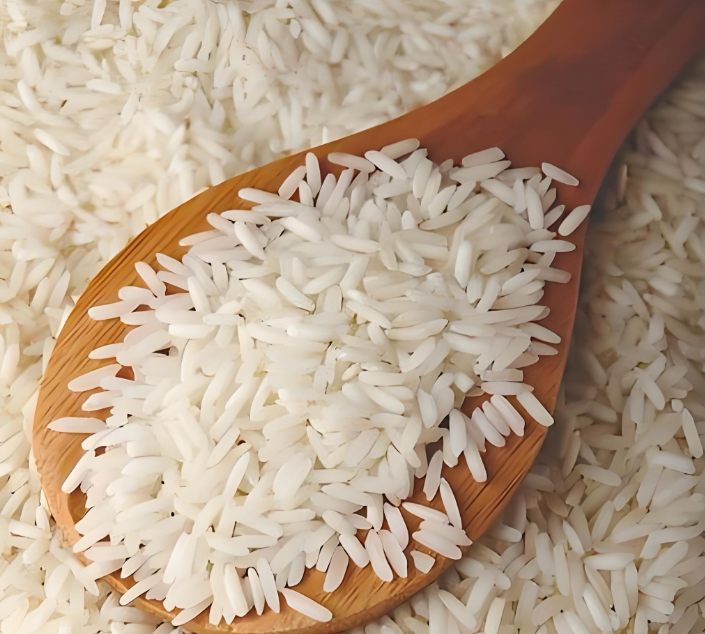
1. Understanding Moisture Parameters in Fortified Rice
Key Moisture Targets
- Raw Rice (Pre-Fortification): 12-14% (optimal for blending and coating adhesion)
- Post-Fortification (Before Drying): 16-20% (depending on coating method)
- Final Product: 10-12% (safe for storage; may vary by climate)
- Critical Maximum: 14% (above which microbial growth accelerates)
Moisture Measurement Methods
- Primary Method: Oven drying (105°C for 24 hours; AOAC 925.10)
- Rapid Methods: Near-infrared (NIR) spectroscopy, capacitive sensors
- Process Control: In-line microwave or infrared moisture analyzers
2. Raw Material Selection & Pre-Processing
Rice Quality Specifications
- Implement strict incoming inspection: reject lots with >14% moisture
- Use moisture meters at receiving points (handheld or integrated systems)
- Store rice in controlled environments (≤65% RH, 15-25°C)
- Consider pre-drying high-moisture batches before processing
Fortificant Premix Considerations
- Select thermally stable vitamin/mineral forms
- Use hydrophobic coatings on hygroscopic nutrients (e.g., vitamin C, B vitamins)
- Control premix moisture to <5% through proper packaging (desiccant included)
3. Coating Process Moisture Management
Coating Solution Preparation
Optimal Coating Formulation Parameters:
---------------------------------------
* Binder concentration: 2-5% (food-grade gums, starches)
* Solid content: 15-25%
* Solution temperature: 40-50°C
* Viscosity: 200-500 cP (ensures uniform coating without clumping)
Application Techniques & Control
- Spray Coating Systems:
- Use electrostatic or air-assisted spray nozzles
- Maintain 1-3 bar pressure for optimal droplet size (50-150 μm)
- Install humidity controls in coating chamber (40-60% RH)
- Tumbling Drum Parameters:
- Rotation speed: 10-20 RPM
- Tilt angle: 15-30 degrees
- Residence time: 3-8 minutes
- Install internal baffles for even distribution
Real-Time Monitoring
- Implement load cells to measure weight gain during coating
- Use infrared cameras to detect coating uniformity
- Sample every 15-30 minutes for laboratory moisture verification
4. Drying Technology Optimization
Dryer Selection & Configuration
Multi-Zone Conveyor Dryer Settings:
-----------------------------------
Zone 1 (High Heat):   Zone 2 (Moderate):   Zone 3 (Conditioning):
Temperature: 70-80°C  Temperature: 60-70°C Temperature: 40-50°C
Air velocity: 2-3 m/s  Air velocity: 1-2 m/s Air velocity: 0.5-1 m/s
Retention: 5-10 min   Retention: 10-15 min Retention: 10-20 min
Moisture in: 16-20%   Moisture: 13-15%    Target exit: 10-12%
Advanced Drying Options
- Fluidized Bed Dryers: Ideal for uniform drying of individual grains
- Vacuum Dryers: Preserve heat-sensitive nutrients (vitamins C, B1, B6)
- Infrared Dryers: Rapid surface drying without overheating interior
- Heat Pump Dryers: Energy-efficient with precise humidity control
Critical Drying Controls
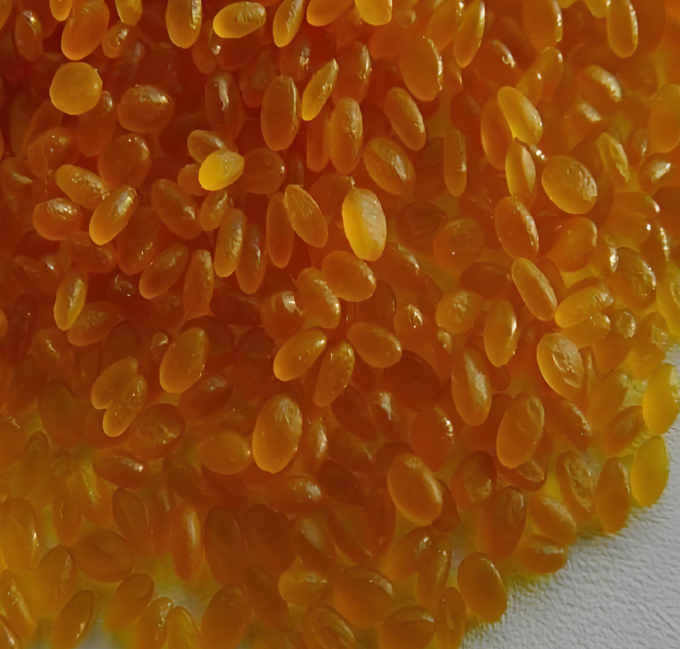
- Maintain exhaust air RH at 30-50%
- Ensure uniform air distribution across product bed
- Monitor product temperature (<55°C to protect nutrients)
- Implement moisture feedback loops to adjust drying parameters
5. Cooling & Tempering
Staged Cooling Process
- Primary Cooling: Reduce temperature to 30-35°C using ambient air
- Secondary Cooling: Further cooling to within 5°C of storage temperature
- Moisture Equalization: Temper for 4-12 hours to eliminate moisture gradients
Cooling System Design
- Use counter-flow coolers for efficiency
- Control cooling air humidity (dehumidify if RH >60%)
- Ensure adequate retention time (15-30 minutes)
- Prevent condensation through gradual temperature reduction
6. Packaging & Storage
Barrier Packaging Requirements
- Material Structure: PET/AL/PE or OPP/MPET/PE laminates
- Critical Specifications:
- Water vapor transmission rate (WVTR): <1.0 g/m²/day at 90% RH
- Oxygen transmission rate (OTR): <1.0 cc/m²/day
- Additional Features:
- Oxygen scavengers (for vitamin preservation)
- Desiccants (1-3g per kg product in high-humidity regions)
- Nitrogen flushing (residual O₂ <3%)
Storage Conditions
- Maintain warehouse at 15-25°C, 50-65% RH
- Implement temperature and humidity monitoring with alarm systems
- Use pallet covers in high-humidity environments
- Maintain 15-20cm clearance from walls and floors
7. Quality Control Protocols
Testing Frequency & Methods
Moisture Control Testing Schedule:
----------------------------------
* Incoming rice: Every lot
* Coating solution: Every batch
* During drying: Every 30 minutes (in-line), hourly (lab verification)
* Finished product: Every hour, plus composite samples every 4 hours
* Storage monitoring: Weekly from warehouse, monthly from distribution centers
Acceptance Criteria
- Process Limits: Moisture must remain within ±0.5% of target
- Safety Limits: Immediate corrective action if >13.5%
- Rejection Criteria: Automatic rejection if >14.0%
Nutrient-Moisture Correlation Monitoring
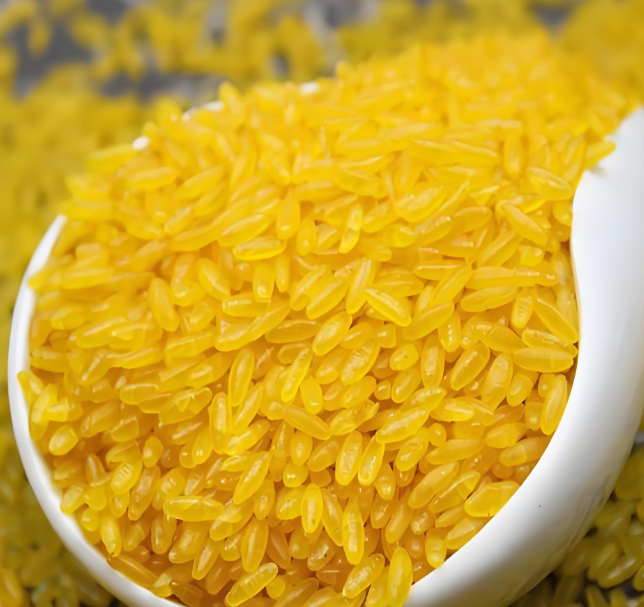
- Track vitamin retention vs. moisture content
- Establish maximum moisture levels for each nutrient’s stability
- Adjust formulas based on seasonal humidity variations
8. Troubleshooting Common Issues
| Problem | Likely Causes | Corrective Actions |
|---|---|---|
| Uneven Coating | Improper spray distribution, incorrect viscosity | Calibrate nozzles, adjust solution solids, modify drum speed |
| Incomplete Drying | Insufficient air flow, high inlet moisture, short retention | Increase air velocity, pre-dry rice, extend drying time |
| Over-Drying | Excessive temperature, low humidity control | Reduce temperature, install humidification system |
| Moisture Migration | Inadequate tempering, rapid cooling | Extend tempering time, implement staged cooling |
| Vitamin Degradation | High-temperature drying, moisture-induced reactions | Switch to vacuum/low-temp drying, improve packaging barriers |
| Clumping/Agglomeration | Excessive coating solution, inadequate drying | Reduce coating application, improve initial drying rate |
9. Advanced Technologies & Innovations
Process Control Systems
- Model Predictive Control (MPC): Anticipates and adjusts for moisture variations
- Neural Networks: Learns from historical data to optimize drying parameters
- Wireless Sensor Networks: Monitors moisture throughout production and storage
Measurement Technologies
- Microwave Resonance Sensors: Measures core moisture without surface interference
- Hyperspectral Imaging: Detects moisture distribution and coating uniformity
- RF Impedance Analysis: Real-time moisture measurement in flowing product
Sustainable Solutions
- Closed-Loop Drying: Recycles exhaust air heat and moisture
- Renewable Energy Integration: Solar-assisted drying systems
- Water Recovery: Captures and reuses water from drying processes
10. Regulatory & Safety Considerations
International Standards
- Codex Alimentarius: Maximum moisture of 15% for milled rice
- FDA/USDA: Requires controls to prevent aflatoxin growth (<14% moisture)
- ISO 7301: Specifies moisture measurement methods for rice
Food Safety Systems
- Integrate moisture control into HACCP plans (Critical Control Point)
- Implement allergen controls in coating processes
- Maintain documentation for all moisture-related adjustments and tests
Conclusion: An Integrated Moisture Management Strategy
Effective moisture control in fortified rice production requires:
- Preventive Approach: Start with proper raw material selection and storage
- Precision Processing: Optimize coating and drying parameters
- Continuous Monitoring: Implement real-time measurement with laboratory verification
- Protective Packaging: Use appropriate barriers and atmospheric controls
- Systematic Improvement: Regular review of process data and technology upgrades
The most successful operations view moisture control not as an isolated parameter but as an integrated system spanning from raw material sourcing to consumer use. fortified rice making machine By mastering moisture management, producers can ensure:
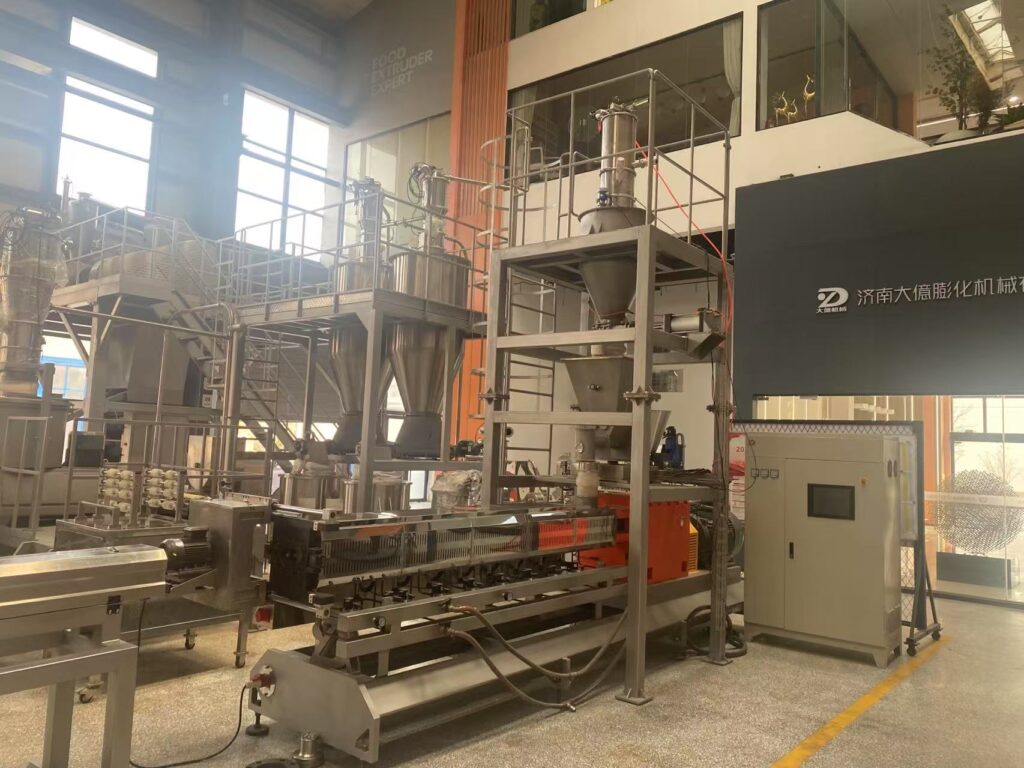
- Maximum nutrient retention throughout shelf life
- Consistent texture and cooking quality
- Extended shelf life (typically 12-24 months)
- Reduced waste and improved profitability
- Enhanced food safety through microbial control
As consumer demand for nutritious, convenient staples grows, sophisticated moisture control systems will increasingly become a competitive advantage in the fortified rice market.
 English
  Russian
  Spanish
  Italian
  Arabic
  Portuguese
  German
  French
  Japanese
  Moroccan Arabic
  Persian
  Belarusian