
Starch is one of the most abundant and versatile renewable resources on the planet. Found in cereals, tubers, and roots, it is a staple ingredient in countless food and industrial products . However, native starch in its raw form often has limitations—it can be unstable under heat or acidic conditions, prone to retrograde (causing syneresis in sauces), or lacking the specific texture required for modern applications . To overcome these challenges, scientists and engineers have developed a range of modification processes to tailor starch’s properties. This article delves into the primary methods used to create modified starch, revealing the technology behind this essential ingredient.
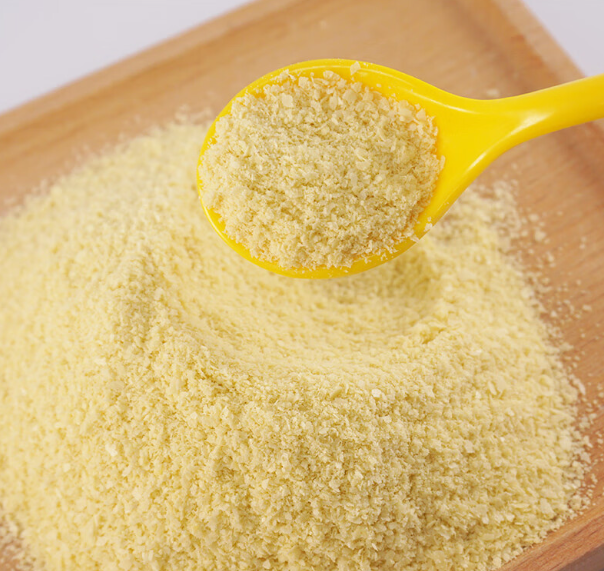
The Goal of Modification: Why Alter Starch?
Before exploring the “how,” it is essential to understand the “why.” Modification aims to alter the physical and chemical properties of starch granules to enhance their performance. This can involve changing its viscosity, improving its stability during freeze-thaw cycles, increasing its emulsifying capacity, or creating resistant starch for health benefits . The processes used to achieve these goals can be broadly categorized into physical, chemical, enzymatic, and biotechnological methods.
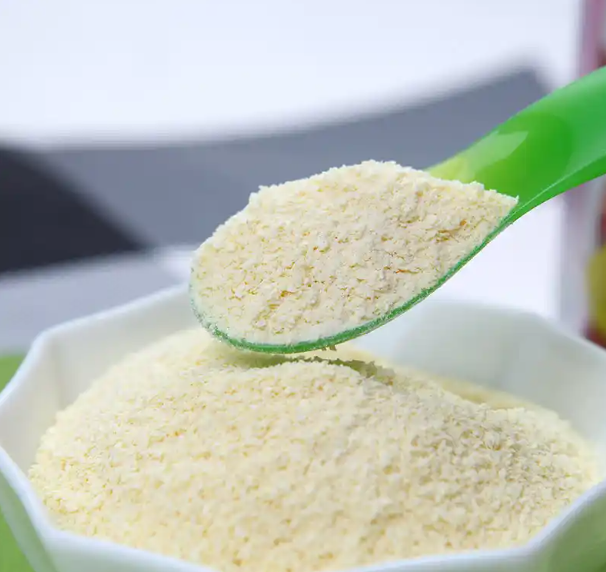
1. Physical Modification: Harnessing Thermal and Mechanical Energy
Physical modification uses heat, moisture, pressure, or radiation to alter starch structure without changing its chemical composition. These methods are often perceived as “cleaner” or more natural.
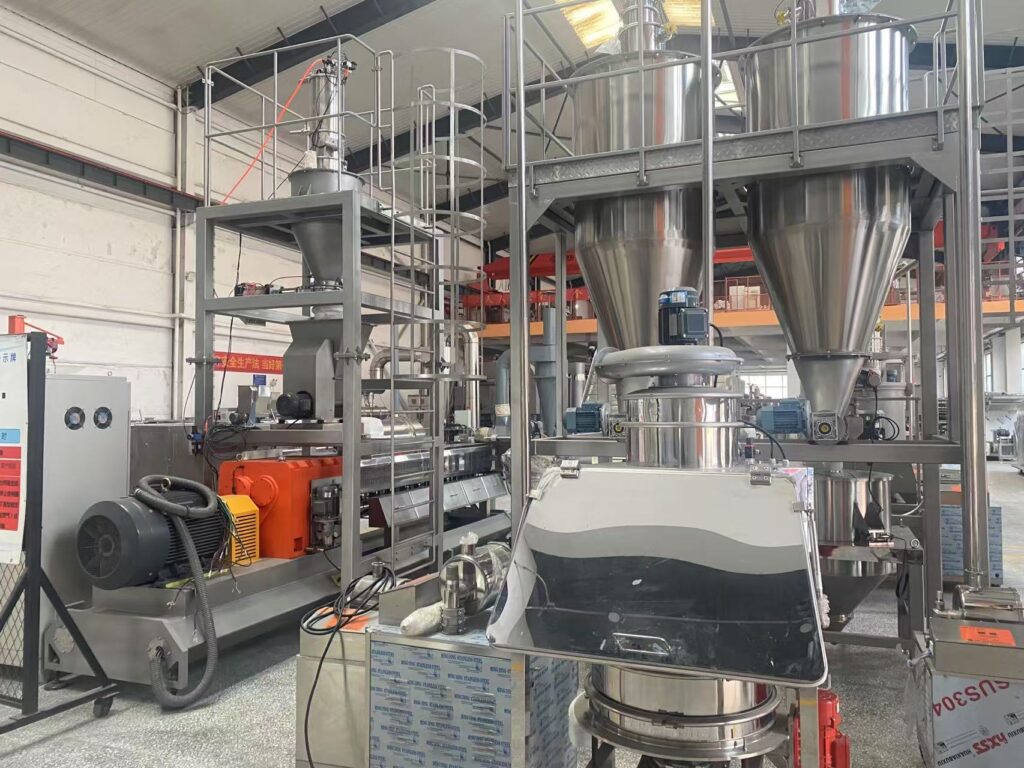
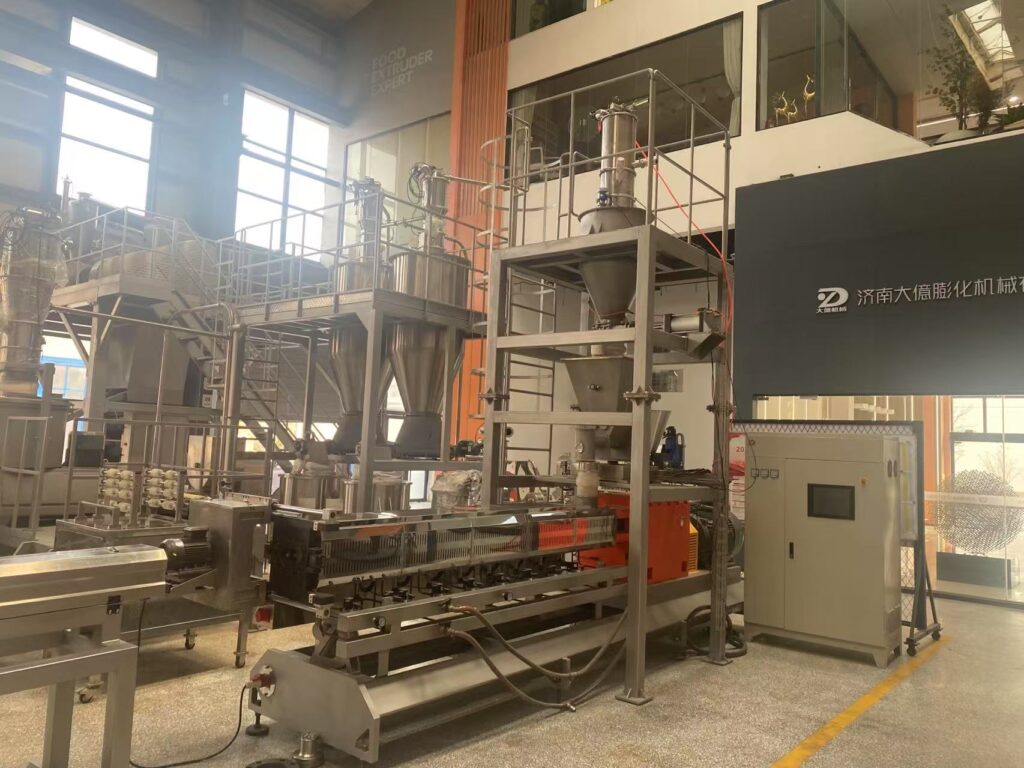
- Extrusion Cooking Technology: This is a highly efficient, continuous process. Starch is fed into a heated barrel and subjected to intense mechanical shear by rotating screws. This combination of heat, pressure, and shear force physically disrupts the starch’s crystalline structure, leading to gelatinization and fragmentation . “Improved extrusion cooking technology (IECT)” uses longer screws and higher screw speeds to enhance these mechanochemical effects, allowing for more uniform modification and even enabling reactions with enzymes or other agents in a semi-dry environment . An early patent describes a process where a starch slurry is forced through a series of zones under high pressure and temperature, with a sudden release of energy to increase starch reactivity .
- Gamma Irradiation: This method uses ionizing radiation to cleave chemical bonds within the starch molecules. This process creates free radicals and breaks down large starch molecules into smaller fragments like dextrins . The primary effect is a significant reduction in viscosity, which can be useful for applications in paper manufacturing or textiles. However, high doses of radiation alone may not always result in stable viscosity, so it is sometimes combined with other agents .
2. Chemical Modification: Introducing New Functional Groups
Chemical modification involves reacting the starch’s hydroxyl groups with various chemical reagents to introduce new functional groups, thereby changing its properties.
- Esterification (e.g., OSA Modification): One of the most common chemical modifications is esterification with octenyl succinic anhydride (OSA). This reaction imparts hydrophobic (water-repelling) properties to the hydrophilic starch molecule, creating an amphiphilic structure that acts as an excellent emulsifier . Traditional OSA modification uses an aqueous-phase (wet) method, which requires large amounts of water and energy for drying. However, modern research has developed a more efficient semi-dry process assisted by improved extrusion cooking technology (IECT) . This method mixes starch with OSA at a lower moisture content (around 40%) and uses the mechanochemical energy of the extruder to drive the reaction. This results in a higher degree of substitution, increased resistant starch content, and better emulsifying properties while significantly reducing water pollution and energy consumption .
- Cross-linking and Oxidation: These are other vital chemical processes. Cross-linking uses reagents like trisodium trimetaphosphate to create chemical bridges between starch molecules, strengthening the granule and making it more resistant to heat, acid, and shear . Oxidation, for example with sodium periodate, introduces carbonyl and carboxyl groups, which can be used to create products like dialdehyde starch for specific applications . A patent describes a process for esterification modification where a starch-phosphate mixture is heat-treated in a specific two-step temperature profile to achieve the desired modification .
3. Enzymatic Modification: The Green and Precise Approach
Enzymatic modification is gaining traction as an eco-friendly alternative to harsh chemical processes. It utilizes highly specific enzymes to catalyze the breakdown or restructuring of starch molecules under mild conditions (pH 4–7, 30°C–65°C), reducing environmental toxicity by up to 70% compared to chemical methods .
- Hydrolysis and Debranching: Enzymes like α-amylase randomly hydrolyze the α-1,4 glycosidic bonds within the starch chains, reducing molecular size and producing maltodextrins with specific dextrose equivalent (DE) values . Pullulanase is a debranching enzyme that specifically hydrolyzes the α-1,6 linkages at the branching points of amylopectin, creating more linear chains that can reassociate to form resistant starch .
- Combining with Extrusion: Traditional enzymatic modification requires a dilute starch suspension, leading to high energy costs for drying . To address this, researchers have combined the precision of enzymes with the efficiency of extrusion. By injecting thermostable α-amylase into an extruder processing high-moisture starch (around 42%), the mechanical shear of the extruder disrupts the starch granules, allowing the enzyme to penetrate more easily and react uniformly . This IECT-assisted enzymatic modification produces enzyme-modified starch with tailored properties in a shorter time and with greater energy efficiency .
4. Biotechnological Modification: Harnessing Microorganisms
This method uses the metabolic activity of microorganisms to alter starch properties, a technique with ancient roots now being refined for modern industry.
- Fermentation for Sour Starch: A classic example is the production of sour cassava starch, used in baking for its unique expansion capability . Traditionally, this is an artisanal, uncontrolled fermentation process. However, modern biotechnology aims to standardize it. Researchers have isolated specific Bacillus strains (like B. amyloliquefaciens and B. vallismortis) from traditional ferments . These microorganisms produce α-amylase, which hydrolyzes the starch over a period of days, modifying its rheological properties. By controlling the fermentation conditions (time, aeration, and using a starter culture), a scalable and standardized industrial process can be developed to produce modified starch with consistent quality .
Conclusion
The processing of modified starch is a fascinating and dynamic field, moving away from simple, one-note methods towards sophisticated, combined approaches. Whether through the brute force of irradiation, the precision of enzymatic cleavage, the functionalization of chemical esterification, or the time-honored tradition of fermentation, each technique offers a unique way to “unlock” the full potential of the starch granule. As research continues to advance, with innovations in areas like AI-driven enzyme optimization and 3D/4D printing, the methods for tailoring starch will only become more refined, efficient, and sustainable . The humble starch granule, it turns out, holds a world of technological secrets.
 Japanese
  English
  Russian
  Spanish
  Italian
  Arabic
  Portuguese
  German
  French
  Moroccan Arabic
  Persian
  Belarusian