
When you peel open a can of cat food or pour a scoop of kibble into your cat’s bowl, you are looking at the end result of a highly industrial, chemical, and mechanical process. While the packaging often displays happy farms and fresh ingredients, the reality of how cat food is made is a complex journey involving high-pressure machinery, extreme temperatures, and ingredients that would be unrecognizable to most pet owners.
This article reveals the mechanical truth behind the two main types of cat food: Dry Kibble (Extruded) and Wet/Canned Food.
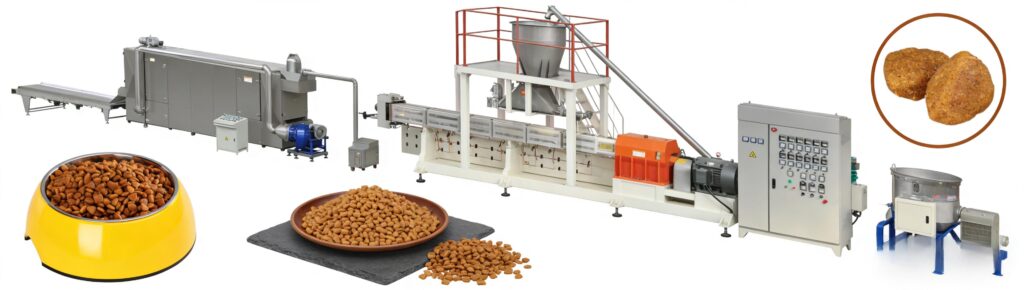
1. The Ingredient Sourcing: The “Leftover” Industry
Before the processing even begins, the ingredients used in most commercial cat food differ significantly from the whole meats found in the human food chain.
Manufacturers rely heavily on what the industry terms “by-products” or “animal derivatives.” These are the parts of the animal (liver, kidney, lung, and other tissues) that remain after the cuts intended for human consumption (muscle meat) are removed. While these ingredients are technically inspected and deemed “fit for human consumption” by veterinary services, they are essentially the leftovers of the meat industry .
In dry food production, these ingredients are often rendered into “meals” (such as chicken meal or poultry by-product meal). This process involves cooking the raw materials to remove fat and moisture, leaving a dry, powdered protein concentrate . This powder is easier to store and transport but is far removed from the fresh chicken implied by the packaging.
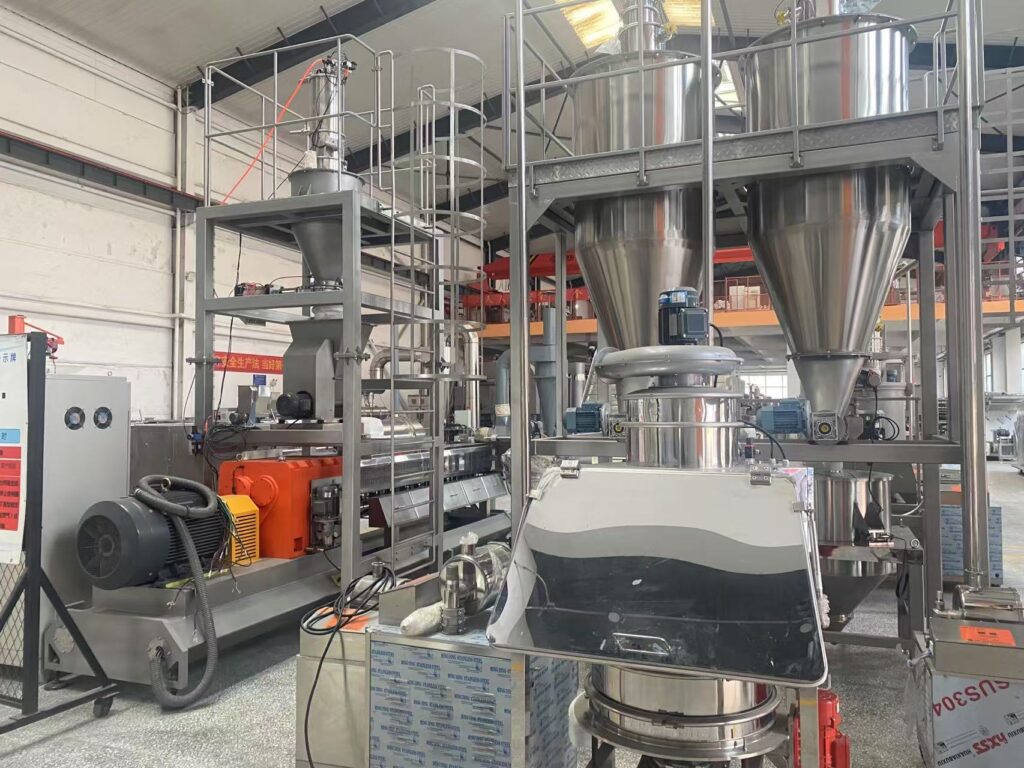
2. The Dry Kibble Process: The Extrusion Machine
Dry cat food, or kibble, is not baked like a cookie; it is extruded. This is the same industrial process used to make many breakfast cereals and pasta. It is a brutal combination of pressure, steam, and mechanical force.
Grinding and Mixing
The process begins by dumping dry ingredients (the “meals,” grains, and vitamin premixes) into massive mixers. They are ground into a fine powder to ensure uniformity .
The “Kill Step”
The powder enters a machine called a pre-conditioner, where it is blasted with high-pressure steam and mixed with water or liquid fats. This creates a hot, wet dough. This step is crucial for safety; the industry calls this the “kill step,” where temperatures are raised high enough to eliminate pathogens like Salmonella .
The Extruder
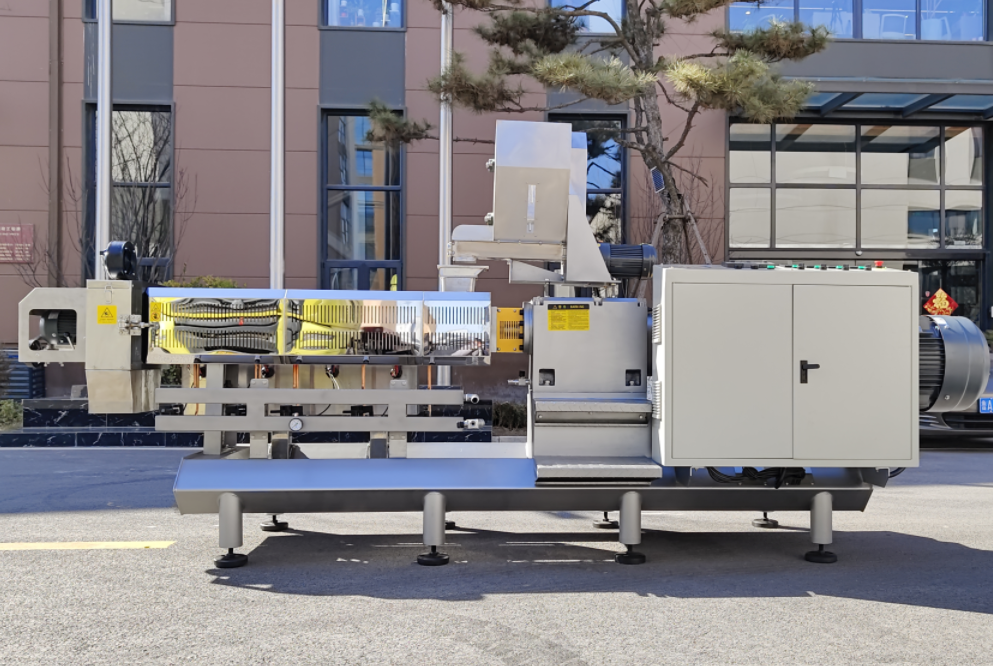
The dough is forced into a screw-driven extruder. Inside, the pressure builds up to enormous levels, and the friction continues to cook the dough. Finally, the dough is forced through a die plate (a metal sheet full of holes). As the dough exits the extruder, the sudden drop in pressure causes the moisture inside to flash into steam, causing the kibble to expand instantly . A rotating knife slices the expanding dough into kibble shapes.
Drying and Coating
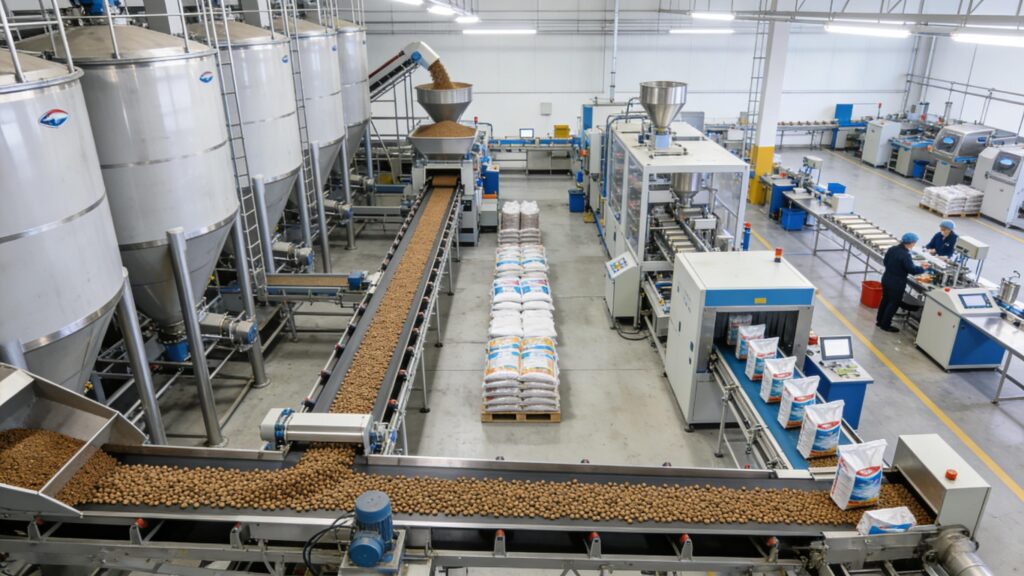
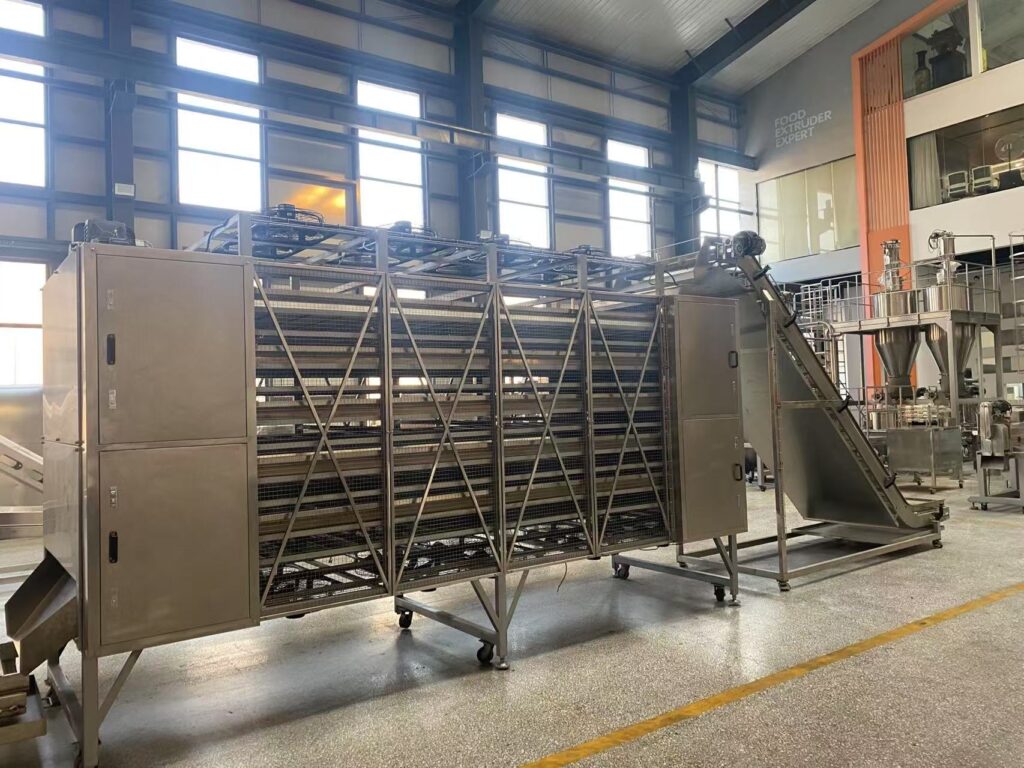
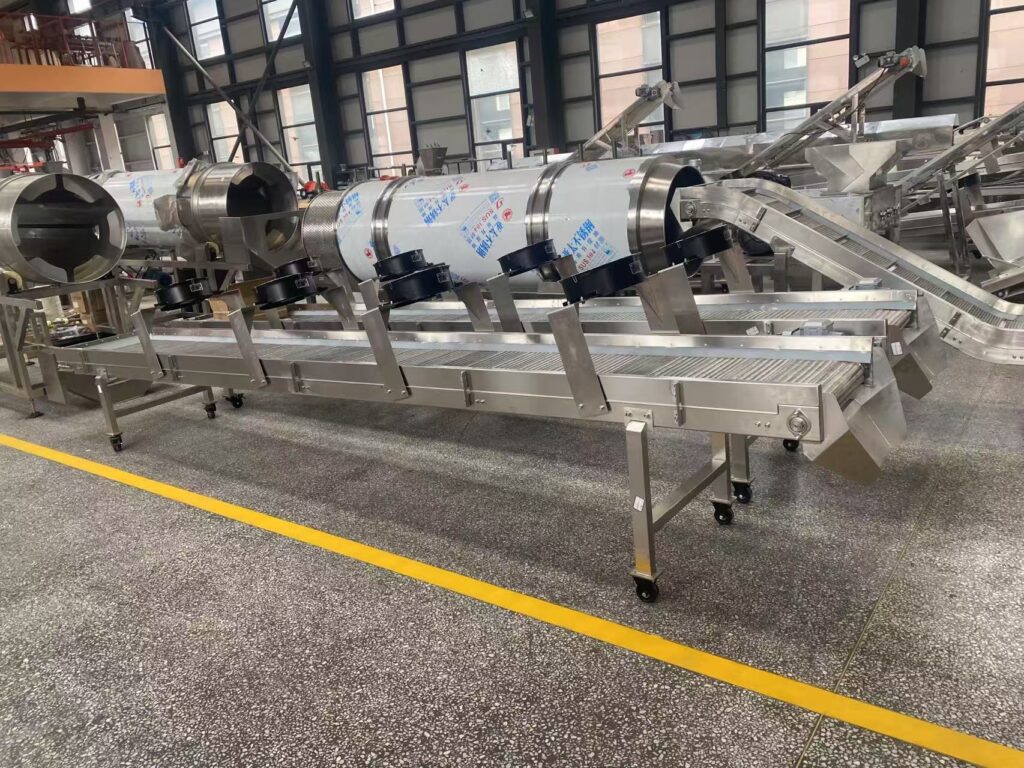
At this stage, the kibble is soft, hot, and contains about 20-30% moisture. It moves into a massive industrial dryer to reduce moisture to about 10%, which prevents mold growth . Once dried, the kibble enters a coating drum. Here, it is sprayed with a cocktail of fats and palatants (often animal digest sprays) to make the otherwise bland, cooked grain palatable to a cat . Cats are obligate carnivores, and without this sprayed-on flavoring, they would likely refuse to eat most dry foods.
3. The Wet Food Process: The Retort
Wet food (canned) appears closer to “real food,” but it undergoes a sterilization process that significantly alters its molecular structure.
Forming the Slurry
Canned food typically starts as a slurry of ground meat, grains, and vitamins. For foods with distinct chunks in gravy, the “chunks” are often formed by extruding or pressing a meaty mixture, while the gravy is a separate suspension of water mixed with gums (like xanthan or guar gum), coloring, and flavor enhancers .
The Retort: Sterilization Under Pressure
The defining feature of canned cat food manufacturing is the retort. After the cans are filled and vacuum-sealed, they are loaded into a massive pressure cooker called a retort . The cans are heated to well over 240°F (115°C) under high pressure.
This process is designed to kill Clostridium botulinum (the bacteria that causes botulism). However, from a nutritional perspective, this is high-heat cooking that can degrade natural enzymes and some heat-sensitive vitamins. Because the food is sealed inside the can, it essentially “cooks in its own juice,” resulting in the soft, pate-like texture .
4. Quality Control: A Split Industry
While the industry claims rigorous safety standards—such as the Food Safety Modernization Act (FSMA) in the US—the reality is that implementation varies .
According to a 2026 industry poll, the pet food industry is currently split on safety priorities. While 38% of manufacturers list supplier verification as their primary safety focus, another 38% admit they have no specific safety focus area identified for the coming year . This data suggests that while large corporations maintain robust protocols, a significant portion of the industry may lack structured food safety planning.
Furthermore, despite advancements in technology, the adoption of digital quality tools and real-time monitoring remains low, with 40% of manufacturers not currently considering implementing such systems .
5. The Environmental Footprint
Beyond the processing mechanics, the industry faces a sustainability crisis. Ingredients—specifically the animal proteins—account for the largest share of the pet food industry’s carbon footprint (scope 3 emissions) . In some assessments, supply chain emissions account for up to 94% of a product’s total environmental impact, meaning the packaging and factory energy use are negligible compared to the environmental cost of sourcing the meat and by-products .
Conclusion
The manufacture of commercial cat food is a feat of industrial engineering designed for shelf stability, convenience, and cost-efficiency. From the high-pressure extrusion of kibble to the sterile retort cooking of cans, the food your cat eats has been transformed by heavy machinery.
As a consumer, understanding the mechanics—the reliance on rendered meals, the high-heat kill steps, and the sprayed-on palatants—empowers you to look beyond the marketing on the bag and understand what truly lies in the bowl. If you are interested in the cat food making machine , you can contact me , i will give you good advice and solutions .
1.Will you help us with the installation ?
Yes , We will send engineers to install and debug the equipment, and assist in training your staff.
2.Are you a factory or trading company?
We are a factory.
3.What certificate do you have?
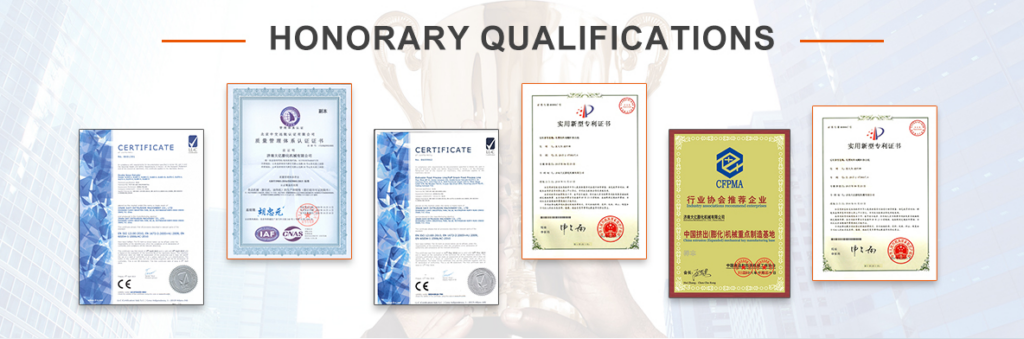
We have ISO and CE certificate.
4.How long is the warranty period?
All of our machines have one year warranty.
5.What’s the main market of your company?
Our customers all over the world.
6.How much production capacity of your company one year?
This depends on your needs.
 Japanese
  English
  Russian
  Spanish
  Italian
  Arabic
  Portuguese
  German
  French
  Moroccan Arabic
  Persian
  Belarusian