
We’ve all reached for a bag of cheese puffs, veggie sticks, or crispy rice cakes. They’re light, crunchy, and irresistibly moreish. puffed corn snack making machine But what goes into creating that iconic melt-in-your-mouth texture? The journey from raw grain to puffed snack is a highly engineered process that relies on extreme physics and industrial-scale food science. Here’s a step-by-step exposé of what really happens inside the factory.
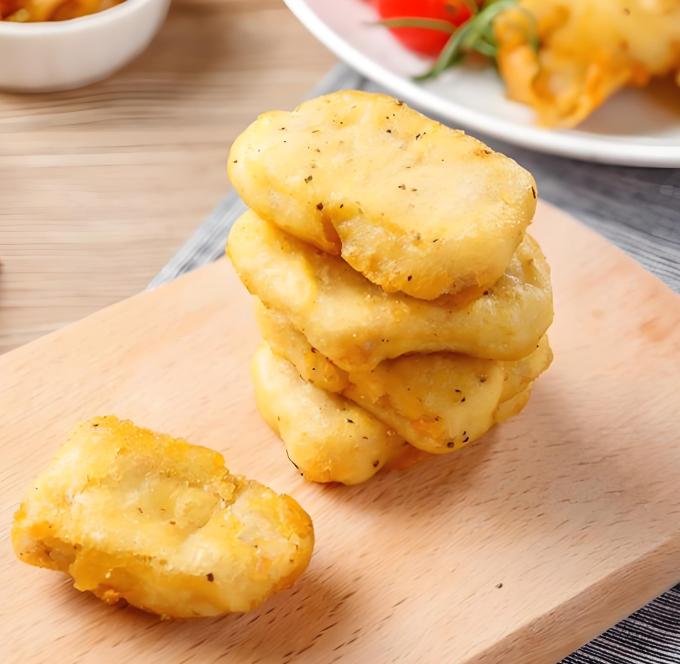
Stage 1: The Base – From Humble Grain to Uniform Grit
It starts not with flashy flavors, but with bland, dry staples.
- Core Ingredients: The most common base is degerminated cornmeal (for cheese puffs), rice, wheat, potatoes, or oats. puffed corn snack making machine The nutrient-rich germ and bran are often removed to create a longer shelf life and a more neutral, uniform starch base.
- Refinement: The grains are milled into a fine flour or meal. This isn’t whole-grain, artisanal flour; it’s a processed powder designed for maximum expansion and minimal flavor interference.
Stage 2: The Dough – Creating a Volatile Paste
The dry mix is transformed into a workable paste.
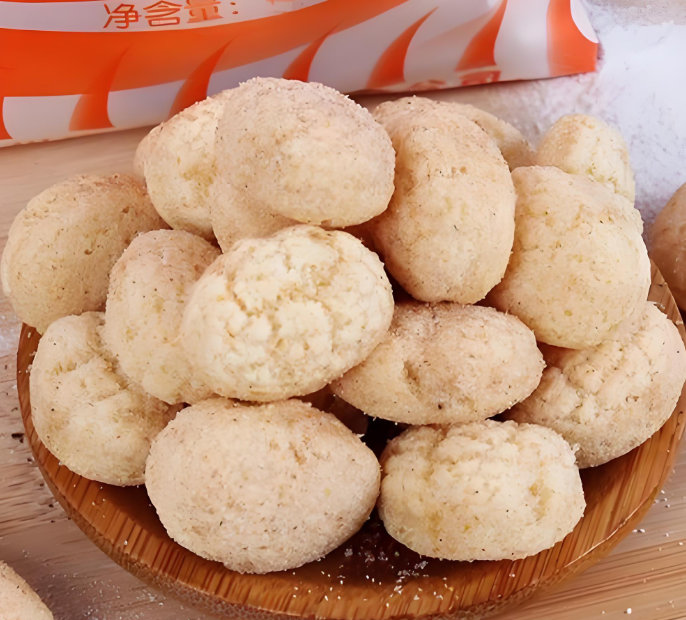
- Mixing: The flour is combined with water, oils, and minor ingredients like emulsifiers and stabilizers in a large industrial mixer. The key is to achieve a specific moisture content—typically between 13-20%.
- The Secret Agent: Water. This moisture is critical. Under high heat and pressure, it will turn to steam, becoming the explosive force that “puffs” the snack.
Stage 3: The Puff – Where Physics Takes Over
This is the core of the process, and it happens in one of two ways:
- Extrusion Cooking (The Most Common Method): The moist dough is fed into a massive, screw-like machine called an extruder. puffed corn snack making machine It is forced down a barrel under immense heat (up to 200°C/400°F) and extreme pressure (up to 1,000 psi). The dough becomes a superheated, molten mass. At the end of the barrel is a die—a metal plate with a specific shape (stars, curls, circles). As the superheated paste is forced through this die, the sudden drop in pressure causes the trapped water to instantly flash into steam. The dough violently expands, like popcorn, and sets into a foamy, airy structure as it is cut by a rotating blade. The shape of the die and the cutter speed determine the final form.
- Puffing Guns (For Cereals & Rice Cakes): For whole grains or pellets, a “puffing gun” is used. Grains are placed in a sealed, rotating chamber where they are subjected to high-pressure steam. Suddenly, a valve is opened, explosively releasing the pressure. This instant decompression causes the grains to puff up to several times their original size.
Stage 4: Drying and Coating – The Flavor Delivery System
Freshly puffed snacks are bland, porous, and slightly moist. They must be perfected.
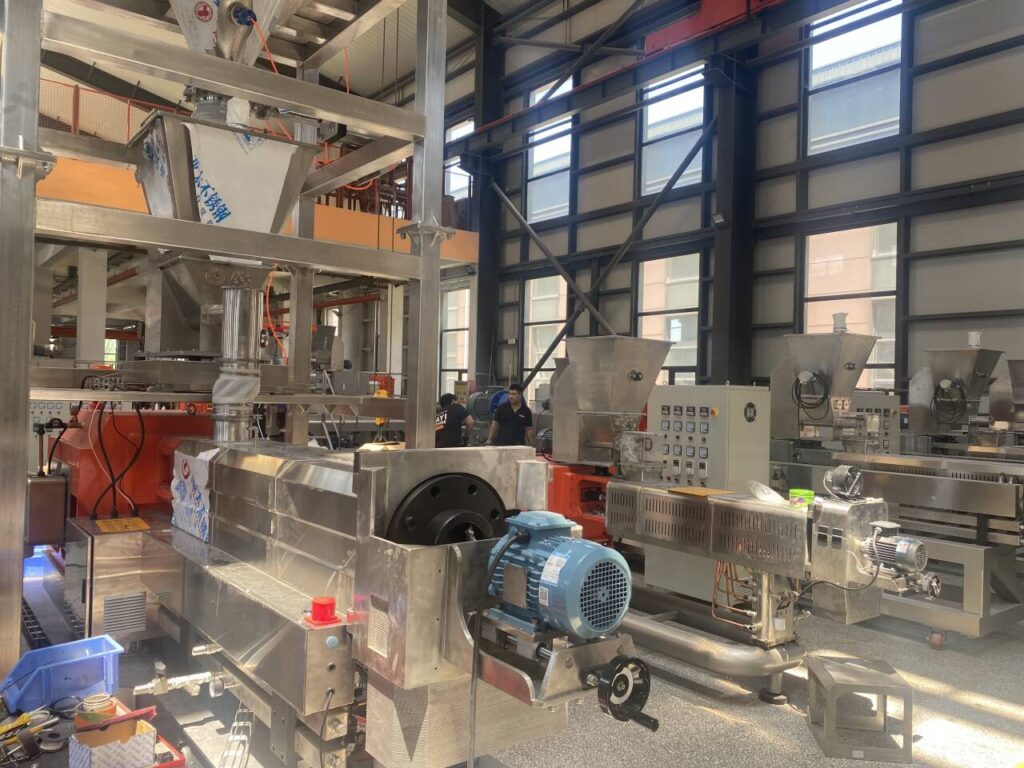
- Drying: The puffs travel through a multi-zone dryer (often a massive oven conveyor belt) to reduce moisture to a crisp 1-2%. This ensures crunch and prevents spoilage.
- The Flavor Cascade: The dried, porous puffs then enter a rotating drum, akin to a giant cement mixer. Here, the flavor is applied. A seasoned oil or powder—cheese, sour cream & onion, barbecue—is sprayed or tumbled onto them. The porous structure acts like a sponge, absorbing the coating. The fat (oil) is crucial—it carries the flavor and creates the satisfying mouthfeel that makes the snack “addictive.”
Stage 5: The Finale – Packaging for Shelf Life
The snacks are cooled and immediately fed into packaging machines.
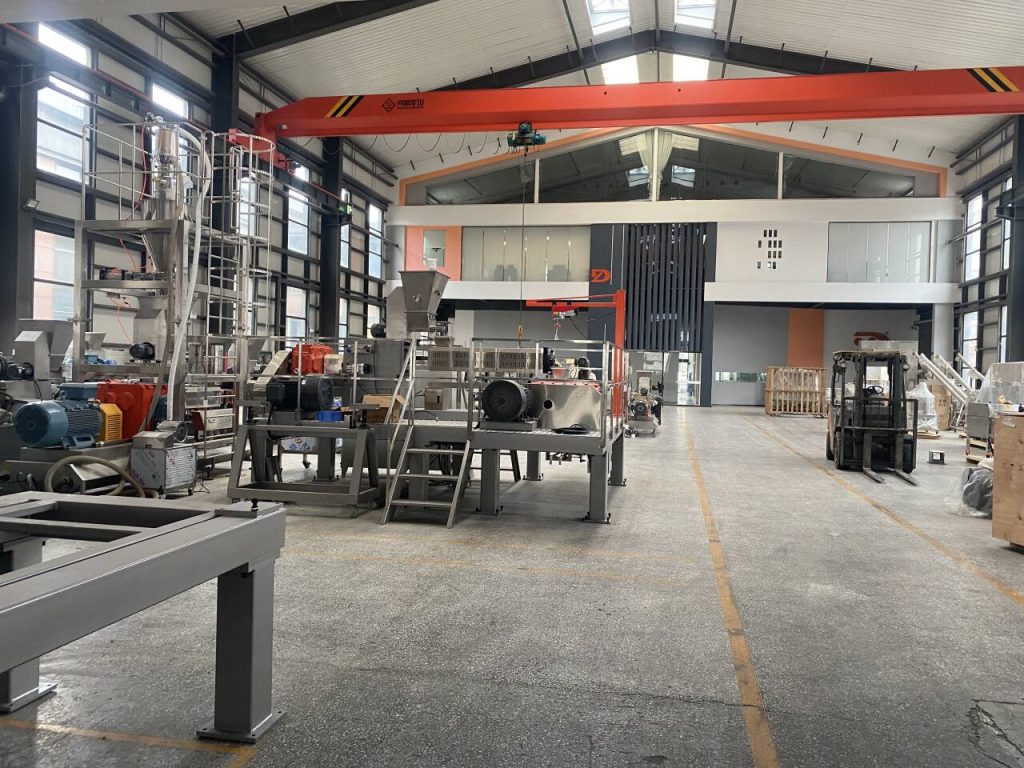
- Nitrogen Flushing: Bags are not just filled with air. They are flushed with nitrogen gas. This inert gas displaces oxygen, which would cause the fats to become rancid (oxidize) and the snacks to go stale. That satisfying “puff” of air when you open a fresh bag? It’s mostly nitrogen, preserving the crunch and extending shelf life for months.
The Unseen Truths: An Exposé Within the Exposé
Beyond the mechanical steps, several key truths define this industry:
- The Illusion of Volume: The primary ingredient is air. The puffed structure means you pay a significant premium for a product that is mostly void.
- Flavor is a Late Addition: The “cheese” in a cheese puff or the “ranch” on a chip is a finely-tuned powder of flavorants, colorants (like annatto or paprika extract), salt, and MSG or yeast extracts designed to trigger umami and crave-response.
- Nutritional Void: The extrusion process can degrade heat-sensitive vitamins and fiber. While often fortified, the starting point is a refined carbohydrate that spikes blood sugar. The health halo of “baked not fried” is often misleading—the flavor coating is still fat-based.
- Scale and Efficiency: This is not craft food. A single extruder line can produce thousands of kilograms of snack food per hour, explaining the low cost and ubiquity of these products.
The production of puffed snacks is a brilliant feat of food engineering, transforming inexpensive commodities into light, flavorful, and highly profitable products. puffed corn snack making machine Understanding this process reveals the core truth: these are not “foods” in a whole, nourishing sense, but rather delivery systems for specific sensory experiences—crunch, salt, fat, and umami—designed for maximum palatability and shelf life. The next time you feel that airy crunch dissolve on your tongue, remember the journey of extreme heat, pressure, and industrial precision that made it possible.
 Japanese
  English
  Russian
  Spanish
  Italian
  Arabic
  Portuguese
  German
  French
  Moroccan Arabic
  Persian
  Belarusian