
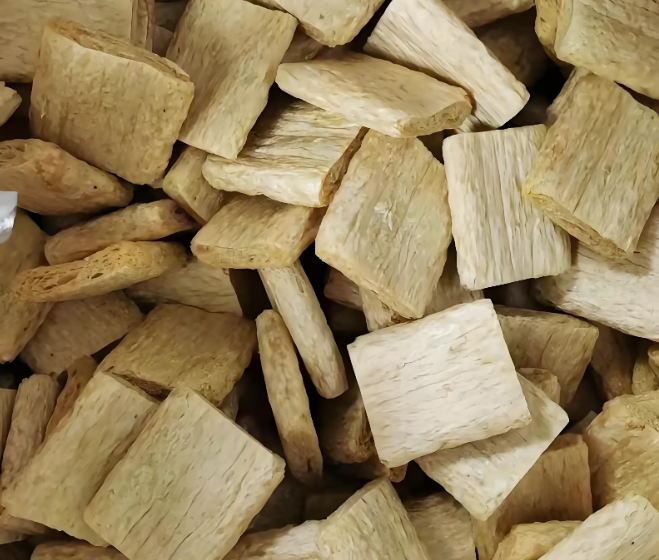
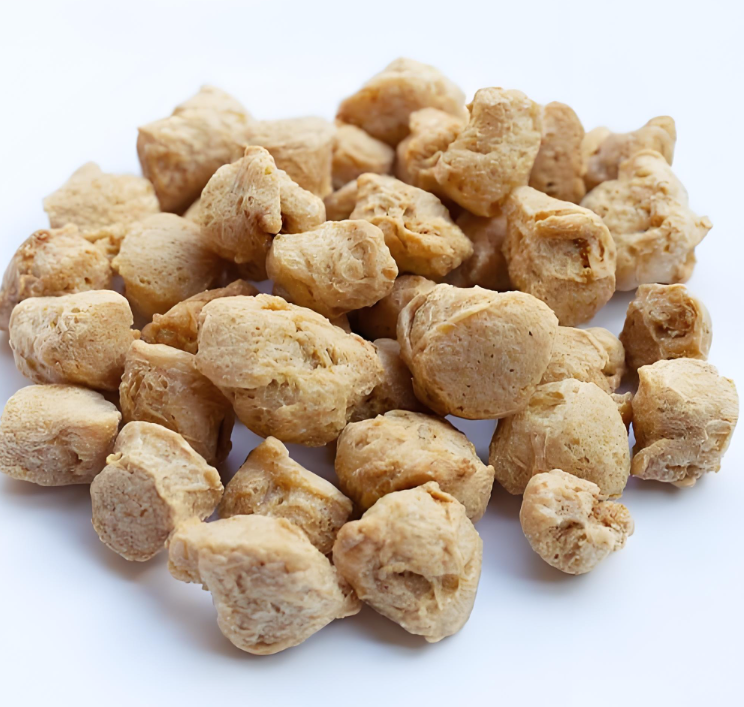
Textured Soy Protein (TSP), also known as Textured Vegetable Protein (TVP), is a versatile, high-protein food ingredient derived from soybeans. It is celebrated for its meat-like texture, nutritional profile (high in protein and fiber, low in fat), and cost-effectiveness, soybean extruder making it a cornerstone of vegetarian, vegan, and budget-conscious cooking. This article details the standard industrial processing methods used to transform defatted soy flour into this fibrous, spongy product.
1. Raw Material: Defatted Soy Flour
The primary feedstock for TSP is defatted soy flour, a co-product of the soybean oil extraction industry. After oil is removed (typically via hexane solvent extraction or mechanical pressing), soybean extruder the remaining cake is ground into a fine, high-protein (50-55% protein), low-fat (<1%) flour. This flour forms the base material for texturization.
2. The Core Process: Texturization via Thermoplastic Extrusion
The dominant and most efficient industrial method for producing TSP is High-Temperature Short-Time (HTST) Thermoplastic Extrusion. This continuous process transforms the bland soy flour into a structured, fibrous product.
Step-by-Step Breakdown:
- Pre-conditioning & Mixing: Defatted soy flour is fed into a preconditioning chamber. Here, it is uniformly mixed with water, steam, and sometimes minor additives like flavorings, colorants (e.g., caramel for a “beefy” hue), or vital wheat gluten (to enhance chewiness). Moisture content is critical, typically adjusted to 25-35%.
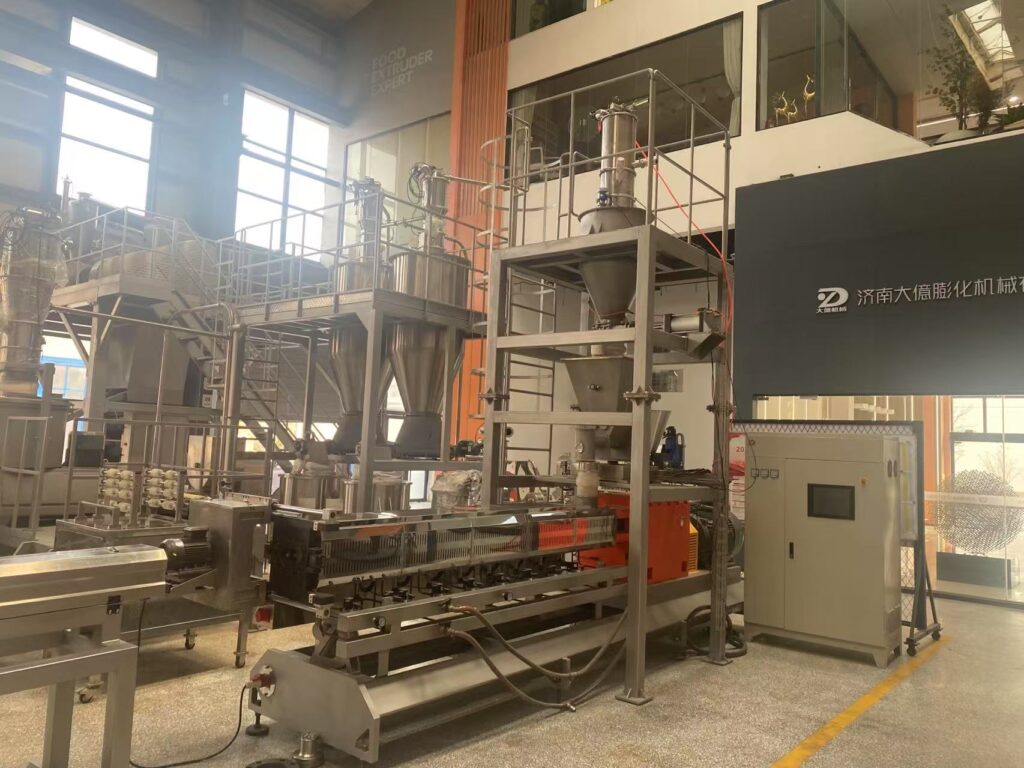
- The Extrusion Cooker: The moistened mixture is then conveyed into the barrel of the extruder—a long, screw-driven machine. As it moves through the barrel, it is subjected to intense:
- Mechanical Shear: The rotating screws knead and grind the mixture.
- High Pressure: Internal pressure builds dramatically (up to 30-40 bar).
- High Temperature: Friction and external heating raise the temperature to 140-180°C (285-355°F).
- Texturization & Expansion: The hot, plasticized mass is forced through a specialized die at the end of the extruder. The die plate contains small, shaped openings (slits for chunks, holes for granules). As the material exits the high-pressure environment into atmospheric pressure, the superheated moisture instantly vaporizes (“flash evaporation”), causing the product to expand dramatically. This expansion, combined with the alignment of protein fibers as they flow through the die, creates the characteristic spongy, layered, and meat-like fibrous texture.
- Cutting, Drying & Cooling: The extruded strands or sheets are immediately cut to the desired size (chunks, flakes, granules) by a rotating knife. The hot, moist pieces are then conveyed to a multi-stage dryer (often a belt dryer) where hot air reduces the moisture content to 8-10% for shelf-stability. Finally, the product is cooled and screened for size uniformity.
3. Alternative & Traditional Methods
While extrusion dominates, other methods exist:
- Spun Protein Fiber (Historical): A more complex, capital-intensive process where soy protein isolate is dissolved in an alkaline solution, forced through a spinneret (like a showerhead) into an acid bath to coagulate into fine fibers. soybean extruder These fibers are then bundled, stretched, and bound with egg albumin or other binders. This creates a very fine, shred-like texture, similar to chicken breast, but is less common today due to higher costs.
- Steam Texturization: Less common, this involves agglomerating soy flour with steam and pressure in an autoclave to create a chunk-like product.
4. Functional Properties & Advantages of the Extrusion Process
- Rapid Hydration: The porous structure allows TSP to rehydrate quickly in hot water or broth, increasing 2-3 times in weight.
- Texture Absorption: It readily absorbs surrounding flavors and marinades.
- Versatility: Can be manufactured in various sizes (mince, chunks, strips) to mimic different meats (ground beef, stew chunks, chicken strips).
- Nutritional Enhancement: The high heat destroys anti-nutritional factors (trypsin inhibitors, urease) naturally present in raw soy flour, improving protein digestibility. It is a complete protein containing all essential amino acids.
- Efficiency & Scale: Extrusion is a continuous, automated process with high throughput and low operational costs.
5. Final Product & Application
The final dried TSP is a shelf-stable, dry commodity. Before consumption, it must be rehydrated (typically with a 1:2 or 1:3 ratio of TSP to hot liquid for 5-10 minutes). Once hydrated, it can be used as a direct, cooked substitute for ground meat in dishes like Bolognese sauce, chili, tacos, sloppy Joes, and patties. It is also widely used by food manufacturers as an extender in processed meat products (sausages, burgers) to reduce cost and increase protein content.
Conclusion
The creation of Textured Soy Protein via thermoplastic extrusion is a remarkable feat of food engineering. It efficiently upgrades an industrial by-product—defatted soy flour—into a nutritious, functional, and sustainable food ingredient with a meat-mimetic texture. Understanding this process highlights how simple ingredients, through controlled application of heat, pressure, and shear, can be transformed to meet evolving dietary needs and preferences in the global food supply.
 Japanese
  English
  Russian
  Spanish
  Italian
  Arabic
  Portuguese
  German
  French
  Moroccan Arabic
  Persian
  Belarusian