
The production of corn flakes, while seemingly straightforward, is a complex process requiring careful attention at every stage to ensure final product quality, safety, and consistency. Here are the critical considerations that must be managed throughout the manufacturing process.
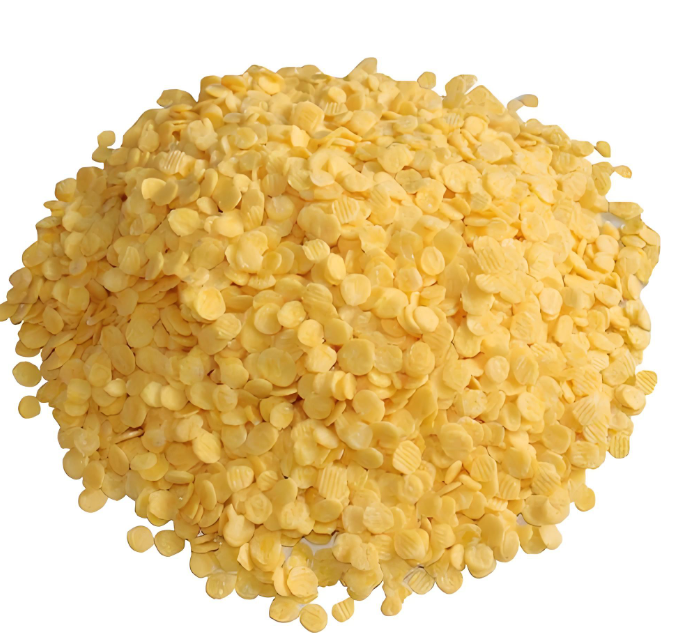
1. Raw Material Selection and Quality Control
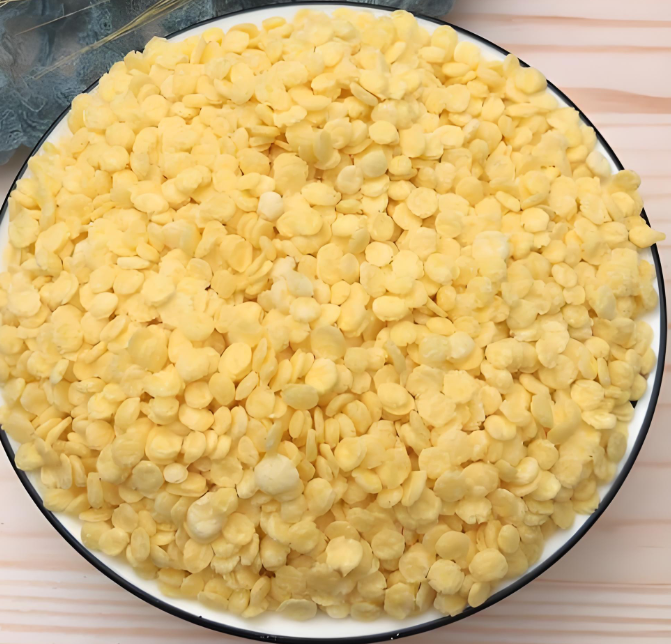
- Corn Quality: The type and quality of corn (e.g., dent corn, high-starch varieties) significantly impact texture and flavor. Consistent supply with minimal impurities (stones, husks, foreign material) is essential.
- Ingredient Specifications: Added ingredients like malt, sugar, salt, and fortification mixes must meet strict microbiological and chemical standards.
- Storage Conditions: Raw materials must be stored under controlled temperature and humidity to prevent mold growth, pest infestation, or rancidity (especially for fortified blends).
2. Critical Process Control Points
- Cooking/Steaming Stage:
- Uniformity: Ensure even steam penetration and cooking to achieve consistent starch gelatinization across all grits. Undercooked grits lead to hard, white centers in flakes; overcooked grits become too sticky.
- Moisture Content: Precise control of moisture after cooking (typically 28-32%) is vital for proper flaking.
- Flaking Process:
- Roller Conditioning: Flaking rolls must be maintained at precise temperature and gap settings. Worn or misaligned rollers cause uneven thickness, leading to variable toasting and texture.
- Flake Integrity: Avoid excessive pressure that shreds the flakes or insufficient pressure that yields thick, dense pieces.
- Toasting/Drying Stage:
- Temperature/Time Profile: This is the most critical step. Uneven heat distribution causes color and moisture inconsistencies—some flakes may burn while others remain pale and soggy.
- Moisture Management: Final moisture must be reduced to 1-3%. Inadequate drying risks microbial growth and loss of crispness; over-drying makes flakes brittle and increases breakage.
- Browning Control: Maillard reaction must be carefully managed to achieve consistent golden color without generating excessive acrylamide (a potential carcinogen formed in high-heat starchy foods).
3. Food Safety and Hygiene
- Thermal Process Validation: Cooking and toasting stages must be validated to eliminate pathogenic microorganisms (e.g., Salmonella, E. coli).
- Allergen Control: If other grains (wheat, barley malt) are processed in the same facility, strict segregation, sequencing, and cleaning protocols are mandatory to prevent cross-contamination.
- Metal Detection: All product must pass through metal detectors or X-ray systems to detect and reject foreign metal particles from worn equipment.
- Sanitary Design: Equipment should be accessible for cleaning, with minimal dead spaces where product or moisture can accumulate and harbor bacteria or pests.
4. Nutritional Consistency and Fortification
- Premix Uniformity: Vitamin and mineral premixes must be blended homogeneously into the slurry to ensure uniform nutrition in every serving.
- Nutrient Stability: Heat-sensitive nutrients (e.g., Vitamin C, Thiamine) can degrade during toasting. Overages may be required, and coating (applied post-toasting) is often used for sensitive additives.
- Sodium & Sugar Content: Precisely control added salt and sugar to meet label claims and regulatory limits, especially for products marketed to children.
5. Texture and Sensory Quality
- Bowl Life: The flake’s resistance to sogginess in milk is a key consumer metric. It is influenced by starch gelatinization, flake density, surface dextrinization during toasting, and final moisture.
- Breakage Prevention: Excessive handling, impact during transfer, or improper packaging can create fine particles (“fines”), reducing perceived quality. Proper pneumatic conveying and cushioning drops are crucial.
- Flavor Development: Consistent thermal processing ensures the development of the desired “toasted” notes without burnt or bitter off-flavors.
6. Operational and Efficiency Considerations
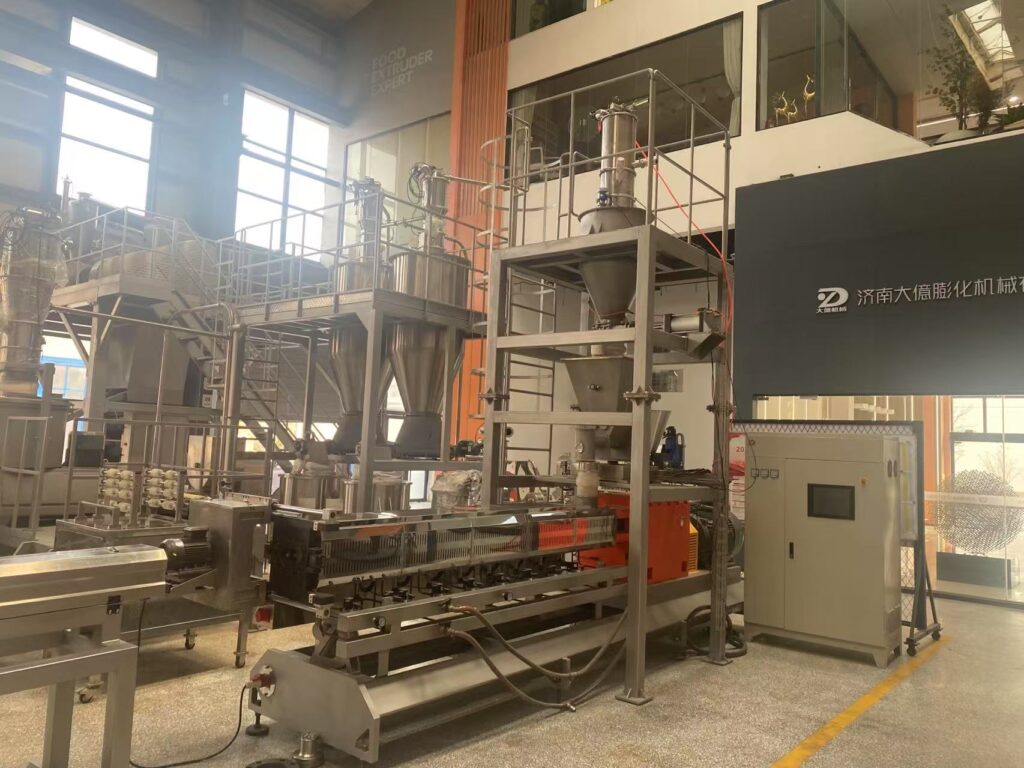
- Energy Management: The toasting stage is highly energy-intensive. Efficient heat recovery systems (e.g., from exhaust air) and well-insulated ovens are necessary to control costs.
- Yield Optimization: Minimize product loss from fines, spillage, or out-of-spec material. Fines can sometimes be recycled into the cooker, but this must be controlled to avoid quality issues.
- Equipment Maintenance: Regular maintenance of flaking rolls, dryer belts, and coating drums prevents unexpected downtime and quality deviations.
7. Packaging and Shelf-Life Stability
- Moisture Barrier: Packaging film must have excellent moisture barrier properties to prevent the flakes from absorbing environmental humidity and becoming soft.
- Nitrogen Flushing: Often used in packaging to displace oxygen, slowing oxidation (rancidity) and preserving crispness and flavor.
- Light Protection: For products with added vitamins or sensitive oils, opaque packaging or light-blocking materials prevent nutrient degradation and off-flavor development.
Successful corn flake production relies on a holistic approach that integrates rigorous raw material standards, precise control of thermal and mechanical processes, unwavering commitment to food safety, and meticulous attention to sensory and operational details. Each step, from grain selection to sealed packaging, presents potential pitfalls that must be proactively managed. The difference between a superior, consistent product and a substandard one lies in the systematic control of these numerous, interconnected variables throughout the entire production chain.
 Japanese
  English
  Russian
  Spanish
  Italian
  Arabic
  Portuguese
  German
  French
  Moroccan Arabic
  Persian
  Belarusian