
Breakfast cereal corn flakes are a popular and convenient morning meal, corn flakes machine known for their crisp texture and mild corn flavor. Modern industrial production relies heavily on extrusion technology, which offers high efficiency, consistency, and control. Here is a step-by-step overview of how corn flakes are produced using an extruder.
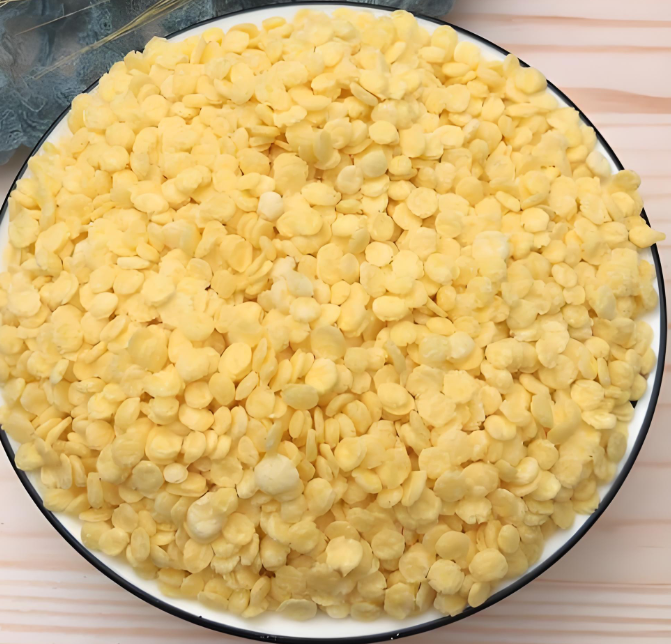
1. Ingredient Preparation and Mixing
The primary ingredient is corn grits or corn meal, which provides the characteristic flavor and texture. Additional components are added to the dry mix:
- Malt syrup or sugar for sweetness and browning.
- Salt for flavor enhancement.
- Vitamins and minerals (like iron, B-vitamins) for fortification.
- Water is precisely added to achieve the desired moisture content (typically 12-18%).
The dry and wet ingredients are thoroughly blended in a pre-conditioner or mixer. This step hydrates the meal and begins starch gelatinization, corn flakes machine ensuring a uniform feed into the extruder.
2. The Extrusion Cooking Process
The homogenous mix is fed into a twin-screw extruder. This is the heart of the process.
- The material is conveyed through the extruder barrel by co-rotating screws.
- As it moves, it is subjected to intense shear, pressure, and heat (from mechanical energy and external barrel heaters). This cooks the mixture thoroughly, fully gelatinizing the starch.
- The high temperature and pressure also sanitize the mix.
- The cooked dough becomes a viscous, plasticized mass. Flavorings or colors can be injected directly into the barrel during this stage.
3. Shaping and Forming
At the end of the extruder barrel, the hot, cooked dough is forced through a specialized die.
- The die has a thin, slit-shaped opening that forms the dough into a continuous, wide, flat ribbon.
- As the ribbon exits the die, it expands (puffs) slightly due to the sudden pressure drop, and is then typically cut to rough length by a rotating knife.
4. Drying and Cooling
The soft, extruded ribbons have a high moisture content and are not yet crispy.
- They are conveyed through a multi-pass dryer (often a conveyor belt dryer) where hot air gently removes moisture to a low level (around 3-5%).
- This drying process sets the structure and prepares the flakes for the final toasting.
- The dried ribbons are then cooled to room temperature on a cooling conveyor, stabilizing them for the next step.
5. Flaking and Toasting
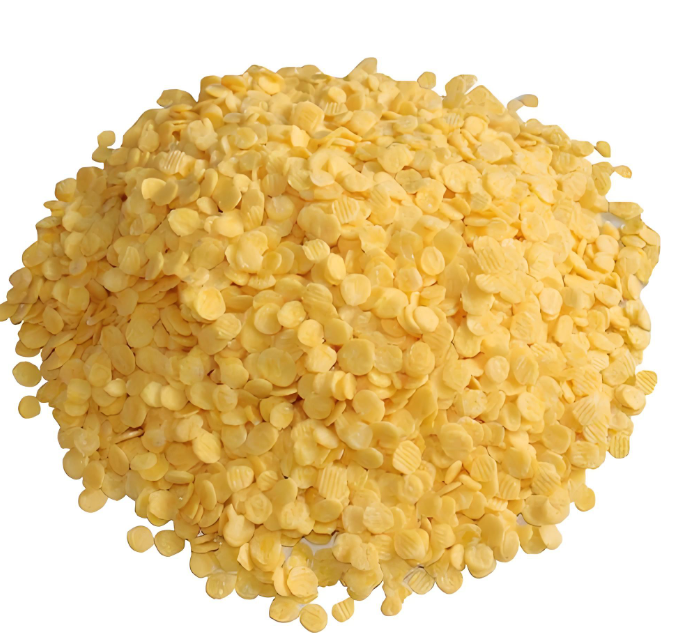
- The dried, cooled ribbons are passed through large, heavy flaking rolls. These steel rollers compress each ribbon into the familiar, thin, flat flake shape.
- The flakes are then toasted in a gas-fired or electric oven (a toasting drum or oven). This critical step:
- Develops the golden-brown color and roasty flavor through the Maillard reaction.
- Creates the final crisp, brittle texture by removing the last traces of moisture.
- Pasteurizes the final product.
6. Coating and Packaging
- After toasting, flakes can be coated with a fine spray of vitamins (to compensate for heat loss) and sweeteners or flavorings.
- The corn flakes are then cooled again.
- Finally, they are transferred to packaging lines where they are weighed and filled into lined cardboard boxes or bags. Modern packaging machines use inert gas flushing to displace oxygen, which maximizes shelf life and maintains crispness.
Key Advantages of Extrusion:
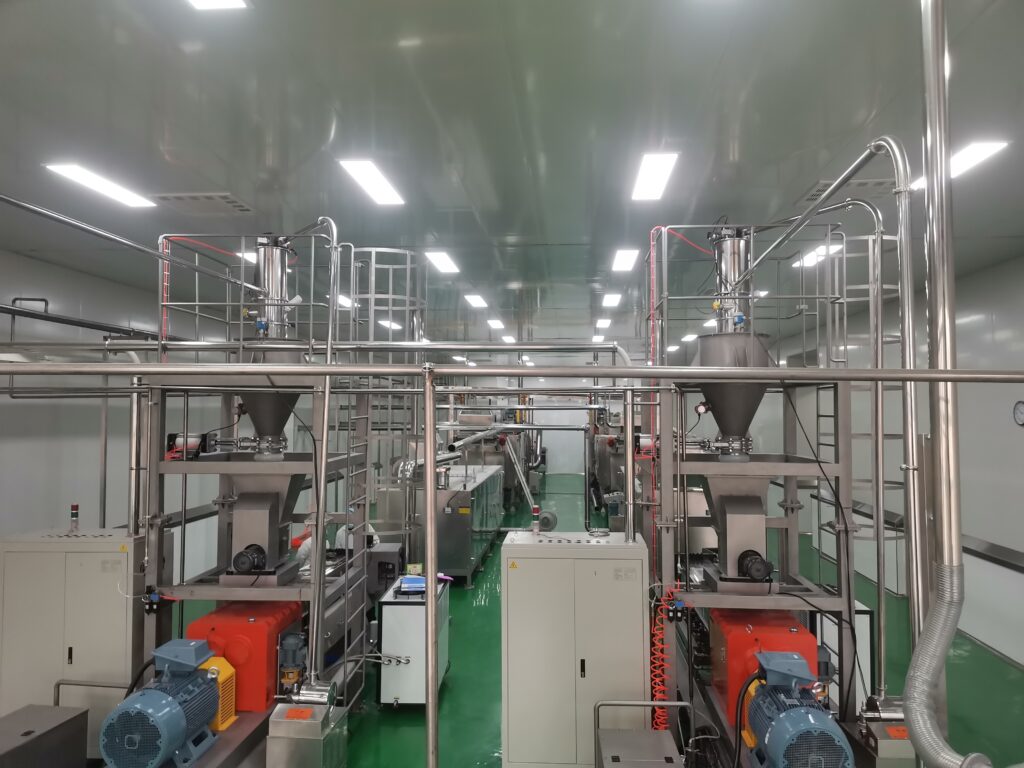
- Continuous Process: Highly efficient and automated.
- Versatility: Product texture (density, crispness) can be adjusted by changing extrusion parameters (screw speed, temperature, moisture).
- Safety: The high-temperature cooking eliminates microbial hazards.
- Consistency: Produces a uniform product in shape, texture, and cooking degree.
In summary, extrusion cooking transforms corn meal into ready-to-eat flakes through a continuous process of cooking, shaping, drying, flattening, and toasting. This technology is fundamental to producing the consistent, shelf-stable, and nutritious breakfast cereal found on supermarket shelves worldwide.
 Japanese
  English
  Russian
  Spanish
  Italian
  Arabic
  Portuguese
  German
  French
  Moroccan Arabic
  Persian
  Belarusian