
Dog food doesn’t have to look like plain brown pellets. In modern pet-food plants, manufacturers can produce kibbles and treats in a wide range of shapes—bones, hearts, stars, fish, triangles, pillows, rings, letters, and custom logos—while still meeting nutrition and safety targets. The secret is combining the right forming technology with the right recipe and process controls.
This article explains the main industrial methods used to make dog food in varied shapes and what it takes to keep those shapes consistent at scale.
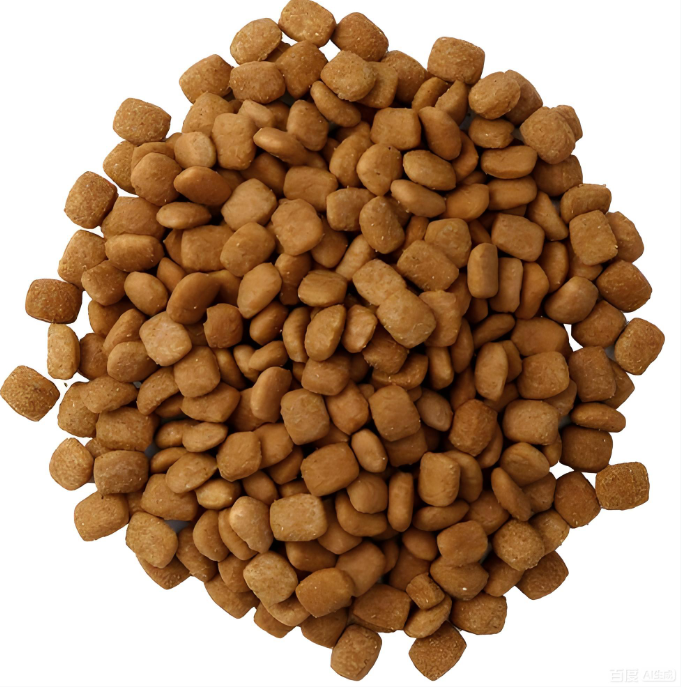
1) Start with the shape goal: kibble, semi-moist, or hard biscuit?
Different textures support different shaping methods:
- Expanded kibble (crunchy, porous): usually made by extrusion; dog food pellet making machine shapes are limited by the die and how the product expands.
- Hard baked biscuits: can be cut, molded, or stamped with sharp details.
- Semi-moist treats (chewy): often formed by cold extrusion, depositing, or molding; hold complex shapes well.
Choosing the product type first prevents “pretty shapes” from collapsing during cooking, drying, or packaging.
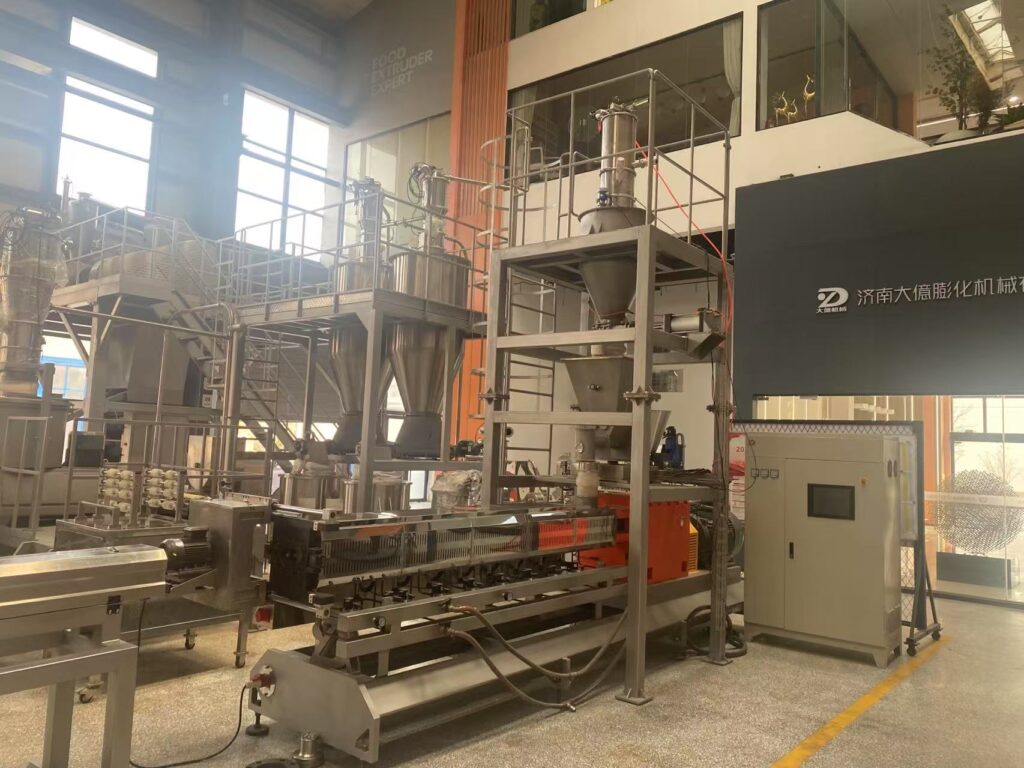
2) Extrusion shaping (the workhorse for kibble)
A) Die-shaped extrusion (most common)
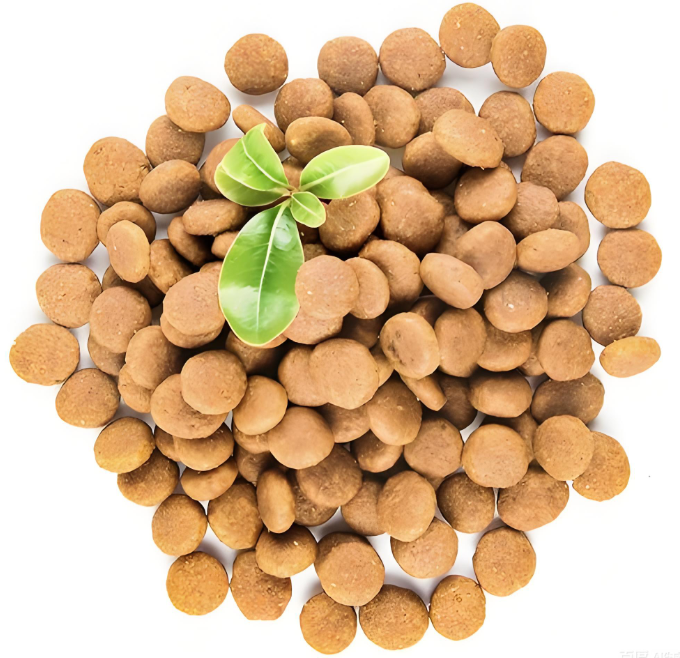
For kibble, the extruder pushes cooked dough through a die plate. The die opening determines the cross-section:
- circles, triangles, squares
- clover-like shapes
- multi-lobed “flowers”
- rings or hollow shapes (with specialized dies)
A rotating knife cuts the strand into pieces. Knife speed controls length; die design controls profile.
Key limitation: extruded kibble expands when exiting the die. Expansion can round off fine details, so extremely sharp corners or thin points may not survive.
B) Co-extrusion (filled or “pillow” shapes)
Co-extrusion uses two streams:
- an outer kibble “shell”
- an inner filling (meat paste, gravy-like center, or softer core)
This makes:
- pillows
- filled tubes
- dual-texture bites
Co-extrusion is popular because shape and “surprise center” improve palatability and product differentiation.
C) Multi-color extrusion
By feeding different colored dough streams or applying post-processing color systems (where allowed), plants can create:
- two-tone pieces
- mixed shapes in one bag
- “rainbow” blends (more common in treats than complete diets)
3) Baking and cutting (best for crisp, detailed shapes)
For dog biscuits and some treats, manufacturers often use:
A) Sheeting + rotary cutting
Dough is sheeted to a uniform thickness, then cut with rotary dies into:
- bones, hearts, stars
- seasonal designs
- characters and logos
This method produces crisp edges and consistent dimensions.
B) Stamping and molding
Thicker dough can be pressed into molds for deep relief patterns and brand marks. Baking sets the shape permanently, and drying reduces moisture for shelf stability.
Why baking is great for shapes: there is little “puff expansion” compared with kibble extrusion, so details stay sharper.
4) Molding and depositing (for soft/chewy treats)
Chewy treats often rely on methods similar to confectionery:
- Depositing: a paste is dropped into molds or onto belts in measured portions.
- Compression molding: material is pressed into cavities.
- Silicone or metal molds: allow highly detailed shapes (paw prints, faces, letters).
These methods support complex geometry, but the product must be formulated so it releases cleanly and doesn’t deform during cooling.
5) Pelletizing and agglomeration (clusters and “nuggets”)
Some products use pellet mills or agglomeration to form:
- small pellets
- clusters
- irregular “nugget” textures
While not as precise as cutting or molding, these formats can create a distinctive look and mouthfeel.
6) The recipe must match the shaping method
To maintain shape through cooking, drying, cooling, coating, and shipping, manufacturers tune:
- Starch type and level: drives binding and, in extrusion, expansion. dog food pellet making machine
- Moisture: affects flow through dies and cutters; too wet = deformation, too dry = cracks.
- Protein and fiber: impact structure and brittleness.
- Fat: improves palatability but can weaken structure and reduce expansion; often added after shaping via coating.
- Emulsifiers/binders (where used): improve shape retention and reduce breakage.
Shape is never just “a mold”—it’s a formulation + process outcome.
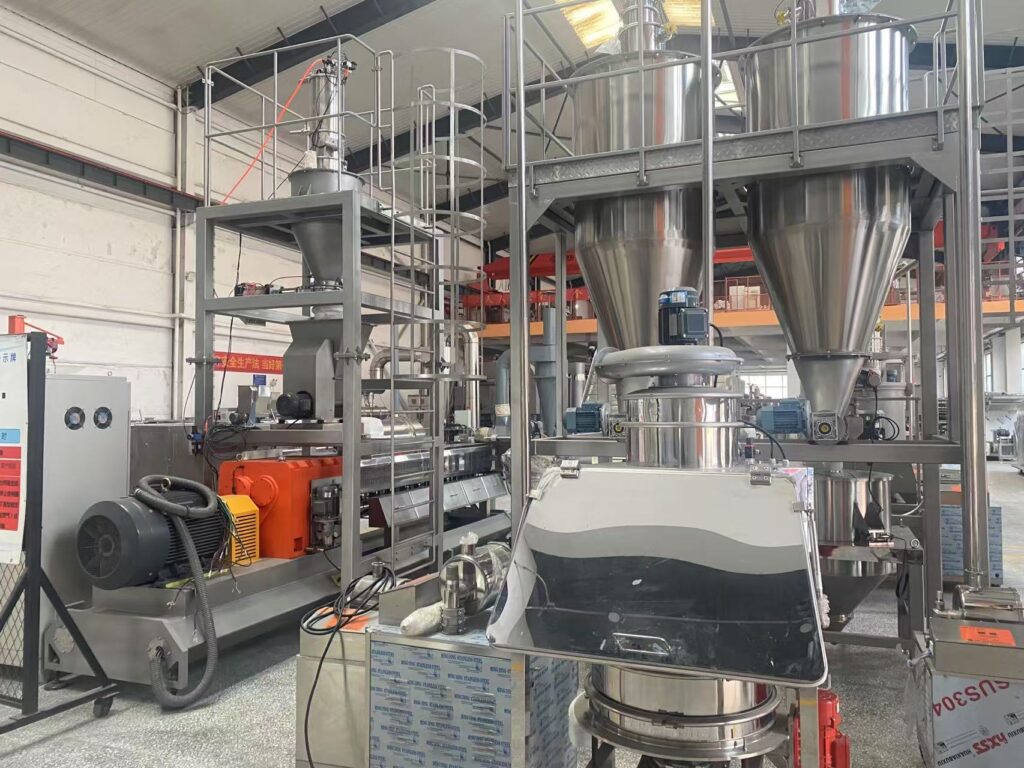
7) Drying and cooling determine whether shapes survive
Even if pieces come out perfect, they can fail later:
- Over-drying can cause cracking and breakage (high “fines” in the bag).
- Under-drying can lead to deformation, sticking, or spoilage.
- Insufficient cooling can cause condensation in packaging, softening edges and damaging detailed shapes.
Industrial lines use staged drying and controlled cooling to lock in geometry.
8) Mixing shapes in one bag: the hidden challenge
Multi-shape products are popular, but they’re harder to manufacture consistently because different shapes can have different:
- density
- drying rates
- breakage resistance
- coating pickup (fat/flavor absorption)
Plants may run shapes separately, dry them to matched targets, then blend them in controlled ratios to keep the final bag uniform.
9) Quality checks for shape consistency
Typical checks include:
- dimensional checks (width/length/thickness)
- bulk density and piece weight
- fines/breakage rate
- moisture and water activity
- coating uniformity
- visual inspection for deformation and color variation
These controls ensure the shapes look good not just at the factory, but also after shipping.
Manufacturing dog food in many shapes is a blend of engineering and formulation. Extrusion is ideal for high-volume kibble shapes, baking delivers crisp and detailed biscuits, and molding/depositing excels for chewy, complex designs. dog food pellet making machine The final shape depends as much on moisture, starch, fat, drying, and cooling as it does on the die or mold itself.
If you tell me what kind of product you mean—extruded kibble, baked biscuits, or chewy treats—I can tailor the article to one process, add a simple “production line flow” section, and include common troubleshooting for shape defects (rounding, collapse, cracking, or high breakage).
 Japanese
  English
  Russian
  Spanish
  Italian
  Arabic
  Portuguese
  German
  French
  Moroccan Arabic
  Persian
  Belarusian