
Breadcrumbs, known commercially as breading or “panko” in their Japanese form, are a staple ingredient found in kitchens and food processing plants worldwide. bread crumb coating machine Their journey from simple loaf to uniform crumb is a fascinating example of food engineering, blending tradition with industrial precision.
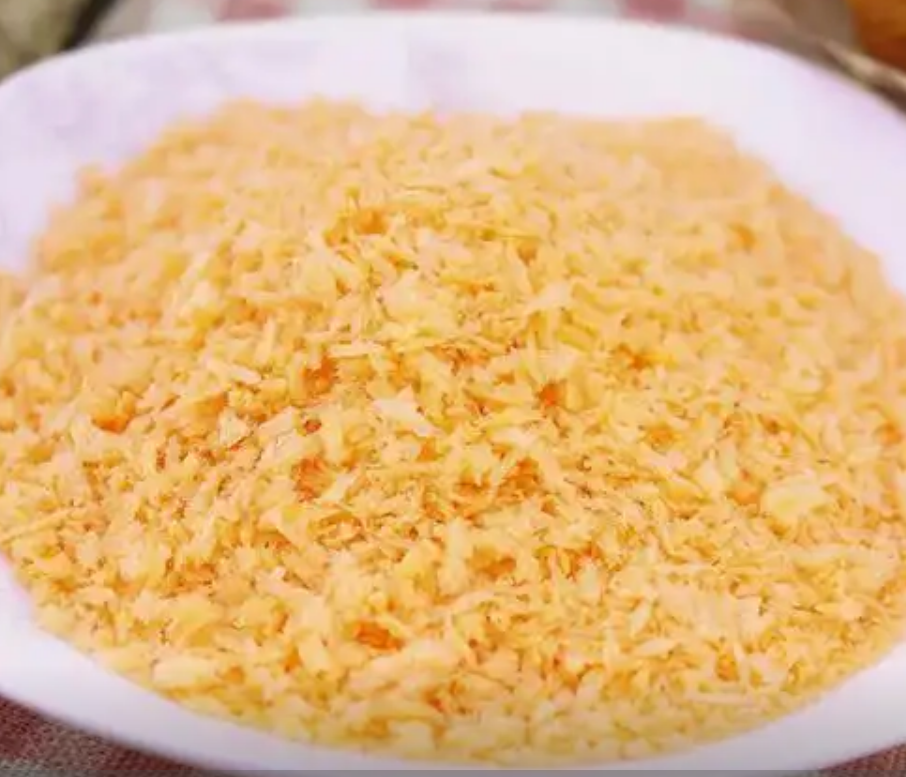
The Raw Material: Selecting the Bread
The process begins not with crumbs, but with whole bread. Manufacturers typically use one of three sources:
- Primary Production: Bread is specifically baked for crumbing. bread crumb coating machine This allows for tight control over recipe (often a simple, low-sugar, low-fat white or wheat bread), size, and density.
- Bread Reclaim: Unsold but perfectly wholesome bread (crusts, misshapen loaves, end pieces) from bakeries and supermarkets is reclaimed. This is a key pillar of food waste reduction in the industry.
- Toast Slices: For certain products like dried “breading,” slices are first toasted to a precise color and moisture level.
The Core Production Process
Stage 1: Drying & Stabilization
Fresh bread has about 35-40% moisture, which would cause crumbs to clump and spoil. The bread is therefore dried in large industrial ovens or belt dryers. The goal is to reduce moisture to 8-12% without toasting or browning it, creating a stable, microbiologically safe product. For traditional breadcrumbs, drying may be more aggressive.
Stage 2: The Primary Grind (Coarse Crumbing)
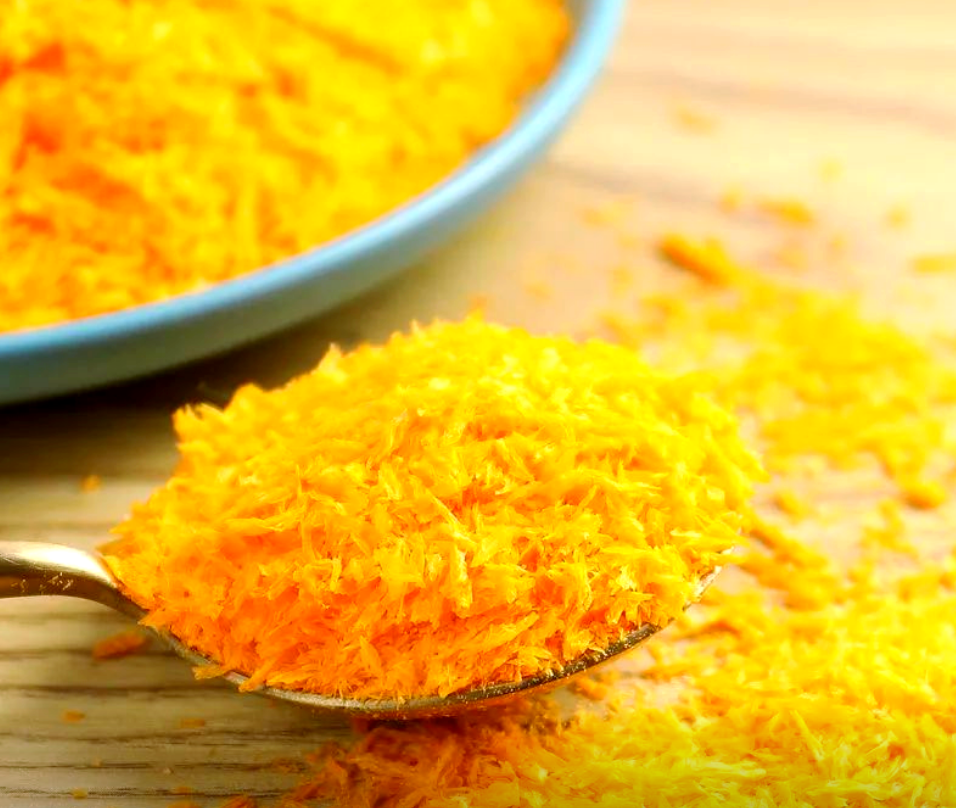
The dried bread loaves or slices are fed into a primary grinder—often a hammer mill or coarse granulator. This first break creates the initial, uneven pieces. The texture at this stage is crucial for defining the final crumb type.
Stage 3: Sifting & Classification
The coarse crumbs pass through a series of vibrating screens (sieves) to separate them by particle size.
- Overs: Pieces that are too large are sent back for re-grinding.
- Middlings: The target size fractions are collected.
- Fines: Very small particles or dust are often separated for use in other products (like stuffings or thickeners) or for sale as “fine breadcrumbs.”
Stage 4: The Final Grind & Milling (For Fine Crumbs)
For fine, sand-like traditional breadcrumbs, the classified middlings may go through a secondary,bread crumb coating machine finer milling or rolling process to achieve a uniform, powdery texture.
The Panko Exception: Creating the Flake
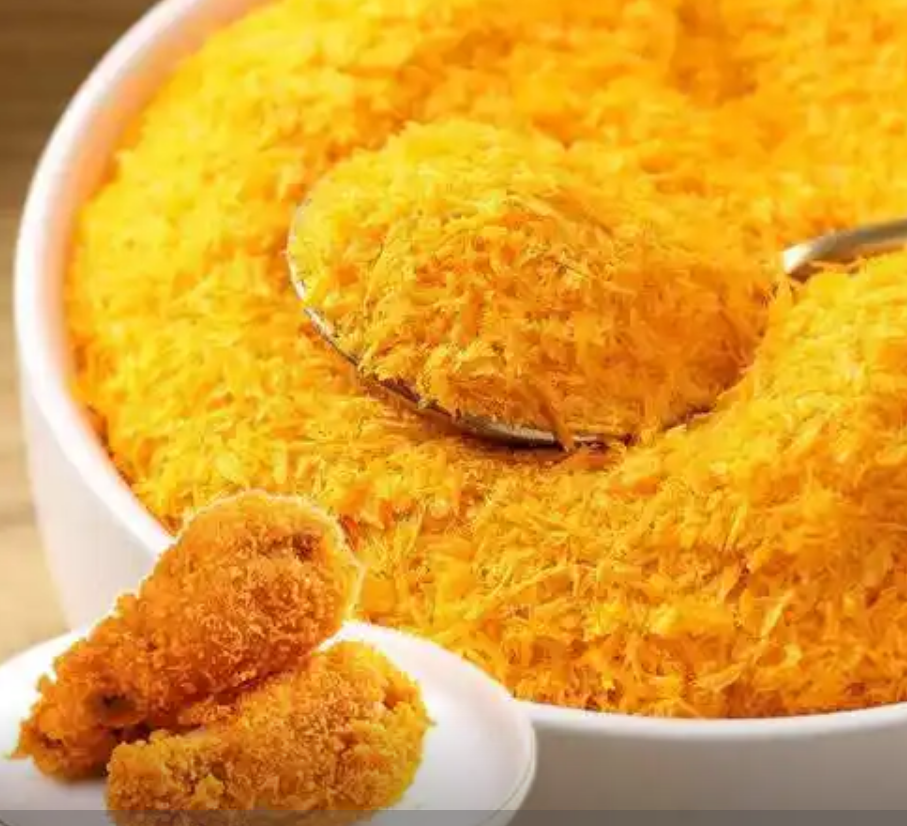
Japanese-style panko breadcrumbs follow a distinct path to achieve their legendary light, crisp, and flaky texture.
- Special Dough: A simple, crustless white bread dough is baked by passing an electrical current through it. This unique method creates a bread with a very uniform, airy structure without a browned crust.
- Shredding, Not Grinding: Instead of being ground, the baked loaves are fed through large shredders or rollers with sharp teeth. This tears the bread apart into large, flaky slivers and flakes, preserving its airy cellular structure.
- Drying: The shreds are then gently air-dried, locking in their distinctive shape and pale color. The result is a crumb that absorbs less oil and fries up crisper and lighter than traditional ground crumbs.
Post-Processing & Enhancement
- Seasoning: Crumbs can be tumbled in mixers with dry seasonings (salt, herbs, spices, dehydrated cheese, etc.) to create flavored varieties.
- Toasting: For a golden color and nuttier flavor, some breadcrumbs are dry-toasted after grinding.
- Fortification: Nutrients like iron or vitamins may be added to meet specific dietary guidelines.
Packaging & Preservation
The finished crumbs are packaged in moisture-proof bags, often with nitrogen flushing to displace oxygen. This prevents rancidity (of any residual fats) and staling, ensuring a long shelf life. They are then boxed for distribution to food manufacturers, restaurants, and grocery stores.
From Factory to Kitchen: The Final Transformation
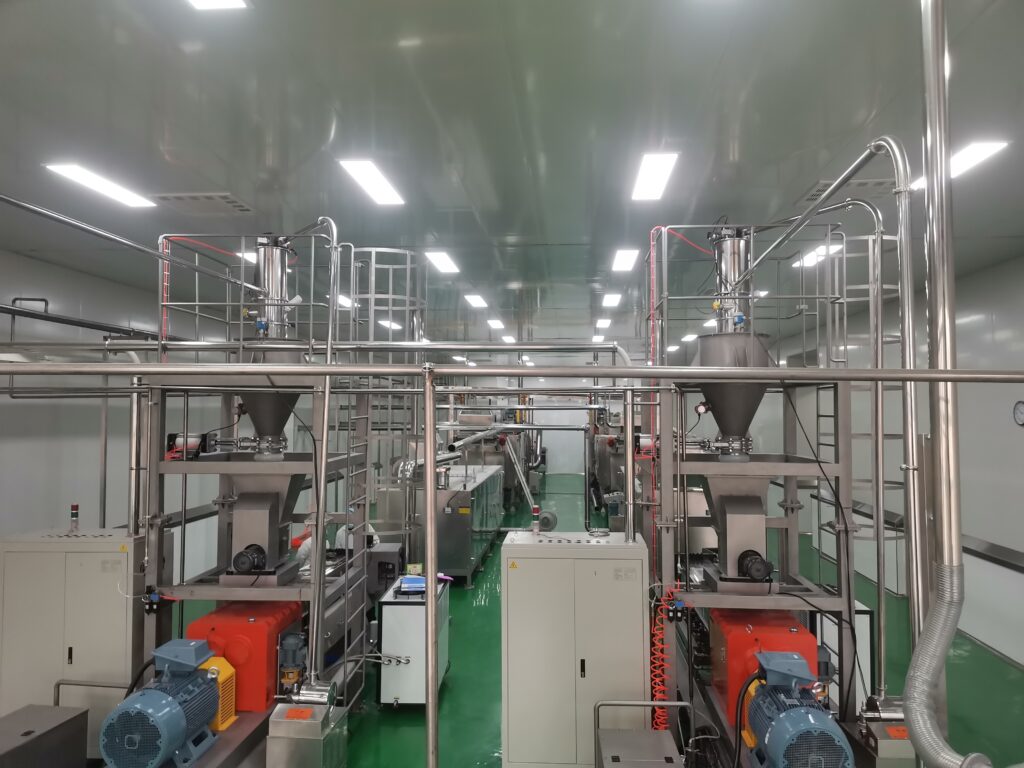
In industrial food processing (for chicken nuggets, fish sticks, etc.), breadcrumbs are applied in a breading line: the product is dusted with flour, dipped in a wet batter, and then rolled in the crumbs before par-frying and freezing. In home and restaurant kitchens, they provide a simple way to add texture, bulk, and a golden crust to countless dishes.
The production of breadcrumbs is a brilliant exercise in value creation and waste reduction. bread crumb coating machine It transforms a ubiquitous, humble staple—bread—into an essential ingredient that adds crucial texture and functionality to global cuisine. Whether it’s the fine, golden dust of traditional breading or the shattering crispness of a panko flake, each crumb tells a story of precise mechanical and thermal processing, turning simple bread into the very definition of crunch.
 Japanese
  English
  Russian
  Spanish
  Italian
  Arabic
  Portuguese
  German
  French
  Moroccan Arabic
  Persian
  Belarusian