
The production of high-quality expanded snacks, from puffs and curls to direct-expanded shapes, is a precise science that balances ingredient selection, processing parameters, snack extruder machine and stringent quality control. Moving beyond simple volume expansion to achieve superior texture, flavor, and nutritional value requires mastery of several interconnected factors. Here are the five key pillars for manufacturing premium expanded snacks.
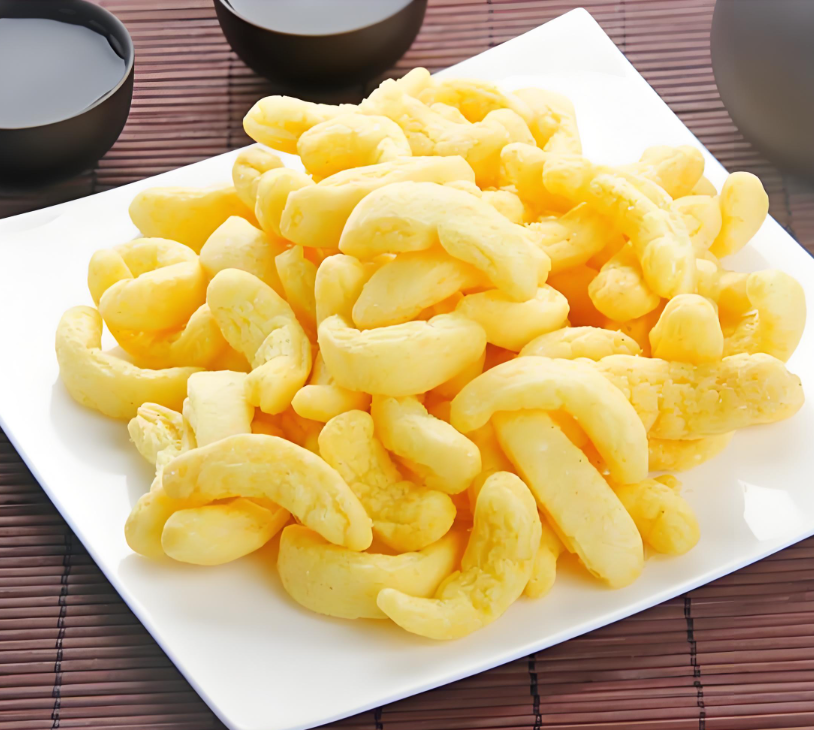
1. Ingredient Selection and Formulation
The foundation of any great snack lies in its raw materials. The primary ingredient is typically a starch source—corn, rice, wheat, potato, or tapioca—each imparting unique characteristics to flavor, color, and expansion. Rice, for instance, offers a clean taste and white color, while corn provides a stronger flavor and golden hue. The protein and fat content of the base material significantly influences texture. Furthermore, snack extruder machine the critical balance between moisture content and the starch-to-protein ratio within the formulation dictates the expansion potential. Precise ingredient particle size, achieved through proper milling, ensures uniform hydration and heat transfer during processing, leading to consistent cell structure. Premium snacks often incorporate functional ingredients like fibers or proteins, which require expert formulation to avoid negatively impacting the desirable light texture.
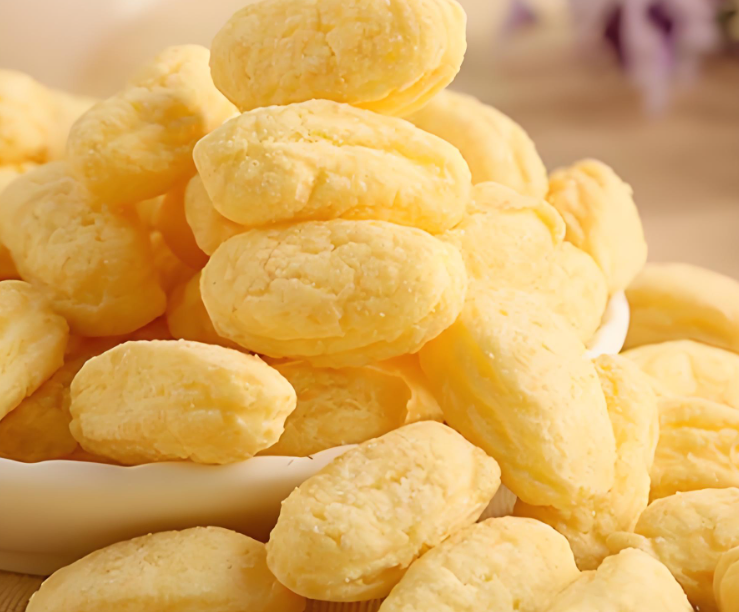
2. Control of Process Parameters: Moisture, Temperature, and Pressure
This is the heart of the expansion process. The transformation occurs in the extruder barrel, where a combination of heat, pressure, and mechanical shear plasticizes the starch-protein matrix.
- Moisture: Acting as a plasticizer, internal moisture (typically 12-18% in the preconditioned mix) turns to steam upon sudden pressure release at the die. This flash-off is responsible for the porous structure. Precise moisture control is non-negotiable.
- Temperature & Shear: Barrel temperature profiles and screw configuration manage the degree of starch gelatinization and melt viscosity. Insufficient heat/shear leads to dense, hard pellets; excessive levels can cause burning, off-flavors, and a coarse, brittle texture.
- Pressure: The pressure built up inside the barrel, just before the die, keeps the water in a superheated liquid state. The drastic pressure drop at the die exit causes instantaneous flash evaporation, creating the cellular foam structure. Die design and configuration are paramount for controlling this release and shaping the final product.
3. Die Design and Extrusion Technology
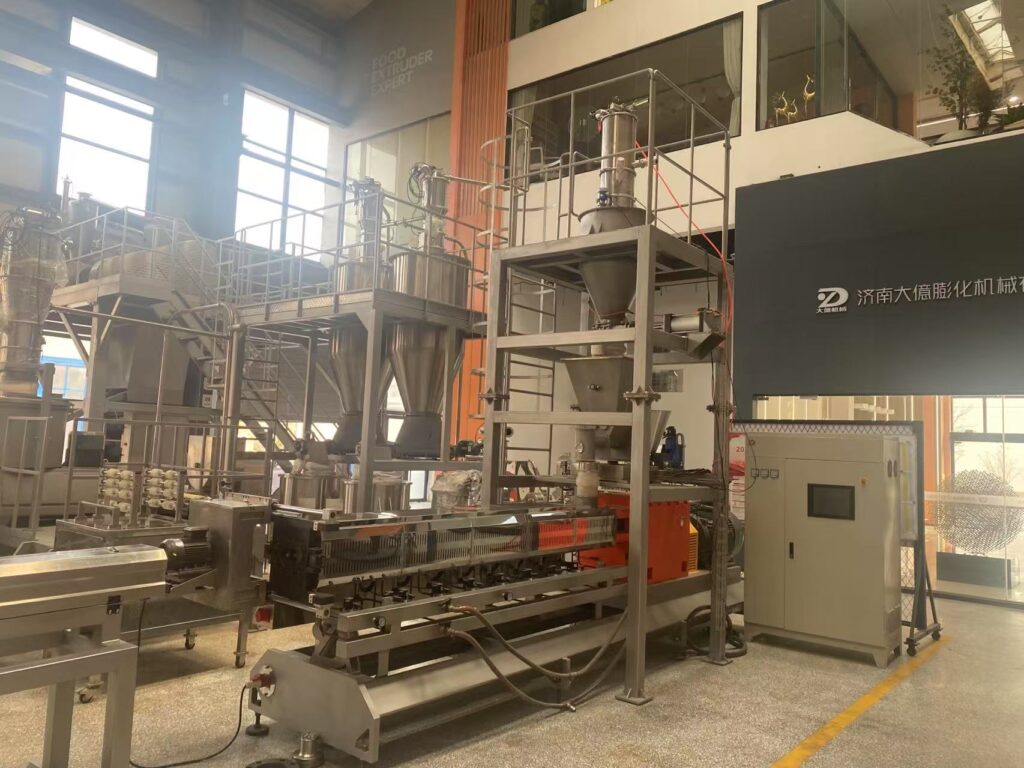
The extrusion die is not just a shape-giving tool; it is a critical determinant of texture. Die geometry, length-to-diameter (L/D) ratio, and the design of the internal flow channels control the pressure drop and expansion direction. A well-designed die ensures uniform flow velocity, preventing defects like sharkskin (rough surface) or inconsistent shapes. snack extruder machine The choice between single-screw and twin-screw extruders is also crucial. Twin-screw extruders offer superior mixing, precise temperature control, and flexibility with high-moisture or difficult-to-process formulations, making them the standard for high-quality, complex snacks. Advanced die technology allows for the creation of multi-textured snacks, such as those with a filled center or layered structure.
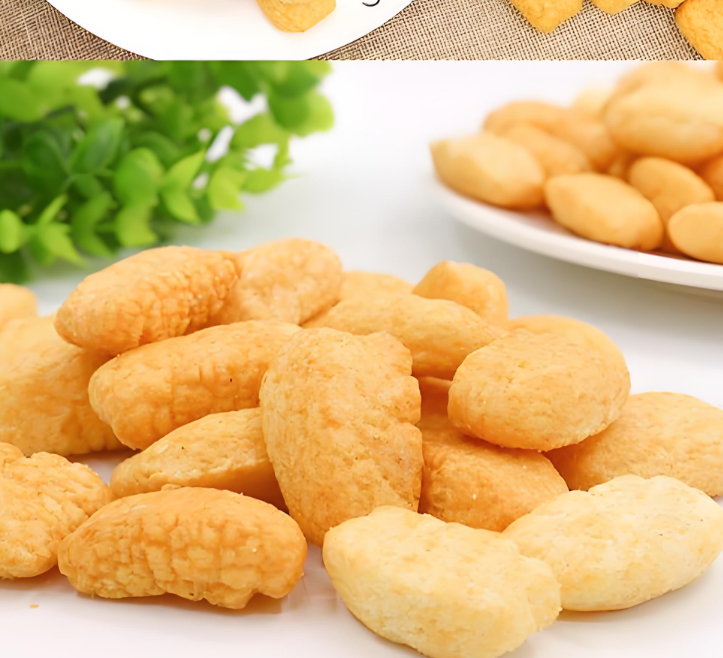
4. Drying and Toasting (Post-Process Finishing)
After expansion, snacks have a high residual moisture content (8-10%) and a soft, pliable texture. A multi-stage drying and toasting process is essential to achieve the signature crispness and extended shelf life. This step reduces the moisture to a stable 1-2%, setting the starch structure and creating a rigid, crunchy matrix. The toasting phase, often done in multi-pass ovens, develops color and flavor through controlled Maillard and caramelization reactions. Precise control of temperature, humidity, and residence time in the oven is vital to prevent case-hardening (a hard shell with a soft interior), checking (cracks), or an overly dense texture. This stage finalizes the snack’s basic eating quality.
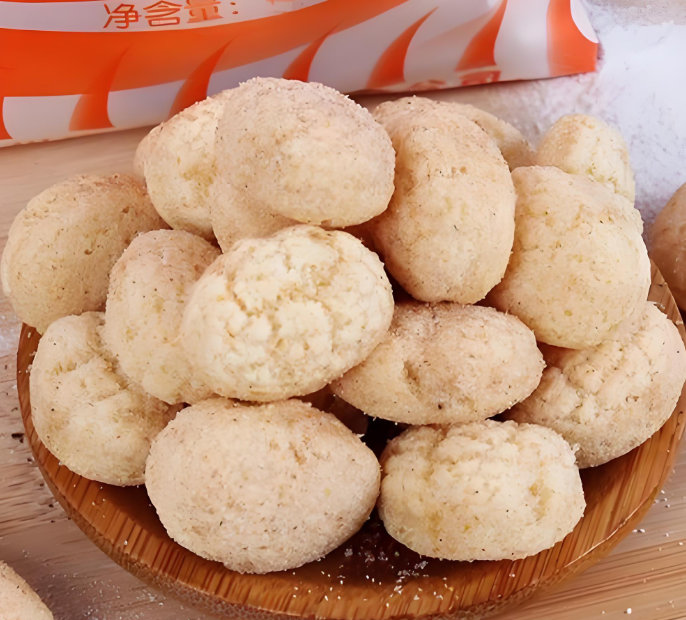
5. Seasoning Adhesion and Flavor Delivery
The final sensory experience is delivered through seasoning. Premium quality is defined by uniform, complete coverage and flavor that persists from the first bite to the last. Successful adhesion relies on an effective surface oil or gum-based slurry application. The oil must be applied in a fine mist, at the correct temperature and dosage, to act as a “glue” for dry seasoning powders. The snack’s surface morphology—its porosity and cell structure—directly impacts oil absorption and seasoning pickup. State-of-the-art seasoning drums use turbulent mixing and electrostatic seasoning systems, where particles are charged to cling uniformly to the snack’s surface. The choice of heat-stable, high-quality flavorants that can survive the drying process without degradation is equally important.
Conclusion
Producing a high-quality expanded snack is a symphony of interdependent steps. It begins with a scientifically sound formulation, is transformed by precisely controlled extrusion parameters and sophisticated die technology, is texturally perfected through meticulous drying, and is crowned with consistent, flavorful seasoning. Mastery over these five factors—ingredient science, process control, extrusion engineering, post-processing, and flavor application—enables manufacturers to move beyond basic puffed goods to create snacks with exceptional texture, taste, and consumer appeal.
 Japanese
  English
  Russian
  Spanish
  Italian
  Arabic
  Portuguese
  German
  French
  Moroccan Arabic
  Persian
  Belarusian