
Moisture content is a critical parameter in the production of expanded snack foods (often called puffed or extruded snacks). It directly influences product texture, shelf life, microbial stability, flavor, and overall quality. Effective moisture control is essential throughout the manufacturing process—from raw materials to packaging. This article outlines key strategies for managing moisture in expanded snacks.
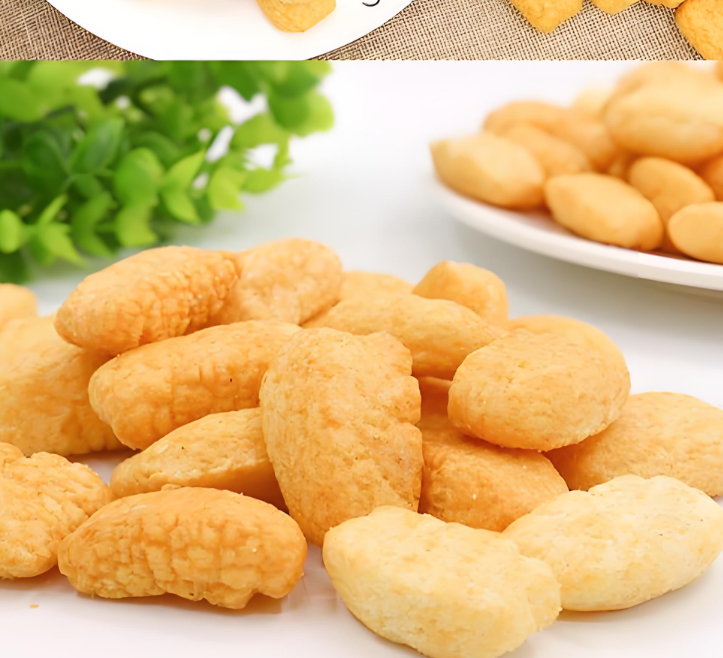
1. Raw Material Selection and Pre-processing
The journey of moisture control begins with the raw materials, snacks machinery typically grains (corn, rice, wheat), potatoes, or legumes.
- Ingredient Specifications: Establish strict specifications for the moisture content of incoming flours, meals, and starches. Consistent raw material moisture ensures a stable starting point for processing.
- Conditioning: Before extrusion, raw materials are often conditioned by adding precise amounts of water and steam. This step hydrates the powder uniformly, ensuring optimal starch gelatinization during extrusion. Inconsistent conditioning leads to variable expansion and final moisture.
2. The Extrusion Process: The Heart of Expansion
The extruder is where moisture, heat, and shear force combine to create the puffed structure.
- Water Injection Control: Modern twin-screw extruders allow for precise, zoned water injection. The total moisture content of the melt inside the barrel (typically ranging from 12% to 25% wet basis) must be tightly controlled. Too little moisture increases viscosity, causing high mechanical energy input, overheating, and burnt products. Too much moisture reduces viscosity, leading to inadequate shear, poor expansion, and a dense, hard texture.
- Steam Injection: Steam provides both thermal energy and moisture. Precise control of steam pressure and flow rate is crucial for consistent cooking.
- Die and Cutting: The sudden pressure drop at the die causes flashing of superheated water into steam, creating the puffed structure. The efficiency of this expansion depends on the melt’s temperature and moisture at the die. A consistent cutting mechanism ensures uniform piece size, which affects subsequent drying uniformity.
3. Post-Extrusion Drying and Toasting
Freshly extruded snacks have a high moisture content (e.g., 8-12%) and a soft, doughy center. Drying is essential to achieve the characteristic crispy texture.
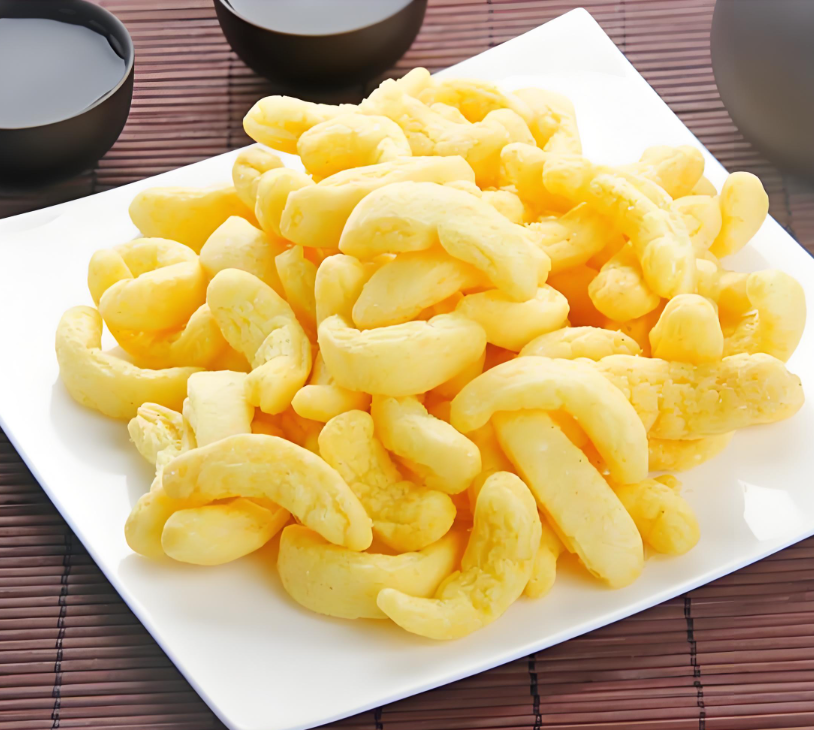
- Multi-Zone Dryers/Ovens: Products pass through conveyer dryers or ovens with controlled temperature, humidity, and air-flow profiles.
- Initial Zones: Higher humidity can be used to prevent case-hardening (where the exterior crusts over, trapping moisture inside).
- Final Zones: Lower humidity and higher temperatures remove moisture to the target level. The target final moisture for stability is typically very low, between 1% and 3% (wet basis), depending on the product.
- Process Control: Online moisture sensors (e.g., near-infrared) can provide real-time feedback to adjust dryer temperature and belt speed, ensuring consistent output.
4. Coating and Flavoring
Oil-based or powdered seasonings are often applied after drying.
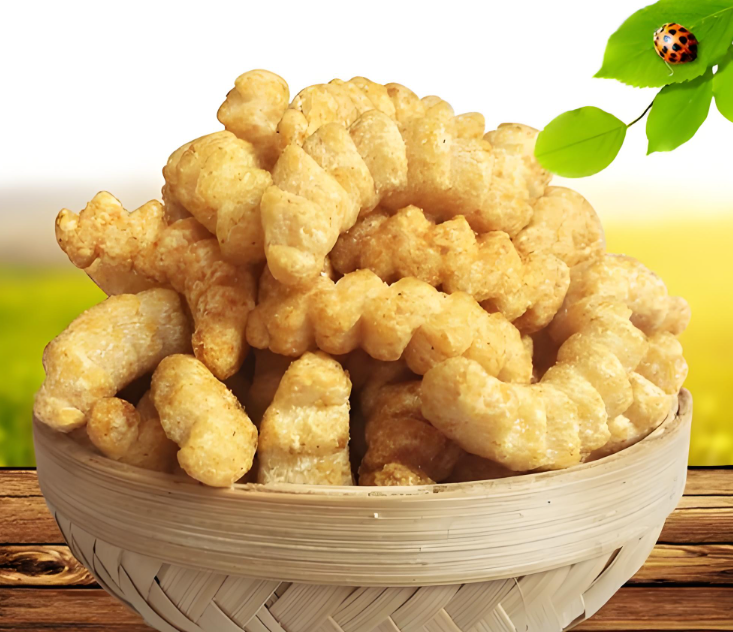
- Oil Application: While oil itself doesn’t contain water, it can act as a barrier to subsequent moisture migration. However, it’s crucial to ensure the snack core is sufficiently dry before coating, as oil can seal in residual moisture.
- Powdered Flavors: These additives must have low moisture content themselves. Hygroscopic ingredients (like cheese powder, some spices) can attract moisture from the environment, leading to localized softening. Anti-caking agents in the seasoning blend can help mitigate this.
5. Cooling and Equilibrium
Before packaging, products must be cooled to near ambient temperature.
- Cooling Conveyors: Efficient cooling prevents condensation inside the package, which would immediately soften the product.
- Moisture Equilibrium: Allowing time for residual moisture within the snack piece to equilibrate from the center to the surface results in a more uniform texture.
6. Packaging: The Final Barrier
Packaging is the last line of defense against moisture uptake (or loss) from the environment.
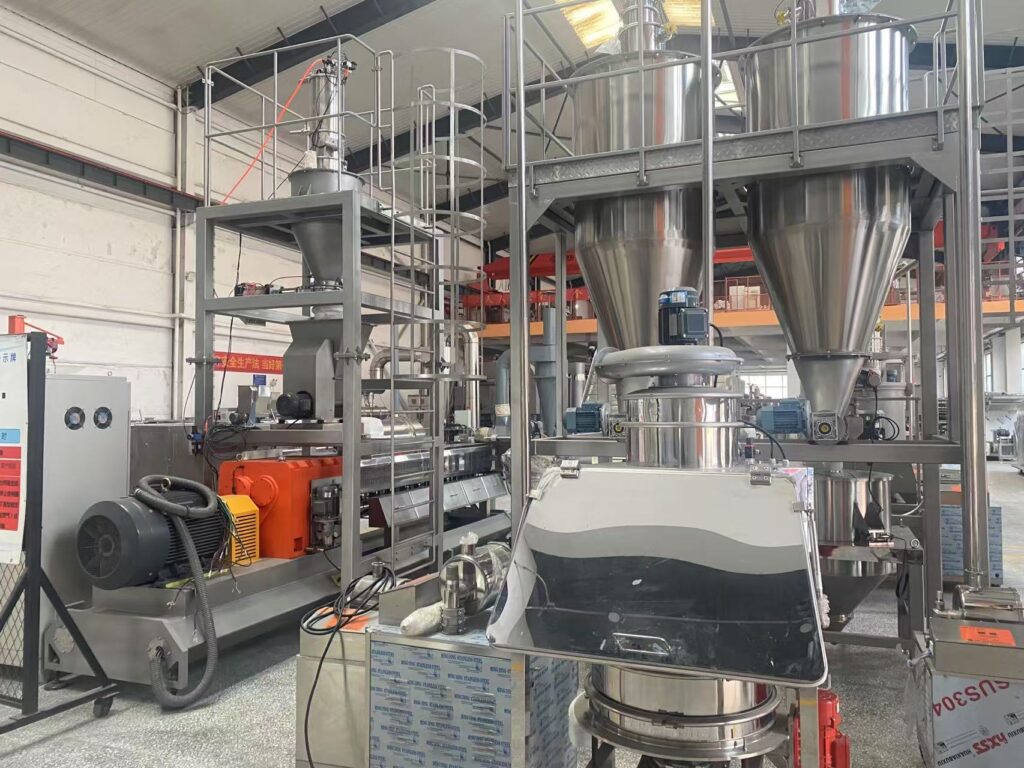
- Barrier Materials: Use high-barrier laminates with excellent water vapor transmission rate (WVTR) properties. snacks machinery Common materials include metallized films or polypropylene films with PVDC coatings.
- Modified Atmosphere Packaging (MAP): Flushing packages with dry nitrogen displaces oxygen and humidity, further protecting product crispness and preventing oxidative rancidity.
- Seal Integrity: Perfect seals are non-negotiable. Even a microscopic leak can allow humid air to enter, leading to rapid loss of crispness.
7. Quality Control and Monitoring
A robust QC program is vital:
- Laboratory Testing: Regular sampling for oven moisture tests to verify online sensor data.
- Water Activity (aw) Measurement: While moisture content is a percentage, water activity (ranging from 0 to 1) measures the “free” water available for microbial growth and chemical reactions. Expanded snacks must have a very low aw (typically below 0.3) to remain crisp and shelf-stable.
- Sensory Evaluation: Regular texture analysis (e.g., crispness via a texture analyzer) and taste panels provide the ultimate quality check.
Controlling moisture in expanded snacks is a holistic process that integrates ingredient management, precise extrusion, staged drying, and hermetic packaging. It requires understanding the interplay between moisture, heat, and texture at every stage. By implementing rigorous controls and continuous monitoring, manufacturers can ensure their snacks deliver the consistent, satisfying crunch that consumers expect, with a long and stable shelf life.
 Japanese
  English
  Russian
  Spanish
  Italian
  Arabic
  Portuguese
  German
  French
  Moroccan Arabic
  Persian
  Belarusian