
Fortified Rice Processing Technology: From Grain to High-Quality, Value-Added Products
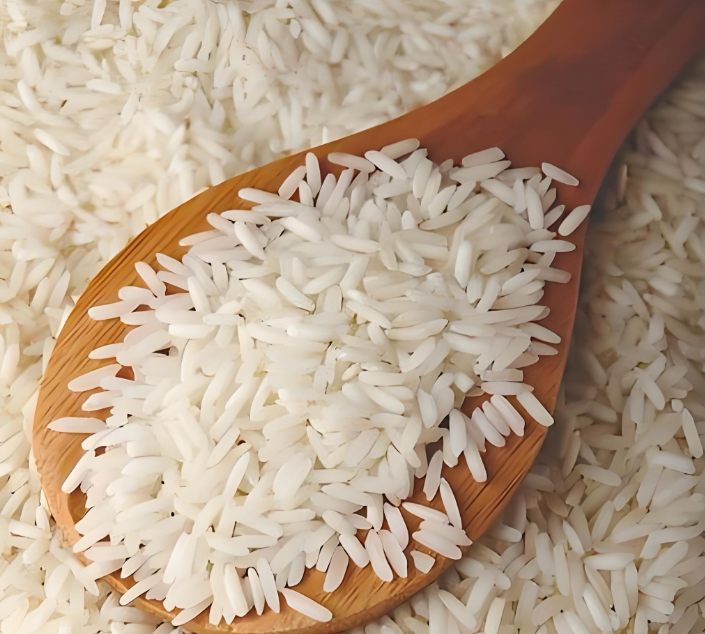
1. Introduction Rice is a staple food for more than half of the world’s population. fortified rice making machine As consumer expectations rise—demanding better taste, safer products, longer shelf life, and improved nutrition—rice processing must evolve beyond basic milling. “Enhanced rice processing” refers to upgrading the full chain of post-harvest operations through improved equipment, tighter quality control, smarter process design, and value-added technologies such as parboiling, fortification, and precision polishing. This article outlines key steps in modern rice processing and practical approaches to strengthen the process for quality, efficiency, and sustainability. 2. Raw Material Control and Post-Harvest Handling High-quality processing begins with high-quality paddy. Key practices Strengthening this stage reduces […]
Drying Techniques for Corn Flakes (Breakfast Cereal)
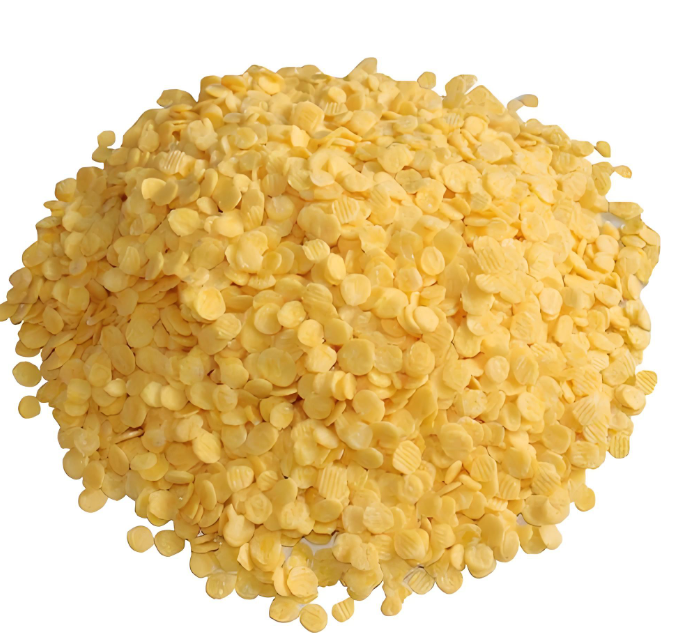
Drying is one of the most important operations in corn flakes manufacturing. It determines crispness, color development during toasting, breakage rate, and shelf life. Effective drying is not only about removing moisture quickly—it is about removing it uniformly while protecting flake structure and preparing the product for stable, consistent toasting. 1) Understand the Role of Drying in Corn Flakes In a typical process, drying is used in two main places: Good drying control prevents common problems such as over-browning, blistering, sticking, fragile flakes, and uneven crunch. 2) Control Moisture Uniformity (Not Just Average Moisture) Corn flakes can show a correct “average moisture” but still dry poorly if moisture is uneven. […]
The Flaking (Rolling) Process for Breakfast Cereal Corn Flakes
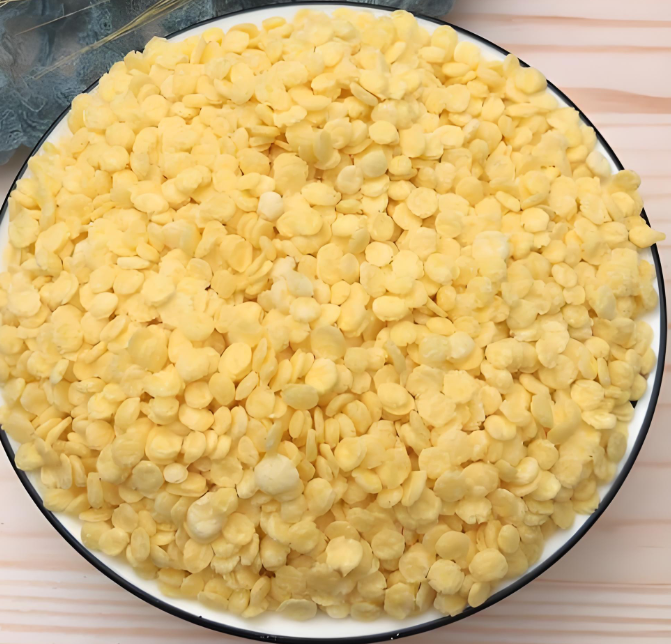
In corn flakes production, the flaking (rolling) process is the key step that transforms cooked corn pellets (“grits gems”) into the thin, uniform flakes that can be toasted into a crispy, ready-to-eat cereal. A well-controlled flaking operation directly affects flake thickness, breakage rate, toast uniformity, texture, and final product appearance. 1) Purpose of the Flaking Step The main objectives of flaking are to: 2) Product Condition Before Flaking High-quality flaking starts with properly prepared pellets. Before entering the flaking rolls, pellets are typically: If pellets are too wet, flakes may smear and stick to the rolls; if too dry, they crack and generate excessive breakage. 3) Flaking Equipment and Key […]
Processing Method for Breakfast Cereal Corn Flakes
Corn flakes are a classic ready-to-eat breakfast cereal made primarily from corn grits or corn flour. Their characteristic thin, crispy texture and toasted flavor come from a controlled process that includes cooking, forming, flaking, drying, and toasting. Below is a practical overview of the standard industrial processing method. 1) Raw Material Preparation Most corn flakes start with corn grits (degermed and dehulled) for a clean flavor and stable shelf life. Typical supporting ingredients may include: Raw materials are inspected for moisture, particle size, and impurities, then stored and dosed according to the recipe. 2) Mixing and Pre-Conditioning Dry ingredients are blended to ensure uniform distribution of salt, sugar, and premixes. […]
Introduction to a Food Puffing (Extrusion) Machine
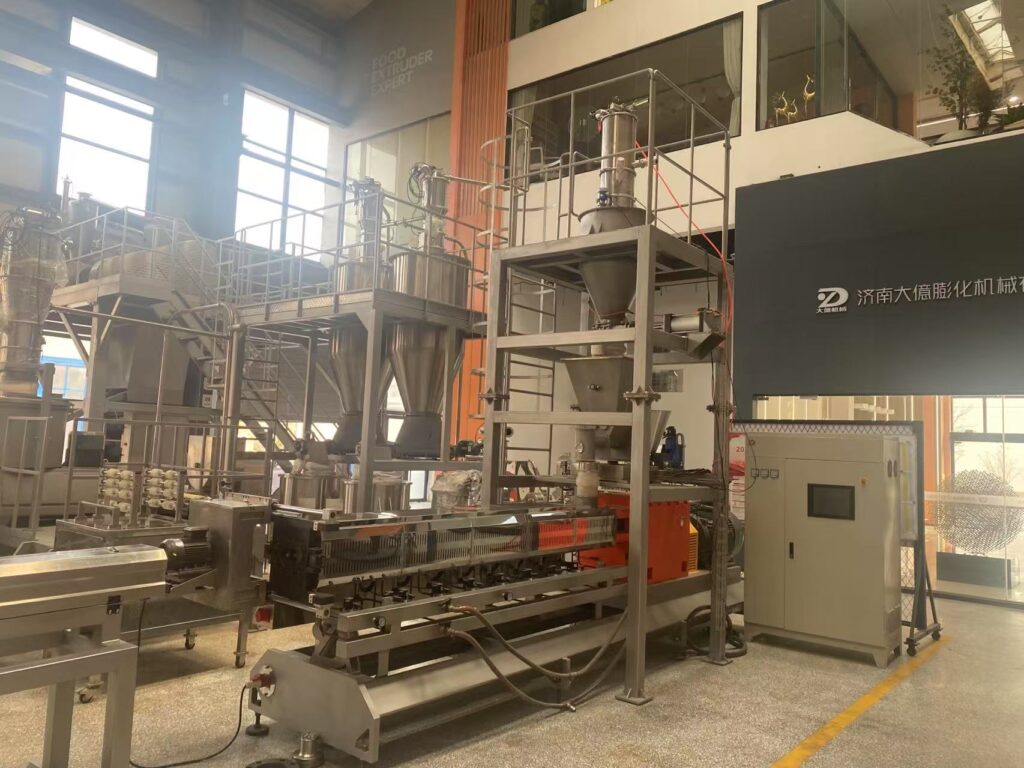
A food puffing machine—often referred to as a puff extruder or extrusion puffing machine—is industrial equipment designed to produce light, crispy, expanded snack products by combining mixing, cooking, pressurizing, and shaping in a continuous process. It is widely used in the manufacture of puffed snacks, breakfast cereals, pet foods, and various grain-based convenience products. How It Works The puffing process is based on a simple physical principle: high temperature and pressure inside the barrel, followed by rapid pressure release at the die outlet. Key Components A typical puffing machine includes: Types of Puffing Machines Applications Food puffing machines are highly versatile and can produce: Advantages Conclusion A food puffing machine […]
Processing Technology of Soy Protein Texturates (Textured Soy Protein, TSP/TVP)
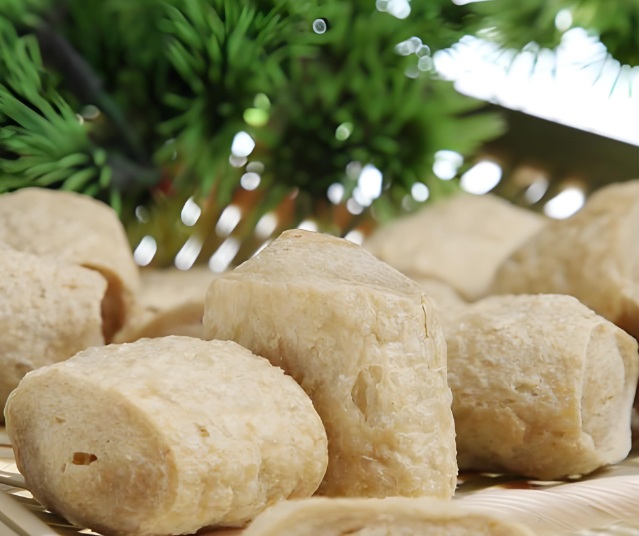
Processing Technology of Soy Protein Texturates (Textured Soy Protein, TSP/TVP) 1. Introduction Soy protein texturates—commonly referred to as textured soy protein (TSP) or textured vegetable protein (TVP)—are structured protein ingredients designed to mimic the fibrous bite and water-holding behavior of meat. They are widely used in plant-based meat analogs, hybrid meat products, ready meals, and convenience foods due to their high protein content, neutral flavor base, and excellent rehydration and binding properties. Industrial production of soy protein texturates relies mainly on thermo-mechanical extrusion, where controlled heat, shear, and pressure transform soy proteins into anisotropic, porous structures. 2. Raw Materials and Formulation The most common soy-based feedstocks include: Typical formulations may […]
Five Key Factors in Producing High-Quality Expanded Snacks
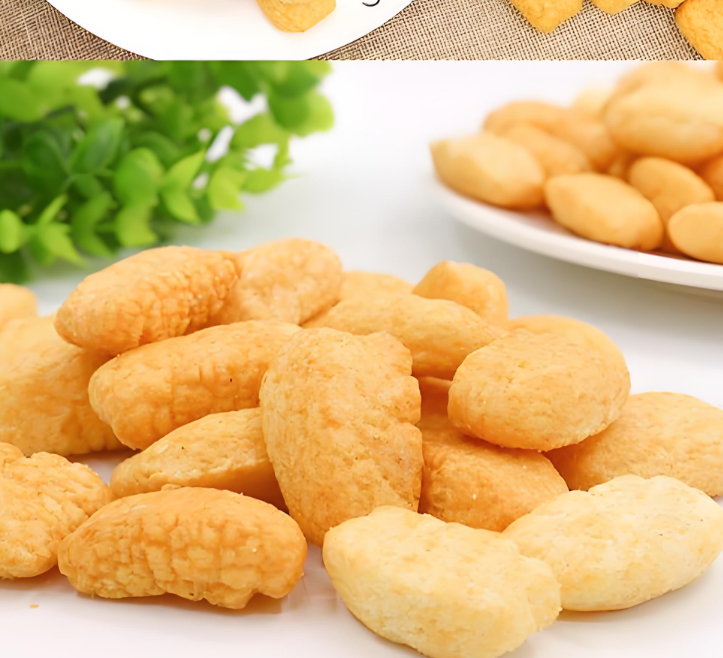
The production of high-quality expanded snacks, from puffs and curls to direct-expanded shapes, is a precise science that balances ingredient selection, processing parameters, snack extruder machine and stringent quality control. Moving beyond simple volume expansion to achieve superior texture, flavor, and nutritional value requires mastery of several interconnected factors. Here are the five key pillars for manufacturing premium expanded snacks. 1. Ingredient Selection and Formulation The foundation of any great snack lies in its raw materials. The primary ingredient is typically a starch source—corn, rice, wheat, potato, or tapioca—each imparting unique characteristics to flavor, color, and expansion. Rice, for instance, offers a clean taste and white color, while corn provides […]
Unpacking the Processing Technology Behind Corn Sticks (Puffed Corn Snacks)
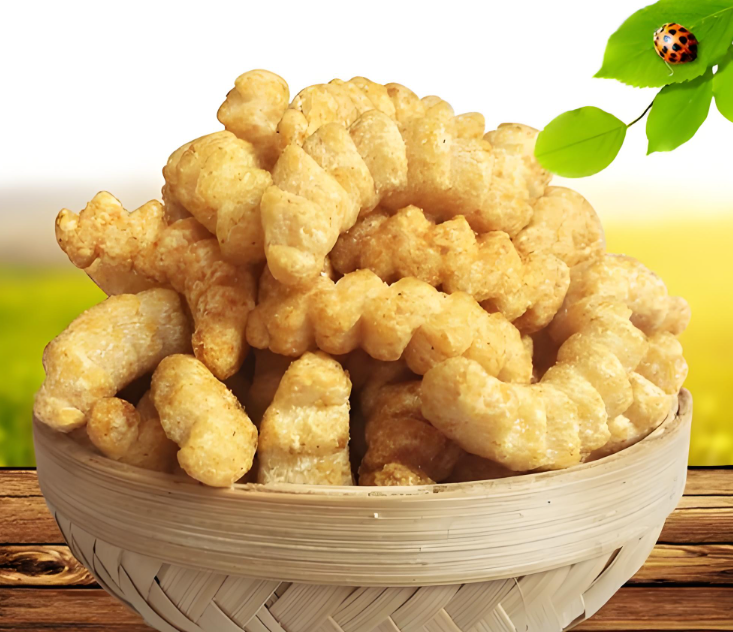
1. Introduction Corn sticks—also known as puffed corn sticks or extruded corn snacks—look simple, but their airy texture, crisp bite, and uniform shape are the result of tightly controlled processing. This article “reveals” the typical industrial process used to manufacture corn sticks, explaining what happens at each step and why small parameter changes can dramatically affect expansion, crunch, and density. 2. Raw Materials and Formulation Most corn sticks start with a cereal base plus minor ingredients that control flavor, structure, and processing behavior. Key quality targets are consistent particle size, low contamination, and stable initial moisture to keep the extruder running smoothly. 3. Typical Process Flow (Industrial Line) A common […]
Cleaning of a Twin-Screw Extruder (Twin-Screw Expansion Extruder)
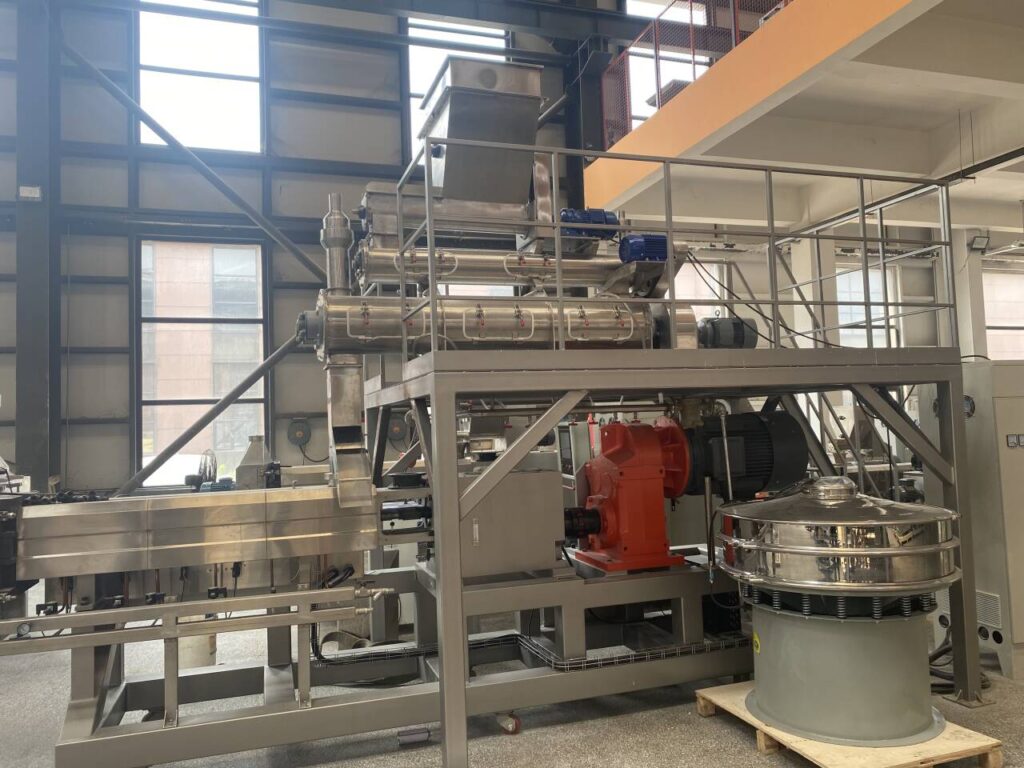
1. Introduction Cleaning a twin-screw extrusion system is essential for food safety, product quality, allergen control, and reliable operation. Because extrusion combines heat, pressure, and shear, residues can bake onto screw elements, barrel liners, the die face, and the cutter area. A good cleaning program includes routine in-process cleaning, planned shutdown cleaning, and periodic deep cleaning with inspection and maintenance. 2. When Cleaning Is Required Cleaning frequency depends on formulation, run length, and hygiene standards. Typical triggers include: 3. Safety and Preparations (Critical) Before any cleaning activity, follow plant safety rules. 4. In-Process Cleaning (Purge Cleaning) Purge cleaning is the most common method and is done without disassembly. Purge cleaning […]
Operation of a Twin-Screw Extruder for Expanded Products
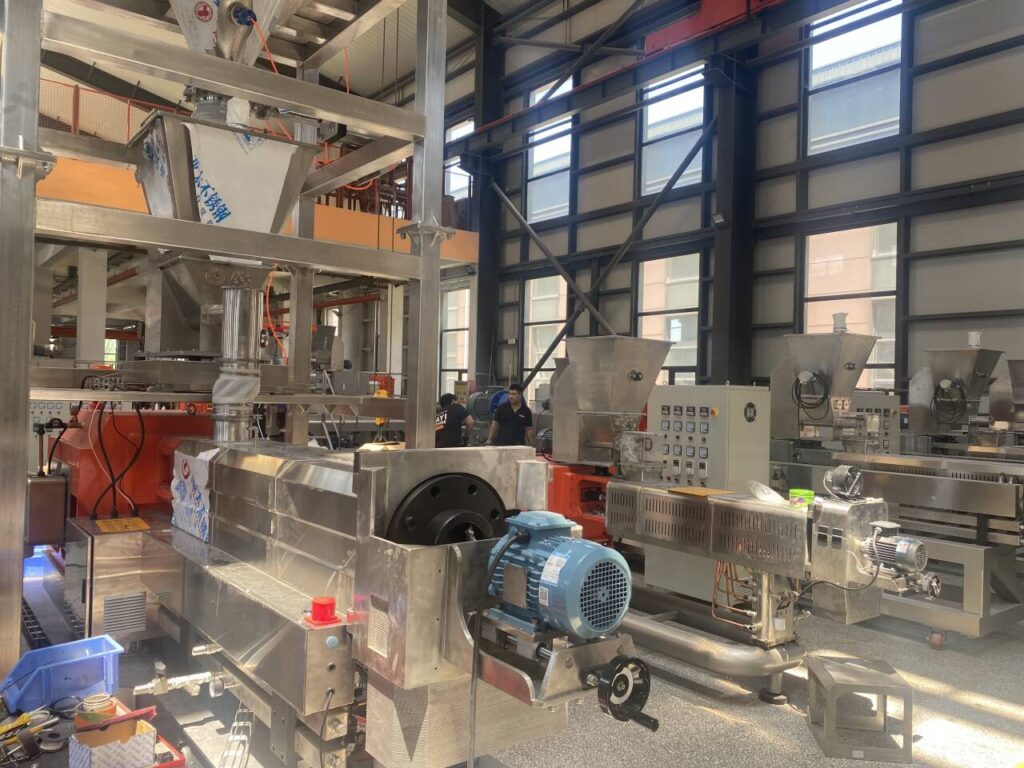
1. Introduction A twin-screw extrusion cooking system (often called a twin-screw extruder for puffed or expanded foods) is used to continuously mix, cook, and shape formulations such as cereal snacks, breakfast cereals, and texturized ingredients. Successful operation depends on controlling feed rate, moisture, screw speed, temperature profile, and die conditions to achieve stable flow, target expansion, and consistent texture. 2. Pre-Start Preparation Before starting the machine, operators typically confirm that the extruder and auxiliary systems are ready. Good preparation reduces the risk of start-up surges, plugging, excessive torque, and unstable expansion. 3. Start-Up Procedure Start-up is usually performed gradually to warm the system and establish a stable material flow. 4. […]
Main Components of a Twin-Screw Extruder
1. Introduction A twin-screw extruder is a continuous processing machine widely used in food, feed, and biomaterial industries for mixing, cooking, conveying, texturizing, and shaping materials under controlled heat and shear. Compared with single-screw systems, twin-screw extruders provide stronger mixing capability, better process stability, and higher flexibility in handling diverse formulations. Understanding the major components of a twin-screw extruder is essential for equipment selection, operation, maintenance, and product quality control. 2. Feeding System (Raw Material Inlet Section) The feeding system delivers ingredients into the extruder at a stable and controllable rate. A well-designed feeding section prevents bridging, improves flowability, and ensures consistent residence time and product uniformity. 3. Screw Elements […]
Processing Technology of Instant Rice (Quick-Cooking Rice)
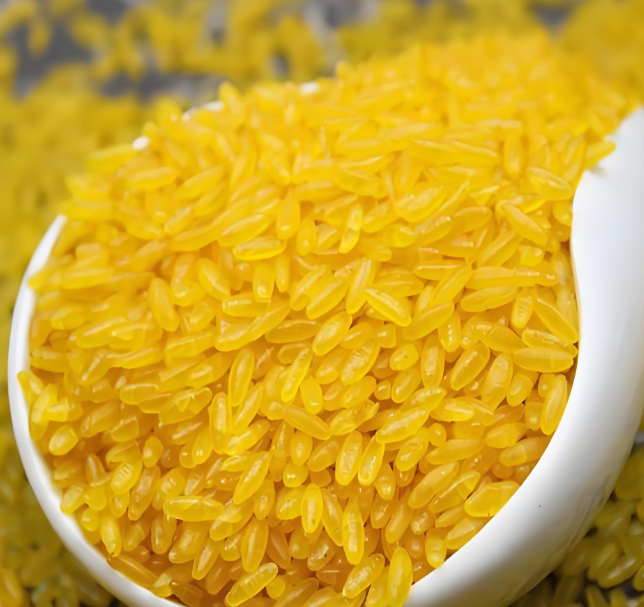
1. Introduction Instant rice (also called quick-cooking rice) is a convenience food designed to shorten preparation time while maintaining acceptable texture, flavor, and nutritional value. Unlike raw milled rice that requires full cooking, instant rice is typically pre-cooked (fully or partially), stabilized, and then dehydrated so it can be rehydrated quickly with hot water or brief heating. Its processing technology focuses on controlling starch gelatinization, moisture migration, and structural integrity to achieve fast reconstitution without excessive stickiness or hardness. 2. Raw Materials and Quality Requirements The quality of instant rice is strongly influenced by the properties of the raw rice. 3. Typical Processing Flow A representative instant rice production line […]
 Japanese
  English
  Russian
  Spanish
  Italian
  Arabic
  Portuguese
  German
  French
  Moroccan Arabic
  Persian
  Belarusian