
Processing Technology of Modified Starch: An In-Depth Technical Overview
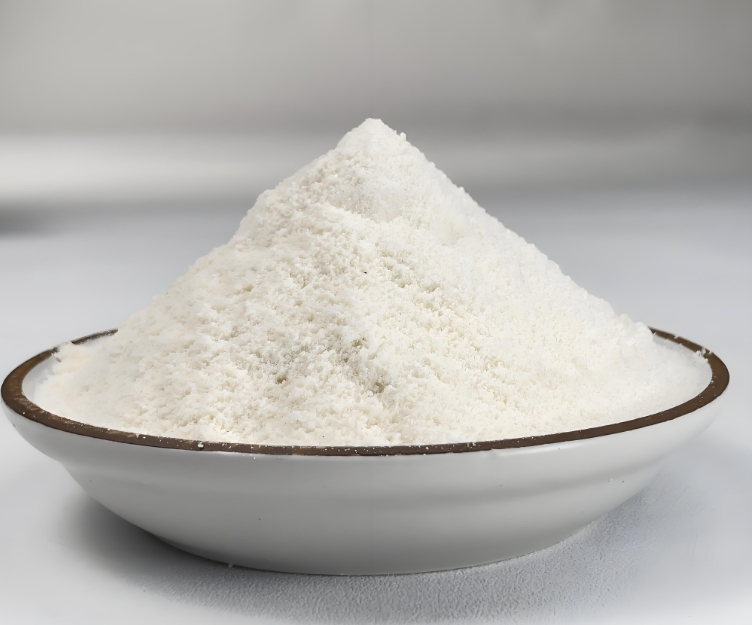
IntroductionModified starch represents a critical functional ingredient in modern food processing, obtained through controlled physical, chemical, or enzymatic treatment of native starch to enhance its stability, texture, clarity, or tolerance to extreme processing conditions. Its manufacturing process is a precise, multi-step operation that tailors starch properties to specific industrial applications. 1. Raw Material Selection & Pretreatment The process begins with the selection of starch sources—commonly corn, potato, tapioca, or wheat. High-purity starch slurry (typically 35–45% solids) is extracted through wet milling, followed by refining to remove proteins, lipids, and soluble sugars. The slurry is adjusted to a defined pH and temperature to ensure optimal reactivity in subsequent modification steps. 2. […]
Moisture Control in Fortified Rice Production: A Comprehensive Guide
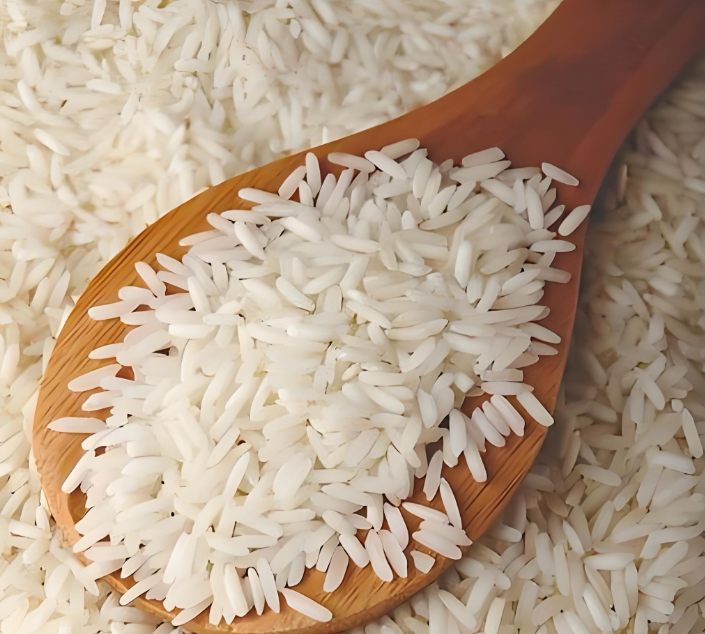
Introduction: The Critical Role of Moisture Management Moisture control is arguably the most critical parameter in fortified rice production, affecting everything from nutritional stability and texture to shelf life and safety. fortified rice making machine Improper moisture management can lead to vitamin degradation, microbial growth, texture defects, and product rejection. This guide provides a systematic approach to moisture control throughout the fortified rice manufacturing process. 1. Understanding Moisture Parameters in Fortified Rice Key Moisture Targets Moisture Measurement Methods 2. Raw Material Selection & Pre-Processing Rice Quality Specifications Fortificant Premix Considerations 3. Coating Process Moisture Management Coating Solution Preparation Application Techniques & Control Real-Time Monitoring 4. Drying Technology Optimization Dryer Selection […]
How to Extend Dog Food Shelf Life: A Comprehensive Guide
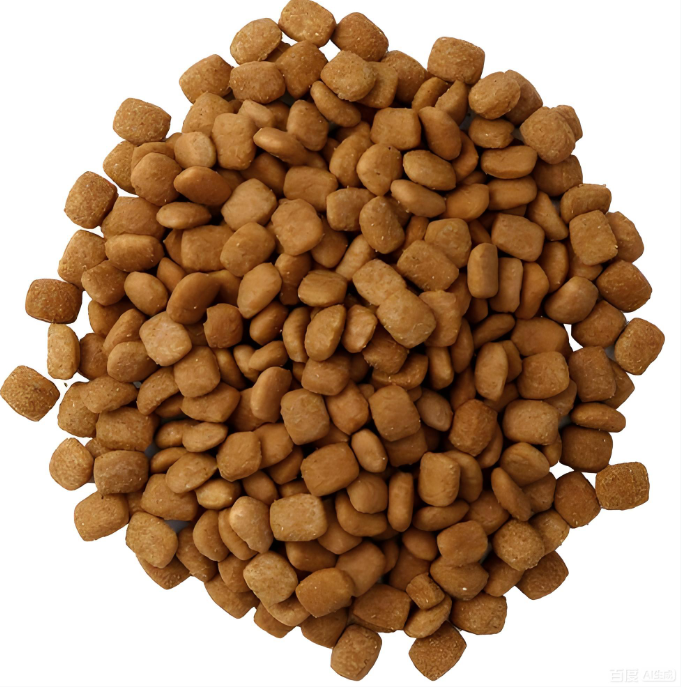
Introduction: The Shelf Life Challenge Dog food preservation represents a critical intersection of nutrition, food science, and packaging technology. Proper shelf life extension maintains nutritional integrity, prevents waste, and ensures pet safety. Most commercial dry dog foods have a shelf life of 12-18 months when unopened, while wet foods typically last 2-5 years. However, multiple factors can significantly shorten these timelines without proper management. 1. Ingredient Selection & Formulation Strategies Raw Material Quality Control Formulation for Stability 2. Processing & Manufacturing Optimization Thermal Processing Excellence Post-Processing Treatments 3. Packaging Innovations Barrier Material Selection Advanced Packaging Technologies 4. Storage & Handling Protocols Warehouse Management Retail & Consumer Storage 5. Quality Monitoring […]
Mastering the Granule: A Guide to Producing Variable Particle Size Aquafeed
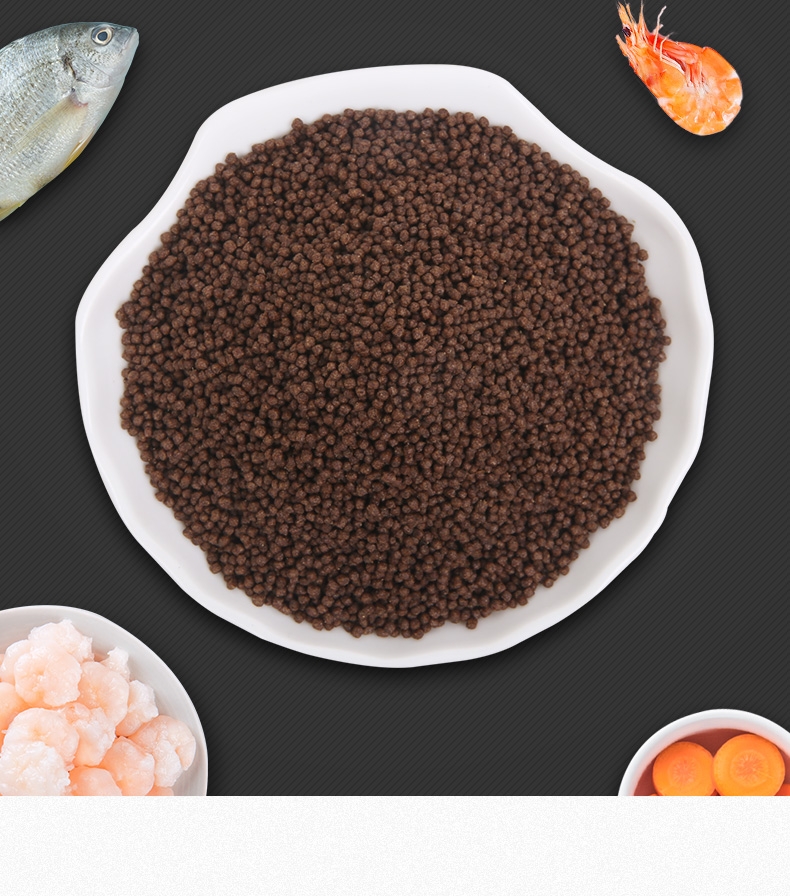
The production of aquafeed with precise, variable particle sizes (often referred to as granules or pellets) is a critical science in modern aquaculture. Different life stages and species of fish have specific mouth gape sizes and nutritional requirements, making customized feed particle size essential for efficient growth, minimized waste, and optimal water quality. Here’s a comprehensive look at how this is achieved industrially and at smaller scales. 1. The Foundation: Formulation and Grinding The process begins with a meticulously balanced formula of ingredients: fishmeal, plant proteins (soy, wheat), binders, lipids, vitamins, and minerals. These raw materials are first ground into a fine meal. 2. The Transformation: Conditioning and Pelleting The […]
Bugles in a New Era: Navigating Shifting Tides in the Snackosphere
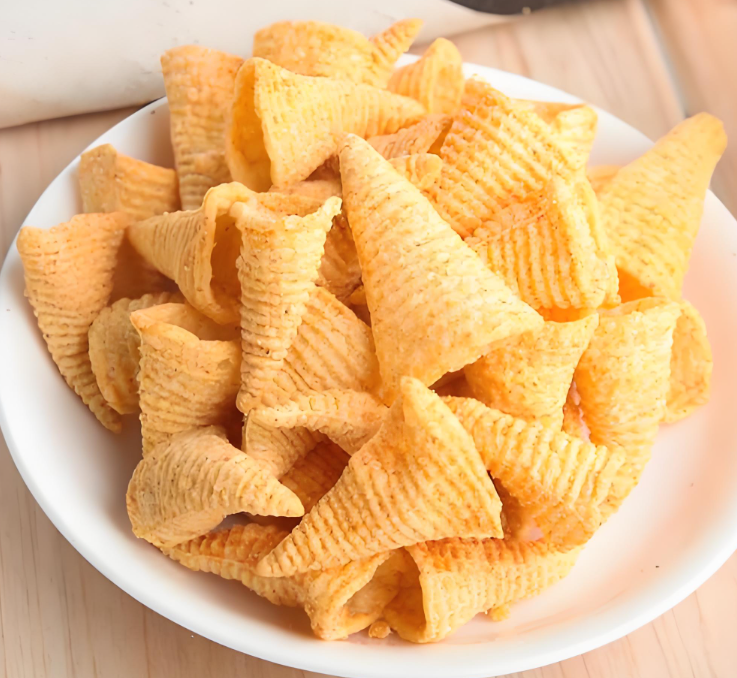
The iconic horn-shaped snack, Bugles, stands at a crossroads. A staple of 20th-century pantries, its market prospects are now shaped by a complex interplay of nostalgic strength, formidable challenges, and potential paths to reinvention. Its future hinges on the strategic choices of its parent company (currently General Mills) to adapt a classic product for a new generation of consumers. Current Market Position: Strengths and Liabilities Bugles enjoys a unique, albeit niche, position. Its core strengths are powerful but specific: However, these strengths are counterbalanced by significant headwinds: Future Market Opportunities: Pathways for Growth To secure its future, Bugles must leverage its nostalgia while aggressively addressing its weaknesses. Key opportunities include: […]
The Crunch Heard ‘Round the World: A Look Inside the Making of Bugles
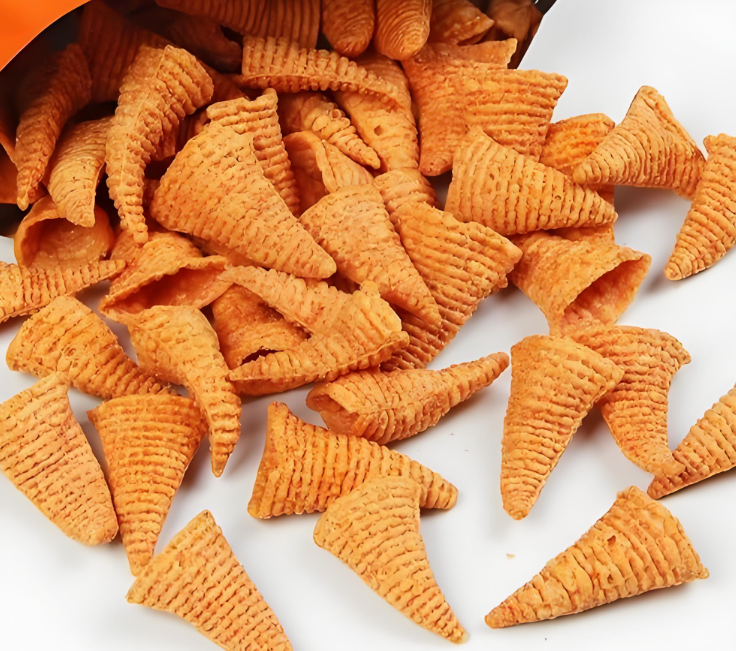
For decades, Bugles corn snacks have been a staple in pantries and lunchboxes, instantly recognizable by their iconic horn shape and satisfying, airy crunch. Marketed as a fun, whimsical treat, their advertising often focuses on playful consumption—sliding them onto fingertips. But the journey from a simple kernel of corn to that perfectly uniform, salty cone is a fascinating and highly engineered process, far removed from traditional snack-making. Let’s pull back the curtain on the industrial magic behind Bugles. From Kernel to Cornmeal: The Foundation It begins with corn, though not the sweet corn we eat off the cob. Bugles are primarily made from degerminated cornmeal. bugles making machine This means […]
Types of Puff Snacks (Extruded and Expanded Foods): A Practical Overview
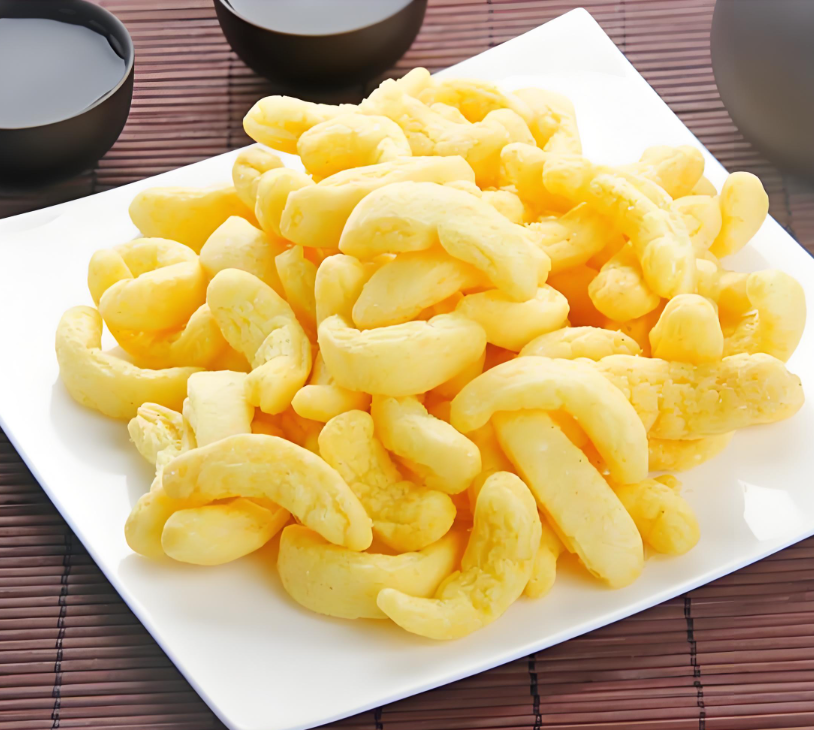
1. Introduction “Puffed foods” (expanded snacks) are products whose light, porous texture is created by rapid expansion of starch or protein matrices. Expansion can be achieved through different technologies—most commonly extrusion, but also puffing guns, hot-air popping, frying expansion, baking, and pellet expansion. Because formulas and processes vary widely, puffed foods form a large family rather than a single product type. Below is a clear classification of the main categories seen in the market. 2. Extruded Direct-Expanded Snacks These are made by feeding a moistened flour/grits blend into an extruder, where heat, shear, and pressure cook the material. When it exits the die, the sudden pressure drop causes instant puffing. […]
How Multigrain Nutrition Powder Is Processed: From Whole Grains to an Instant Mix
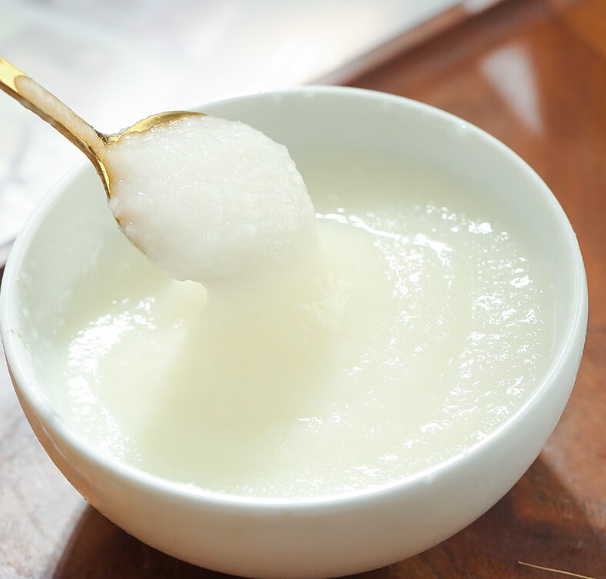
1. Introduction Multigrain nutrition powder—often marketed as “five-grain” or “whole-grain” powder—is typically a dry blend made from cereals, legumes, and sometimes seeds or nuts. Its appeal comes from convenience: consumers get a grain-based beverage or meal base that is easy to reconstitute with hot water or milk. Producing a stable, smooth, flavorful, and safe powder requires more than simply grinding grains. Modern processing focuses on cleaning, controlled roasting or steaming, fine milling, blending, instantization, and protective packaging. 2. Typical Raw Materials and Formulation A “five-grain” blend varies by region and brand, but common components include: Because each ingredient behaves differently during milling and storage, formulation is designed around taste, nutrition […]
Nutritional Powder Processing Technology: A Practical Guide from Formulation to Finished Product
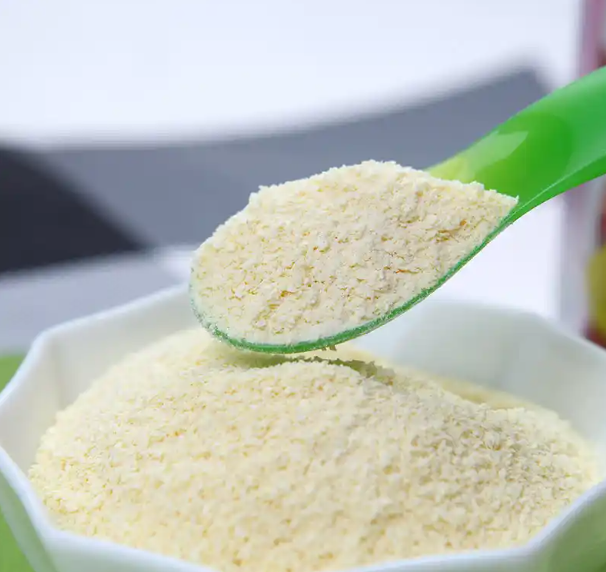
1. Introduction “Nutritional powder” is a broad category that includes protein powders, meal-replacement powders, infant and elderly nutrition mixes, sports nutrition, and functional blends fortified with vitamins and minerals. Although recipes vary, successful production relies on a common set of processing principles: ingredient quality control, hygienic handling, accurate dosing, effective blending, particle engineering, and packaging that protects stability. This article outlines a typical industrial process for nutritional powder manufacturing and the key control points that determine safety, consistency, and shelf life. 2. Ingredient Selection and Incoming Quality Control Nutritional powders often combine macronutrients (proteins and carbohydrates) with sensitive micronutrients (vitamins, minerals) and functional additives. Common ingredients Incoming checks typically include […]
Baby Rice Cereal Processing Technology: From Grain Selection to Safe, Instant Nutrition
1. Introduction Baby rice cereal is one of the most widely used complementary foods during infancy because it is mild in flavor, easy to digest, and suitable for fortification. Unlike ordinary rice flour, infant cereal must meet stricter requirements for food safety, nutrient accuracy, solubility/instant dispersibility, and low contamination risk. This article explains a typical industrial processing flow for baby rice cereal and the key control points that ensure quality and safety. 2. Raw Material Selection and Receiving Processing begins with selecting rice that is consistent and low in contaminants. Key requirements Incoming lots are typically tested and accepted only if they meet infant-food specifications. 3. Cleaning, De-Stoning, and Metal […]
Uses of Textured Protein: What It Is and Where It’s Applied
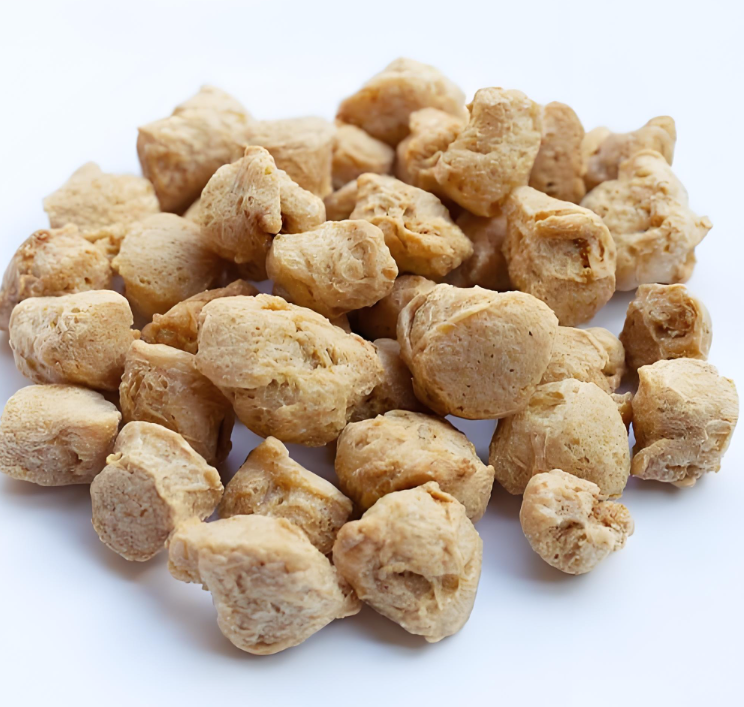
1. What “Textured Protein” Means Textured protein (often called textured vegetable protein, TVP, when plant-based) is a protein-rich ingredient processed to form a fibrous or porous structure that mimics the bite of meat. soya chunk making machine It is commonly made from soy, pea, wheat (gluten), or other plant proteins. The texture is typically created through extrusion, followed by drying into granules, chunks, strips, or mince-like shapes. Because it is shelf-stable, relatively neutral in flavor, and absorbs water and seasonings well, textured protein is used widely across the food industry. 2. Core Uses in Food Products A. Meat Alternatives (Plant-Based “Meat”) Textured protein is a backbone ingredient in many meat-free […]
Inside the Factory: Revealing How Corn Snack Sticks Are Made
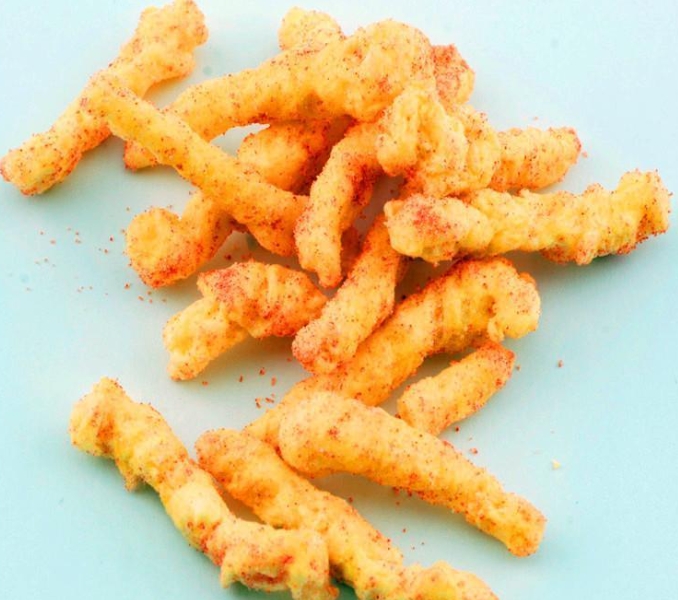
Corn sticks (often called corn curls, puffed corn sticks, or “corn puffs”) look simple—light, crunchy, brightly flavored. But behind that airy bite is a highly engineered process designed for speed, uniformity, and long shelf life. Kurkure making machine This article breaks down the typical industrial workflow, explains what actually creates the “puff,” and highlights the less-discussed steps that shape texture, flavor, and nutrition. 1) What Corn Sticks Really Are Most corn sticks are extruded snacks. That means a wet, starchy mixture is forced through a machine (an extruder) under high heat and pressure, then suddenly released to normal pressure at the die. Kurkure making machine The rapid pressure drop flashes […]
 Japanese
  English
  Russian
  Spanish
  Italian
  Arabic
  Portuguese
  German
  French
  Moroccan Arabic
  Persian
  Belarusian