
Beyond the Burger: A Comprehensive Look at the Applications of Plant-Based Proteins
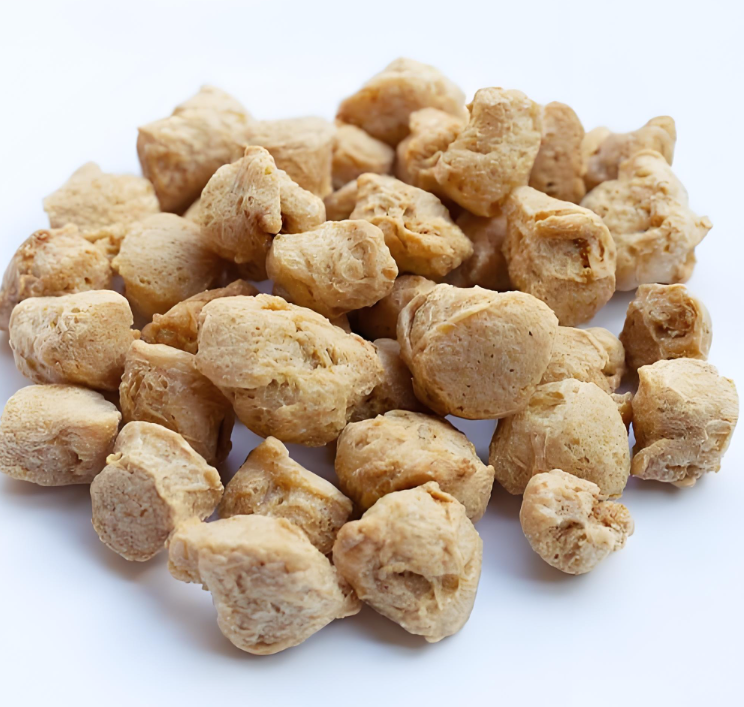
The global food landscape is undergoing a profound transformation. Driven by concerns for personal health, animal welfare, and the mounting evidence of animal agriculture’s environmental impact, consumers are increasingly turning to plant-based options . What was once a niche market for vegetarians has exploded into a mainstream movement, with plant-based proteins at its very core . These versatile ingredients, derived from sources like soy, peas, legumes, and even leafy greens, are no longer just about replacing meat. They are being engineered to perform a vast array of functions across the food, pharmaceutical, and materials industries. This article explores the multifaceted applications of plant-based proteins, showcasing their journey from simple substitutes […]
From Grain to Bowl: The Complete Cornflake Manufacturing Process
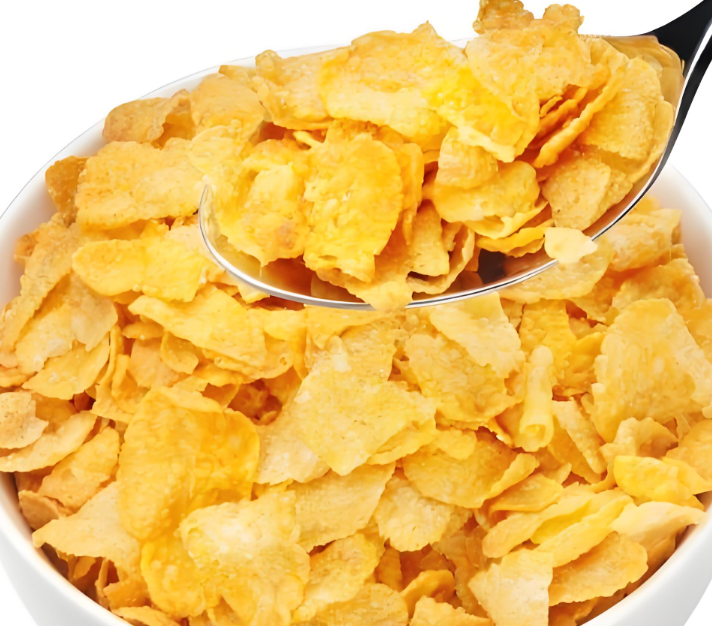
The journey of a cornflake from a simple kernel of corn to the crisp, golden breakfast cereal enjoyed worldwide is a fascinating example of food engineering and precision manufacturing. corn flakes making machine This article provides a comprehensive overview of the entire cornflake production process, from raw material intake to final packaging, detailing the key steps and transformations along the way. 1. Raw Material Reception and Cleaning The process begins with the arrival of raw corn, typically a specific variety of dent corn (Zea mays indentata) selected for its high starch content and favorable flaking characteristics. 2. Degermination and Milling To produce shelf-stable cornflakes, the fat-rich germ and fibrous hull […]
Mastering the Flake: Critical Considerations in Cornflake Processing
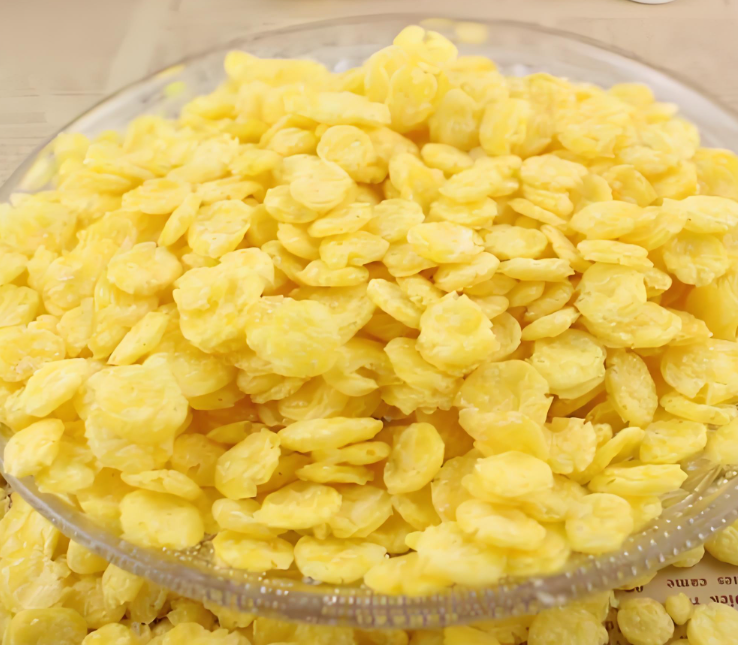
Cornflakes are one of the world’s most beloved breakfast cereals, prized for their distinctive crispiness, golden color, and toasted flavor. Behind this seemingly simple product lies a complex manufacturing process where precision and attention to detail are paramount. From raw material selection to the final toasting stage, each step presents potential pitfalls that can compromise quality. This article outlines the key considerations and challenges that processors must manage to produce consistently high-quality cornflakes. 1. Raw Material Selection and Preparation The journey to a perfect cornflake begins long before the grain enters the processor. 2. The Cooking Phase: Achieving the Right Gelatinization Cooking is arguably the most critical step, where the […]
From Nuggets to Nutrition: The Diverse Applications of Textured Vegetable Protein
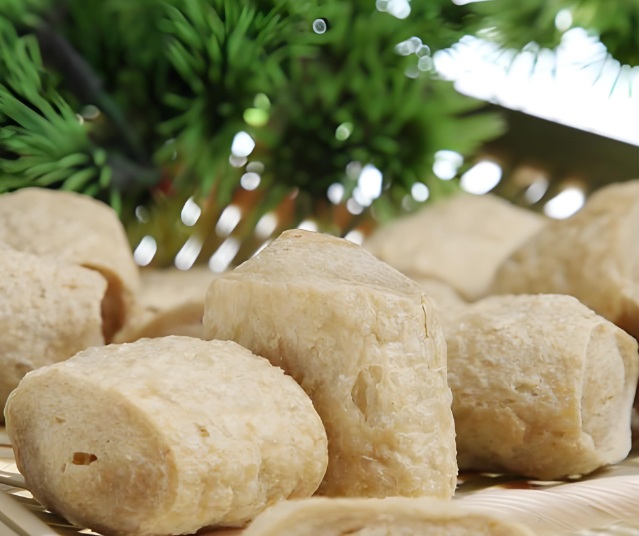
Textured Vegetable Protein (TVP), also known as textured soy protein or plant-based meat analogue, has evolved far beyond its origins as a simple meat extender. Its unique ability to mimic the texture and mouthfeel of meat, combined with its nutritional profile, functional versatility, and cost-effectiveness, has led to its widespread adoption across the food industry. This article explores the diverse applications of TVP, ranging from traditional uses to cutting-edge innovations in the plant-based sector. 1. Core Applications: Meat Analogue Products The most prominent application of TVP is in the creation of products that directly replace or extend animal-based meat. Its fibrous, spongy structure allows it to absorb flavors and fats, […]
From Nuggets to Nutrition: The Diverse Applications of Textured Vegetable Protein
Textured Vegetable Protein (TVP), also known as textured soy protein or plant-based meat analogue, has evolved far beyond its origins as a simple meat extender. Its unique ability to mimic the texture and mouthfeel of meat, combined with its nutritional profile, functional versatility, and cost-effectiveness, has led to its widespread adoption across the food industry. This article explores the diverse applications of TVP, ranging from traditional uses to cutting-edge innovations in the plant-based sector. 1. Core Applications: Meat Analogue Products The most prominent application of TVP is in the creation of products that directly replace or extend animal-based meat. Its fibrous, spongy structure allows it to absorb flavors and fats, […]
The Art and Science of Textured Vegetable Protein: A Guide to Processing Techniques
Textured Vegetable Protein (TVP), also known as textured soy protein or plant-based meat analogue, is a highly versatile food ingredient produced by restructuring plant proteins into a fibrous, meat-like matrix . Its ability to mimic the chewiness and mouthfeel of meat has made it a cornerstone of the modern plant-based food industry. This article provides an overview of the primary processing techniques used to manufacture TVP, with a focus on the science of extrusion—the dominant technology in the field. 1. The Core Principle: Protein Texturization The fundamental goal of TVP production is to transform globular plant proteins (often from soy, pea, or faba bean) into a structured, anisotropic material . […]
Exposing the processing technology of bugles
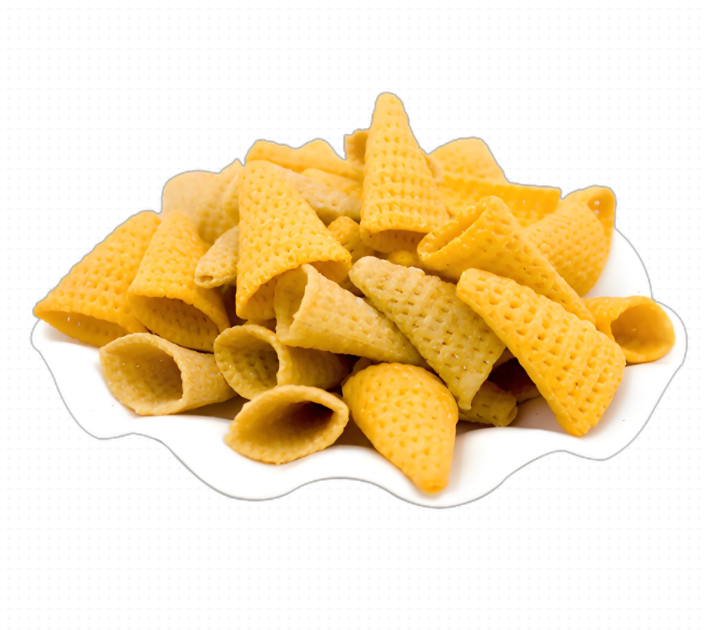
The distinctive conical shape of a Bugles snack is instantly recognizable. Meant to be worn on fingertips before being eaten, this iconic corn snack seems simple enough. bugles making machine But beneath its playful exterior lies a manufacturing process of surprising sophistication—a journey of high-pressure extrusion, precise temperature control, and molecular transformation that turns simple cornmeal into a structured, crispy cone. An “exposé” of the Bugles processing technique reveals a world of food engineering far removed from the simple snack it appears to be. The Blueprint: It Starts with a Powder The journey of a Bugles begins not as a dough, but as a dry blend of powdered ingredients. The […]
The Invisible Architect of Modern Construction
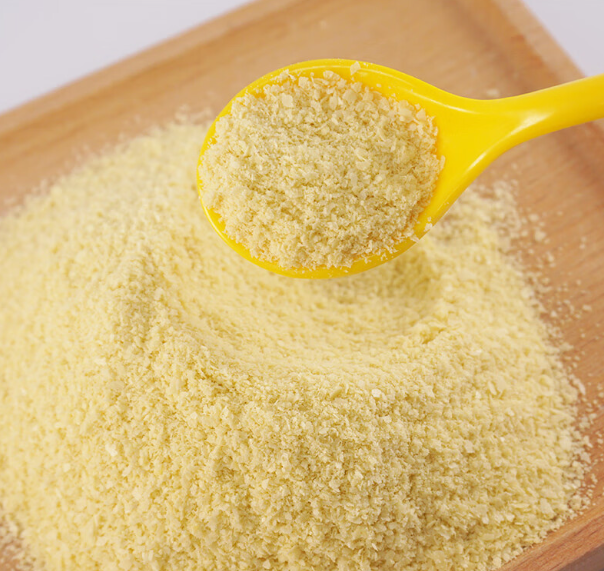
Perhaps the most surprising role of modified starch is in the construction industry. It is a key, though invisible, ingredient in many modern building materials. When you walk into a room with perfectly level walls, or admire a precisely placed tile, modified starch helped make that possible. Starch ethers, a type of chemically modified starch, are added to dry mortars, tile adhesives, and plasters. In tile adhesives, they prevent the heavy tiles from slipping down the wall after application, improving “anti-slip” properties and extending the “open time” (the time the adhesive remains workable) . In gypsum plasters and cement-based renders, they act as rheology modifiers and water-retention agents. They improve […]
Uncovering the diverse applications of modified starchMultiple uses of modified starch
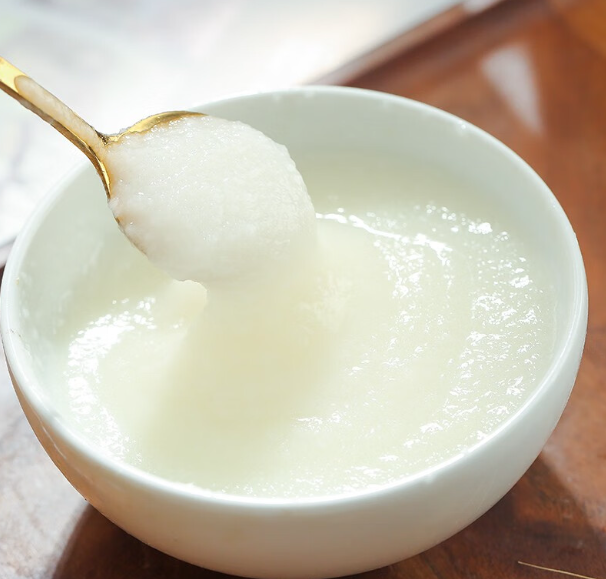
Modified starch is a versatile and indispensable ingredient that has evolved far beyond its native form. By altering the structure of starch granules through physical, chemical, or enzymatic methods, scientists and food technologists can overcome the inherent limitations of native starch, such as poor stability, insolubility in cold water, and a tendency to retrograde . This transformation unlocks a vast array of applications across numerous industries, from enhancing the texture of everyday foods to playing critical roles in pharmaceuticals and sustainable manufacturing. The following table summarizes the primary functions and applications of modified starch across key industries. Industry Key Functions Common Applications Food Industry Thickening, stabilizing, texturizing, fat replacement, shelf-life […]
The Hidden Hero: Exploring the Diverse Applications of Modified Starch
Modified starch is one of the most ubiquitous yet invisible ingredients in the modern world. While native starch—derived from corn, potato, tapioca, or wheat—has been a staple of the human diet for millennia, its natural form often falls short when faced with the demands of industrial processing and complex product formulations . Through the physical, chemical, or enzymatic processes described in the previous article, modified starch is transformed into a versatile functional agent. Its primary purpose is no longer just to provide calories or thicken a simple sauce; it is to provide specific, high-performance functions that are critical to the texture, stability, and quality of thousands of products. This article […]
Unveiling the Art and Science of Modified Starch Processing
Starch is one of the most abundant and versatile renewable resources on the planet. Found in cereals, tubers, and roots, it is a staple ingredient in countless food and industrial products . However, native starch in its raw form often has limitations—it can be unstable under heat or acidic conditions, prone to retrograde (causing syneresis in sauces), or lacking the specific texture required for modern applications . To overcome these challenges, scientists and engineers have developed a range of modification processes to tailor starch’s properties. This article delves into the primary methods used to create modified starch, revealing the technology behind this essential ingredient. The Goal of Modification: Why Alter […]
Exploring the Processing Technology of Breakfast Cereal Corn Flakes
The humble corn flake, a staple on breakfast tables worldwide, is a marvel of food processing technology. What begins as simple corn grits or flour is transformed through a series of precise mechanical and thermal operations into crispy, golden flakes. corn flake making machine While the classic corn flake was originally made using a batch cooking process, modern manufacturing increasingly relies on the efficiency and versatility of twin-screw extrusion technology . This article explores the step-by-step processing technology behind this beloved breakfast cereal. A Tale of Two Processes: Traditional vs. Extrusion Before diving into the modern method, it is helpful to understand that there are two primary ways to make […]
 Japanese
  English
  Russian
  Spanish
  Italian
  Arabic
  Portuguese
  German
  French
  Moroccan Arabic
  Persian
  Belarusian