
The Golden Grain: A Comprehensive Introduction to Fortified Rice
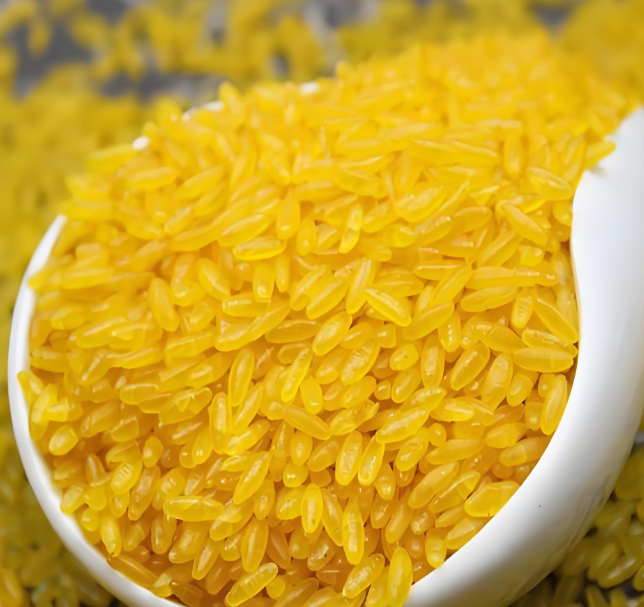
Rice is the silent foundation of the global food supply. For more than half of the world’s population—approximately 3.5 billion people—rice is not merely a side dish but the central component of every meal, providing upwards of 50% of daily caloric intake in many Asian and African nations . Yet this dietary staple, consumed primarily as polished white rice, carries a troubling paradox: the very processing that makes it palatable and shelf-stable strips away much of its inherent nutritional value. Enter fortified rice—a technological intervention that transforms this humble grain into a vehicle for essential vitamins and minerals. This comprehensive introduction explores what fortified rice is, why it matters, and […]
The Workhorse of Industry: A Comprehensive Guide to the Functions of Twin-Screw Extruders
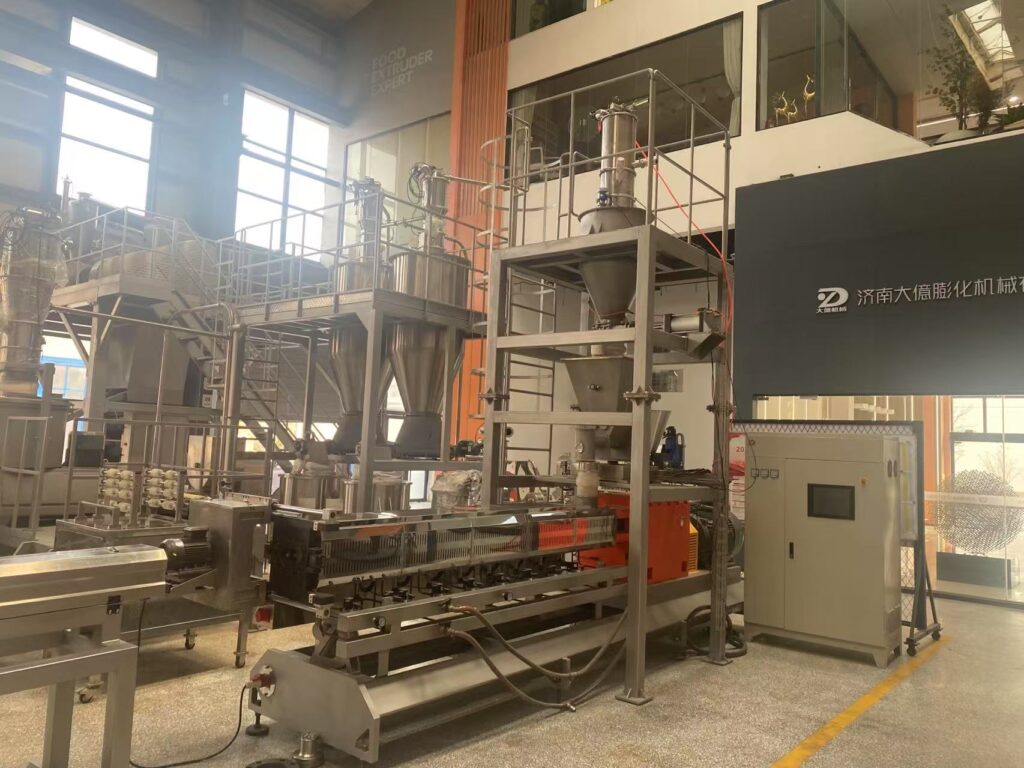
The twin-screw extruder stands as one of the most versatile and transformative machines in modern manufacturing. From the snacks on your kitchen shelf to the biodegradable plastics in development labs, this remarkable piece of engineering performs functions that would otherwise require entire factory floors of separate equipment. Understanding what a twin-screw extruder does—and how it does it—reveals why it has become indispensable across dozens of industries. What Is a Twin-Screw Extruder? At its simplest, a twin-screw extruder is a machine that processes materials by forcing them through a heated barrel using two intermeshing rotating screws. But this description belies the complexity of what actually occurs inside that barrel. The twin-screw […]
Mastering the Heat: A Comprehensive Guide to Controlling Temperature in Twin-Screw Extruders
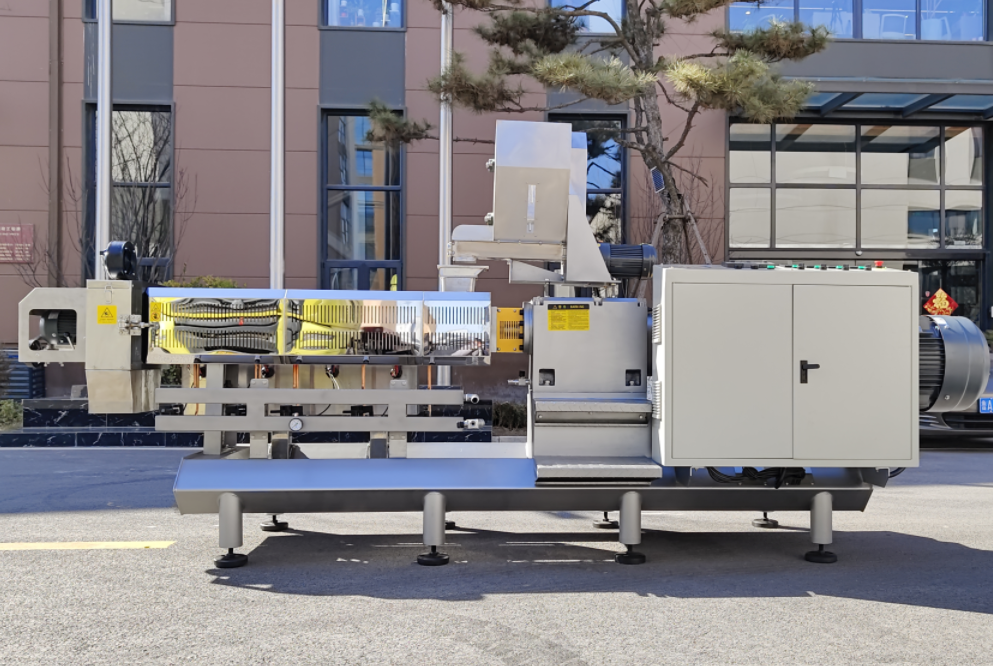
Temperature control in a twin-screw extruder is not merely a technical detail—it is the very essence of the process. Whether you are producing cheese-flavored snacks, texturized vegetable protein, or aquatic feed, the thermal energy inside the barrel dictates the final product’s texture, shape, and taste. Too cold, and the dough remains raw and dense; too hot, and you risk scorching, off-flavors, or dangerous pressure buildups. This guide explores the science, hardware, and practical strategies required to maintain precise thermal command of your extrusion line. 1. The Philosophy of Zonal Control The first rule of extrusion is that the barrel is not one single oven—it is a series of independent climate […]
The Orange Industrial Complex: An Unwelcome Look Inside the Cheetos Production Line
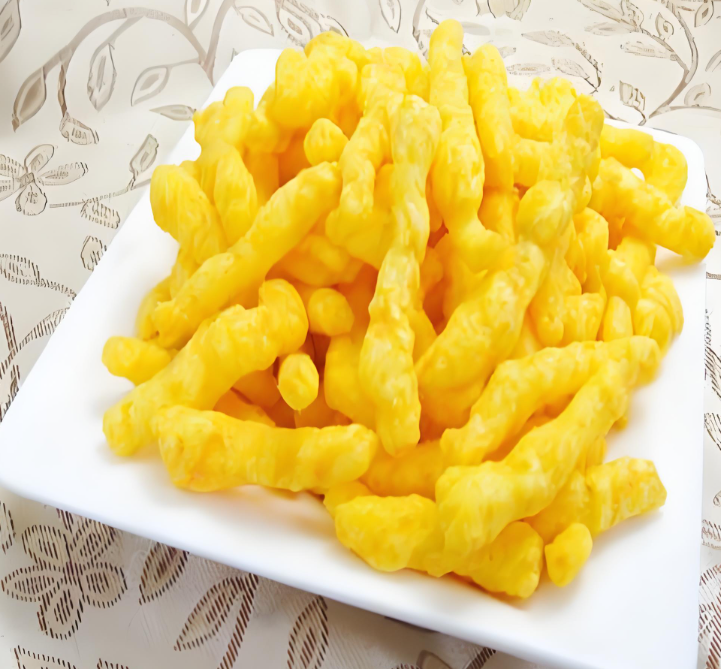
It begins as a pile of grit and ends as a glowing, cheese-dusted crunch. The transformation of simple cornmeal into Cheetos is one of the most fascinating—and, depending on your perspective, disturbing—examples of modern food engineering. Kurkure making machine While the brand markets itself with a grinning cartoon cheetah and carefree snacking, the reality of how these puffs are made involves high-pressure physics, industrial friction, and a chemical cocktail designed to keep you reaching for more. Here is an exposé of the Cheetos manufacturing process, from silo to snack bag. The Slurry Begins: Cornmeal and Chemistry The journey of a Cheeto begins not on a farm, but in a massive […]
What issues should be considered when investing in a puffed food production line
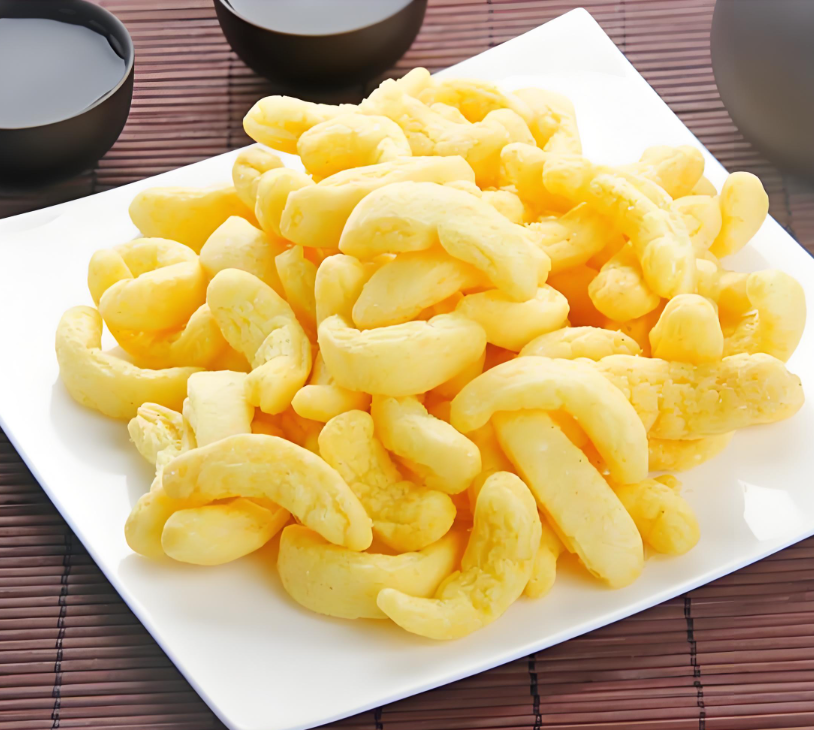
1. Raw Material Flexibility and Formulation The heart of a successful snack line is its ability to adapt to ingredient costs and consumer trends. 2. Extrusion Technology: Single vs. Twin Screw This is the most critical mechanical decision. 3. The Importance of the Drying System Many investors focus on the exciting extrusion part but underestimate the drying phase. 4. Seasoning and Flavor Application The base product is just a carrier for the flavor. 5. Production Capacity and Scalability 6. Utility Consumption (OpEx) Operational expenses can make or break profitability. Request detailed data on: 7. Sanitary Design and Food Safety A food safety scandal can destroy a brand overnight. 8. Automation […]
Mastering Temperature Control in Twin-Screw Extrusion: A Technical Overview
Temperature is arguably the most critical process parameter in twin-screw extrusion cooking. It dictates the degree of starch gelatinization, protein denaturation, melt viscosity, and ultimately, the expansion and texture of the final product—whether it’s puffed breadcrumbs, breakfast cereals, or texturized protein. Unlike a simple oven, an extruder does not just apply heat; it manages a complex interplay of external heating and internally generated friction. Understanding how to control this thermal environment is essential for consistent, high-quality output. This article explains the mechanisms and strategies behind temperature regulation in a twin-screw extruder. 1. The Dual Nature of Heat in Extrusion Before discussing control systems, it is vital to understand where the […]
Critical Operational Guidelines for Twin-Screw Extruders in Food Production
Introduction The twin-screw extruder is the heart of many modern food processing operations, from breakfast cereals and snacks to texturized vegetable protein and, notably, puffed breadcrumbs. Its ability to continuously cook, mix, shear, and shape materials makes it incredibly versatile, yet technically demanding. Unlike single-screw machines, twin-screw extruders offer greater control but also present unique operational challenges. Proper operation is essential to prevent mechanical failure, ensure product quality, and maintain safety. This article outlines the critical considerations for operators and maintenance teams when running a twin-screw extrusion line. 1. Pre-Startup Checks: The Foundation of Safety Before pressing the start button, a systematic inspection is non-negotiable. 2. Process Parameter Control: The […]
Beyond the Burger: The Expanding Applications of Plant-Based Meat
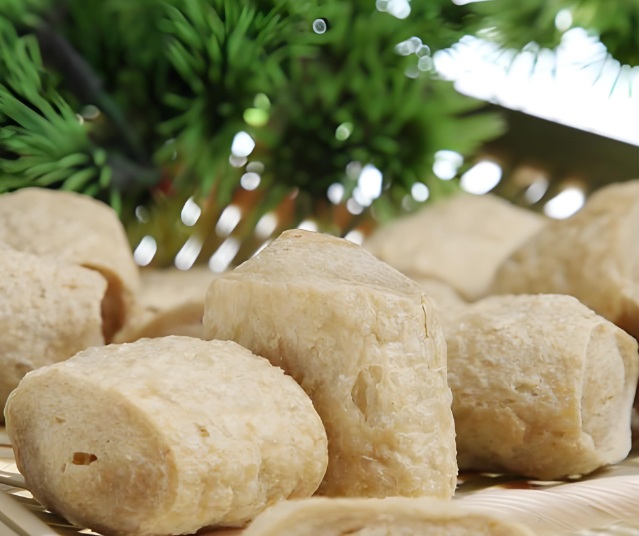
What was once a niche product found only in health food stores has become a mainstream culinary category. Plant-based meat, powered by textured vegetable protein (TVP), has moved from the fringe to the center of the plate. The global TVP market, valued at $1.8 billion in 2025, is projected to nearly double to $3.7 billion by 2035, driven by its widening range of applications . Today, this versatile ingredient is being used in everything from hybrid meat products to seafood analogues, revolutionizing how we think about protein. 1. Meat Analogues: The Classics Reimagined The most prominent application of plant-based meat is in creating direct analogues of animal products—foods designed to […]
A Comprehensive Guide to Building a Textured Vegetable Protein (TVP) Manufacturing Plant
The global appetite for plant-based protein is reshaping the food industry. At the heart of this transformation is Textured Vegetable Protein (TVP), a highly versatile ingredient used in meat alternatives, snacks, and prepared meals. With the market projected to grow from $1.8 billion in 2025 to $3.7 billion by 2035, establishing a TVP production facility presents a significant business opportunity . This article outlines the step-by-step process of building a factory to produce this in-demand product. Phase 1: Market Research and Product Definition Before breaking ground, a clear understanding of the market and your place within it is crucial. 1. Identify Your Niche and Raw Materials The first decision is […]
The Science of Crunch: How to Produce Perfectly Crispy Corn Chips
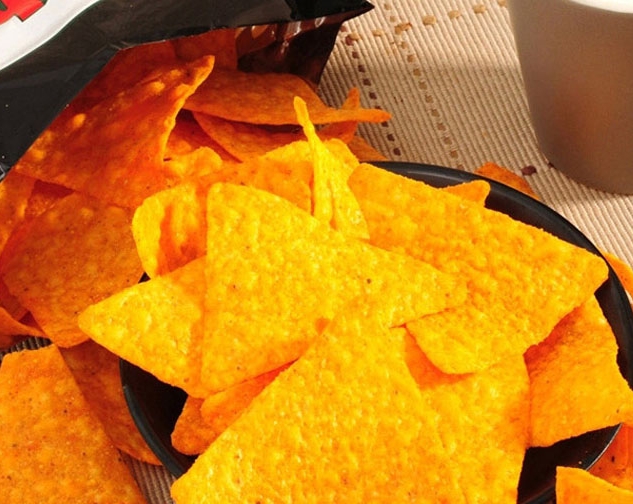
The universal appeal of a corn chip lies in its distinctive crunch—that audible, satisfying fracture that signals freshness and quality. Achieving this perfect crispness is not a matter of luck but the result of precise scientific control over ingredients, processing parameters, and frying dynamics. Whether you are producing traditional corn chips or the thinner tortilla chips, understanding the fundamental principles of crispness development is essential for consistent quality. This article explores the step-by-step process of producing crispy corn chips, focusing on the critical factors that transform simple corn into a perfectly crunchy snack. Understanding the Two Main Types: Corn Chips vs. Tortilla Chips Before diving into production, it is important […]
The Art of the Crunch: How to Achieve Perfectly Shaped Bugles
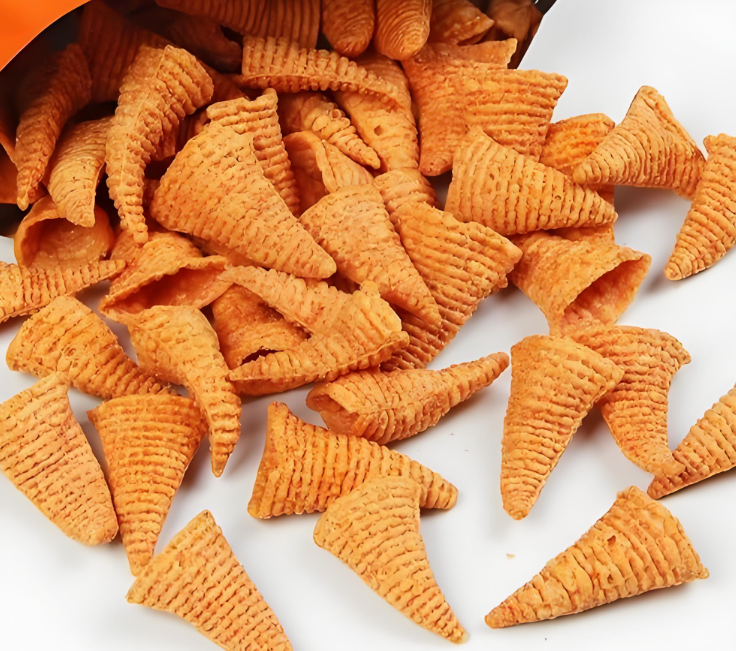
The iconic Bugles snack—those crisp, corn-based cones designed to perch on fingertips—is a marvel of food engineering. Achieving that perfect saddle shape with a satisfying crunch requires more than just a good recipe; it demands precise control over a multi-stage manufacturing process. Unlike simple puffed snacks, Bugles belong to a category known as three-dimensional extruded snacks, which require a unique “sheet-and-fold” production method . This article reveals the step-by-step process of how to produce perfectly shaped, consistently crunchy Bugles. The Core Principle: A 3D Snack Architecture Before diving into the steps, it’s essential to understand why Bugles are different. Traditional puffed snacks are often simply extruded and cut. Bugles, however, […]
How Textured Soy Protein Is Made: From Bean to Bite
The rise of plant-based eating has brought many innovative foods into the spotlight, but few are as fundamental and transformative as Textured Soy Protein (TSP), also known as Textured Vegetable Protein (TVP). Often called “plant-based meat” or “soy meat,” this versatile ingredient is the building block for countless vegetarian and vegan dishes, from hearty tacos to Bolognese sauce. But how exactly are those dry, spongy chunks and crumbles created? The journey from a simple soybean to a protein-rich meat analogue is a fascinating feat of food engineering, primarily relying on a process called extrusion cooking. This article unveils the step-by-step industrial process of producing textured soy protein. What is Textured […]
 Japanese
  English
  Russian
  Spanish
  Italian
  Arabic
  Portuguese
  German
  French
  Moroccan Arabic
  Persian
  Belarusian