
The Differences Between Floating Fish Feed and Sinking Fish Feed
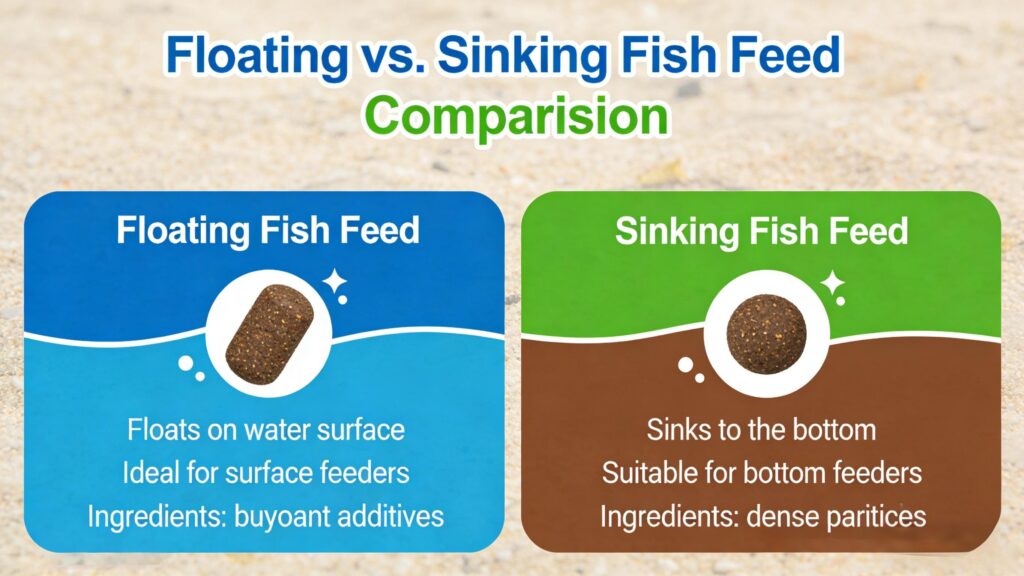
Fish feed plays a very important role in aquaculture and aquarium fish keeping. Among the many types of fish feed available, floating fish feed and sinking fish feed are the two most common forms. Although both provide essential nutrition for fish, they differ in several important ways, including their behavior in water, suitable fish species, feeding observation, and environmental impact. First, the most obvious difference between floating fish feed and sinking fish feed is how they behave in water. Floating fish feed stays on the water surface after being placed in the water. This allows fish to come to the surface and eat the feed easily. In contrast, sinking fish […]
The Art and Science of Crafting Delicious Puffed Snacks
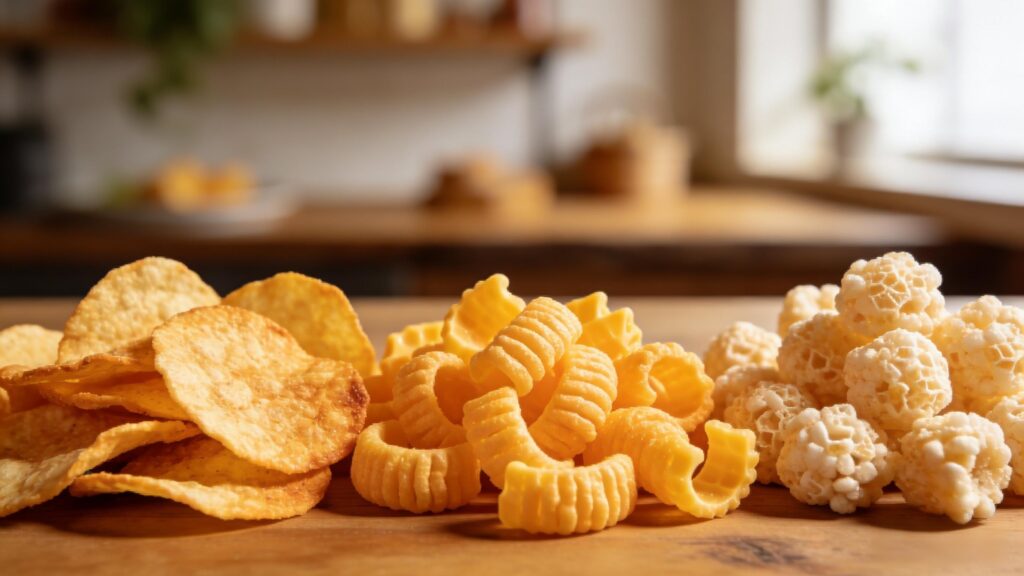
The humble puffed snack—whether a cheese-flavored corn puff, a hearty whole-grain cereal, or a high-protein health snack—is a modern marvel of food science. Its appeal lies in a unique combination of textures: an initial crispy crunch followed by a light, airy melt-in-the-mouth experience. Behind this simple pleasure is a sophisticated continuous process known as extrusion cooking. Producing a puffed snack that is consistently delicious requires a deep understanding of ingredients, precise control of machinery, and an appreciation for the complex chemical and physical transformations that occur in a matter of seconds. The Heart of the Process: The Extruder The journey from raw flour to a finished puff begins in the […]
How to Produce Fish Feed in Various Shapes
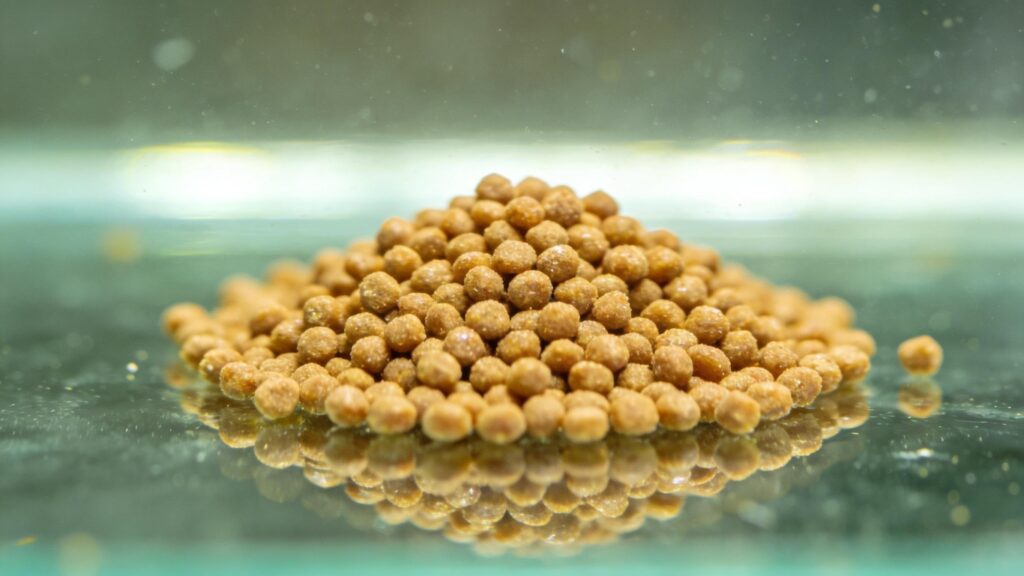
Fish feed plays an essential role in aquaculture, providing the nutrients needed for healthy fish growth and efficient farming. In addition to nutritional value, the shape of fish feed pellets can also affect feeding behavior, feed utilization, and product attractiveness in the market. Modern feed processing technology allows manufacturers to produce fish feed in a variety of shapes and sizes to meet different aquaculture needs. This article explains how different shapes of fish feed are produced and the key factors involved in the process. 1. Why Fish Feed Shape Matters The shape of fish feed is not only important for appearance but also for feeding efficiency. Different fish species have […]
The Ultimate Guide to Fish Feed Processing
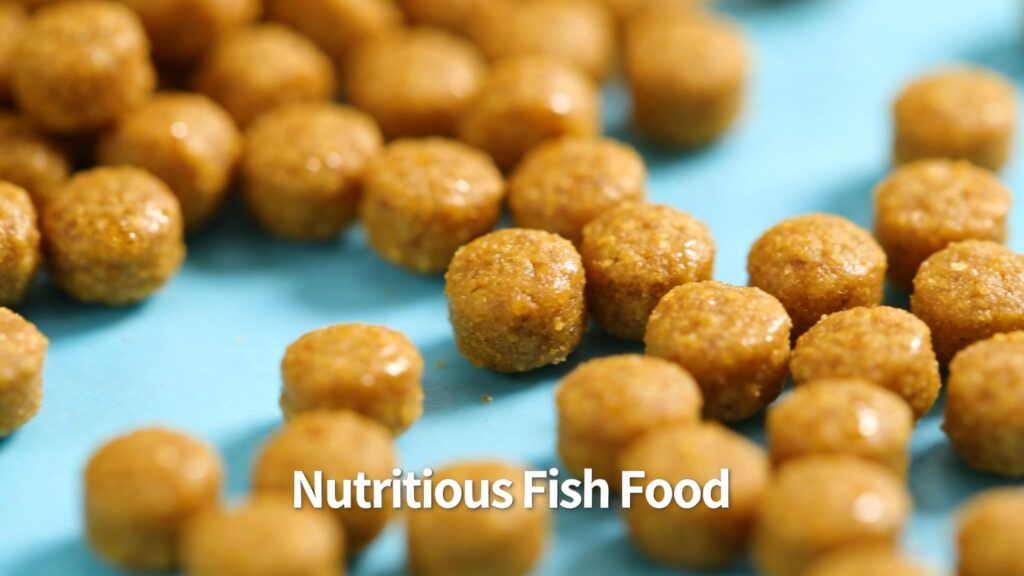
Fish farming has become one of the fastest-growing sectors in the global food industry. As aquaculture continues to expand, the demand for high-quality fish feed is also increasing. Properly processed fish feed plays a critical role in improving fish growth, maintaining water quality, and increasing farming efficiency. This guide provides a comprehensive overview of fish feed processing, including raw materials, equipment, production steps, and key factors for producing high-quality fish feed. 1. Understanding Fish Feed Types Before starting fish feed processing, it is important to understand the different types of fish feed commonly used in aquaculture. Floating Fish FeedFloating feed remains on the water surface and allows farmers to easily […]
Key Issues to Pay Attention to When Producing Puffed Snacks
Puffed snacks are popular worldwide due to their light texture, delicious taste, and wide variety of flavors. They are commonly made from corn, rice, wheat, or potato starch using extrusion technology. However, producing high-quality puffed snacks requires careful control of several factors during the manufacturing process. Paying attention to these key issues can help manufacturers improve product quality, ensure food safety, and increase production efficiency. 1. Raw Material Quality The quality of raw materials is one of the most important factors in puffed snack production. Common raw materials include corn flour, rice flour, wheat flour, and starch. These ingredients must be fresh, clean, and free from contaminants. Manufacturers should also […]
The Ultimate Guide to Investing in a Small Puff Snack Food Factory
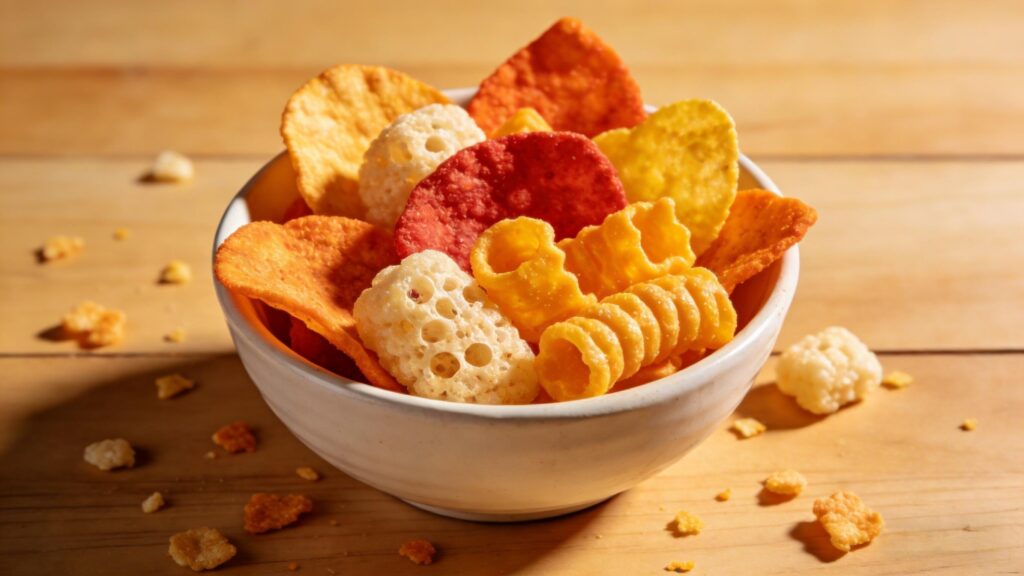
Puffed snacks, such as corn puffs, rice snacks, and cereal-based products, are popular around the world because they are affordable, tasty, and convenient. With relatively low investment requirements and high market demand, starting a small puff snack food factory can be an attractive business opportunity for entrepreneurs. This guide will walk you through the key steps and considerations for investing in a small puffed snack production business. 1. Understanding the Puff Snack Market Before investing in a puff snack factory, it is important to understand the market demand in your target region. Puffed snacks are widely consumed by children and adults alike and are commonly sold in supermarkets, convenience stores, […]
Uncovering the composition of the corn flake production line

Corn Flakes Production Line Equipment Corn flakes are one of the most popular breakfast cereals in the world. The production of corn flakes requires a complete processing line consisting of several machines that work together to transform raw corn into crispy flakes. A typical corn flakes production line includes the following main equipment. 1. Raw Material Mixing Machine The first step in corn flakes production is mixing the raw materials. Corn flour or corn grits are mixed with water, sugar, salt, vitamins, and other ingredients in a mixing machine. This process ensures that all ingredients are evenly distributed before further processing. 2. Screw Conveyor After mixing, the material is transported […]
How Breakfast Cereal Corn Flakes Are Dried: A Comprehensive Guide to Industrial Drying Processes
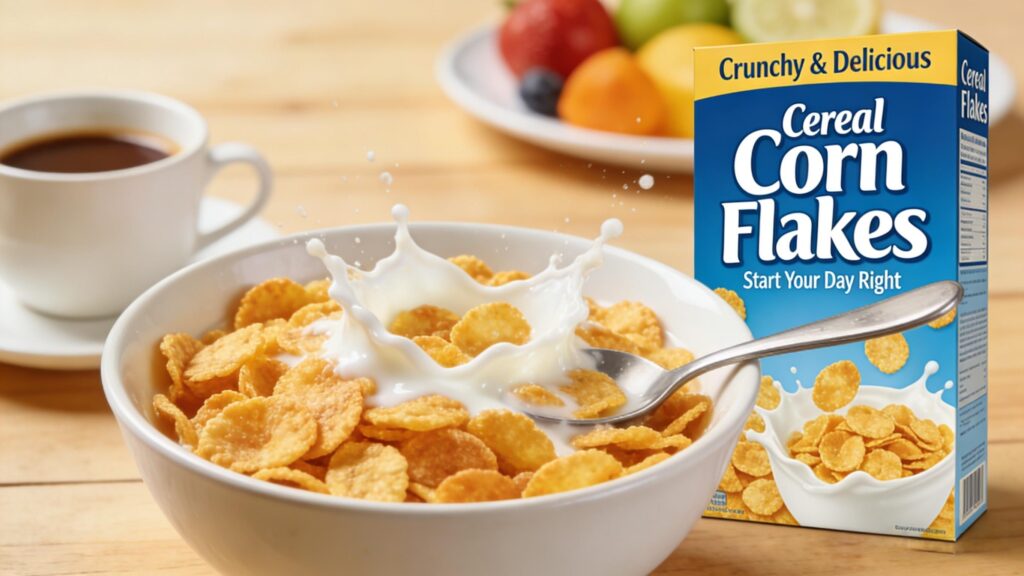
Introduction Drying is one of the most critical unit operations in the production of ready-to-eat breakfast cereals, including the iconic corn flake. Far from being a simple matter of removing water, industrial drying is a precisely controlled process that fundamentally shapes the final product’s texture, flavor, and shelf stability. This article provides a comprehensive examination of how corn flakes are dried during manufacturing, exploring the scientific principles, equipment, and process parameters that transform cooked grain into the crispy cereal consumers expect. As noted in the authoritative reference “Breakfast Cereals and How They Are Made,” most ready-to-eat breakfast cereals require drying as an intermediate or final processing step. This drying involves […]
A Complete Guide to Breakfast Cereal Manufacturing: From Grain to Table
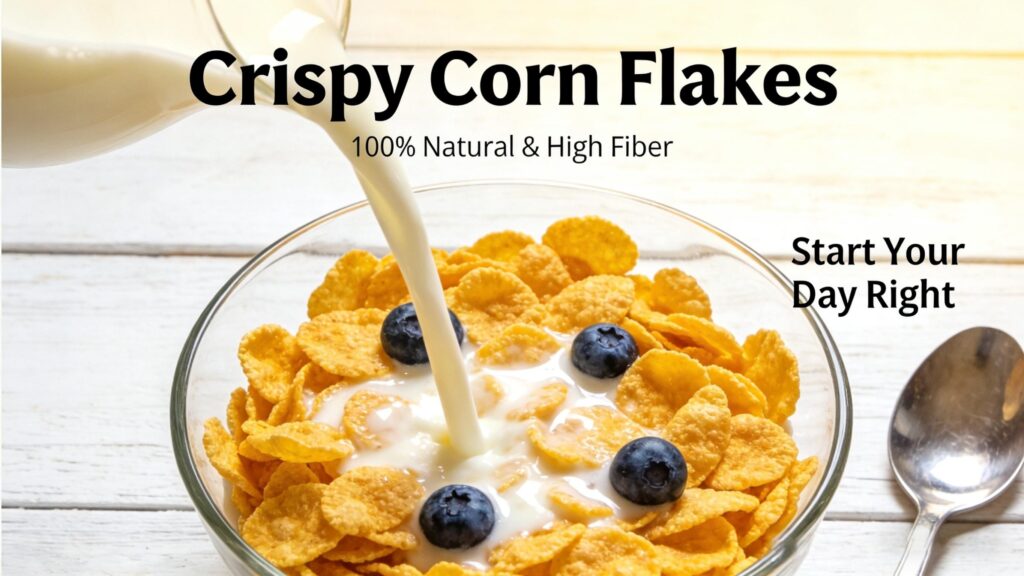
Introduction The breakfast cereal aisle in any supermarket presents a dazzling array of shapes, colors, and textures. Behind this variety lies a complex manufacturing process that transforms simple cereal grains—corn, wheat, rice, and oats—into the crispy, shelf-stable products that are a staple of the modern breakfast table. This article provides a complete, step-by-step guide to the industrial production of processed breakfast cereals, with a particular focus on the iconic corn flake. While traditional cereals like oatmeal require cooking, the focus of this guide is on Ready-to-Eat (RTE) cereals. These products undergo a series of thermal and mechanical processes that gelatinize starches, develop flavor, and create the characteristic crunchy texture that […]
The Golden Flake: An Exposé on the Industrial Processing of Breakfast Cereal Cornflakes
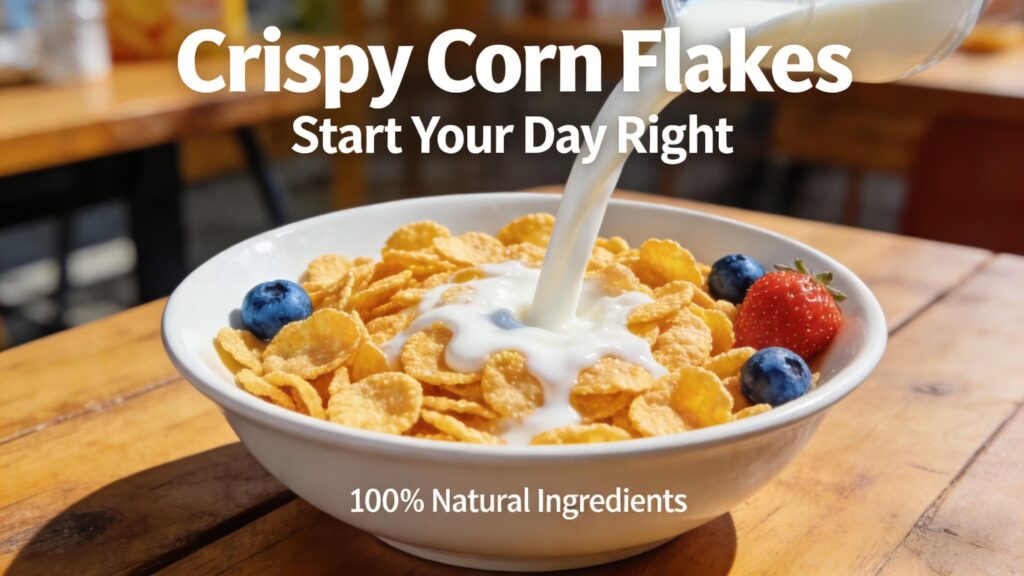
Introduction: The Deceptive Simplicity of Breakfast The breakfast table presents an illusion of simplicity. A bowl of cornflakes, submerged in milk, offers itself as the epitome of modern convenience—a crisp, golden testament to industrial efficiency. Yet beneath this unassuming facade lies one of the most technologically sophisticated and chemically transformative processes in all of food manufacturing. The journey from a kernel of corn to a floating flake represents a radical metamorphosis that strips the grain of its natural integrity, reconstitutes it into a wholly artificial construct, and then laboriously fortifies it with synthetic nutrients to replace those destroyed during processing. This article seeks to peel back the glossy packaging and […]
Fortified Rice: A Versatile Solution for Global Nutrition Challenges

Fortified rice has evolved from a simple public health intervention into a multifaceted tool addressing malnutrition across diverse settings worldwide. Its ability to deliver essential micronutrients without altering dietary habits or cooking practices makes it uniquely adaptable to various applications—from large-scale government programs to emergency humanitarian responses and commercial markets. This article explores the primary applications of fortified rice and how they contribute to improving global nutrition security. 1. National Public Health Programs The most significant application of fortified rice is within government-led public health initiatives designed to combat widespread micronutrient deficiencies, often called “hidden hunger” . Targeted Public Distribution Systems: Countries with high rice consumption have integrated fortified rice […]
Fortified Rice vs. Natural Rice: Understanding the Key Differences
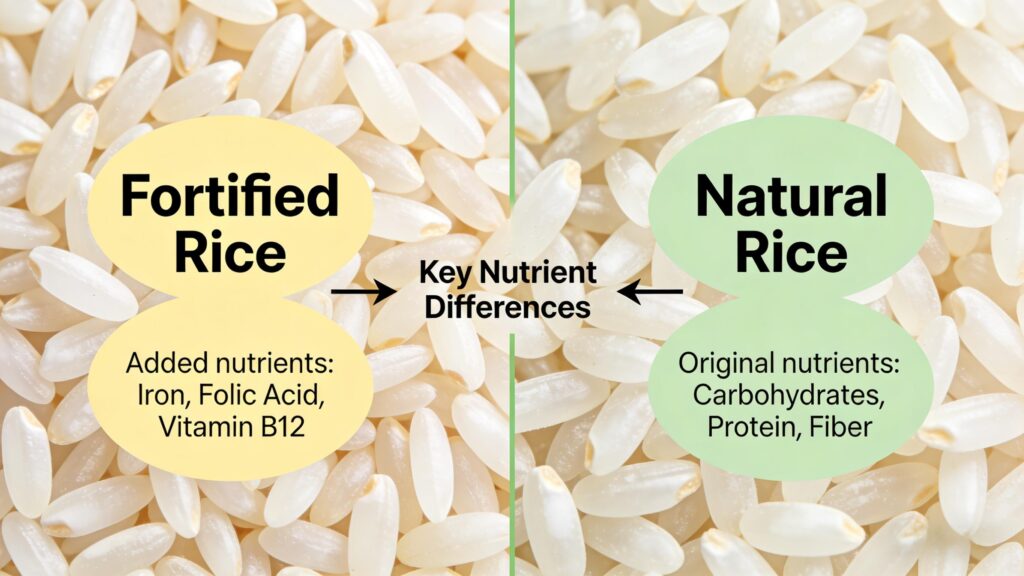
Rice is a dietary staple for more than half of the world’s population. However, the process of milling brown rice into the familiar white rice strips away the nutrient-rich husk, bran, and germ, leaving mostly starch. To combat widespread nutrient deficiencies, particularly in developing countries, food scientists developed fortified rice. But how does it differ from what we might call “natural rice”? The distinction lies in processing, nutrition, and purpose. 1. What is Natural Rice? “Natural rice” generally refers to rice in its least processed forms, specifically brown rice. It consists of three edible parts: When you purchase “natural” whole-grain rice, you are getting the grain as nature intended, complete […]
 Japanese
  English
  Russian
  Spanish
  Italian
  Arabic
  Portuguese
  German
  French
  Moroccan Arabic
  Persian
  Belarusian