
The Science and Process of Manufacturing Sinking Fish Feed
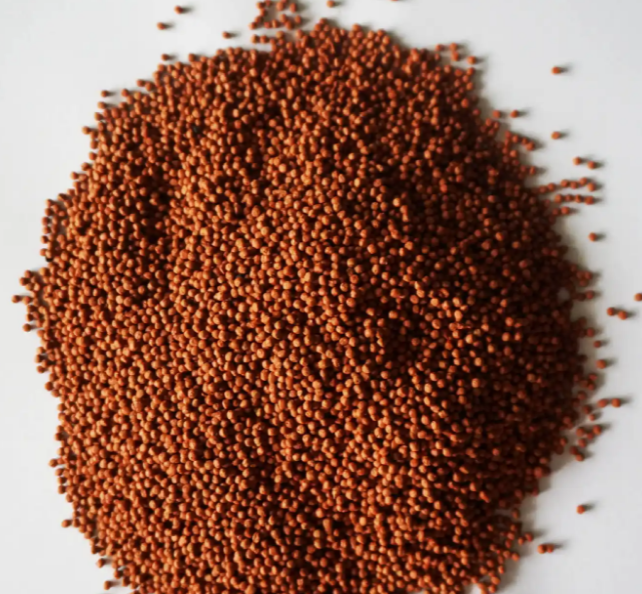
Sinking fish feed is a critical component in aquaculture, specifically designed for bottom-feeding species such as shrimp, catfish, certain carp, and marine finfish. fish feed extruder Unlike floating feed, which relies on high expansion, sinking feed requires a denser, more compact structure to ensure it reaches the desired depth quickly and maintains integrity in water. The manufacturing process, primarily using twin-screw extrusion, involves precise control of raw materials, mechanics, and thermodynamics. 1. Raw Material Selection and Formulation The foundation of high-quality sinking feed lies in its formulation. Key considerations include: 2. Conditioning and Pre-Mixing 3. Extrusion: The Core of Sinking Feed Production The extrusion process for sinking feed is distinct […]
Debunking Myths and Revealing Truths: An Exposé on Fish Feed Drying Technology
Debunking Myths and Revealing Truths: An Exposé on Fish Feed Drying Technology The drying stage in fish feed production is often marketed as a simple, standardized step. However, beneath this façade lies a complex process where engineering choices directly impact nutritional quality, production costs, and environmental footprint. fish feed extruder machine This exposé separates marketing spin from technical reality, revealing critical aspects of fish feed drying often obscured from end-users. 1. The Core Deception: “Gentle Drying” vs. Thermal Reality 2. The Hidden Trade-Off: Speed vs. Quality & Cost 3. The Energy and Sustainability Mirage 4. The Post-Drying Deception: “Fresh” Coating 5. How to Discern Quality: Asking the Right Questions As […]
A Comprehensive Guide to Fish Feed Manufacturing: From Raw Materials to Optimal Pellets
A Comprehensive Guide to Fish Feed Manufacturing: From Raw Materials to Optimal Pellets Fish feed manufacturing is a precision-driven process that transforms raw ingredients into nutritionally complete, water-stable, and palatable pellets. fish feed extruder The quality of feed directly impacts fish health, growth performance, feed conversion ratio (FCR), and water quality. This guide outlines the critical stages and principles of modern fish feed production, focusing on the prevalent extrusion cooking method used for aquafeeds. 1. Raw Material Selection & Reception The process begins with high-quality ingredients. 2. Grinding & Micro-Pulverization 3. Weighing & Mixing (Blending) 4. Conditioning & Pre-Mixing 5. Extrusion Cooking: The Core Process This is the most critical […]
A Guide to Lubrication Practices for Twin-Screw Extruders in Snack Food Production
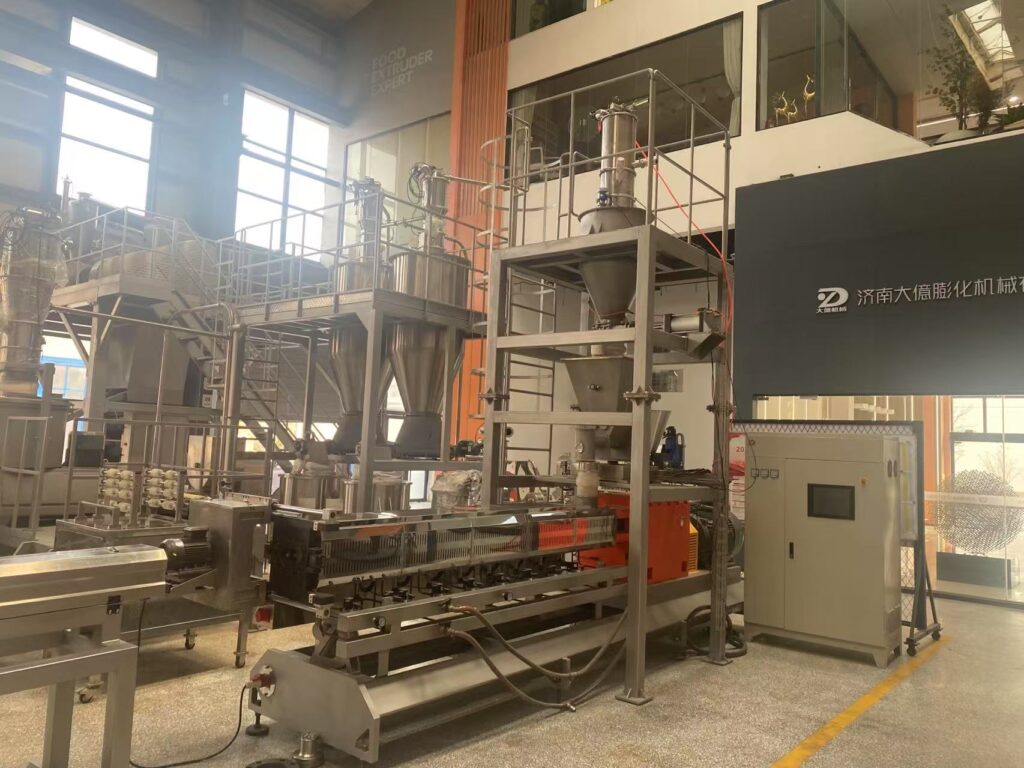
Effective lubrication is critical for the reliable, efficient, and safe operation of twin-screw extruders used in the production of expanded snacks, pet food, and textured proteins. Proper lubrication minimizes wear, prevents premature failure of costly components, manages heat, and ensures consistent product quality. This guide outlines key principles and best practices. 1. Understanding Lubrication Points A twin-screw extruder has two primary lubrication systems: 2. Lubrication of the Mechanical Drive System a) Gearbox Lubrication: b) Thrust Bearing Lubrication: c) Grease-Points (Slew Bearings, Couplings): 3. Critical Considerations for Food Safety & Product Integrity 4. Operational & Process Impact 5. Maintenance Schedule Summary Conclusion:Lubricating a twin-screw extruder is less about greasing moving parts […]
Achieving Superior Crunch: A Technical Guide to Enhancing Crispness in Expanded Snack Foods
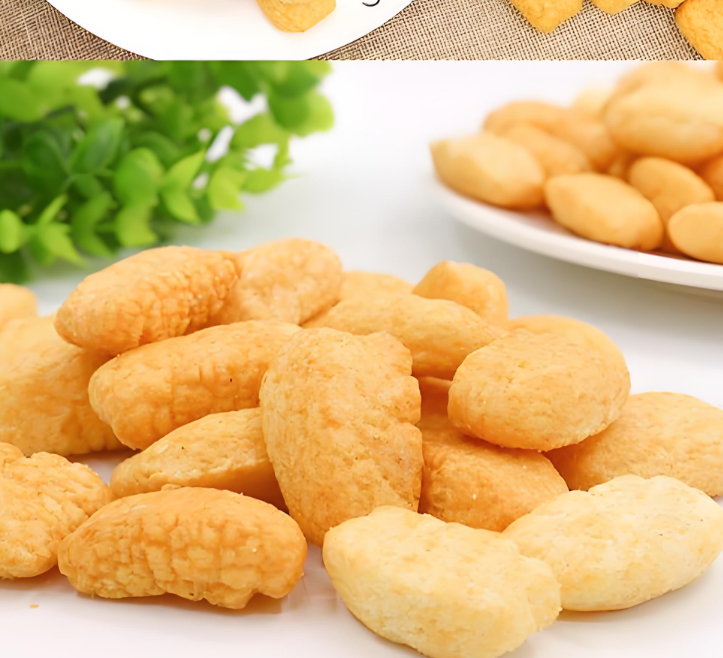
The signature appeal of expanded snacks lies in their delicate, airy, and profoundly crispy texture. This characteristic “crunch” is not accidental but the result of precise scientific and engineering control throughout the manufacturing process. snack extruder machine Achieving and maximizing crispness involves optimizing the structure of the snack matrix itself and preserving it until consumption. Here is a comprehensive guide to the key factors. 1. Foundational Principles: The Science of Crispness Crispness is a textural attribute perceived when a brittle, glassy material fractures suddenly and completely under force, producing many high-frequency sound waves. In snacks, this state is achieved when the biopolymer matrix (primarily gelatinized starch) is in a rigid, […]
A Comprehensive Guide to Moisture Control in Expanded Snack Foods
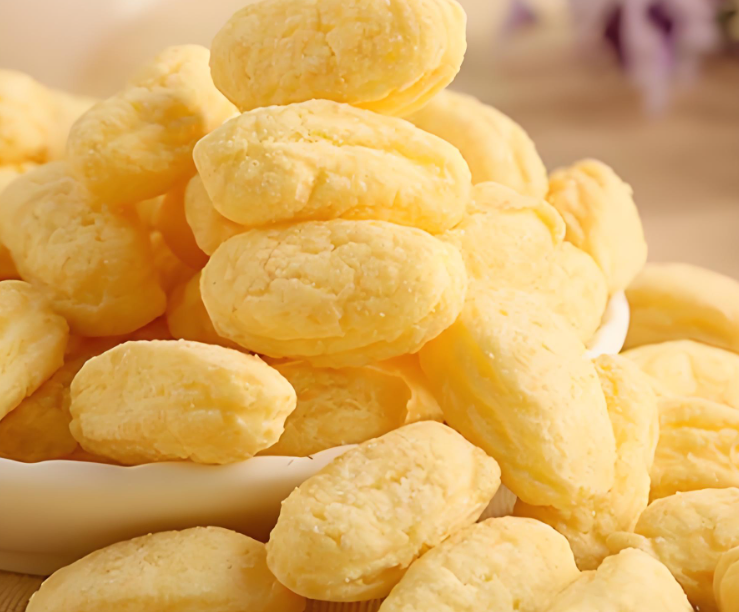
A Comprehensive Guide to Moisture Control in Expanded Snack Foods Abstract: Moisture content is the single most critical factor determining the texture, shelf life, and overall acceptability of expanded (puffed) snack foods. Achieving and maintaining the ideal low moisture level—typically between 1% and 3%—is a complex challenge that spans the entire production chain. This article outlines the key principles and control points for effective moisture management in puffed snack manufacturing. 1. Introduction: The Importance of CrispnessThe desirable “crisp” or “crunchy” texture of puffed snacks is a direct function of their glassy state, achieved at very low moisture levels. Excessive moisture plasticizes the starch-protein matrix, leading to a soft, chewy, or […]
Controlling Moisture Content in Expanded Snack Foods
Moisture content is a critical parameter in the production of expanded snack foods (often called puffed or extruded snacks). It directly influences product texture, shelf life, microbial stability, flavor, and overall quality. Effective moisture control is essential throughout the manufacturing process—from raw materials to packaging. This article outlines key strategies for managing moisture in expanded snacks. 1. Raw Material Selection and Pre-processing The journey of moisture control begins with the raw materials, snacks machinery typically grains (corn, rice, wheat), potatoes, or legumes. 2. The Extrusion Process: The Heart of Expansion The extruder is where moisture, heat, and shear force combine to create the puffed structure. 3. Post-Extrusion Drying and Toasting […]
Products Manufactured by Twin-Screw Extruders: A Comprehensive Overview
The twin-screw extruder (TSE) is a remarkably flexible manufacturing platform. By precisely controlling mechanical shear, temperature, pressure, and residence time, it transforms raw powders and blends into a vast array of finished or semi-finished products across industries. extruder snacks Here is a detailed look at the diverse products a twin-screw extruder can produce. 1. Food Products TSEs perform cooking, shaping, and texturizing in one continuous operation. 2. Pet Food & Aquatic Feed 3. Modified Starches & Ingredients 4. Plastic & Polymer Products 5. Pharmaceutical & Nutraceutical Products 6. Biochemical & Industrial Products 7. 3D Printing Filaments Key Advantages Enabling Diverse Production The twin-screw extruder is a transformation engine. extruder snacks […]
Applications of Twin-Screw Extruders: A Versatile Processing Tool
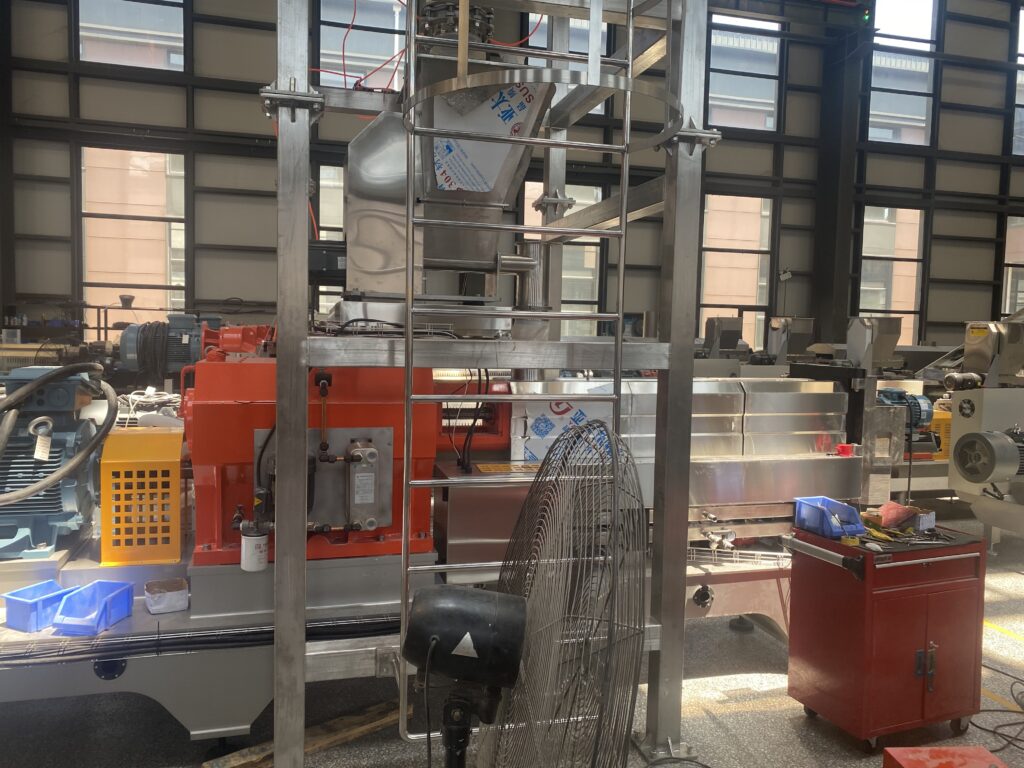
Applications of Twin-Screw Extruders: A Versatile Processing Tool The twin-screw extruder (TSE), particularly the co-rotating intermeshing type, has evolved from a simple compounding machine into a cornerstone of modern industrial processing. Its unique design—featuring two parallel screws rotating inside a barrel—provides unparalleled control over shear, residence time, mixing, and thermal energy input. extruder snacks This makes it exceptionally versatile for transforming raw materials across numerous industries. Here are its primary applications. 1. Food Processing & Human Nutrition This is one of the largest and most innovative application areas. 2. Pet Food & Animal Feed 3. Polymer & Plastics Processing The traditional and still critical domain for TSEs. 4. Pharmaceuticals A […]
Effective Cooling Methods for Extruders
Proper temperature control is critical for extrusion processes, affecting product quality, machine stability, and energy efficiency. snack extruder machine Overheating can lead to material degradation, dimensional inaccuracy, increased wear, and even equipment failure. This article outlines practical cooling methods to maintain optimal extruder performance. Why Cooling is Necessary During operation, mechanical friction (between the screw and barrel) and shear heating within the polymer melt generate significant excess heat. If uncontrolled, this heat can: Primary Cooling Methods 1. Air Cooling 2. Water Cooling 3. Oil Cooling (Thermal Fluid Systems) 4. Combined (Hybrid) SystemsMany modern extruders use a combination, such as air cooling for the feed throat (to prevent premature melting and […]
Heating Mechanisms in a Twin-Screw Extruder
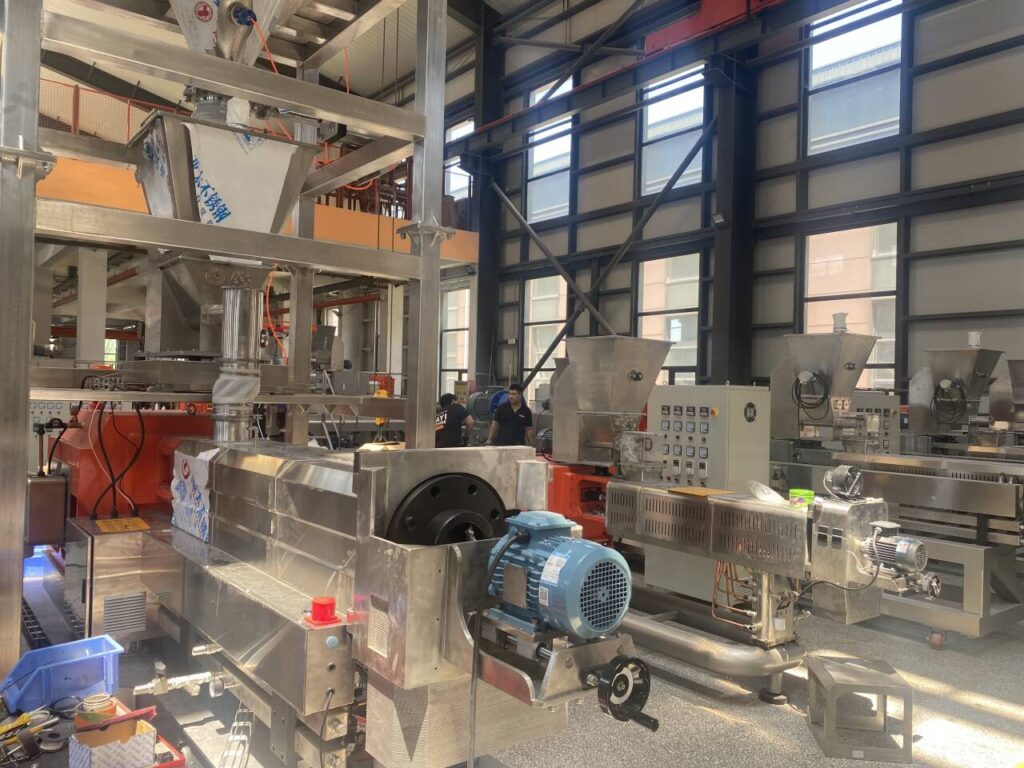
A twin-screw extruder is a versatile thermal-mechanical processing system used extensively in food, feed, plastics, and biochemical industries. double screw extruder Its heating is crucial for transforming raw materials into a molten, homogenous mass suitable for shaping, texturizing, or chemical reaction. The heating process in a twin-screw extruder is not singular but a synergistic combination of multiple mechanisms, precisely controlled to achieve the desired product characteristics. The primary heating sources can be categorized into two main types: External (Barrel) Heating and Internal (Mechanical) Heating. 1. External Heating: Barrel Heating Systems The barrels, which house the intermeshing screws, are equipped with external heating jackets. These jackets typically utilize one or more […]
Puffed Breadcrumbs: The Versatile Powerhouse in Modern Food Production
Puffed breadcrumbs, a versatile processed food ingredient, are revolutionizing texture and functionality across culinary sectors. This article explores their production methods, unique properties, and expanding applications in commercial and artisanal food preparation. 1. Production & Structural Characteristics Puffed breadcrumbs are created through high-temperature extrusion of wheat flour or other grains, causing rapid moisture vaporization and starch gelatinization. This process yields: 2. Functional Advantages Over Traditional Breadcrumbs 2.1 Texture Engineering 2.2 Technical Benefits 3. Industrial Applications 3.1 Protein Product Enhancement 3.2 Snack Food Innovation 3.3 Binding & Extending Applications 4. Culinary & Artisanal Uses 4.1 Modernist Techniques 4.2 Dietary Adaptation 5. Emerging Innovations 5.1 Functional Enhancements 5.2 Sustainability Applications 6. Technical […]
 Japanese
  English
  Russian
  Spanish
  Italian
  Arabic
  Portuguese
  German
  French
  Moroccan Arabic
  Persian
  Belarusian