
Soy Protein Isolate vs. Textured Vegetable Protein: Understanding the Differences
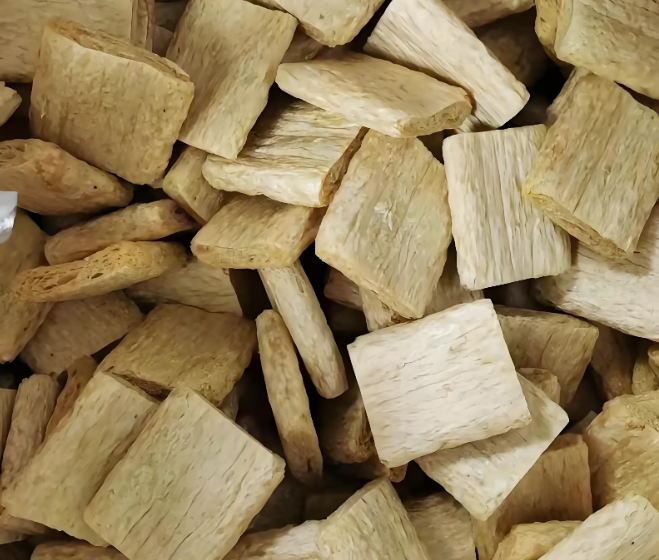
Soybeans are a nutritional powerhouse and a cornerstone of the plant-based protein industry. Two of its most significant derivatives—soy protein isolate (SPI) and textured vegetable protein (TVP)—play crucial but distinctly different roles in food products. While both originate from the same bean, their production processes, properties, and primary applications set them apart. 1. Production and Composition Soy Protein Isolate (SPI) is the most refined form of soy protein. It is produced by removing the fats and carbohydrates from defatted soybean flakes, resulting in a product that is typically over 90% protein by weight. This process involves aqueous extraction and precipitation, yielding a fine, neutral-colored powder that is nearly tasteless and […]
Soy Protein Isolate: The Pure Plant Powerhouse
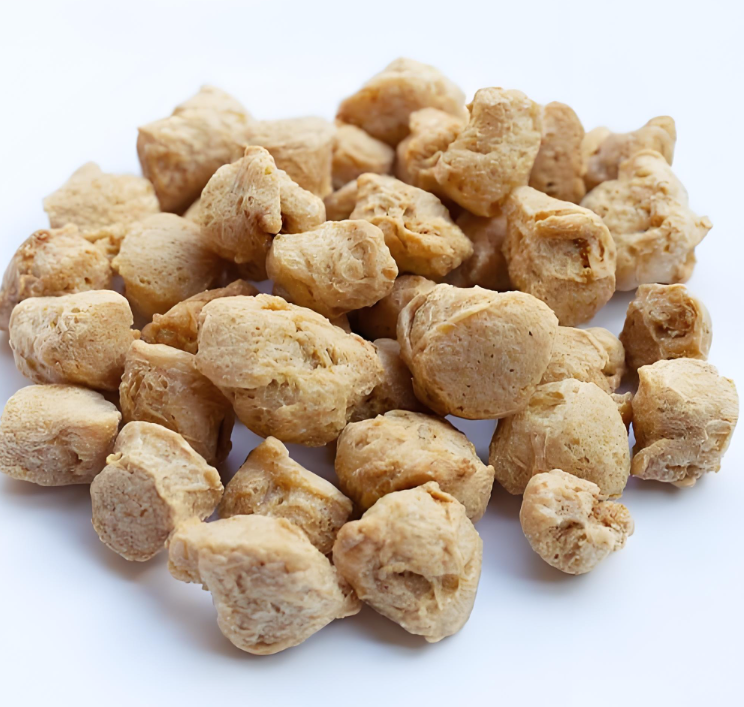
Introduction: The Gold Standard of Plant Proteins Soy Protein Isolate (SPI) represents the most refined form of protein derived from soybeans, typically containing 90-95% protein on a dry basis. As global demand for sustainable, high-quality protein continues to rise, SPI has emerged as a critical ingredient across food, beverage, and nutritional industries. This versatile protein source offers exceptional nutritional value and functional properties that make it indispensable in modern product formulation. What is Soy Protein Isolate? Soy Protein Isolate is produced by removing the non-protein components—carbohydrates, fats, and minerals—from defatted soy flakes. The result is a concentrated, neutral-flavored powder with the highest protein density of any commercially available soy product. […]
Textured Soy Protein: A Versatile Powerhouse in Modern Food Systems
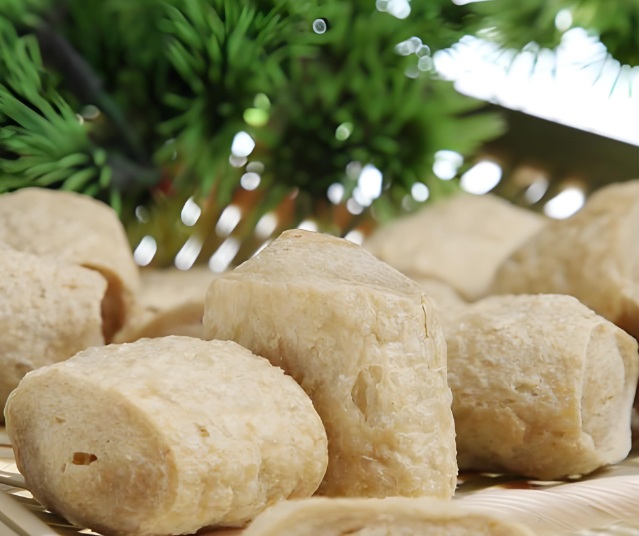
Introduction: From Niche Ingredient to Mainstream Staple Textured Soy Protein (TSP), often marketed as Textured Vegetable Protein (TVP), has evolved from a specialty health food item into a critical component of global food systems. With its unique combination of nutritional benefits, functional properties, and economic advantages, TSP has found applications across diverse culinary traditions and food manufacturing sectors. This article explores the extensive applications of this remarkably versatile ingredient. Nutritional Profile: The Foundation of Its Appeal Before examining applications, it’s essential to understand why TSP has become so widely adopted: Primary Application Areas 1. Direct Meat Alternatives & Analogs TSP forms the structural foundation for most plant-based meat products: 2. […]
Textured Soy Protein (TSP): From Oilcake to Meat Mimic – A Technical Breakdown
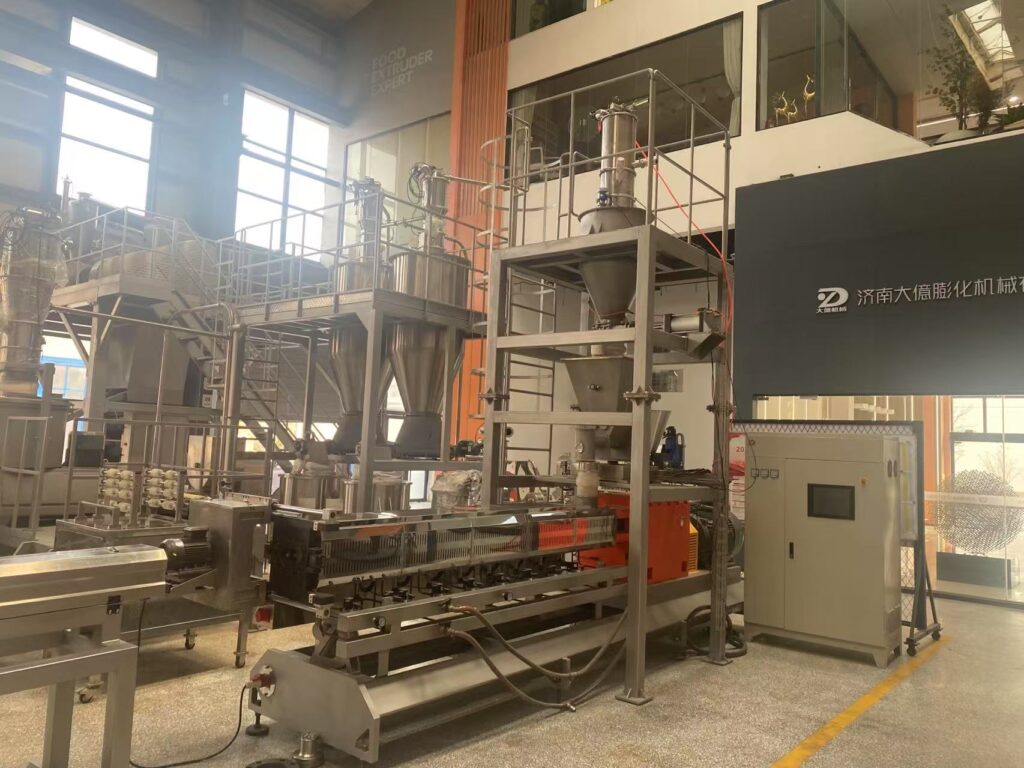
Textured Soy Protein (TSP), also known as Textured Vegetable Protein (TVP), is a versatile, high-protein food ingredient derived from soybeans. It is celebrated for its meat-like texture, nutritional profile (high in protein and fiber, low in fat), and cost-effectiveness, soybean extruder making it a cornerstone of vegetarian, vegan, and budget-conscious cooking. This article details the standard industrial processing methods used to transform defatted soy flour into this fibrous, spongy product. 1. Raw Material: Defatted Soy Flour The primary feedstock for TSP is defatted soy flour, a co-product of the soybean oil extraction industry. After oil is removed (typically via hexane solvent extraction or mechanical pressing), soybean extruder the remaining cake […]
The Truth About Soy Protein Isolate: How It’s Really Made
The Truth About Soy Protein Isolate: How It’s Really Made Soy protein isolate is everywhere—from protein shakes and bars to meat substitutes and packaged foods. Marketed as a pure, high-protein, low-fat ingredient, it’s often celebrated as a healthful, plant-based superfood. But behind the clean label lies a complex, soya chunk making machine chemically intensive manufacturing process that would surprise many consumers. Here’s an inside look at how soy protein isolate is truly produced. From Bean to “Pure” Protein: A Multi-Step, Harsh Transformation The journey begins not with organic, whole soybeans destined for human consumption, but most commonly with genetically modified soybeans grown on an industrial scale. These beans are first […]
Fortified Rice: A Technical Examination of Process and Purpose
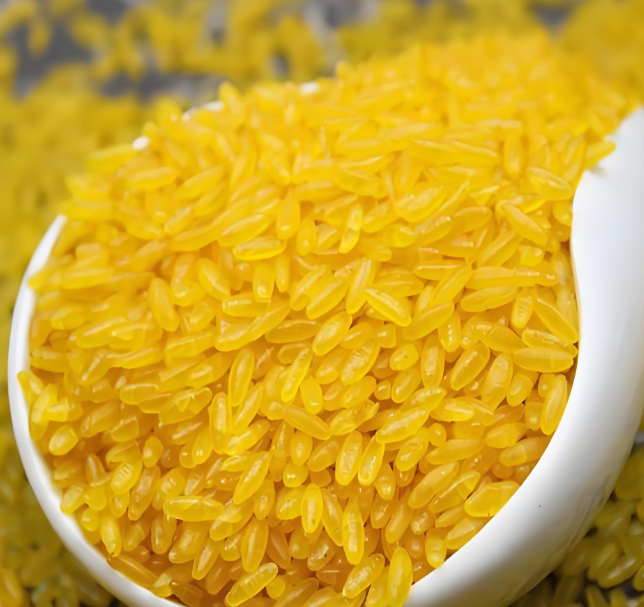
Fortified Rice: A Technical Examination of Process and Purpose Fortified rice is a public health intervention designed to combat “hidden hunger” – micronutrient deficiencies that persist even when caloric needs are met. fortified rice making machine While often framed as a simple nutritional boost, its industrial manufacturing process involves sophisticated technology with specific benefits and limitations. This article provides a technical, non-sensationalized examination of how rice is fortified. 1. The Core Challenge and Solution Unlike wheat flour, which can be uniformly blended with nutrient powders, rice presents a unique problem: it is washed and often cooked in excess water by consumers, fortified rice making machine which would leach out any […]
Key Considerations in Baked Dog Food Production
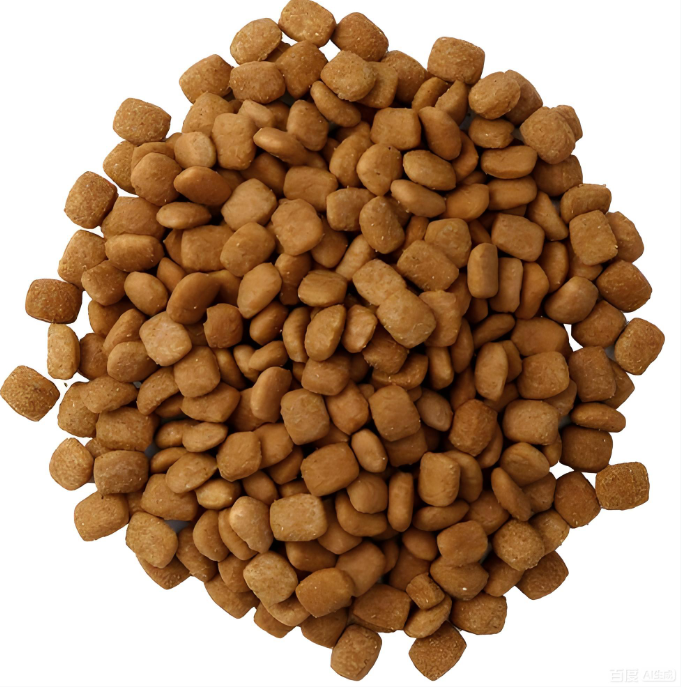
Key Considerations in Baked Dog Food Production Baking represents a premium processing method for dry dog food, often perceived as a gentler, more natural alternative to high-heat extrusion. However, achieving consistent quality, safety, and nutritional integrity requires meticulous control throughout the process. Here are the critical factors to monitor in baked dog food manufacturing. 1. Ingredient Selection & Pre-Mixing 2. Dough Formation & Shaping 3. The Baking Process: Time & Temperature Profile This is the most critical control point. 4. Cooling & Stabilization 5. Post-Baking Applications 6. Quality Control & Safety Checks Conclusion Successful baked dog food production hinges on balancing gentle cooking with rigorous process control. The appeal of […]
Floating vs. Sinking Fish Feed: A Comprehensive Guide
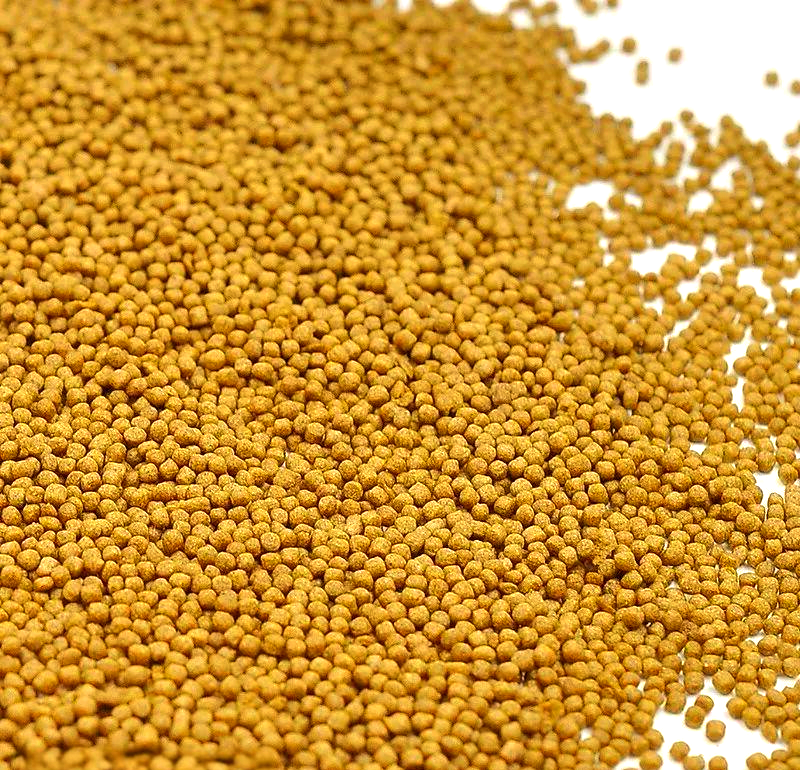
Floating vs. Sinking Fish Feed: A Comprehensive Guide The choice between floating (extruded) and sinking (pelleted) fish feed is a critical decision in aquaculture and ornamental fish keeping, impacting feed efficiency, water quality, and animal health. Each type possesses distinct physical properties, manufacturing processes, and applications. 1. Core Difference: Buoyancy & Manufacturing Process The fundamental difference lies in density, which is dictated by the production method. 2. Comparative Advantages & Disadvantages Feature Floating Feed (Extruded) Sinking Feed (Pelleted) Feed Observation Excellent. Allows direct observation of feeding activity, enabling farmers to adjust ration to appetite and minimize waste. Poor. Feeding occurs below the surface, making it difficult to gauge consumption rates. […]
Market Outlook 2024-2030: The Commercial Dog Food Industry at an Inflection Point
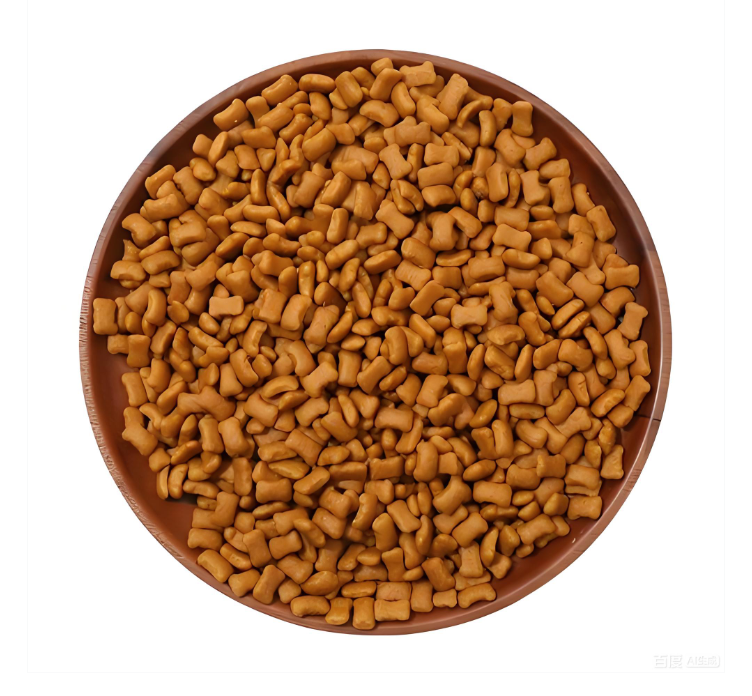
The global commercial dog food market, valued at approximately USD 55-60 billion in 2023, is a resilient and dynamic sector within the broader pet care industry. Driven by deep emotional bonds, humanization trends, and rising disposable incomes, the market is projected to grow at a Compound Annual Growth Rate (CAGR) of 5-7% through 2030. However, this growth is no longer linear. The industry is undergoing a fundamental transformation shaped by consumer demand, technological innovation, and heightened competition. 1. Primary Growth Drivers: Beyond Basic Nutrition 2. Key Market Segments & Evolving Demand 3. Critical Challenges & Industry Headwinds 4. Future Trends Shaping the Next Decade Conclusion: A Market of Diverging Paths […]
Unveiling the Kibble Kitchen: A Real Look Inside Commercial Dog Food Manufacturing
For many dog owners, that bag of kibble represents convenience, science, and a promise of complete nutrition. But what truly happens between the farm and the food bowl? Let’s pull back the curtain on the industrial processes that create most commercial dry dog food, separating fact from common myth. The Core Process: It’s All About Extrusion Imagine a giant, high-tech pasta maker. That’s essentially an extruder, the heart of dry dog food production. Here’s the step-by-step journey: 1. Ingredient Sourcing & The “Meal” Truth:The process doesn’t start with whole, raw steaks grilling in an oven. dog food making machine It often begins with rendered meals (like chicken meal, lamb meal). […]
Pet Food Manufacturing: From Raw Materials to Nutritionally Complete Diets
The modern pet food industry transforms a diverse array of raw ingredients into safe, nutritious, and palatable products tailored to the needs of companion animals. pet food making machine The manufacturing process is a sophisticated blend of food science, engineering, and stringent quality control, ensuring every kibble, pouch, or can meets precise nutritional standards. This article outlines the core processing methods for the three primary forms of commercial pet food: dry, wet, and semi-moist. 1. Dry Food (Kibble) Production via Extrusion Extrusion is the most common method for producing dry pet food, capable of creating a vast range of shapes, sizes, and densities. 2. Wet Food Production via Retorting Wet […]
An Investigative Look at the Processing of Floating Fish Feed: Techniques, Trade-Offs, and Truths
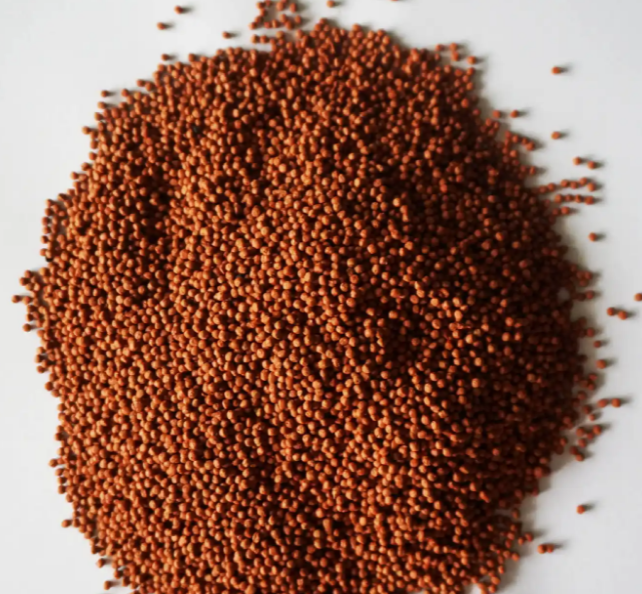
Floating fish feed, commonly used for species like tilapia, carp, and catfish that feed at the water’s surface, is often presented as a marvel of modern aquaculture engineering. While the technology is indeed advanced, the common narrative oversimplifies the process and obscures the significant compromises made between nutritional quality, production efficiency, and cost. This exposé aims to peel back the layers of marketing claims and reveal the core industrial realities of floating fish feed production. 1. The Central Illusion: “Light & Airy” vs. “Nutrient-Light” The defining characteristic of floating feed is its low density, achieved through a high degree of expansion (puffing) during extrusion. This expansion is not a gentle […]
 Japanese
  English
  Russian
  Spanish
  Italian
  Arabic
  Portuguese
  German
  French
  Moroccan Arabic
  Persian
  Belarusian