
How Dog Food Is Made with an Extruder (Kibble Production Explained)
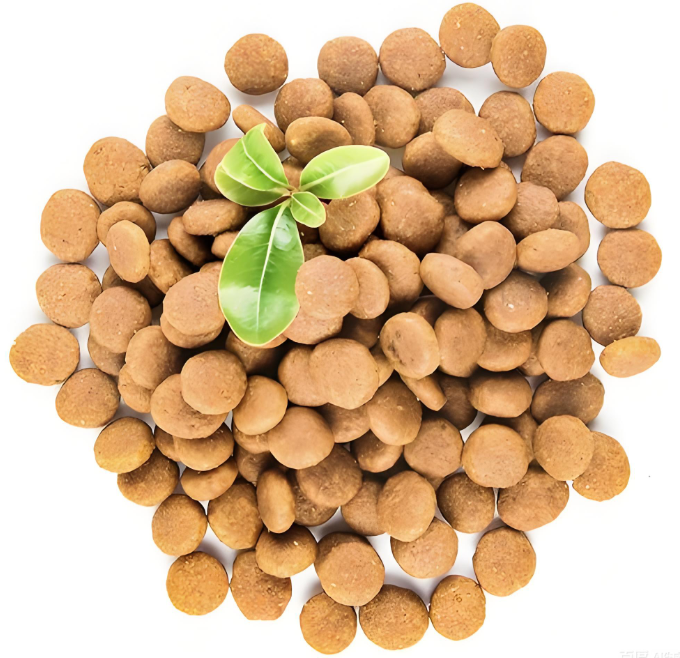
Most dry dog food (kibble) is produced using extrusion, a high-throughput cooking and shaping process that turns a blended “dough” into uniform, shelf-stable pieces. Below is a practical, step-by-step look at how a typical extruded kibble line works—from raw materials to packaged bags. 1) Ingredient preparation and receiving A kibble formula usually combines: Ingredients arrive in bulk trucks, totes, or bags, then are sampled and tested (common checks include moisture, protein/fat, and contamination screening depending on the plant’s QA program). 2) Grinding (particle size control) Many dry ingredients are run through a hammer mill or grinder to achieve consistent particle size. This matters because: 3) Batching and mixing A batching […]
Behind the Bag: What “Dog Food Processing” Really Looks Like
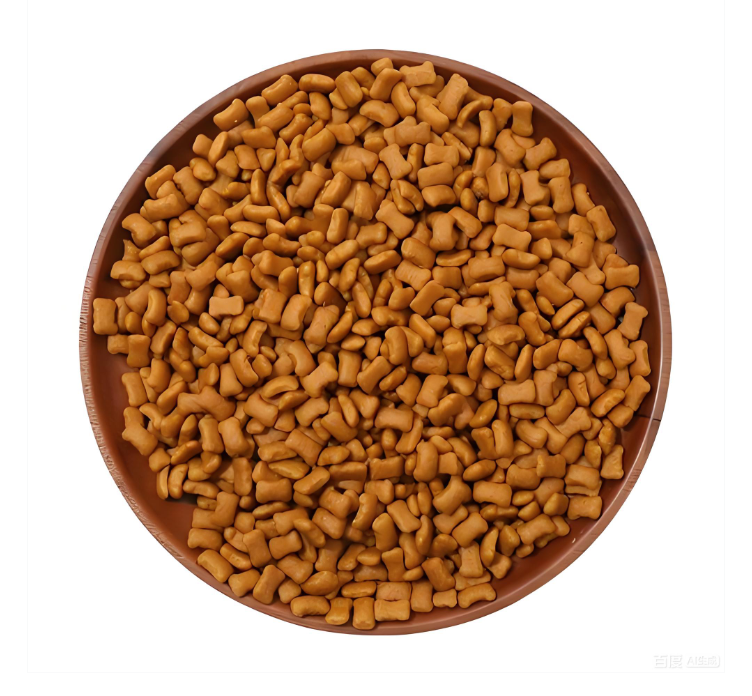
Walk down any pet-food aisle and you’ll see the same promises repeated in different fonts: premium, natural, human‑grade, gently cooked, ancestral. dog food making machine The packaging shows bright vegetables, glossy cuts of meat, and happy dogs sprinting through fields. What you don’t see is the industrial reality of how most dry and many wet dog foods are manufactured—what gets used, how it’s transformed, and why the final product can look nothing like the ingredients pictured on the front. This article doesn’t accuse any specific brand of wrongdoing. It simply lays out common, legal, widely used processing steps in the pet-food industry—and the questions consumers should be asking. 1) The […]
Inside Corn Flakes: A Transparent Look at How Breakfast Cereal Is Really Made
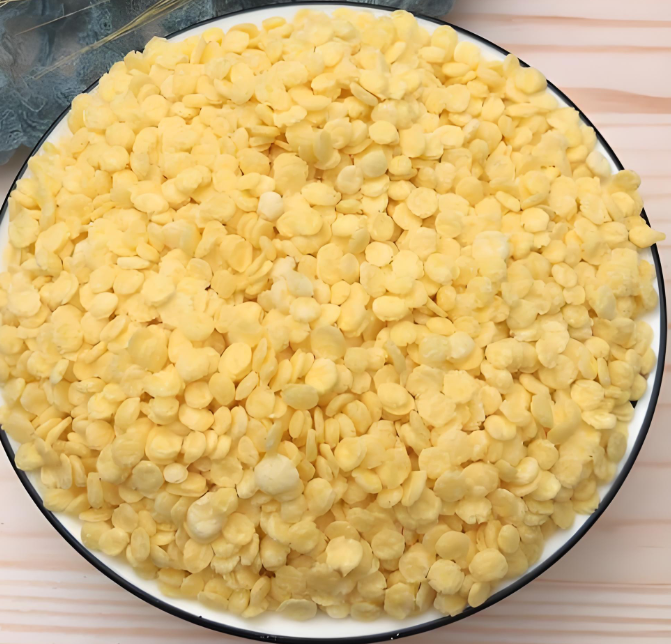
Corn flakes are marketed as simple and wholesome—“made from corn,” “fortified with vitamins,” “crispy and light.” corn flakes making machine But the familiar golden flakes in a box are not a raw grain product. They are the result of a carefully engineered industrial process designed to control texture, sweetness, color, shelf life, and cost. This article lays out the real manufacturing steps behind corn flakes, and points out where processing choices shape what ends up in your bowl. 1) The Raw Materials: More Than Just “Corn” Most corn flakes start with milled corn (often corn grits), not whole kernels. A typical formula includes: What’s worth noticing: “corn” provides the structure, […]
Applications of Food Extruders: Where Extrusion Technology Is Used in the Food Industry
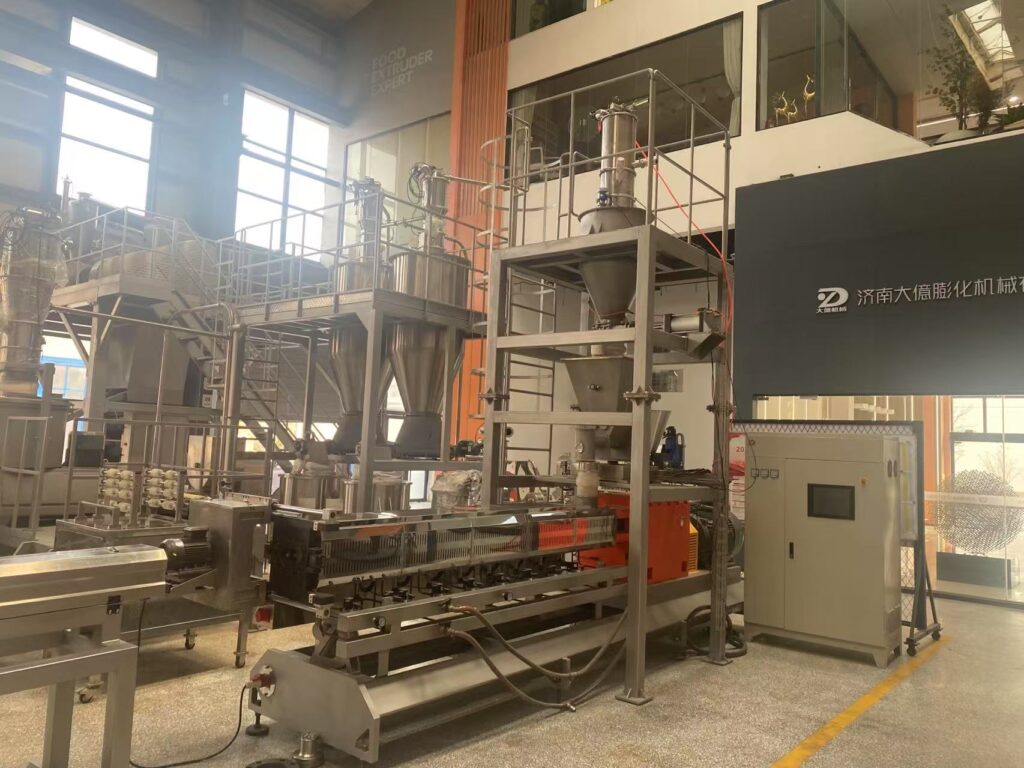
Food extrusion is a high-efficiency process that combines mixing, cooking, shaping, and texturizing in one continuous operation. By controlling moisture, temperature, pressure, and mechanical shear, an extruder can transform simple raw materials—such as grains, starches, and proteins—into products with specific textures, shapes, and functional properties. Because of this flexibility, food extruders are used across many categories, from snacks to pet food and modern plant-based proteins. Below is an overview of the major applications of food extrusion and what extrusion contributes in each case. 1) Puffed and Expanded Snacks One of the most common uses of extrusion is making light, crispy, expanded foods, including: What extrusion does: gelatinizes starch and creates […]
How Crispy Puff Snacks Are Made: The Production of Crunchy Extruded Foods
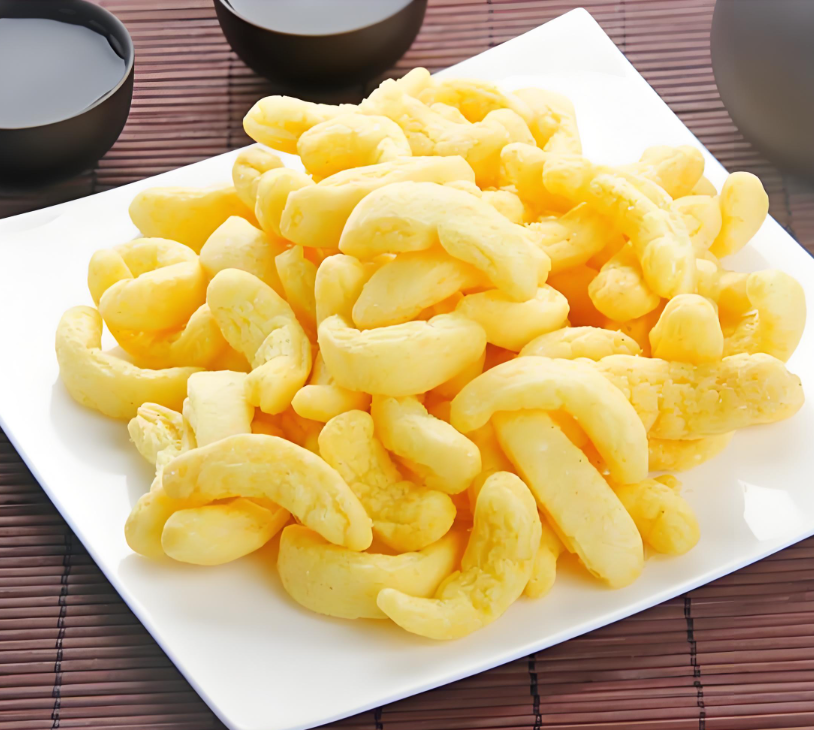
Crispy puffed snacks—such as corn puffs, cheese curls, rice puffs, and many other “extruded” snacks—feel simple to eat, but they are engineered foods. Their light texture, loud crunch, and quick melt-in-the-mouth bite come from tightly controlled processing: hydration, cooking under pressure, rapid expansion, drying, and seasoning. This article explains how manufacturers produce consistently crisp puffed foods and what variables make or break crunch. 1) Start With the Right Base: Starch Is the Engine of Puffing Most crispy puff snacks are built on starch-rich flours or grits, commonly: Why starch matters: during extrusion, starch gelatinizes (cooks and swells). When the product exits the die, water flashes into steam and the cooked […]
Inside High‑Quality Fish Feed: A Transparent Look at How It’s Made
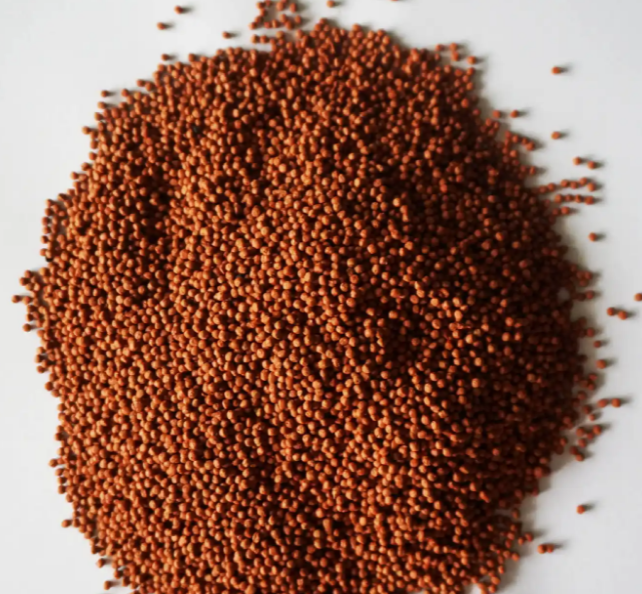
High-quality fish feed is often marketed with polished claims—“premium protein,” “high digestibility,” “clean ingredients.” fish feed making machine But what actually separates a top-tier aquafeed from an average pellet is not only the ingredient list. The real story is the processing: how raw materials are selected, handled, cooked, formed, dried, coated, and tested. This article breaks down the industrial production process of high-quality fish feed in clear terms, highlighting what matters, where quality is won or lost, and what reputable manufacturers do differently. 1) Raw Material Selection: Quality Starts Before the Factory High-quality feed begins with strict sourcing standards and incoming inspections. Manufacturers typically rely on a combination of: What […]
Textured Soy Protein: The Versatile Plant-Based Protein Powerhouse
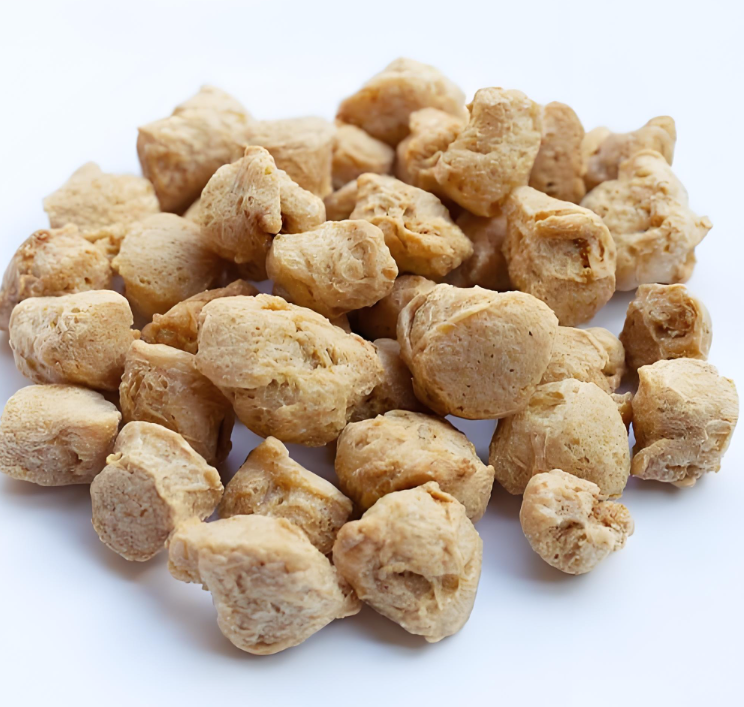
Textured Soy Protein (TSP), also commonly known as Textured Vegetable Protein (TVP), is a highly versatile, nutritious, and economical ingredient derived from defatted soy flour. Its unique porous and fibrous structure, created through an extrusion process, allows it to mimic the texture and mouthfeel of ground meat, making it a cornerstone of plant-based and extended-meat food products worldwide. 1. Primary Application: Meat Replacement & Analogue This is the most significant and widespread use of TSP, leveraging its excellent ability to absorb flavors and its meat-like texture upon rehydration. 2. Application: Meat Extender & Cost-Reduction Agent In conventional meat products, TSP is widely used to improve yield, reduce cost, and enhance […]
Behind the Plant-Based Veil: The Industrial Processing of Meat Alternatives
Behind the Plant-Based Veil: The Industrial Processing of Meat Alternatives The rise of plant-based meat alternatives represents a significant shift in global food culture. Marketed as wholesome, sustainable, and ethical choices, these products often carry an aura of simplicity—seemingly just mashed beans or grains shaped into a patty. However, the reality of creating convincing meat analogs—with the precise texture, flavor, and appearance of animal protein—involves a complex, multi-step industrial process far removed from whole foods. This article unveils the complete manufacturing journey of a typical high-protein plant-based meat product, such as a burger or ground “beef” analog. Phase 1: Raw Material Sourcing & Protein Isolation The journey begins not with […]
Pet Food Processing Methods: From Kitchen to Kibble
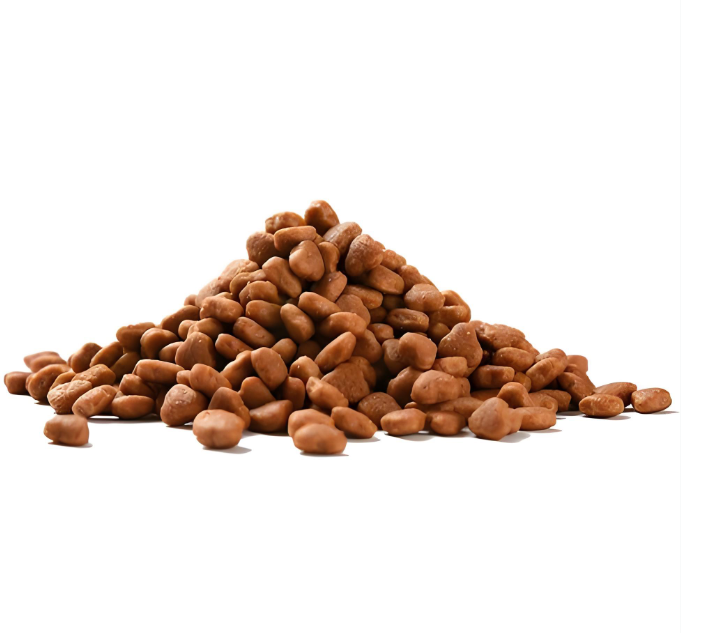
Pet Food Processing Methods: From Kitchen to Kibble The modern pet food industry employs a variety of sophisticated processing techniques to transform raw ingredients into safe, nutritious, and palatable diets for dogs and cats. The chosen method significantly impacts the food’s texture, nutrient availability, shelf life, and convenience. Here is an overview of the primary processing methods used in commercial pet food manufacturing. 1. Dry Food (Kibble) Processing: Extrusion This is the most common method for producing dry pet food. 2. Wet Food Processing: Thermal Processing in Sealed Containers This method produces food with high moisture content (typically 60-85%). 3. Semi-Moist Food Processing These products have a moisture content between […]
The Multifaceted Magic of Breadcrumbs: A Culinary Workhorse
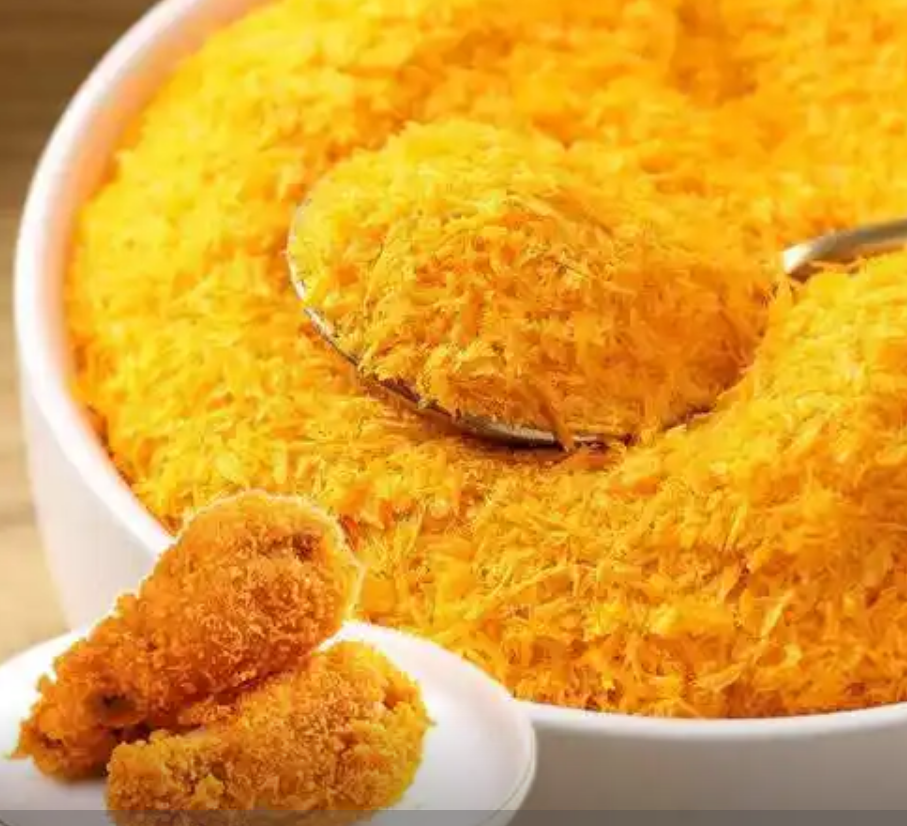
The Multifaceted Magic of Breadcrumbs: A Culinary Workhorse Often underestimated, breadcrumbs are a powerhouse ingredient found in nearly every cuisine. Far more than just a coating for fried foods, they serve as a binder, extender, texturizer, and flavor carrier, bringing structure, crunch, and depth to an astonishing variety of dishes. Their inherent ability to absorb moisture and fat, crisp when heated, and provide a neutral yet toasty base makes them indispensable in both home kitchens and professional settings. Here is a comprehensive look at the diverse applications of breadcrumbs. 1. The Classic Role: Creating the Perfect Crust This is the most iconic use for breadcrumbs, where they are employed to […]
Puffed Breadcrumb Processing Technology: Engineering Air & Crunch
Puffed Breadcrumb Processing Technology: Engineering Air & Crunch Puffed breadcrumbs represent a specialized and technologically advanced category within the coating industry. Distinguished by their exceptionally light, airy, and crispy texture—often even crispier than traditional dry breadcrumbs or Panko—they are engineered through a process that combines baking and extrusion puffing. This article outlines the key stages in the industrial manufacturing of puffed breadcrumbs. 1. Raw Material Selection & Preliminary Processing 2. Dough Fermentation (Optional but Common) The dough may be allowed to rest or undergo a short fermentation period. This step develops flavor, allows hydration to fully penetrate the flour particles, and lets the leavening agents begin producing gas bubbles—the nuclei […]
Beyond Crunch: The Versatile World of Breadcrumbs
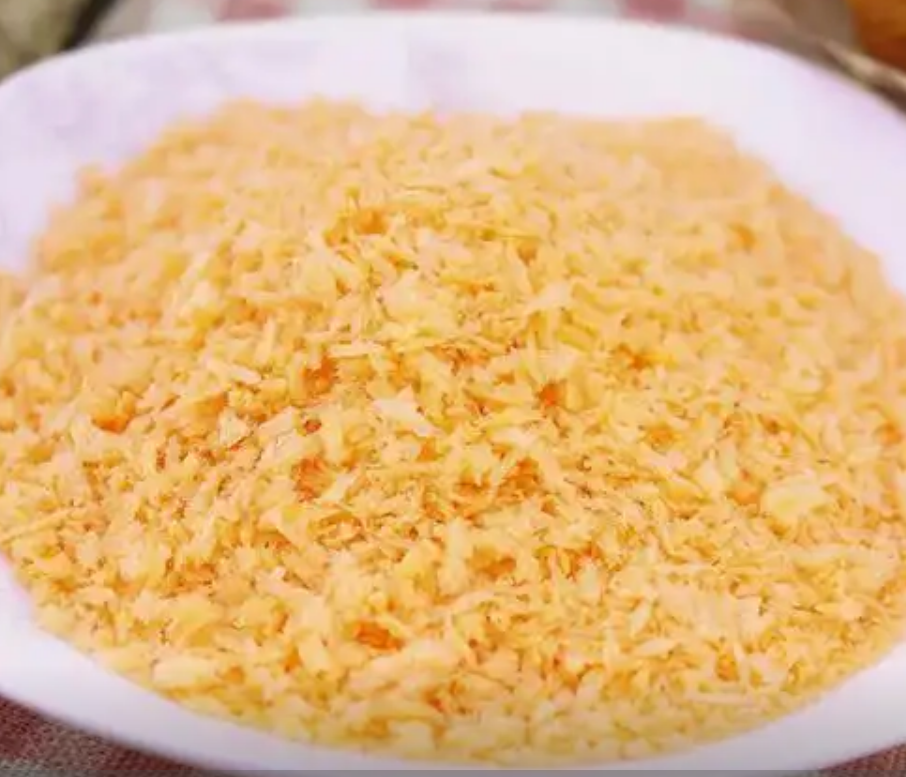
Breadcrumbs are an unassuming pantry staple, often relegated to a single role: coating for fried foods. However, these tiny particles of dried bread are culinary multitaskers of the highest order. Their unique ability to absorb moisture, provide texture, bind ingredients, and add flavor makes them indispensable in kitchens worldwide, from home cooking to professional gastronomy. Let’s explore the diverse applications of breadcrumbs. 1. The Classic: Creating Crispy Coatings & CrustsThis is their most famous role. Breadcrumbs create a protective, crispy barrier when fried, baked, or air-fried. 2. The Binder: Holding Things TogetherBreadcrumbs are excellent absorbers. In moist mixtures, they soak up excess liquid, preventing dishes from falling apart. 3. The […]
 Japanese
  English
  Russian
  Spanish
  Italian
  Arabic
  Portuguese
  German
  French
  Moroccan Arabic
  Persian
  Belarusian