
The Power Behind the Puff: An In-depth Look at the Drive Systems of Food Extruders
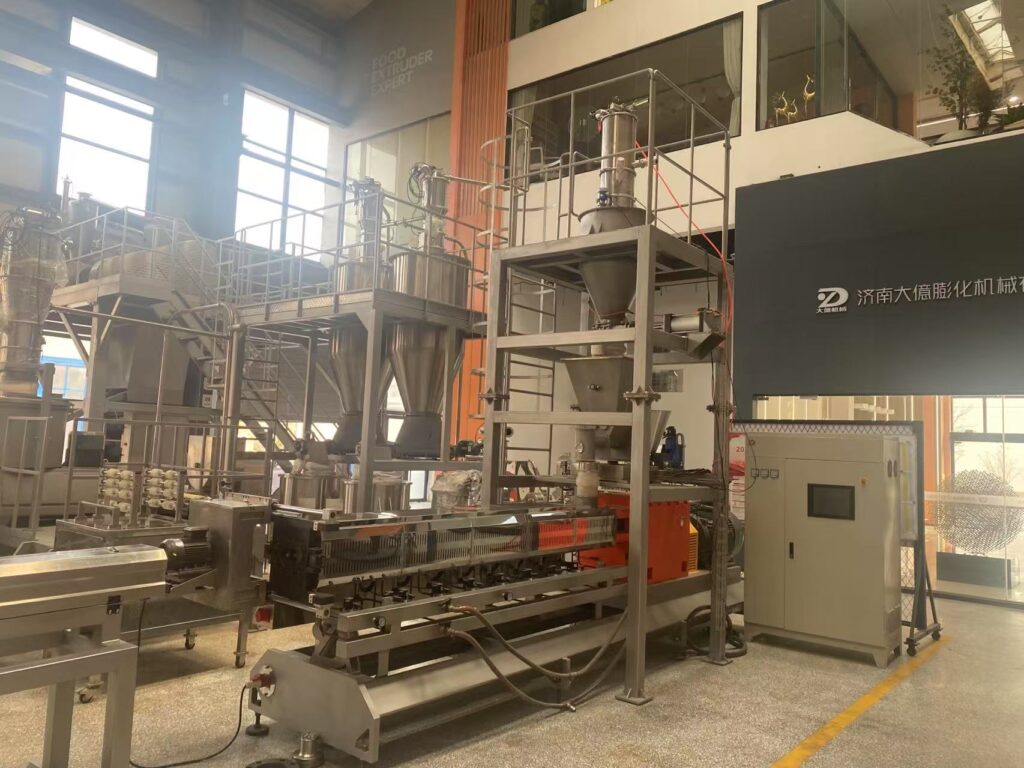
Introduction Food extrusion has become a cornerstone of modern food processing, responsible for creating a vast array of products ranging from breakfast cereals and puffed snacks to texturized vegetable protein and pet food. At the heart of every extruder lies its power source: the drive system. This critical assembly is responsible for generating, transmitting, and controlling the immense mechanical power required to turn raw ingredients into a cooked and formed product. The efficiency, reliability, and precision of the drive system directly impact product quality, throughput, and operational costs. Core Components of the Extruder Drive System A typical food extruder drive system is comprised of several key components working in unison: […]
Starting a Cheetos Manufacturing Plant: A Comprehensive Preparation Guide
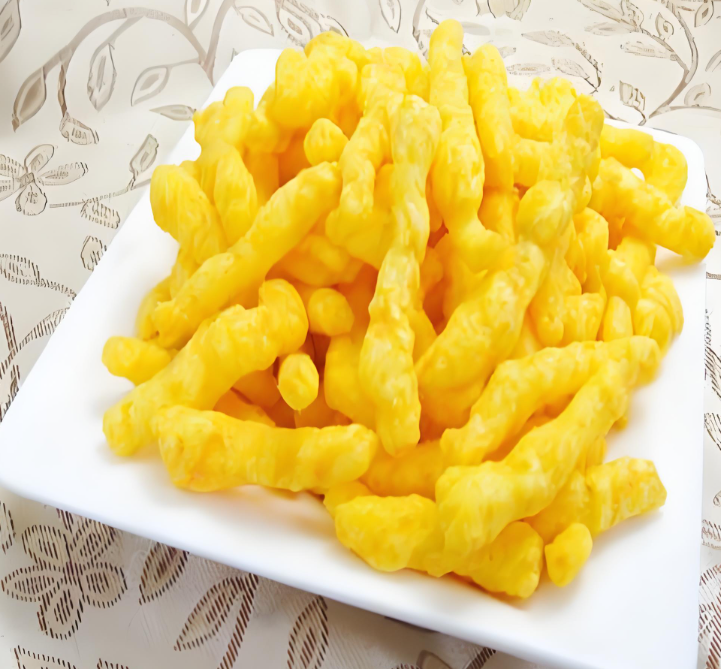
Starting a Cheetos Manufacturing Plant: A Comprehensive Preparation Guide The global snack food market’s robust growth, with some sectors expanding at 8-12% annually , makes a Cheetos-style extruded snack manufacturing plant an enticing venture. The distinctive, cheese-flavored corn curls are beloved worldwide, offering a significant opportunity for entrepreneurs. However, transforming this idea into a successful operation requires meticulous planning and preparation. Here is a step-by-step guide on the essential groundwork needed before the first batch of cheesy snacks rolls off the production line. 1. Feasibility Study and Product Definition Before investing in a single piece of machinery, you must have a crystal-clear vision of your product and its market. This […]
6 Key Points for Producing High-Quality Fortified Rice
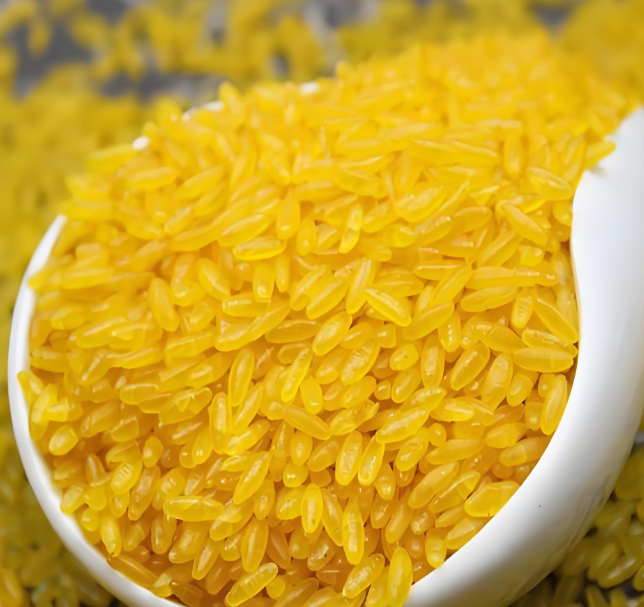
6 Key Points for Producing High-Quality Fortified Rice Fortified rice is produced by blending regular milled rice with a small percentage of fortified rice kernels (FRKs). These kernels are manufactured from a mixture of rice flour and essential micronutrients (like iron, folic acid, vitamin B12, and zinc) using an extrusion process. Ensuring the final product is both nutritious and acceptable to consumers requires strict attention to detail. Here are six critical points for achieving high-quality fortified rice: 1. Quality and Sourcing of Raw Materials (Rice Flour)The foundation of a good fortified rice kernel is the rice flour itself. It must be made from high-quality, sound rice—not broken, damaged, or infested […]
Fortified Rice: A Smart Solution to Hidden Hunger
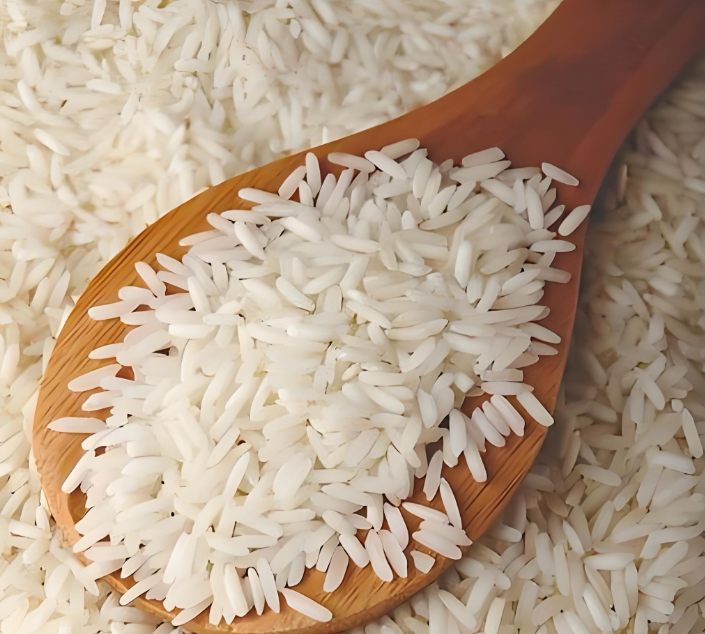
Rice is the primary staple food for more than half of the global population, providing up to 70% of daily caloric intake for billions of people in Asia, Africa, and Latin America . However, polished white rice—the most commonly consumed form—is inherently low in essential micronutrients. When the nutrient-rich bran layer is removed during milling, vital vitamins and minerals are lost, leaving a product that supplies energy but lacks adequate iron, zinc, and other micronutrients . This has led to widespread “hidden hunger”—micronutrient deficiencies that affect over 3 billion people globally, causing health problems including stunting, anemia, and impaired immune function . Fortified rice offers a simple, cost-effective solution: enriching […]
A World of Texture and Taste: Key Food Products Made by Twin-Screw Extruders
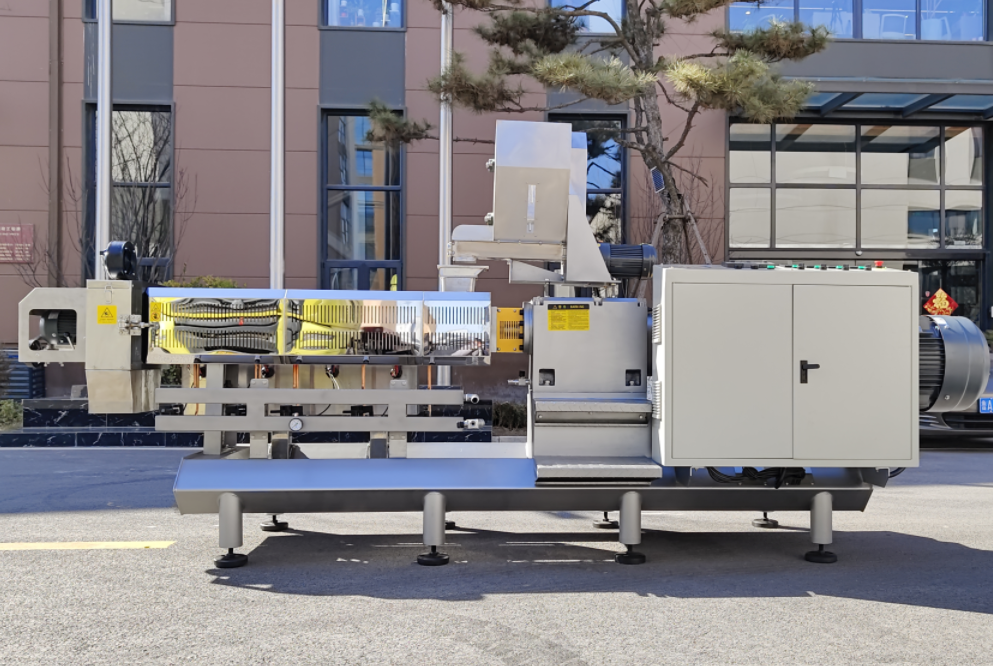
The twin-screw extruder is a marvel of food engineering, capable of transforming simple raw ingredients like flour, starches, and proteins into an astonishing variety of food products. By precisely controlling temperature, pressure, and mechanical shear, this versatile machine can cook, shape, and texturize materials in ways that are impossible with other methods. Here is a look at the wide array of food products that owe their existence to twin-screw extrusion technology. 1. Direct-Expanded Snacks and Breakfast Cereals This is perhaps the most familiar application of twin-screw extrusion. The process takes advantage of the machine’s ability to build up high pressure and temperature inside the barrel. How it works: A mixture […]
Complete guide for cleaning a twin-screw extruder
Cleaning a twin-screw puffing extruder is critical for maintaining product quality, preventing cross-contamination, and extending the life of expensive components like screws and barrels . This guide provides a comprehensive, step-by-step approach to cleaning your extruder after production. 1. Preparation and Safety First Before you begin handling any parts, proper preparation ensures the process is safe and effective. 2. Initial Purge (The First Wash) Before disassembling the machine, you should push out the bulk of the residual material from the inside. 3. Disassembly for Deep Cleaning Once the machine is purged and cool enough to touch, you can begin taking it apart for a thorough cleaning. 4. Cleaning the Components […]
The Science of Texture: Achieving Delicate Crispness in Extruded Snacks
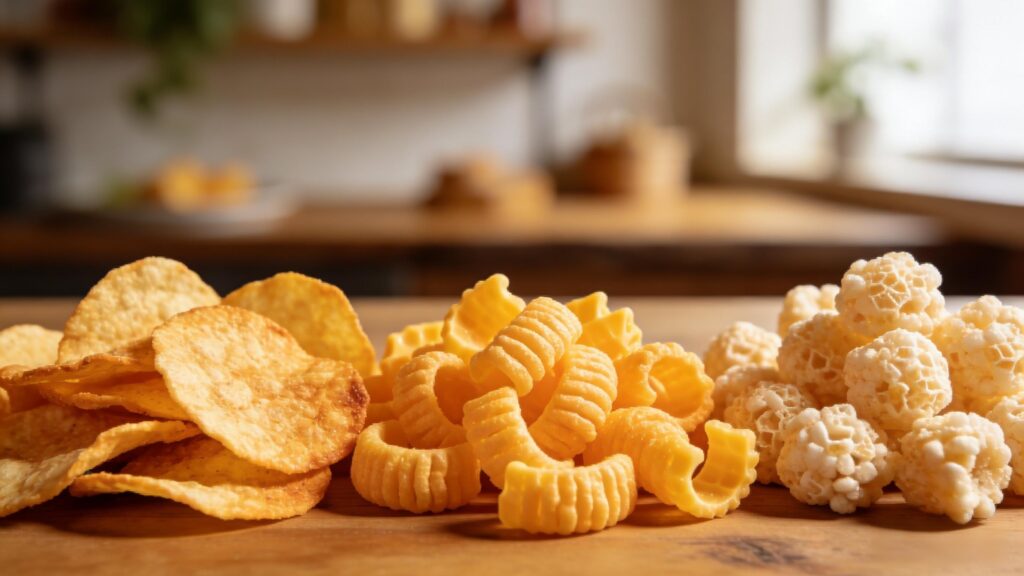
There is a moment of near-universal satisfaction when a well-made puff snack dissolves on the tongue—that ephemeral combination of immediate crunch followed by rapid meltaway that defines premium texture in the extruded snack category. This experience, often taken for granted by consumers, represents one of the most sophisticated achievements in modern food engineering. Achieving truly delicate texture in puffed snacks requires a meticulous orchestration of raw materials, machinery parameters, and post-processing techniques. Here is how the industry creates that ethereal crunch. The Foundation: Raw Material Selection Texture begins not in the extruder, but in the silo. The granularity of the base flour fundamentally determines the ceiling of textural possibility. For […]
The Science of the Crunch: Inside the Cheetos Manufacturing Process
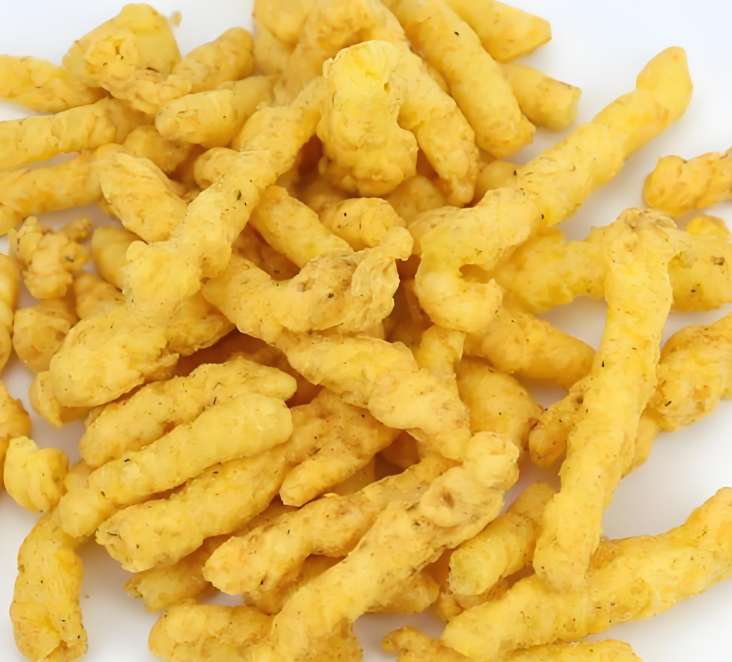
There is perhaps no snack more immediately recognizable than the Cheetos puff. Its violent orange dust has stained countless fingers, car upholsteries, and library books, leaving a trail of evidence that is both incriminating and indelible. What appears to be a simple cheese snack is actually a marvel of modern food engineering—a product of precision timing, high-pressure physics, and industrial-scale efficiency. The journey from corn silo to convenience store shelf takes approximately 19 minutes. Here is how it happens. The Humble Beginning: Cornmeal in a Silo Before the transformation into the iconic crunchy appendage, every Cheeto begins its life as anonymous cornmeal stored in massive silos. From these towering storage […]
The Orange Industrial Complex: An Unwelcome Look Inside the Cheetos Manufacturing Process
There is perhaps no snack more immediately recognizable than the Cheetos puff. Its violent orange dust has stained countless fingers, car upholsteries, and library books, leaving a trail of evidence that is both incriminating and indelible. We are told by the cartoon cheetah mascot that “it ain’t easy being cheesy,” but what the cheerful advertisements omit is that the path from corn silo to convenience store shelf is a unsettling journey of industrial hyper-efficiency that resembles an auto plant more than a bakery. Welcome to the extrusion line. The Humble Beginning: Cornmeal in a Silo Before the transformation into the iconic crunchy appendage, every Cheeto begins its life as anonymous […]
The Complete Process of Dog Food Processing
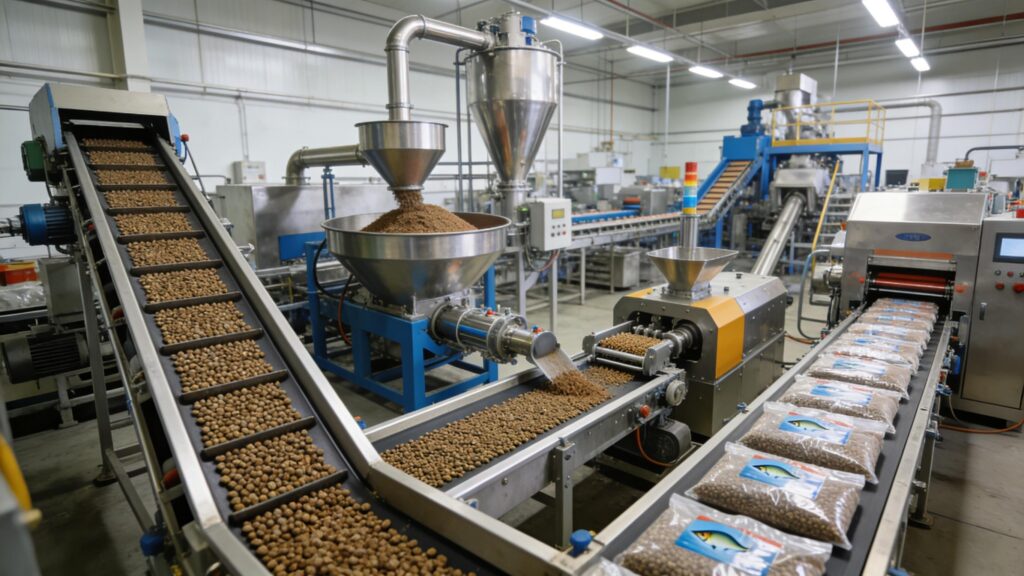
The Complete Process of Dog Food Processing Dog food production is a carefully designed process that ensures pets receive balanced nutrition and safe food. Modern dog food factories use advanced machinery and strict quality control to turn raw ingredients into high-quality dog food. From selecting raw materials to packaging the final product, every step in the process plays an important role in maintaining nutrition, taste, and safety. 1. Raw Material Selection The first step in dog food processing is selecting high-quality raw materials. Common ingredients include meat or meat meal, grains such as corn and rice, vegetables, fats, vitamins, and minerals. Each ingredient is chosen to provide essential nutrients like […]
Tips and Techniques for Drying Fish Feed
Tips and Techniques for Drying Fish Feed Drying fish feed is an important step in the fish feed production process. Proper drying helps reduce moisture, extend shelf life, prevent mold growth, and maintain the quality of the feed pellets. If the drying process is not done correctly, the feed may become brittle, moldy, or lose its nutritional value. Therefore, understanding some key techniques for drying fish feed is essential for both feed manufacturers and small-scale producers. 1. Control the Drying Temperature One of the most important factors in drying fish feed is temperature control. If the temperature is too high, it may damage sensitive nutrients such as vitamins and proteins. […]
Revealing the Components of a Fish Feed Production Line
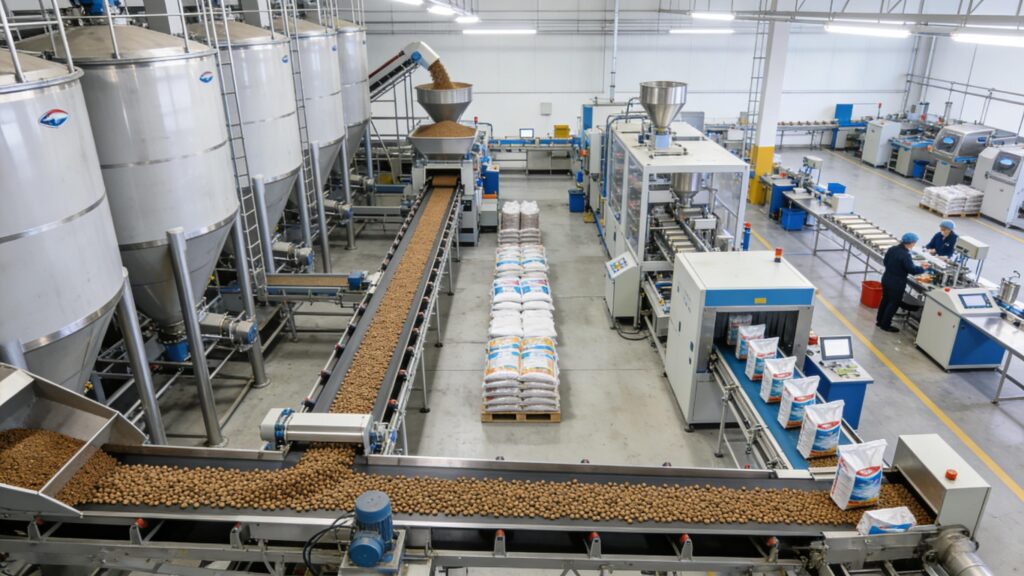
Revealing the Components of a Fish Feed Production Line Fish feed plays a vital role in modern aquaculture. High-quality feed helps fish grow faster, stay healthy, and improves farming efficiency. Behind every bag of fish feed is a complex production process. A fish feed production line is made up of several machines and systems that work together to turn raw materials into finished feed pellets. Understanding the main components of this production line can help people better appreciate how fish feed is produced. 1. Raw Material Receiving and Storage System The first part of a fish feed production line is the raw material receiving and storage system. Common raw materials […]
 Japanese
  English
  Russian
  Spanish
  Italian
  Arabic
  Portuguese
  German
  French
  Moroccan Arabic
  Persian
  Belarusian