
In the competitive pet food market, “popular” means more than just a catchy brand name. A truly popular dog food must achieve a delicate balance of three core elements: optimized palatability (dogs must love the taste), sound nutritional science (it must be healthy), and stringent safety protocols (owners must trust it) .
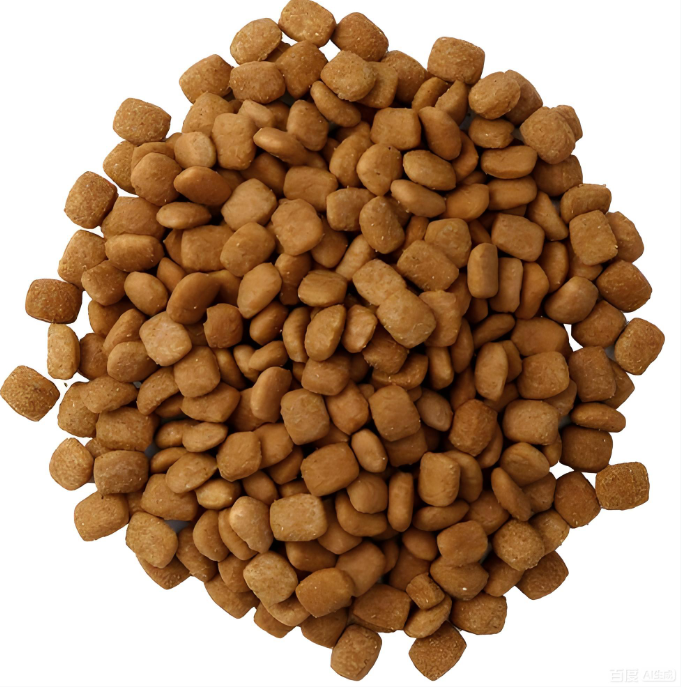
Producing such a product requires a sophisticated understanding of canine sensory preferences and modern food processing technology. Below is a step-by-step guide to manufacturing dry dog food (kibble) that wins both the dog’s palate and the owner’s loyalty.
1. Sourcing High-Quality, Trusted Ingredients
Production begins long before the ingredients reach the mixer. Popular dog food starts with reliable suppliers and functional ingredients.
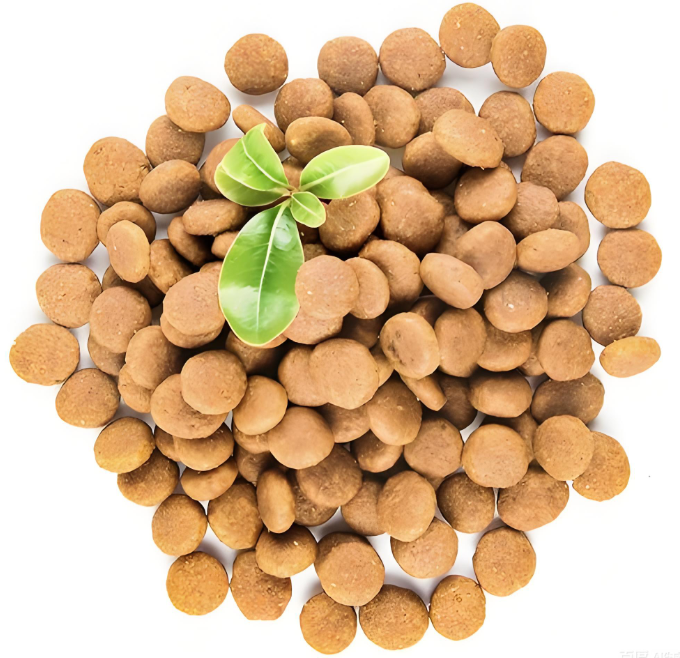
- Protein Sources: Fresh meat (chicken, beef, lamb), poultry meals, or fish. For premium lines, specific fresh meat percentages are highlighted (e.g., “High” formulas) .
- Carbohydrates & Vegetables: Grains (rice, barley) or grain-free alternatives (lentils, sweet potatoes). Emerging trends include functional vegetables like carrots, which provide fiber and beta-carotene for digestive health .
- Palatants (The “Secret Sauce”): These are specifically designed to enhance flavor. They include animal fats, protein digests (hydrolyzed liver), and yeast extracts .
- Quality Control: All incoming raw materials must be tested for pathogens (like Salmonella) and mycotoxins (like Aflatoxin). A “zero tolerance” policy for contaminants is the industry standard for safety .
2. Ingredient Preparation and Mixing
The dry and wet ingredients are prepared to create a homogenous dough.
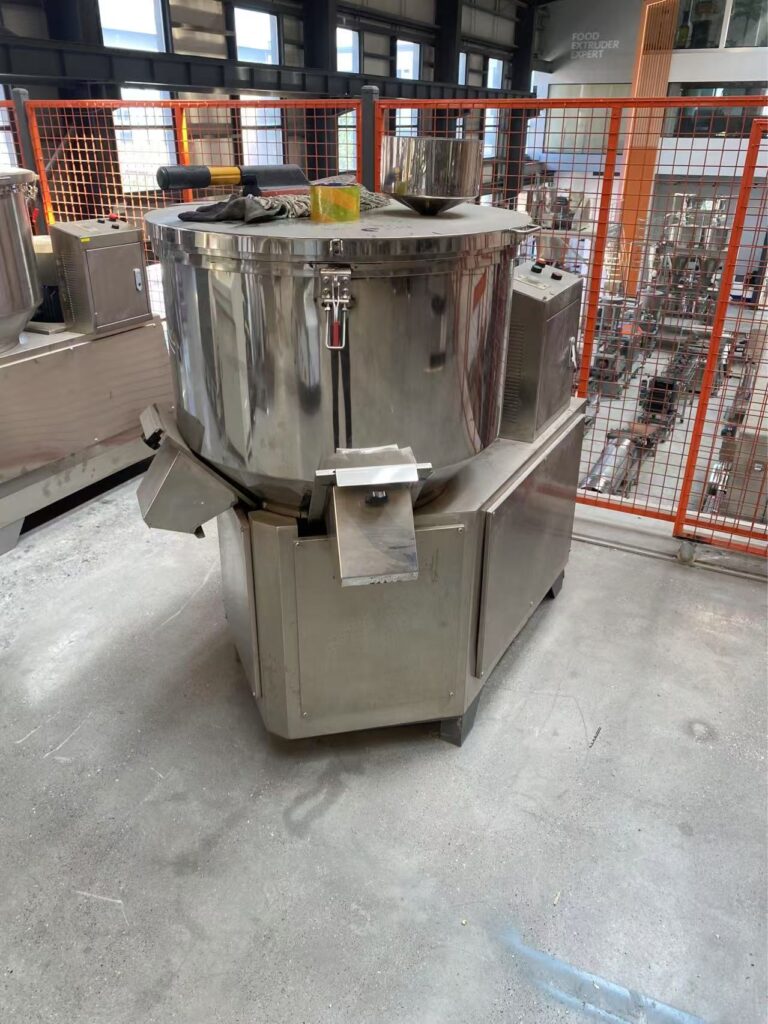
- Grinding: Dry ingredients (meals, grains, starches) are ground to a specific particle size. This ensures proper cooking and digestibility.
- Batching: The recipe is loaded into a high-speed mixer. Water, steam, and liquid fats are added to hydrate the powders and activate starches, forming a dough .
3. The Extrusion Process (Shaping & Cooking)
Extrusion is the heart of dry kibble production. It cooks the dough and gives it the final shape .
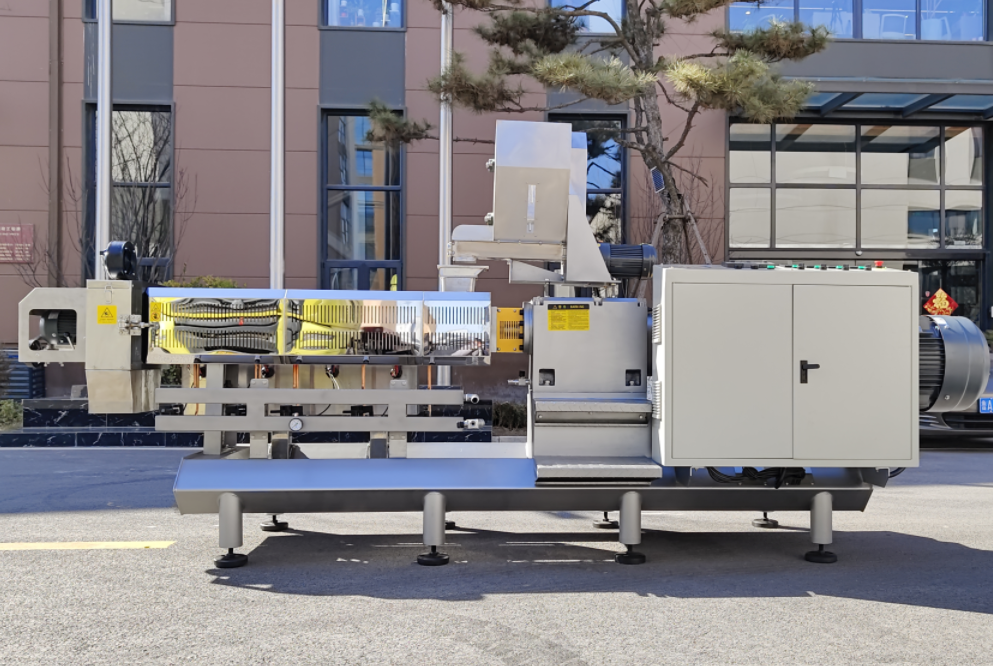
- The Extruder: The dough enters a barrel containing a rotating screw. As the screw moves the dough forward, mechanical pressure and heat (via steam jackets) raise the temperature to 90-200°C (194-392°F) . This is the “kill step” where harmful bacteria are eliminated.
- The Die Plate: At the end of the extruder is a die plate with specific holes. The shape of these holes determines the kibble’s design (e.g., rounds, triangles, meaty textures).
- Expansion & Cutting: As the pressurized dough exits the die, the sudden drop in pressure causes water to flash into steam, puffing the kibble. A rotating knife cuts the stream into individual pieces.
4. Drying and Cooling
Freshly extruded kibble has a high moisture content (20-25%), which must be reduced to 6-10% for shelf stability.
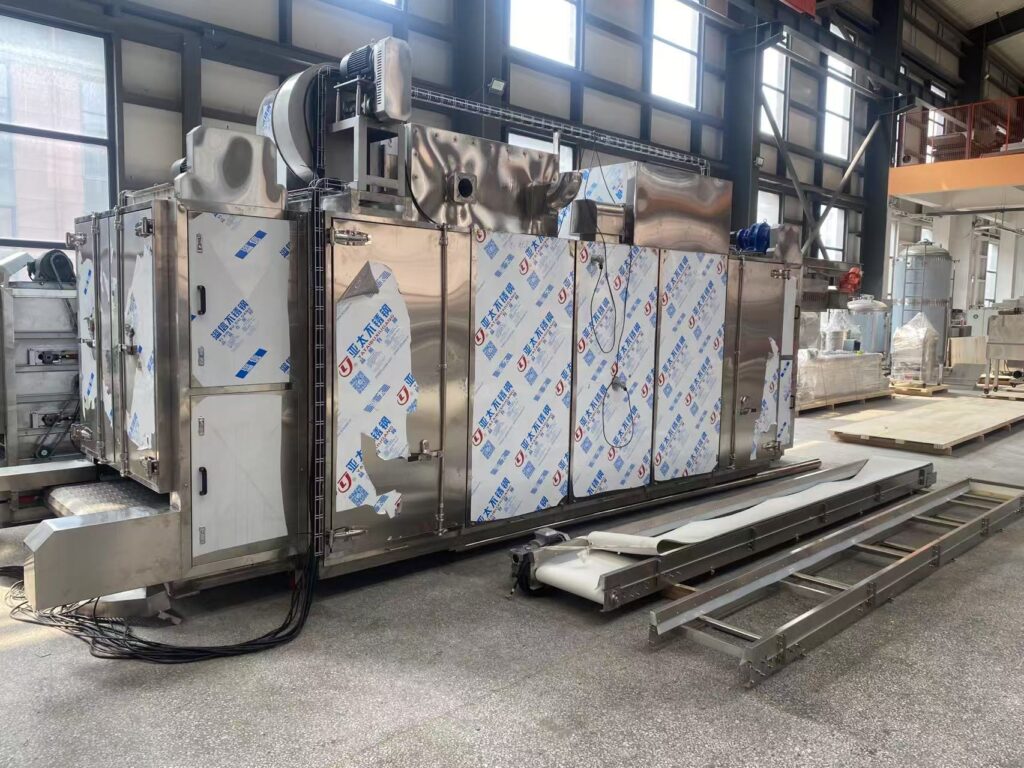
- Drying: Kibble passes through a multi-zone dryer where hot air removes moisture. This step is critical for texture—proper drying results in a crunchy bite.
- Cooling: The hot kibble is conveyed through a cooler to bring it down to room temperature, preventing condensation inside the packaging .
5. Coating (The Palatability Step)
While the base dough provides nutrition, coating is where flavor is added. Most dogs will choose a kibble based on the smell of this coating .
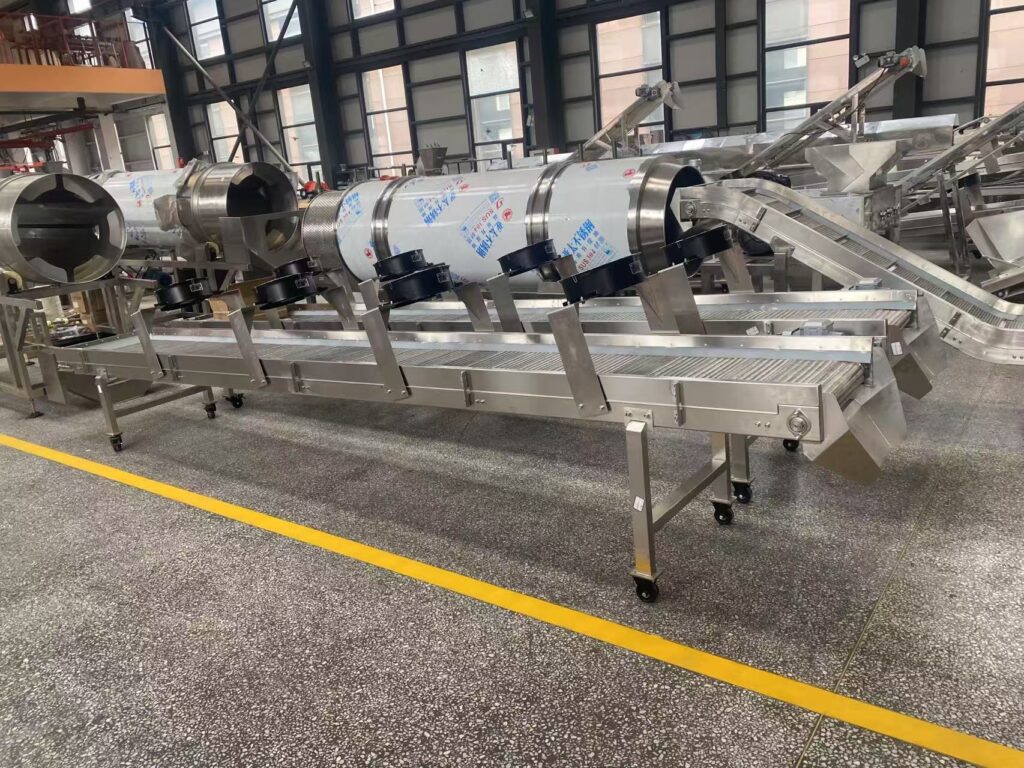
- Application: Kibble enters a rotating drum. A precise mixture of fats (for energy and sheen) and digests (hydrolyzed animal proteins that smell strongly of meat) is sprayed onto the kibble.
- Science of Taste: Research indicates that specific aroma compounds—such as heptanal, nonanal, and 2-furfurylthiol—are positively associated with higher intake ratios in dogs. Coating formulations are often patented to ensure a “first-bite” preference .
6. Packaging for Freshness
Once coated, the food is ready to be sealed.
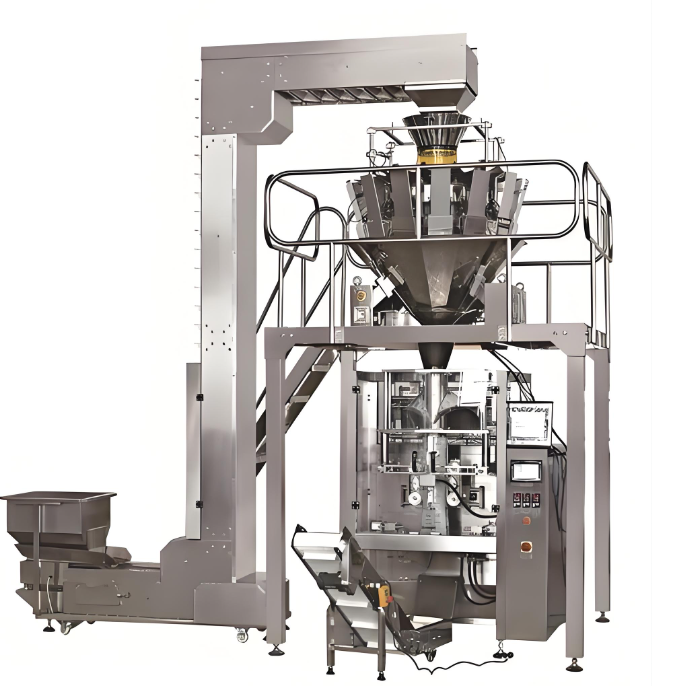
- Preservation: The packaging must provide a barrier against moisture and oxygen. Many premium brands use nitrogen flushing to remove oxygen from the bag, preventing fat rancidity (oxidation) without artificial preservatives .
- Traceability: Bags are printed with specific date codes and batch numbers to ensure that the product can be traced back to the exact production hour if needed .
7. Regulatory Compliance and Market Adaptation
To be “popular,” the product must also align with market expectations and laws.
- Nutritional Adequacy: The formula must meet the nutritional levels established by regulatory bodies (like AAFCO in the US or FEDIAF in Europe) .
- Consumer Trends: Current popular trends driving growth include “Baked” kibble (which has a meaty jerky texture) and “Freeze-dried raw” pieces mixed into standard kibble. Transparency is also key; brands that list ingredient sources (e.g., “Chicken from Farm X”) build higher trust .
Summary Checklist for Popular Dog Food
| Production Stage | Goal | Key Action |
|---|---|---|
| Ingredient Sourcing | Safety & Nutrition | Vet suppliers; test for toxins . |
| Extrusion | Texture & Safety | Cook at high temp to kill bacteria . |
| Coating | Palatability | Apply animal digests and fats . |
| Packaging | Freshness | Use oxygen barriers to preserve flavor . |
| Compliance | Trust | Follow AAFCO/FEDIAF nutrient profiles . |
By mastering the science of extrusion for texture, the chemistry of coating for taste, and the logistics of sourcing for safety, manufacturers can produce a dog food that consistently ranks high in both canine preference tests and owner satisfaction . If you are interested in the dog food machinery, you can contact me , i will give you good advice and solutions .
1.Will you help us with the installation ?
Yes , We will send engineers to install and debug the equipment, and assist in training your staff.
2.Are you a factory or trading company?
We are a factory.
3.What certificate do you have?
We have ISO and CE certificate.
4.How long is the warranty period?
All of our machines have one year warranty.
5.What’s the main market of your company?
Our customers all over the world.
6.How much production capacity of your company one year?
This depends on your needs.
 Japanese
  English
  Russian
  Spanish
  Italian
  Arabic
  Portuguese
  German
  French
  Moroccan Arabic
  Persian
  Belarusian