
The twin-screw extruder is a marvel of food engineering, capable of transforming simple raw ingredients like flour, starches, and proteins into an astonishing variety of food products. By precisely controlling temperature, pressure, and mechanical shear, this versatile machine can cook, shape, and texturize materials in ways that are impossible with other methods. Here is a look at the wide array of food products that owe their existence to twin-screw extrusion technology.
1. Direct-Expanded Snacks and Breakfast Cereals
This is perhaps the most familiar application of twin-screw extrusion. The process takes advantage of the machine’s ability to build up high pressure and temperature inside the barrel.
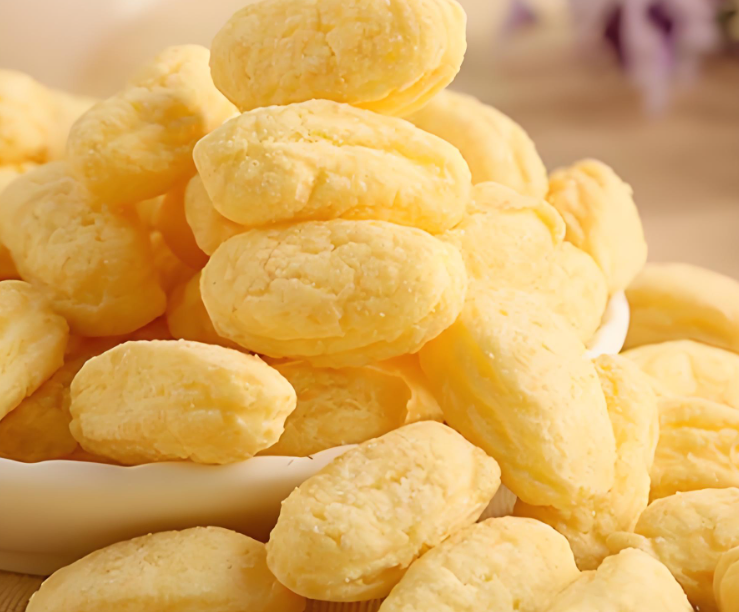
How it works: A mixture of cereal flours (corn, rice, wheat, or oats) is fed into the extruder. As it travels along the screws, it is heated and compressed into a molten dough. When this dough is forced through the die at the end of the barrel, the sudden drop in pressure causes the water in the mixture to flash into steam. This instantly expands the product, creating the light, airy, and crispy texture we associate with cheese puffs, corn curls, and many breakfast cereals. A rotating cutter then chops the continuous stream into individual pillow or ball shapes. The ability to easily change the die allows manufacturers to create an endless variety of fun shapes.
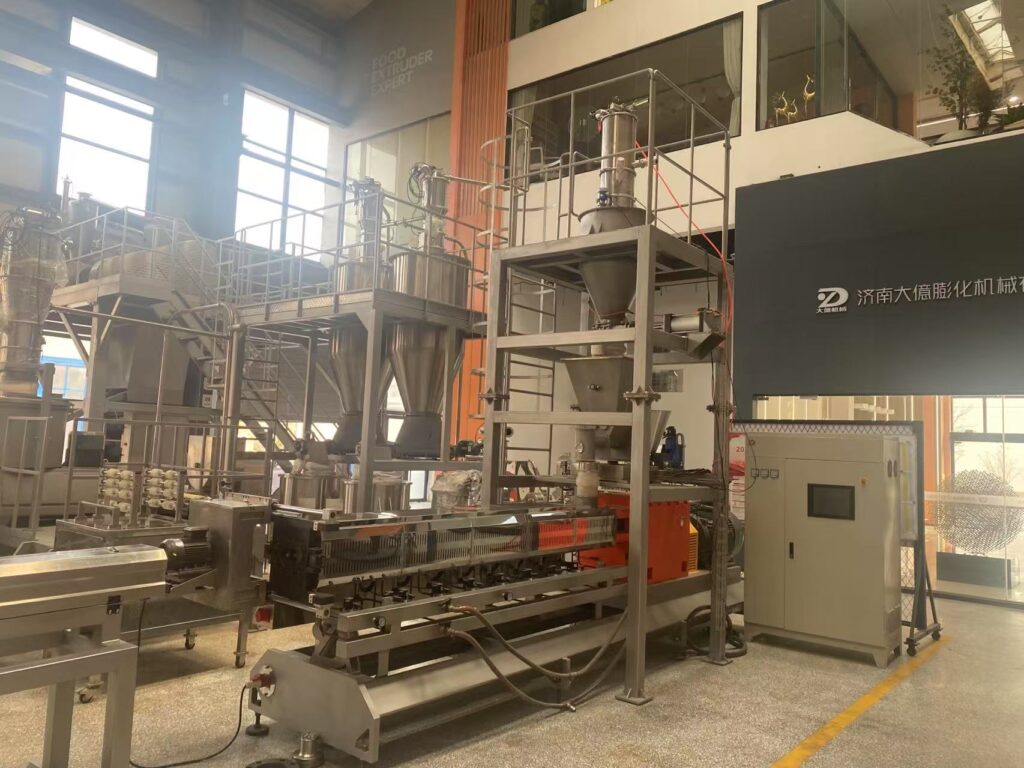
2. Texturized Vegetable Protein (TVP)
Twin-screw extrusion revolutionized the use of plant proteins. This process transforms defatted flours from soybeans, peas, or other legumes into products that mimic the texture of meat.
Low-Moisture TVP: In this process, protein-rich flour with a low moisture content is subjected to intense heat and shear inside the extruder. This causes the protein structures to unfold and realign, forming a new, layered structure. When the material exits the die, it expands slightly and forms dry, spongy chunks or granules. These are then dried and stored. When rehydrated in water or broth, they absorb liquid and take on a chewy, meat-like texture, making them perfect for use in chili, taco fillings, and meat sauces.
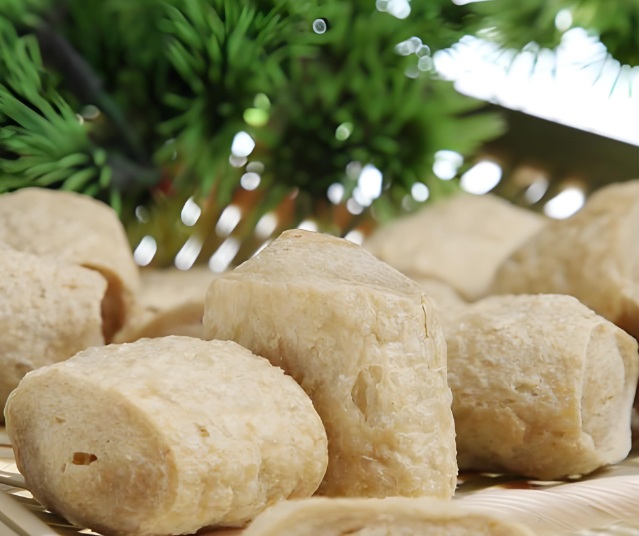
3. High-Moisture Meat Analogs (Plant-Based Meat)
This is a more advanced extrusion process that creates the next generation of plant-based meats, designed to replicate whole-muscle products like chicken fillets or beef chunks.
How it works: The process begins similarly to TVP production, using a protein mix (often soy, pea, or wheat gluten) but with a much higher water content (typically 50-80%). The magic happens in a specially designed, long cooling die attached to the end of the extruder. As the protein melt is pushed through this die, it is cooled while under pressure. This controlled cooling prevents expansion and instead promotes the formation of long, fibrous protein bundles that are remarkably similar in texture and mouthfeel to animal meat. The result is a moist, fibrous product ready to be flavored, cooked, and sold as plant-based strips, fillets, or chunks.
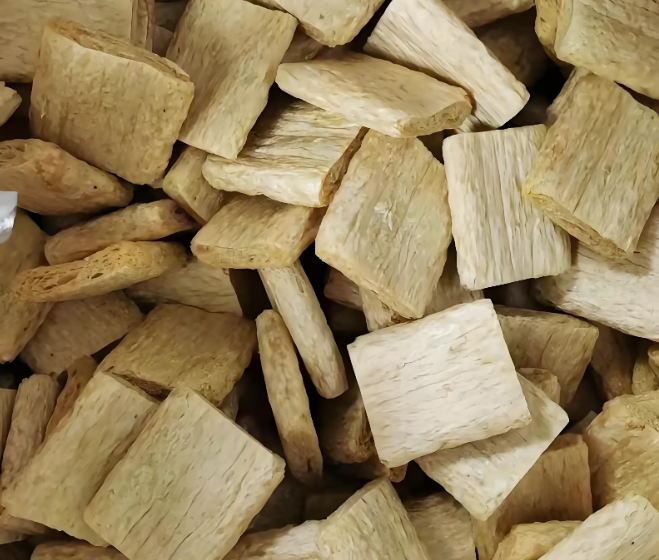
4. Pasta and Noodles
While some pasta is made by traditional batch methods, continuous twin-screw extrusion is the standard for large-scale commercial production.
How it works: Durum wheat semolina or other flours are mixed with water inside the extruder to form a stiff dough. The powerful screws then knead this dough thoroughly and force it through dies under high pressure. The shape of the die determines the final pasta shape—from long spaghetti to short penne or intricate rotini. After extrusion, the pasta is carefully dried to preserve its texture and prevent cracking.
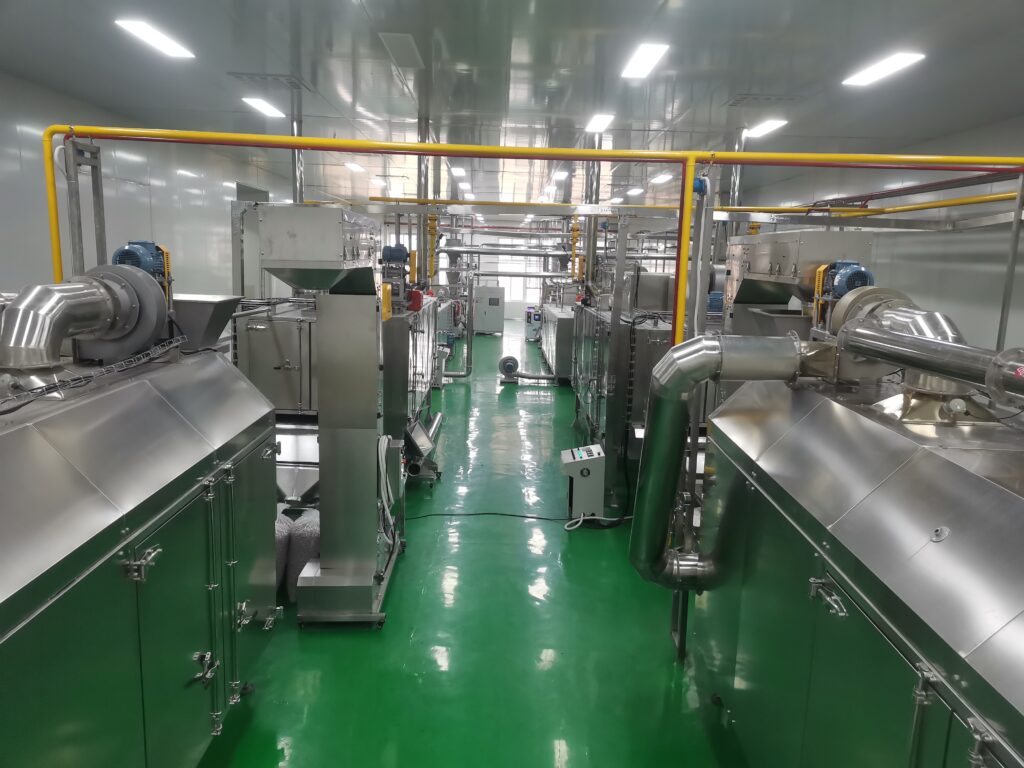
5. Confectionery and Snack Products
The precise temperature control and efficient mixing of twin-screw extruders make them ideal for manufacturing confectionery items.
- Liquorice: The extruder perfectly mixes and cooks the complex blend of flour, molasses, sugar, and flavorings, producing a consistent dough that is then shaped into classic rope or tube forms.
- Fruit Snacks and Chewy Candies: Starch-based or gelatin-based recipes are cooked and shaped in the extruder to create soft, chewy textures in fun shapes.
- Filled Snacks: By using a co-extrusion die, twin-screw extruders can create a continuous tube of outer dough (e.g., corn or potato-based) while simultaneously injecting a filling (like cheese, chocolate, or peanut butter) into the center. The filled rope is then cut and sealed, creating products like filled snack tubes.
6. Pre-Gelatinized Flours and Modified Starches
This is more of an intermediate ingredient production, but a vital one. Twin-screw extrusion can cook and pre-gelatinize starches and flours.
How it works: Native starch is fed into the extruder, where the combination of heat and shear breaks down its crystalline structure in the presence of moisture. This process cooks the starch, making it cold-water soluble. The resulting pre-gelatinized starch or flour is an essential ingredient for instant soups, sauces, puddings, and bakery mixes, as it thickens instantly without needing to be boiled.
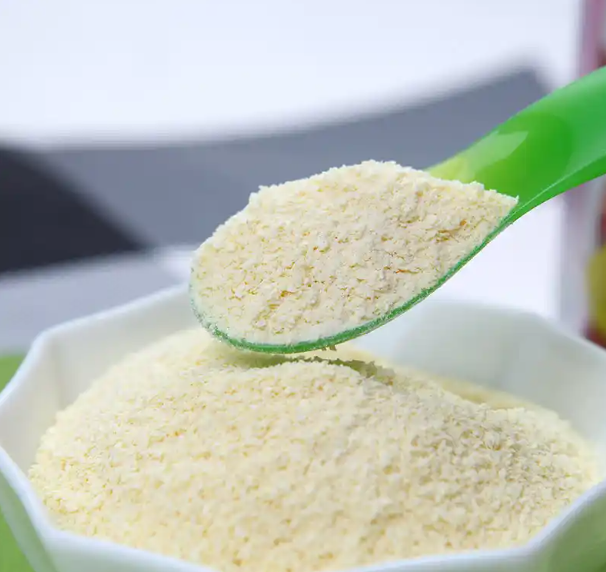
7. Baby Foods and Instant Infant Cereals
The high level of control and the ability to operate under strict hygienic conditions make twin-screw extrusion ideal for producing infant nutrition products. Grains are thoroughly cooked, sterilized, and formed into easily digestible flakes or powders that can be quickly reconstituted with milk or water.
In conclusion, the twin-screw extruder is far more than just a shaping machine. It is a versatile chemical and biological reactor that allows food scientists to create novel textures, improve nutritional profiles, and efficiently produce a vast range of the foods we enjoy every day. If you are interested in the double screw extruder , you can contact me , i will give you good advice and solutions .
1.Will you help us with the installation ?
Yes , We will send engineers to install and debug the equipment, and assist in training your staff.
2.Are you a factory or trading company?
We are a factory.
3.What certificate do you have?
We have ISO and CE certificate.
4.How long is the warranty period?
All of our machines have one year warranty.
5.What’s the main market of your company?
Our customers all over the world.
6.How much production capacity of your company one year?
This depends on your needs.
 Japanese
  English
  Russian
  Spanish
  Italian
  Arabic
  Portuguese
  German
  French
  Moroccan Arabic
  Persian
  Belarusian