
Tips and Techniques for Drying Fish Feed
Drying fish feed is an important step in the fish feed production process. Proper drying helps reduce moisture, extend shelf life, prevent mold growth, and maintain the quality of the feed pellets. If the drying process is not done correctly, the feed may become brittle, moldy, or lose its nutritional value. Therefore, understanding some key techniques for drying fish feed is essential for both feed manufacturers and small-scale producers.
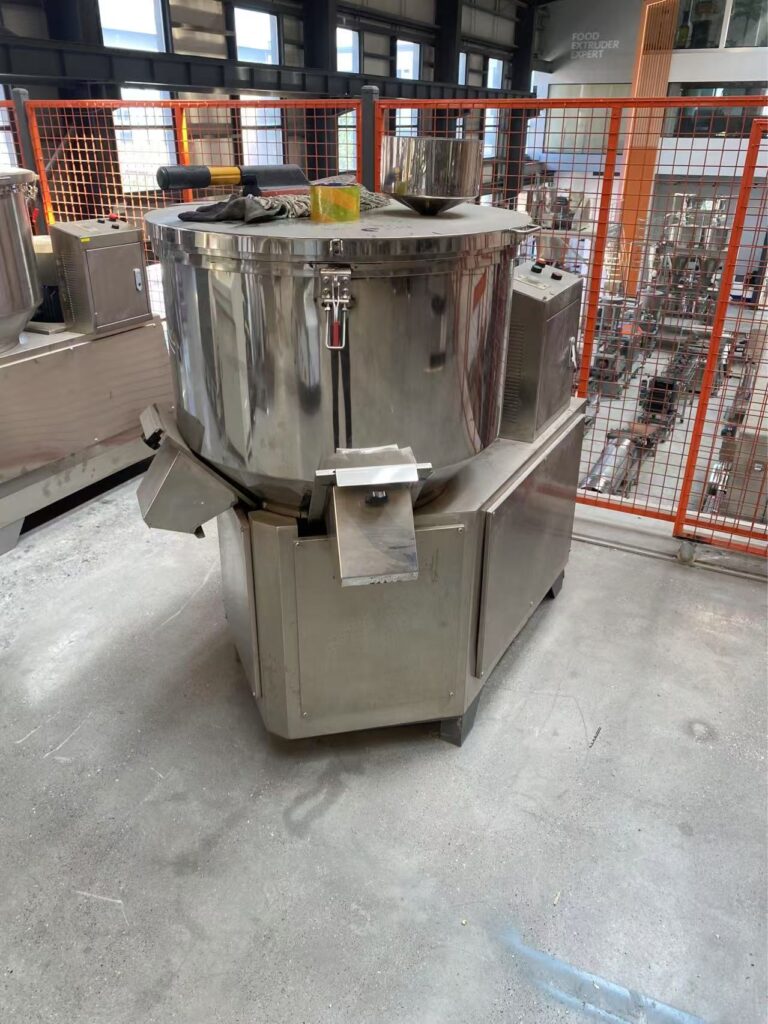
1. Control the Drying Temperature
One of the most important factors in drying fish feed is temperature control. If the temperature is too high, it may damage sensitive nutrients such as vitamins and proteins. Excessive heat can also cause pellets to crack or burn. On the other hand, if the temperature is too low, the drying process will take longer and may not effectively remove moisture. Generally, maintaining a moderate and stable temperature helps ensure good drying results.
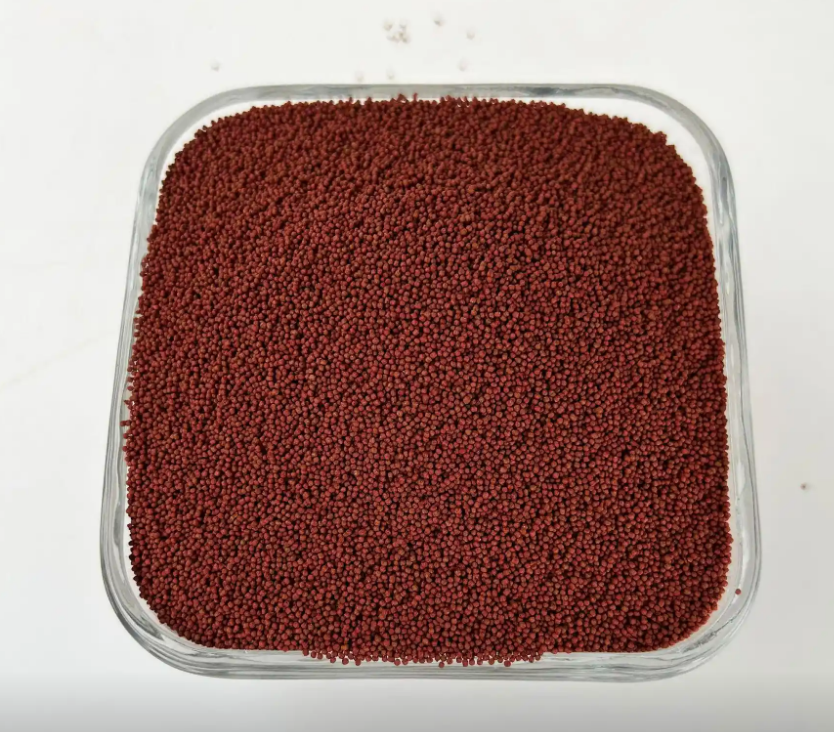
2. Maintain Proper Airflow
Airflow plays a crucial role in the drying process. Good air circulation helps remove moisture from the surface of the pellets more efficiently. In industrial production, dryers are designed to allow hot air to pass evenly through the feed. For small-scale operations, ensuring proper ventilation can help improve drying efficiency and prevent uneven drying.
3. Control the Moisture Content
The moisture level of fish feed after drying is very important. Typically, fish feed should be dried to a moisture content of around 10–12 percent. If the moisture content is too high, the feed can easily develop mold during storage. If it is too low, the pellets may become too dry and fragile, leading to breakage during transportation.
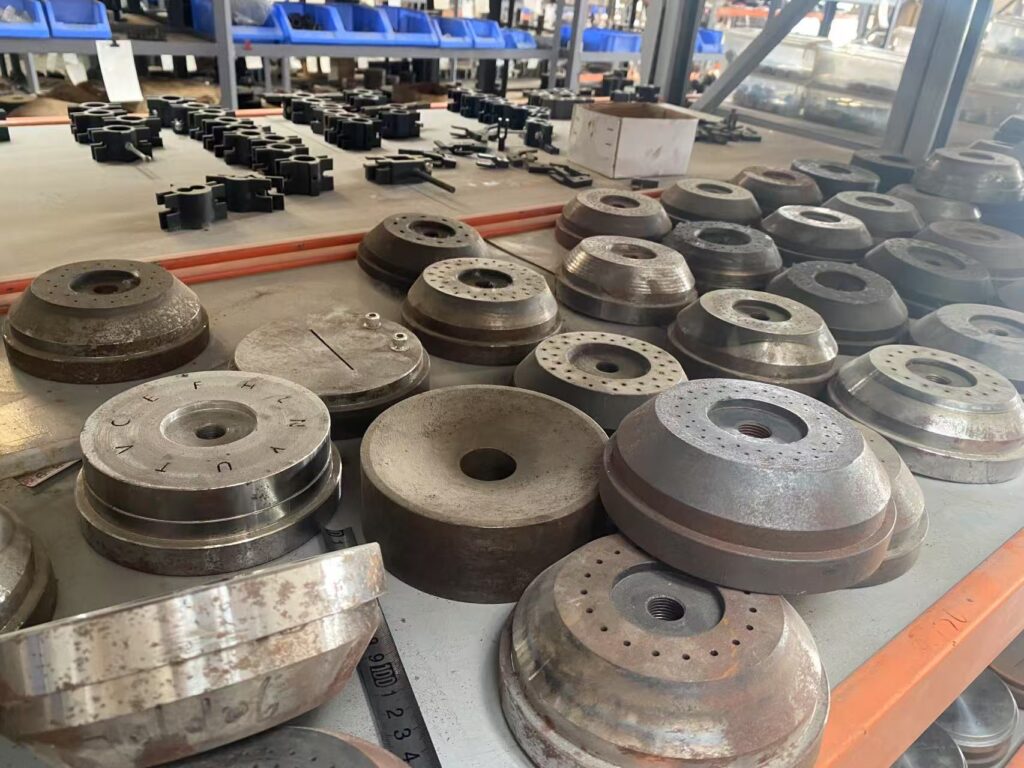
4. Ensure Even Drying
Uniform drying is another key factor. Uneven drying may cause some pellets to remain moist while others become overly dry. To avoid this problem, feed should be spread evenly in the dryer and not piled too thickly. In industrial dryers, proper equipment design helps ensure that all pellets receive the same amount of heat and airflow.
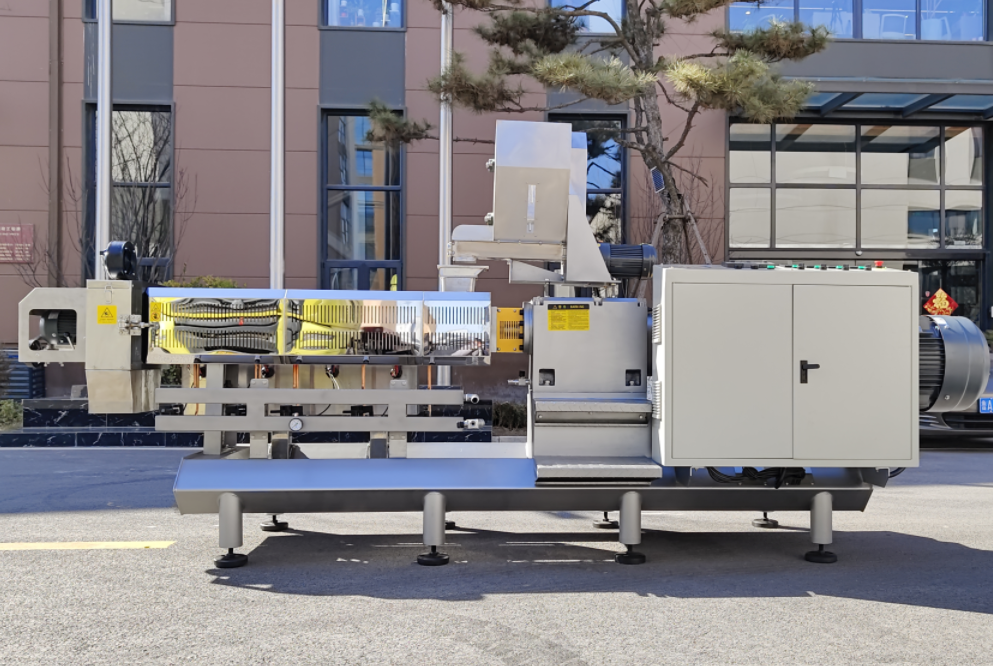
5. Avoid Over-Drying
Over-drying can reduce feed quality and increase energy costs. Extremely dry pellets may become brittle and produce more dust during handling. Monitoring the drying time and checking the moisture level regularly can help prevent this issue.
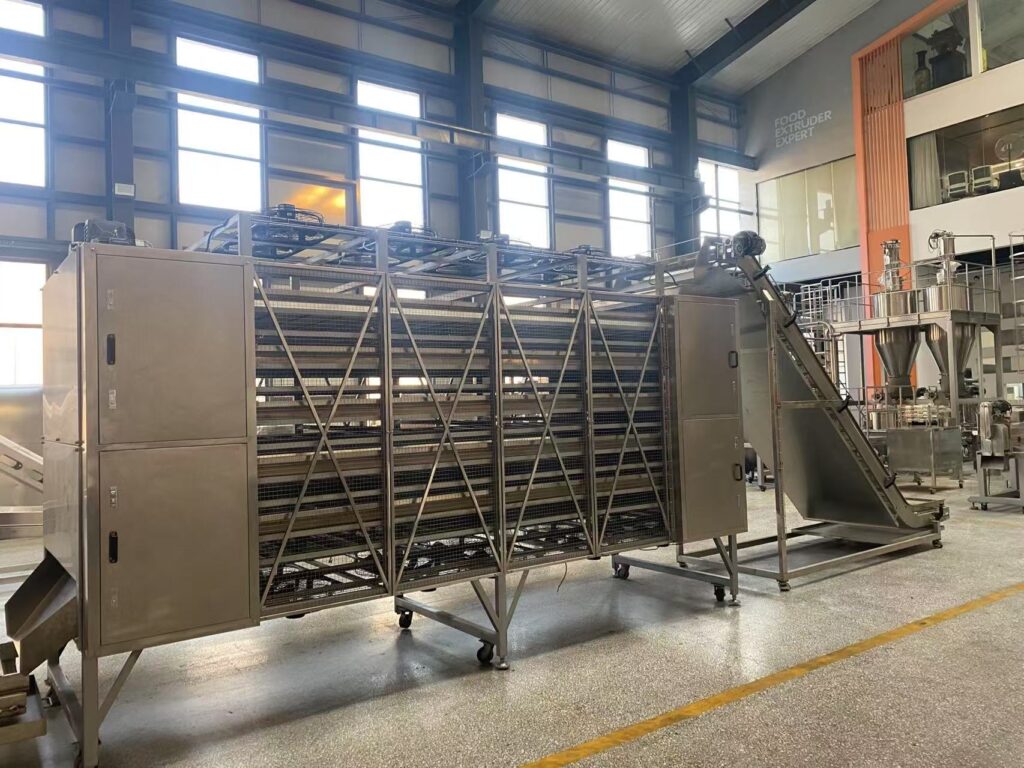
6. Use Proper Equipment
Different production scales may require different drying equipment. Large feed factories often use continuous belt dryers or vertical dryers to handle large volumes of feed efficiently. Small producers may use tray dryers or simple drying systems. Choosing the right equipment helps improve efficiency and maintain product quality.
Conclusion
Drying fish feed is a critical step that directly affects feed quality, storage stability, and fish health. By controlling temperature, maintaining good airflow, monitoring moisture content, ensuring even drying, and using suitable equipment, producers can achieve better drying results. Applying these techniques helps ensure that fish feed remains safe, nutritious, and durable during storage and transportation. If you are interested in the fish feed extruder , you can contact me , i will give you good advice and solutions .
1.Will you help us with the installation ?
Yes , We will send engineers to install and debug the equipment, and assist in training your staff.
2.Are you a factory or trading company?
We are a factory.
3.What certificate do you have?
We have ISO and CE certificate.
4.How long is the warranty period?
All of our machines have one year warranty.
5.What’s the main market of your company?
Our customers all over the world.
6.How much production capacity of your company one year?
This depends on your needs.
 Japanese
  English
  Russian
  Spanish
  Italian
  Arabic
  Portuguese
  German
  French
  Moroccan Arabic
  Persian
  Belarusian