
Introduction: The Deceptive Simplicity of Breakfast
The breakfast table presents an illusion of simplicity. A bowl of cornflakes, submerged in milk, offers itself as the epitome of modern convenience—a crisp, golden testament to industrial efficiency. Yet beneath this unassuming facade lies one of the most technologically sophisticated and chemically transformative processes in all of food manufacturing. The journey from a kernel of corn to a floating flake represents a radical metamorphosis that strips the grain of its natural integrity, reconstitutes it into a wholly artificial construct, and then laboriously fortifies it with synthetic nutrients to replace those destroyed during processing. This article seeks to peel back the glossy packaging and cheerful marketing to reveal the complex, often disturbing reality of how breakfast cereals are manufactured.
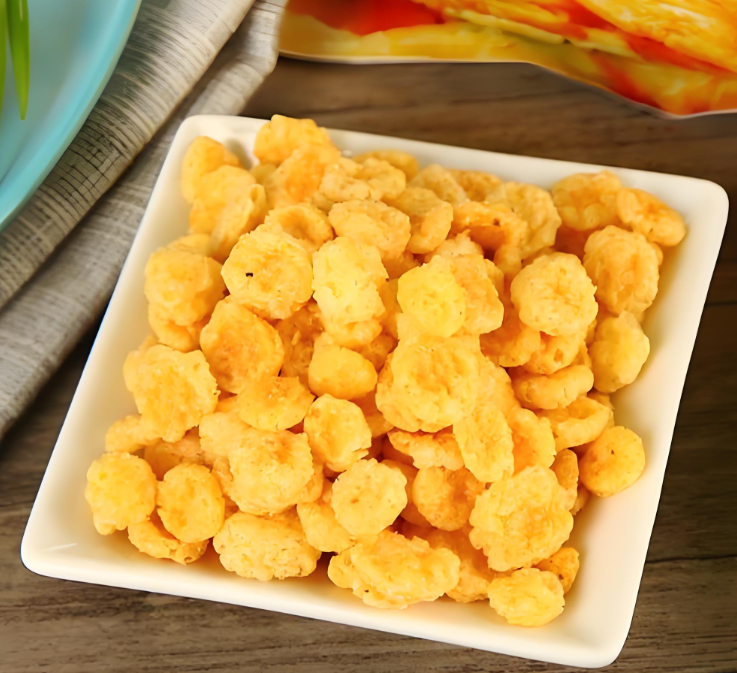
The modern cornflake is not simply corn that has been flattened and toasted. It is an engineered food product—a carefully calibrated matrix of starches, sugars, flavors, and vitamins that bears approximately as much relation to its botanical origin as a hot dog bears to a cow. To understand the cornflake is to understand the fundamental paradox of industrial food processing: that we have developed technologies of such sophistication that we can transform wholesome grains into nutritionally compromised products, and then spend considerable effort adding back the very nutrients our processes destroyed . This is the story of that transformation.
Part One: Historical Origins and the Myth of Health
The Battle Creek Sanitarium and the Birth of a Genre
The origin story of cornflakes is well-rehearsed in corporate mythology, yet its retelling remains essential for understanding the philosophical contradictions embedded in every box. In 1894, John Harvey Kellogg, a physician and Seventh-day Adventist operating the Battle Creek Sanitarium in Michigan, sought to develop a bland, easily digestible breakfast food for his patients. The sanitarium’s philosophy, rooted in Adventist principles of temperance and vegetarianism, promoted a diet that would reduce “autointoxication” and suppress carnal urges—the former being a dubious medical concept of the era suggesting that meat and rich foods caused intestinal putrefaction leading to systemic illness .
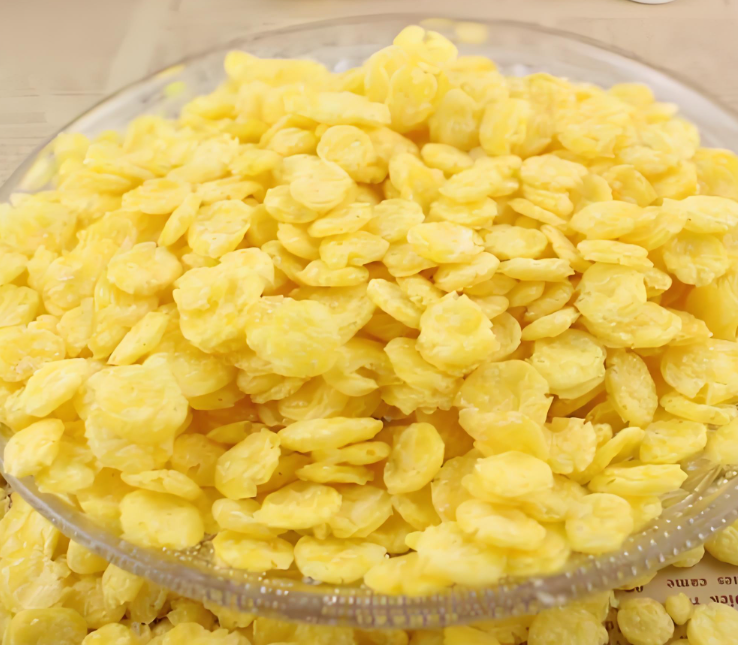
According to legend, the Kellogg brothers—John and his younger brother Will Keith—left cooked wheat to stand, then rolled it, producing thin sheets of dough that could be baked into crispy flakes. The accidental discovery that tempered, cooked grain could be flattened and toasted into shelf-stable flakes launched an industry. What began as a health food for a sanitarium’s patients became, within decades, a cornerstone of the American industrial food system.
This origin is worth examining critically. The cornflake was never intended as a health food in the modern sense of providing comprehensive nutrition. It was designed as an anti-stimulant—bland, low-fat, and easily digestible to the point of being nearly pre-digested by industrial processing. The very qualities that made it suitable for invalids—its lack of fiber, its rapid digestibility, its neutral flavor—would later be marketed as virtues for the general population, though they are, from a nutritional standpoint, precisely the qualities that make modern breakfast cereals problematic .
The Transformation from Whole Food to Industrial Commodity
The early twentieth century witnessed a fundamental shift in American eating habits, and breakfast cereals were both a cause and consequence of this transformation. As urbanization accelerated and women entered the workforce in greater numbers, the elaborate, time-consuming breakfasts of the nineteenth century—hot porridges, eggs, meats, fresh breads—became increasingly impractical. The prepared breakfast cereal offered a solution: open a box, pour into a bowl, add milk, and breakfast is served in thirty seconds.
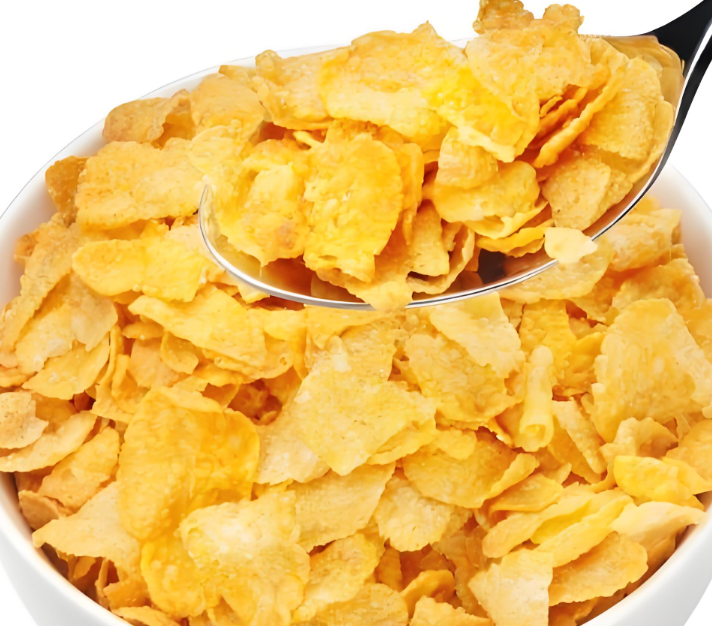
This convenience came at a cost that was not immediately apparent. Traditional breakfast foods were minimally processed: oats were rolled but otherwise intact; eggs were cooked in the home; bread was baked locally. The industrial cereal, by contrast, represented a complete break from culinary tradition. It was manufactured in factories hundreds or thousands of miles from the consumer, packaged in cardboard and waxed paper, and transported across continents before reaching the breakfast table. This geographic and psychological distance between production and consumption would prove transformative, enabling manufacturers to prioritize shelf stability, uniformity, and production efficiency over nutritional integrity.
Part Two: Raw Material Selection and Preparation
The Corn Itself: Not What You Think
The corn used in commercial cornflakes is not the sweet corn eaten fresh from the cob in summer, nor is it the popcorn used for snacking, nor even the dent corn fed to livestock. It is a specific industrial raw material selected for processing characteristics rather than nutritional quality or flavor . Modern cornflake production utilizes #1 Yellow Dent corn, specifically varieties bred for high starch content, uniform kernel size, and consistent milling properties.
The nutritional implications of this selection are significant. Different corn varieties contain varying levels of phytochemicals, including phenolic compounds and carotenoids with antioxidant properties. Research has demonstrated that genotype significantly affects phenolic content in finished corn flakes, yet processing considerations—not nutritional quality—drive variety selection in industrial agriculture . The corn grown for breakfast cereals is optimized for the factory, not the consumer.
Furthermore, the corn used in mass-market cereals is almost exclusively grown from hybrid seeds, often genetically modified for herbicide resistance and insect tolerance. While the finished product may not contain detectable modified DNA, the agricultural system supporting it is thoroughly industrial, dependent on synthetic fertilizers, chemical pesticides, and intensive monoculture practices that degrade soil and reduce biodiversity.
Dry Milling: Dismantling the Kernel
Before corn can become flakes, it must be reduced to its components. The whole kernel consists of three main parts: the bran (pericarp), the germ, and the endosperm. For traditional cornflake production, only the endosperm is desired, specifically the hard, vitreous portion known as horny endosperm .
The dry milling process begins with cleaning: the corn passes through aspirators to remove dust and chaff, screens to remove foreign objects, and magnetic separators to eliminate any metal fragments from harvesting equipment. The cleaned corn is then tempered—conditioned with moisture to make the components separable—and passed through degerminators, machines designed to rip the kernel apart, liberating the germ and bran from the endosperm.

The degerminator is a violent machine. It throws corn against perforated screens at high speed, shearing off the soft germ and brittle bran while leaving the tougher endosperm fragments intact. The resulting mixture passes through gravity tables and aspirators that separate the lighter germ and bran from the heavier endosperm particles. What remains—the “flaking grits”—are fragments of endosperm, approximately one-half to one-third the size of the original kernel, relatively pure in starch and protein but devoid of the germ’s oils and the bran’s fiber .
This separation has profound nutritional consequences. The germ contains the majority of the kernel’s fats, vitamins E and B-complex, and minerals. The bran contains essentially all of the dietary fiber, along with significant concentrations of phenolic antioxidants, particularly ferulic acid, which exists in bound form within the cell walls . By removing these components, the milling process produces a raw material that is nutritionally impoverished compared to whole corn—rich in calories from starch but lacking in the micronutrients and phytochemicals that make corn a healthful food.
The flaking grits, at this stage, are approximately 71% starch, with minimal fat, fiber, or micronutrients . They are, in essence, a blank canvas awaiting industrial transformation.
Part Three: The Traditional Cooking Process
Pressure Cooking: Starch Gelatinization
The production of cornflakes fundamentally depends on a single physicochemical transformation: starch gelatinization. Raw corn starch exists in semi-crystalline granules that are insoluble in cold water and resistant to digestion. When heated in the presence of water, these granules absorb moisture, swell, and eventually lose their crystalline structure, becoming a amorphous, digestible gel. This transformation is essential for creating the texture, digestibility, and structural integrity of the finished flake .
In traditional cornflake production, the flaking grits are loaded into batch pressure cookers—massive rotating vessels that can hold thousands of pounds of material. Along with the grits, manufacturers add a solution containing sugar, salt, malt syrup, and sometimes additional flavorings. The proportions are critical trade secrets, carefully calibrated to achieve the desired final flavor profile while maintaining processing characteristics.
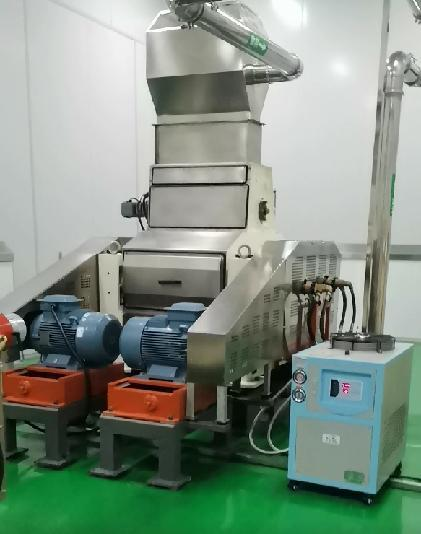
The cooker is sealed and steam is injected, raising both temperature and pressure. Standard processing conditions call for cooking at 15-18 pounds per square inch (psi) of steam pressure for approximately two hours . At this pressure, the temperature inside the cooker reaches approximately 121-128°C (250-262°F), well above the boiling point of water at atmospheric pressure. Under these conditions, the starch granules within the grits absorb moisture from the steam and from the added syrup, swelling until they rupture and release their contents into a continuous, viscous matrix.
This process is not merely physical but chemical. Research has demonstrated that pressure cooking induces significant changes in the phenolic compounds naturally present in corn. Total phenolic content decreases markedly during cooking, as heat-labile compounds degrade or leach into the cooking liquor . The antioxidant capacity of the material similarly declines, suggesting that the nutritional benefits associated with whole corn consumption are substantially diminished during this initial processing step.
The duration of cooking is carefully controlled: insufficient cooking leaves ungelatinized starch cores that will produce hard, glassy flakes; excessive cooking causes complete disintegration of the grit structure, rendering the material unprocessable. The cook must achieve complete starch gelatinization while maintaining sufficient structural integrity that the individual grits remain recognizable as discrete particles.
Tempering: The Critical Intermediate Step
Following cooking, the mass is discharged from the cooker as a sticky, aggregated clump of translucent, gelatinized grits. At this stage, the moisture content is approximately 30-35%, far too high for flaking. The cooked mass must be dried and conditioned before it can proceed.
The cooked grits are transferred to conveyors that break the large clumps into individual particles—a process called delumping. They then pass through drying systems that reduce moisture to approximately 20%. This initial drying is carefully controlled; too rapid drying case-hardens the particles, trapping moisture inside and preventing uniform subsequent processing .
After drying comes tempering—a period of rest lasting 24 hours or more during which the partially dried grits are allowed to equilibrate moisture internally. The surface of each particle may be drier than its interior immediately after drying; tempering allows moisture gradients to equalize through slow diffusion, producing a uniform distribution throughout each grit. This equilibration is essential for proper flaking: particles with uneven moisture distribution will flake irregularly, producing broken flakes and excessive fines .
Tempering also allows for additional physicochemical changes. The starch polymers, disrupted and gelatinized during cooking, begin to reassociate through hydrogen bonding—a process called retrogradation. This partial reassociation contributes to the final texture of the flake, providing structural integrity that will survive subsequent processing.
Research on semi-industrial production has shown that tempering duration significantly affects final product quality. Studies examining tempering times from 10 to 50 minutes found that insufficient tempering produced excessive fines during flaking, as moisture gradients caused differential mechanical behavior within particles . The optimal tempering regime balances moisture equilibration against production throughput, typically falling in the range of 30-40 minutes for small-scale production, though industrial systems may employ longer periods.
Part Four: The Extrusion Revolution
The Advent of Continuous Processing
While traditional batch cooking remains in use for some premium products, the majority of breakfast cereals manufactured today rely on extrusion cooking—a continuous, highly efficient process that fundamentally differs from the batch method in both equipment and outcome .
Extrusion cooking emerged in the mid-twentieth century as plastics technology was adapted to food processing. The basic principle is simple: a screw rotating within a tightly fitting barrel conveys material from an inlet to a die, subjecting it to heat, pressure, and mechanical shear along the way. In food applications, the extruder becomes a continuous chemical reactor, cooking, shaping, and texturizing ingredients in a single pass lasting mere minutes rather than hours .
The adoption of extrusion for breakfast cereals represented a paradigm shift. Traditional processing required whole or fragmented grits of specific size and composition; extrusion could utilize finely ground flour, enabling manufacturers to incorporate a wider range of ingredients and to utilize lower-cost raw materials. The implications for product quality and nutritional value were profound and continue to be debated.
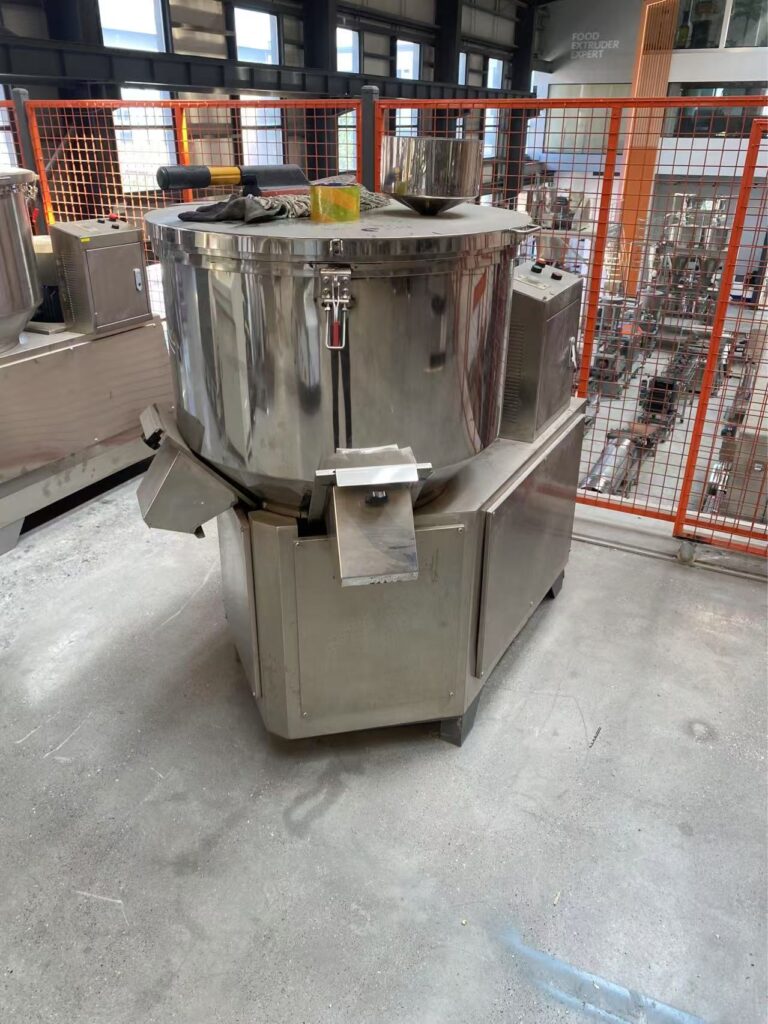
The Extrusion Process in Detail
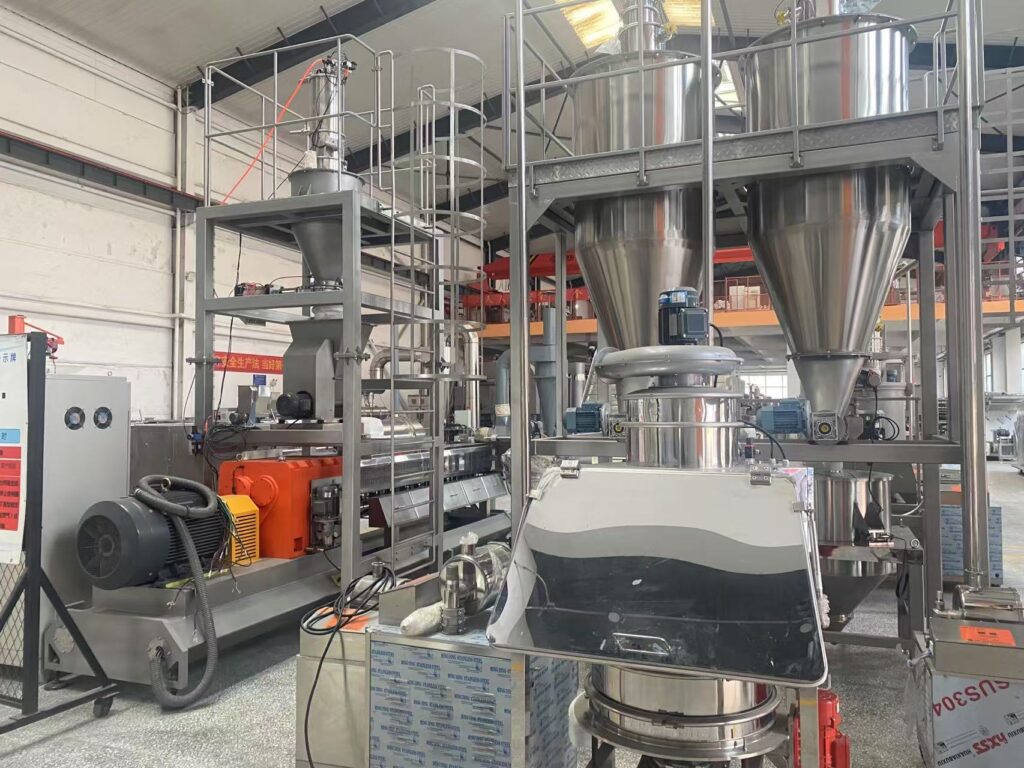
Modern breakfast cereal extrusion begins with dry ingredient preparation. Corn flour—finely ground endosperm, possibly including some germ and bran depending on product specifications—is fed continuously into the extruder along with sugar, salt, malt, and any other dry ingredients. Liquid ingredients, including water, color solutions, and flavor concentrates, are injected separately .
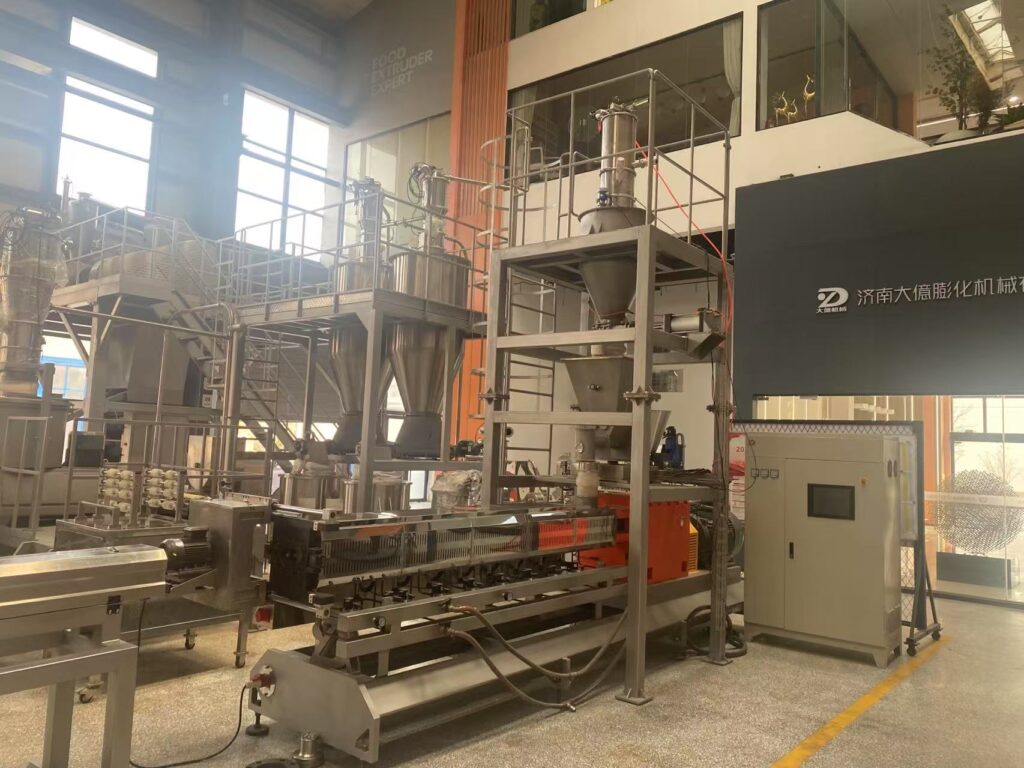
The twin-screw extruder, now standard in the industry, consists of intermeshing screws rotating within a temperature-controlled barrel. As the screws turn, they convey material forward while simultaneously mixing, kneading, and shearing it. The barrel is divided into zones, each maintained at a specific temperature through electric heating elements or circulating fluids. A typical temperature profile might begin at 80°C near the feed end, rise to 130°C in the middle, and reach 170°C at the die .
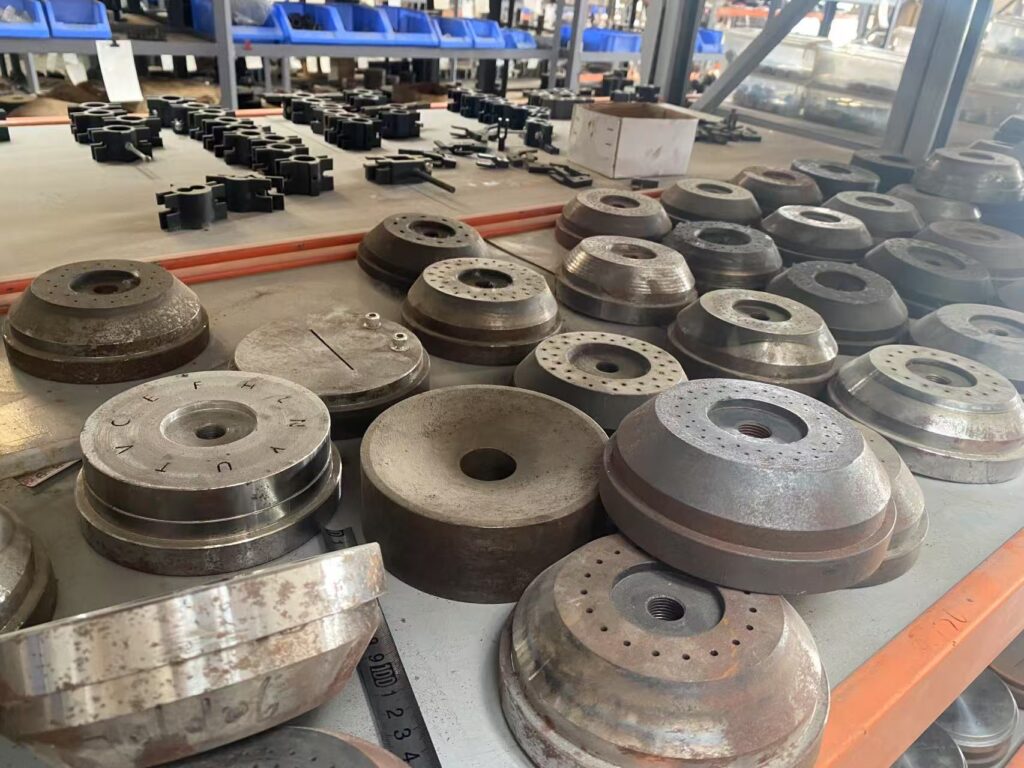
Within this heated, pressurized environment, multiple transformations occur simultaneously:
- Starch gelatinizes as moisture penetrates the amorphous regions of starch granules
- Proteins denature and may cross-link
- Sugars caramelize and participate in Maillard browning reactions with amino acids
- Fats emulsify into the starch-protein matrix
- Flavor compounds volatilize, react, and reform
The mechanical shear applied by the rotating screws is as important as thermal energy in driving these transformations. Shear physically disrupts starch granules, accelerating gelatinization; it distributes ingredients intimately; and it builds pressure that will later drive expansion at the die. The combination of thermal and mechanical energy allows extrusion to achieve in minutes what batch cooking achieves in hours .
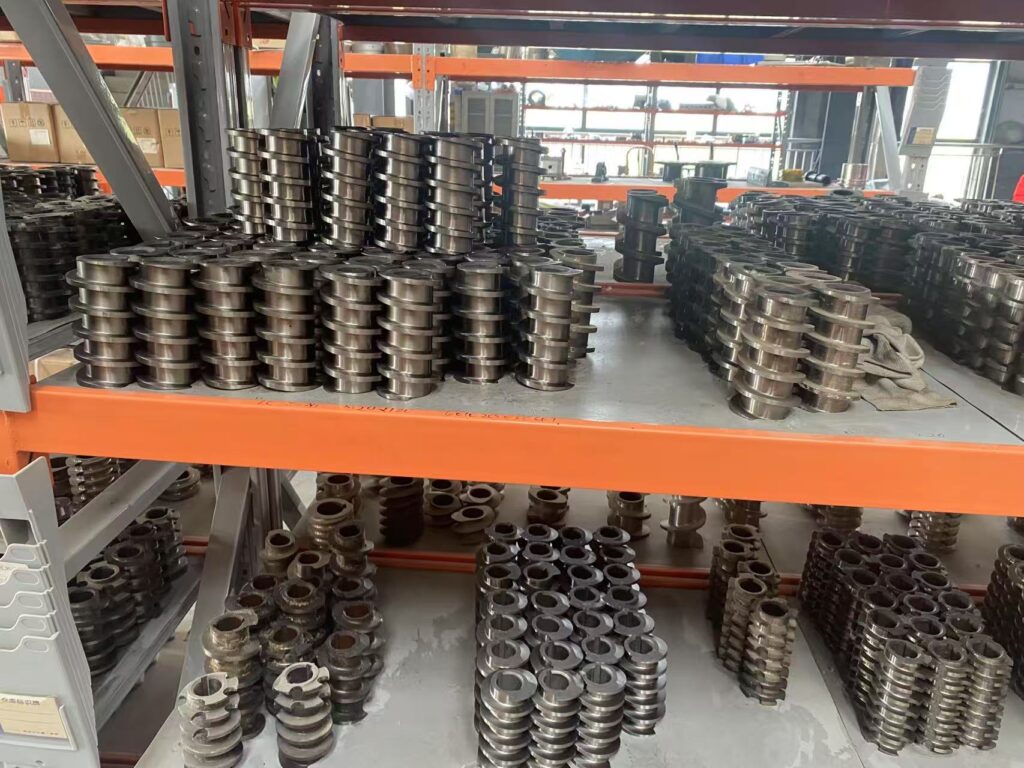
As the material reaches the die—a metal plate with one or more precisely machined openings—it exists as a homogeneous, thermoplastic melt. Pressure within the extruder may reach several thousand psi, maintained by the restrictive die opening. Upon exiting the die, the material experiences instantaneous pressure drop to atmospheric conditions. Superheated water within the matrix flashes to steam, expanding the extrudate in a process called “puffing” .
For flaked cereals, this expanded extrudate is immediately cut into pellets by rotating knives at the die face. These pellets, still hot and plastic, are conveyed to flaking rolls while retaining sufficient moisture and flexibility to be flattened. Alternatively, some processes cool and temper the pellets for later flaking .
Comparing Traditional and Extruded Products
The differences between traditionally processed and extruded cornflakes are substantial, extending beyond production economics to fundamental product characteristics.
Traditional flakes, made from intact grits, retain some of the cellular structure of the original endosperm. Under magnification, they show remnants of cell walls and a layered structure reflecting the original kernel architecture. Extruded flakes, made from flour, are completely homogeneous—a continuous matrix of starch and additives with no remaining cellular organization.
This structural difference affects texture, flavor release, and nutritional properties. Traditional flakes tend to have a more substantial, “cooked” texture and may exhibit slight variations in color and thickness reflecting natural variations in the raw material. Extruded flakes are perfectly uniform—identical in thickness, color, and shape, with a more delicate, melt-in-the-mouth texture resulting from the expansion that occurs at the die .
From a nutritional standpoint, extrusion may offer certain advantages. The high shear environment can liberate bound phenolic compounds that would otherwise remain indigestible, potentially increasing antioxidant availability . However, extrusion also generates processing-induced compounds whose long-term health effects remain poorly understood, including acrylamide from Maillard reactions and potential lipid oxidation products.
Part Five: Flaking, Toasting, and the Creation of “Crispness”
The Flaking Operation
Whether produced by traditional batch cooking or modern extrusion, the material entering the flaking stage consists of individual pellets or grits—each destined to become one flake. These pellets have been dried to a specific moisture content, typically 15-21%, that renders them plastic enough to flatten without shattering yet firm enough to maintain integrity .
Flaking rolls are massive machines: pairs of smooth, chilled iron rolls, typically 500-800 mm in diameter, rotating in opposite directions at precisely controlled speeds. The gap between rolls is adjustable to 0.1 mm or less, determining final flake thickness. Pellets fed into the nip are crushed between the rolls, spreading into thin, irregular ovals .
The physics of flaking are complex. As the pellet enters the narrowing gap, it experiences compressive forces that exceed the yield strength of the material. The partially gelatinized starch flows plastically, spreading radially outward. Simultaneously, the sudden deformation releases internal moisture, creating microscopic steam bubbles that will later expand during toasting to create the characteristic bubbled surface of a cornflake.
The temperature and moisture of the pellets at flaking critically affect outcomes. Too dry, and the pellet shatters into fragments rather than flattening; too wet, and it sticks to the rolls, creating processing difficulties. Industrial operations maintain tight control over both parameters, often using infrared moisture sensors and automated feedback systems to adjust upstream processing conditions .
The Toasting Transformation
The raw flakes emerging from the flaking rolls are pale, flexible, and unappetizing—closer in appearance to wet paper than to breakfast cereal. Their transformation into golden, crispy cornflakes occurs in the toaster, a sophisticated piece of equipment combining convection heating with fluidized bed technology .
Modern cereal toasters consist of a perforated deck through which heated air is forced at high velocity. The air flow lifts and suspends the flakes, creating a fluidized bed that ensures uniform heat exposure while preventing sticking or clumping. The flakes tumble and dance in the air stream as they pass through multiple temperature zones, typically ranging from 200°C to 300°C .
Within the toaster, multiple transformations occur in rapid succession:
- Residual moisture flashes off, concentrating solids and creating porosity
- Starch polymers undergo further dextrinization—partial breakdown into smaller, sweeter fragments
- Sugars caramelize, generating brown pigments and complex flavor compounds
- Amino acids react with reducing sugars in Maillard browning, contributing additional color and flavor
- Internal steam generation creates the characteristic blisters and bubbles on flake surfaces
The toasting process represents the final opportunity to develop flavor and color. Research has demonstrated that phenolic content, which decreased during cooking, increases significantly during toasting—apparently due to liberation of bound phenolic compounds from cell wall materials . Extended toasting time liberates more bound phenolics, potentially improving antioxidant content, though excessive toasting degrades these same compounds.
The toasting duration and temperature profile must be carefully optimized. Insufficient toasting produces pale, doughy flakes lacking in crispness; excessive toasting burns sugars, creates bitter flavors, and may generate potentially harmful compounds including acrylamide. Manufacturers balance these considerations against consumer preferences for golden color and toasted flavor, often erring toward darker toasting based on market research showing consumer preference for more intensely colored cereals.
Cooling and Stabilization
Upon exiting the toaster, flakes are still hot and somewhat plastic. They must be cooled rapidly to set their structure and prevent further browning or moisture pickup. Cooling conveyors combine ambient air movement with gentle agitation to reduce product temperature to near-ambient within minutes.
The cooling stage is critical for texture development. As the flakes cool below the glass transition temperature of the starch-sugar matrix, they transform from rubbery to glassy—the condition we perceive as crispness. Proper cooling ensures that this transition occurs uniformly, producing flakes with consistent texture throughout the package .
Part Six: The Fortification Paradox
Destroying Nutrients to Add Them Back
Perhaps the most damning indictment of industrial cereal processing lies in the practice of fortification. After subjecting corn to milling that removes the germ and bran, cooking that degrades heat-labile vitamins, and toasting that further oxidizes sensitive compounds, manufacturers then spray synthetic vitamins onto the finished flakes to restore nutritional adequacy .
This practice, mandated by food standards in many jurisdictions for cereals making nutritional claims, represents an extraordinary industrial loop. Nature packaged corn with a complete suite of nutrients—B vitamins in the germ, fiber and antioxidants in the bran, vitamin E in the oils. Industrial processing systematically removes or destroys these nutrients, creating a product that is nutritionally inferior to its raw material. Fortification then adds back a selected subset of synthetic vitamins, producing a product that meets regulatory definitions of “enriched” while remaining fundamentally different from—and arguably inferior to—the original grain.
The fortification process itself is technically challenging. Vitamins and minerals must be applied to the flake surface in a solution that adheres uniformly without causing clumping or moisture pickup. Spray systems atomize the fortification solution into fine droplets, which are applied to the flakes as they tumble in rotating drums. The coated flakes then pass through final drying to remove the solvent (usually water or alcohol) before packaging .
The limitations of surface fortification are obvious. Sprayed-on vitamins reside on the flake surface, where they are exposed to oxidation during storage and may be leached into the milk in the bowl. Consumers who drink the milk after finishing their cereal receive a disproportionate share of the added nutrients—a fact that manufacturers exploit in marketing but rarely acknowledge directly.
What Fortification Doesn’t Replace
Critical examination of fortification reveals what it cannot replace. The synthetic vitamins added to cereals—typically B vitamins (thiamin, riboflavin, niacin, B6, folic acid), vitamin C, and sometimes vitamin D and iron—represent only a fraction of the nutrients present in whole corn.
Missing entirely are:
- The fiber that supported digestive health and slowed starch digestion
- The phytochemicals—phenolic acids, flavonoids, carotenoids—that provided antioxidant activity
- The trace minerals—magnesium, manganese, copper, zinc—present in the germ and bran
- The essential fatty acids destroyed when germ oils were removed
- The synergistic interactions among nutrients that enhance absorption and utilization
Research comparing nutrient profiles of raw and processed corn confirms significant losses. One study found that processing into corn flakes brought “significant reduction of xanthophylls and polyphenols”—the very compounds associated with reduced risk of degenerative diseases . These losses cannot be reversed by adding synthetic B vitamins; the nutritional profile of fortified cornflakes, while meeting regulatory standards, remains fundamentally different from that of whole corn.
Part Seven: Quality Control and the Illusion of Consistency
The Pursuit of Uniformity
Industrial food production demands consistency above all else. A box of cornflakes purchased in New York must be indistinguishable from one purchased in Los Angeles, this year or next. Achieving this consistency requires extraordinary control over every aspect of production—from raw material sourcing through packaging.
Quality control begins with incoming raw materials. Corn shipments are analyzed for moisture content, kernel size distribution, foreign material, and indicators of mold or insect damage. Acceptable ranges are narrowly defined; shipments falling outside specifications are rejected, returned to suppliers at significant cost .
During processing, quality control intensifies. In-line sensors monitor moisture at multiple points, adjusting dryer temperatures in real time. Vision systems inspect flakes for color uniformity, size distribution, and defects. Metal detectors and magnets guard against contamination from processing equipment. Samples are pulled regularly for laboratory analysis—checking vitamin levels, measuring texture objectively, verifying that flavor profiles match standards .
This obsession with consistency serves manufacturers’ interests—protecting brand reputation, enabling national advertising, simplifying inventory management—but it comes at a cost. Natural variation, the signature of real food, is systematically eliminated. The cornflake becomes an abstraction, a Platonic ideal of itself, divorced from the messy reality of agricultural production.
The Hidden Costs of Standardization
The pursuit of perfect uniformity has consequences that extend beyond aesthetics. To achieve consistent color, manufacturers may blend corn from different sources and growing regions, diluting any distinctive characteristics. To ensure consistent texture, they may add ingredients—starches, gums, emulsifiers—that weren’t present in traditional formulations. To maintain consistent flavor, they may add artificial flavors or flavor enhancers that mask natural variation.
The result is a product that tastes the same every time precisely because it has been engineered to eliminate the very qualities that make food interesting. Fresh corn varies from crop to crop, season to season, region to region; cornflakes do not. This consistency, so valued in industrial production, represents a triumph of processing over nature—and a loss of the diversity that characterizes real food.
Part Eight: Energy, Efficiency, and Environmental Impact
The Industrial Scale of Production
Modern cereal manufacturing operates at scales that are difficult to comprehend. A single production line may process several tons of corn per hour, operating 24 hours per day, 300 days per year . The energy required to mill, cook, dry, toast, and package this volume is staggering.
Each stage of processing consumes energy:
- Milling requires electrical power for grinding and separation equipment
- Cooking demands steam, typically generated in natural gas-fired boilers
- Drying and toasting consume additional thermal energy, much of it vented to atmosphere
- Cooling requires refrigeration or extensive air handling
- Packaging involves compressed air, vacuum systems, and conveyor drives
Equipment manufacturers publish efficiency data that reveal the scale. One industrial toaster may consume 60 kWh per 100 kg of product—equivalent to 600 kWh per metric ton . For a line producing 1000 kg per hour, this represents 600 kWh hourly, 14,400 kWh daily, over 4 million kWh annually for toasting alone. When all processing stages are combined, the energy embodied in a single box of cereal exceeds the caloric content of the food inside by orders of magnitude.
Water Consumption and Waste
Water is equally integral to cereal production. Cooking requires steam, which condenses into the product; cleaning requires hot water and sanitizing solutions; cooling towers evaporate water continuously. While some water is recovered through drying and vented as vapor, the net consumption is substantial.
Waste streams include:
- Cleaning solutions from equipment sanitation
- Dust collected from aspiration systems
- Fines and broken flakes rejected during quality control
- Start-up and shutdown material produced during line changes
Some of this material finds secondary uses—fines may be sold as animal feed, for instance—but much represents pure waste: resources extracted, processed, and discarded without ever reaching a consumer.
Part Nine: The Consumer Reality—What’s Really in the Bowl
Ingredient Declarations vs. Process Reality
A typical ingredient declaration for cornflakes reads: “Milled corn, sugar, malt flavor, salt. Vitamins and minerals: Vitamin C, iron, niacinamide, vitamin B6, vitamin B2, vitamin B1, vitamin A, folic acid, vitamin D, vitamin B12.”
This simple list conceals the complexity revealed in this article. “Milled corn” represents the endosperm fragments remaining after the nutrient-rich germ and bran have been removed. “Sugar” may be added at multiple points—in the cooking syrup, as a surface coating—to achieve the sweetness consumers expect. “Malt flavor” is typically barley malt, added for flavor and to provide reducing sugars for Maillard browning.
The vitamin list, impressive though it appears, represents the bare minimum required to make nutritional claims. The amounts added are carefully calculated to meet regulatory standards while minimizing cost—often barely replacing what processing destroyed, and certainly not providing the comprehensive nutrition of whole foods.
What Testing Reveals
Analytical testing of commercial cornflakes reveals their true nature. Proximate analysis shows a product consisting predominantly of carbohydrate (typically 85-90% by dry weight), with minimal protein (5-8%), fat (0.5-2%), and fiber (1-3%) . Mineral analysis confirms low levels of calcium, magnesium, and potassium compared to whole corn—precisely the minerals removed with the germ and bran .
Phenolic analysis reveals significant losses during processing. While whole corn contains appreciable concentrations of ferulic acid and other phenolic antioxidants with documented health benefits, cornflakes contain substantially reduced levels—the processing-induced changes documented in research . The antioxidant capacity, similarly, is diminished compared to the raw material.
These findings paint a troubling picture: a product stripped of its natural nutritional assets, then synthetically fortified with a subset of the missing nutrients, marketed as a healthful breakfast choice.
Part Ten: Alternatives and the Future
The Return to Whole Grains
In response to growing consumer awareness of processing realities, some manufacturers have introduced whole grain cereals. These products utilize the entire kernel—bran, germ, and endosperm—preserving the fiber, vitamins, and phytochemicals that processing typically removes.
Whole grain cornflakes present manufacturing challenges. The germ contains fats that can oxidize during storage, limiting shelf life. The bran contains fiber that interferes with flaking and contributes to toughness. Toasting must be carefully controlled to avoid burning the bran while adequately drying the endosperm. These challenges can be overcome, but they add cost and complexity—reflected in the higher prices of whole grain products.
Small-Scale and Artisanal Production
Alongside industrial production, a niche market for small-scale, traditionally processed cereals has emerged. These products, typically found in natural food stores and farmers’ markets, may be made from organic corn, stone-ground to retain germ and bran, cooked in small batches, and flaked on equipment that would be unrecognizable to industrial engineers.
The quality difference is substantial. Artisanal cornflakes vary in color and shape, toast unevenly, and lack the perfect uniformity of mass-market products. They also taste more like corn, retain more of the grain’s natural nutrition, and connect consumers to agricultural reality rather than industrial abstraction. Whether such products can ever achieve significant market share remains doubtful—their cost and inconsistency run counter to everything industrial food has taught consumers to expect.
Regulatory and Labeling Reform
Consumer advocates have long called for more transparent labeling that would reveal the extent of processing applied to breakfast cereals. Requirements to disclose added sugars, whole grain content, and processing methods have been proposed, though industry opposition has limited their adoption.
Meaningful reform would require:
- Clear differentiation between whole grain and refined grain products
- Disclosure of processing methods (extruded vs. traditionally cooked)
- Transparency about vitamin sources (synthetic vs. natural)
- Information about processing-induced compounds (acrylamide, etc.)
Until such reforms are implemented, consumers must educate themselves about the realities behind the cheerful packaging.
Conclusion: The Golden Paradox
The cornflake embodies the central contradiction of industrial food. It is simultaneously a triumph of engineering and a testament to nutritional degradation—a product that delivers consistent, convenient, affordable calories while systematically stripping away the very qualities that make food healthful. The golden flake in the bowl represents not nature’s bounty but human ingenuity applied to the problem of transforming wholesome grain into a shelf-stable commodity.
From the violent separation of the kernel in degerminators to the chemical transformations of extrusion, from the destruction of native nutrients to the synthetic fortification that follows, every stage of cornflake production reveals the distance between agricultural reality and industrial abstraction. The final product—crisp, golden, uniform—bears about as much relation to a kernel of corn as a plastic spoon bears to a tree.
This is not to suggest that cornflakes are poisonous or that their consumption should be avoided entirely. It is simply to insist that consumers deserve to understand what they’re eating: not a simple, wholesome grain transformed by gentle toasting, but a highly engineered product whose nutritional profile results from deliberate choices about which components to retain, which to remove, and which to replace with synthetic alternatives.
The next time you pour milk over a bowl of golden flakes, consider the journey those flakes have taken—from field to factory, through degerminators and pressure cookers, extruders and toasters, coating drums and packaging lines. Consider what was removed along the way, what was added back, and what was lost forever. Then decide whether what remains in your bowl represents breakfast or merely its industrial simulation.
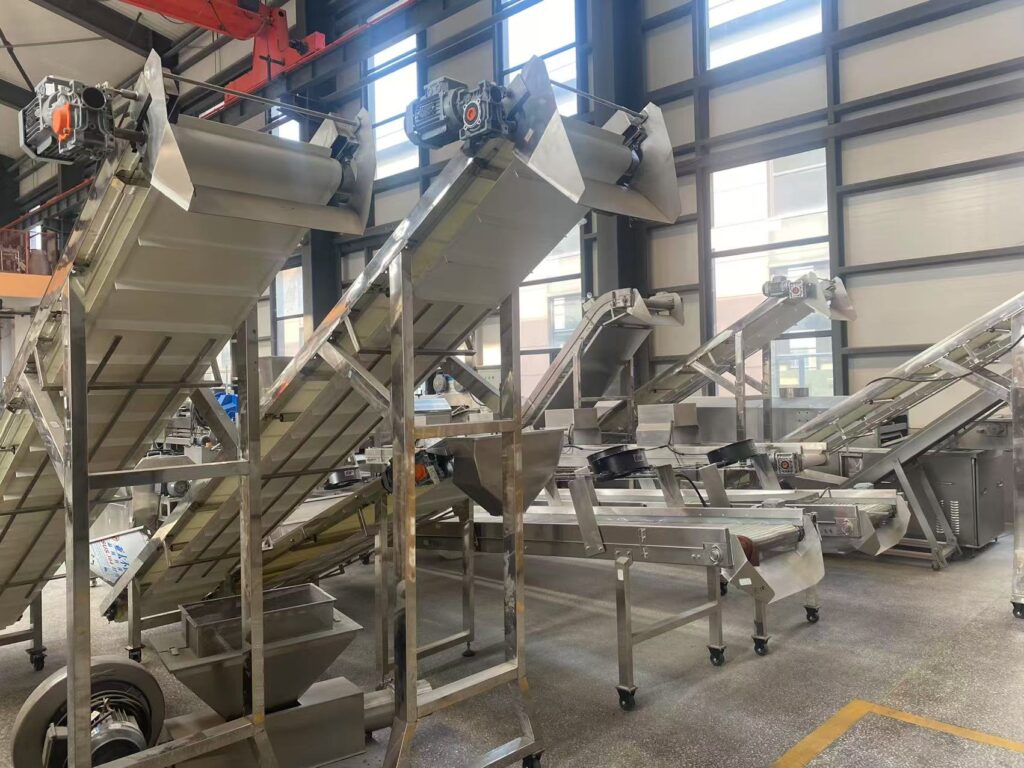
The cornflake, in the end, is what we’ve made it: a mirror reflecting our priorities, our technologies, and our willingness to accept industrial abstractions in place of agricultural reality. Whether we can imagine—and create—something better remains an open question, one that every breakfast presents anew. If you are interested in the corn flakes making machine , you can contact me , i will give you good advice .
1.Will you help us with the installation ?
Yes , We will send engineers to install and debug the equipment, and assist in training your staff.
2.Are you a factory or trading company?
We are a factory.
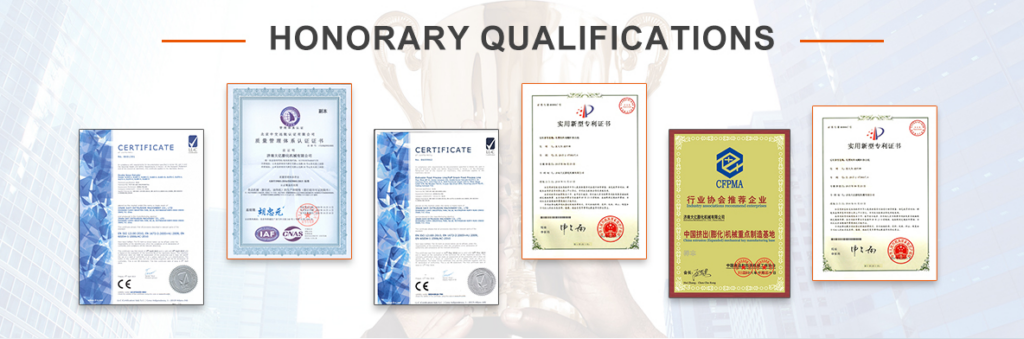
3.What certificate do you have?
We have ISO and CE certificate.
4.How long is the warranty period?
All of our machines have one year warranty.
5.What’s the main market of your company?
Our customers all over the world.
6.How much production capacity of your company one year?
This depends on your needs.
 Japanese
  English
  Russian
  Spanish
  Italian
  Arabic
  Portuguese
  German
  French
  Moroccan Arabic
  Persian
  Belarusian