
Corn flakes are made by turning cooked corn grits into thin sheets and then toasting them into crisp flakes. corn flakes making machine The flaking (rolling) step is the key operation that gives corn flakes their familiar shape and crunch. Below is a practical explanation of how corn flakes are pressed into flakes in an industrial line.
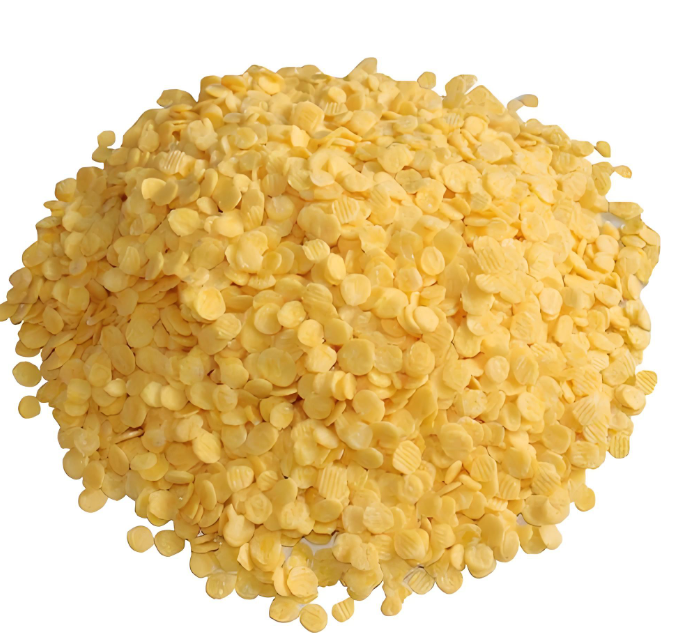
1) Preparing the Corn: From Grits to Cooked “Pellets”
Before rolling can happen, corn must be cooked and conditioned so it becomes plastic and formable.
Typical upstream steps:
- Cleaning and milling: corn is cleaned and milled into corn grits (uniform particle size).
- Mixing: grits are blended with water, sugar, salt, malt syrup, and sometimes vitamins/minerals.
- Cooking: the mix is cooked in a pressure cooker/continuous cooker until starch is gelatinized and the mass becomes cohesive.
- Forming pellets: cooked material is often made into small pellets/nuggets (via pelletizer or extruder) for consistent rolling.
- Tempering (conditioning): pellets rest in bins so moisture equalizes throughout each pellet—this prevents cracking and improves rolling behavior.
2) The Rolling (Flaking) Step: Turning Pellets into Thin Flakes
The core machine: the flaking rolls (flake mill)
Corn flakes are “pressed” using a pair of heavy, counter-rotating steel rolls (a flake mill). Key features include:
- Precisely adjustable roll gap (controls thickness)
- Strong hydraulic or mechanical pressure (provides consistent compression)
- Smooth or lightly textured roll surface (affects surface finish)
- Scrapers/knives to prevent sticking and keep rolls clean
What actually happens
- Feed control: tempered pellets are fed evenly across the width of the rolls using a feeder and distributor.
- Compression and spreading: as pellets pass through the narrow roll gap, corn flakes making machine each pellet is flattened and spread into a thin oval sheet.
- Thickness setting: the roll gap determines the flake thickness, which strongly influences:
- final crispness
- bowl life (how long it stays crunchy in milk)
- breakage rate during handling
- Release and conveyance: the thin “green flakes” are released from the roll surface and conveyed to the next step.
Why moisture and temperature matter
Rolling works best when pellets are:
- Warm enough to deform without cracking
- At a controlled moisture level so the surface doesn’t stick or tear
If pellets are too dry, flakes crack and create excessive fines. If too wet, flakes can smear, stick to rolls, or deform unevenly.
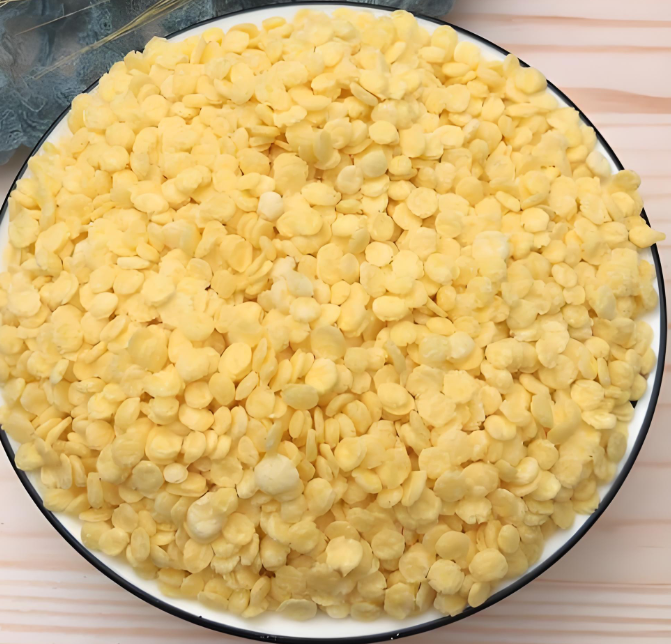
3) After Rolling: Drying and Toasting to Set Crispness
The rolled flakes are still soft and moist. corn flakes making machine They must be dried and toasted to develop the final texture and flavor.
Common downstream steps:
- Drying: reduces moisture gradually so flakes don’t blister or warp.
- Toasting (baking): hot air toasts the flakes, creating:
- crisp structure
- golden color (Maillard/caramelization)
- characteristic toasted flavor
- Cooling: stabilizes texture before packaging.
- Screening: removes fines and broken flakes; some fines may be recycled depending on the plant.
4) Main Factors That Control Flake Quality (In Rolling)
- Pellet moisture uniformity (tempering effectiveness)
- Roll gap and roll pressure
- Roll speed and feed rate
- Roll surface condition and cleanliness
- Pellet size consistency (drives uniform flake size and thickness)
Corn flakes are rolled by feeding tempered, cooked corn pellets through a flake mill, where two heavy rolls compress each pellet into a thin sheet. This “green flake” is then dried and toasted to become crisp, flavorful, and shelf-stable.
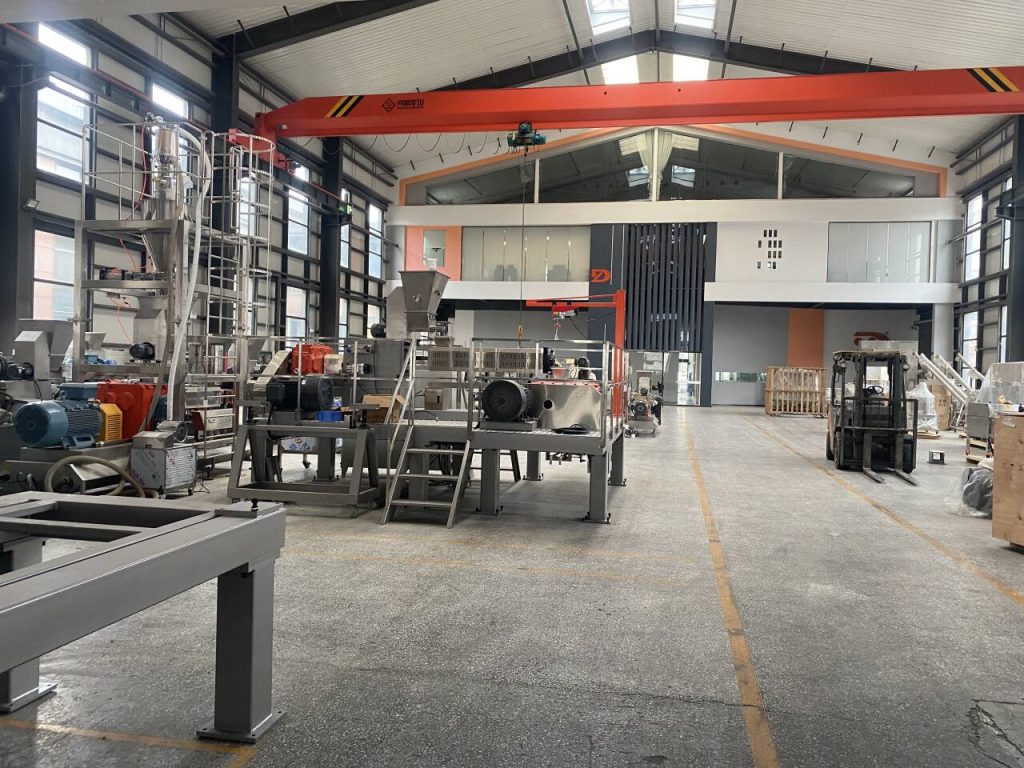
If you want, I can also write a version focused on equipment selection (flake mill specs, roll diameter, gap control, feeder design) or a troubleshooting guide (sticking, cracking, too many fines, uneven thickness).
 Japanese
  English
  Russian
  Spanish
  Italian
  Arabic
  Portuguese
  German
  French
  Moroccan Arabic
  Persian
  Belarusian