
The term “crushed” for breadcrumbs can be misleading, as it implies a simple, singular action. In industrial and artisanal settings, commercial bread crumb machine the process of turning bread into crumbs involves specific techniques and equipment tailored to the starting material and the desired final product texture. Here is an overview of the common methods.
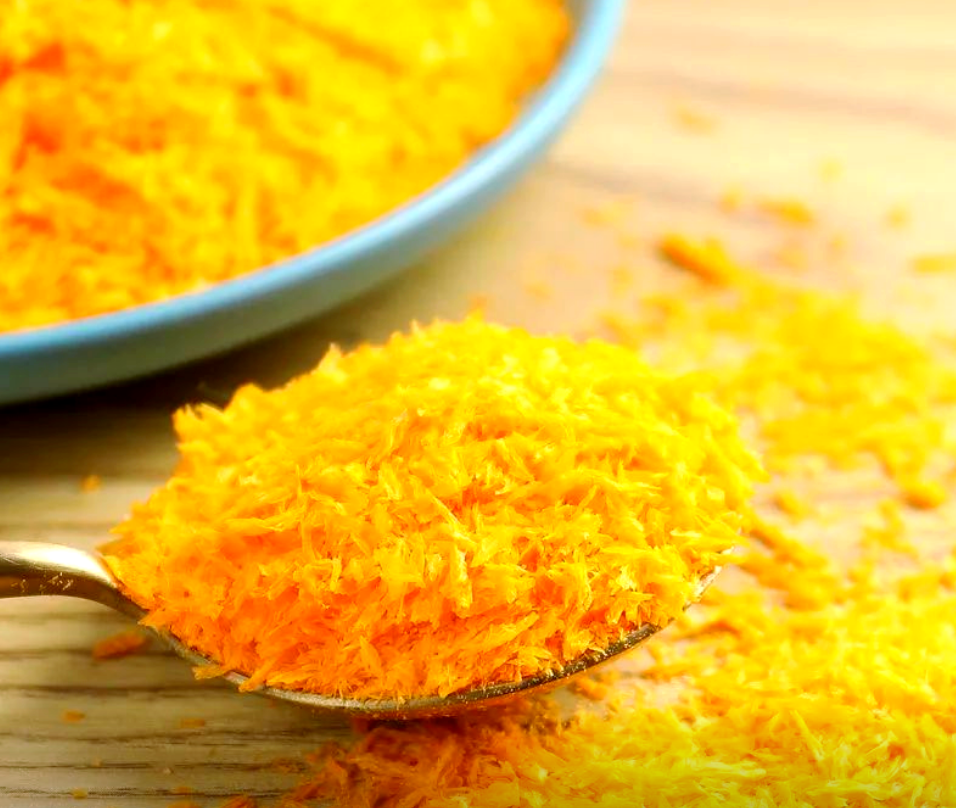
1. Traditional Method: Drying and Mechanical Grinding
This is the classic method for making traditional dry breadcrumbs, starting with already baked bread.
- Step 1: Drying: Stale bread or bread specifically baked for crumbs is first thoroughly dried. This can be done in low-temperature ovens or dehydrators to remove almost all moisture, resulting in hard bread rusks.
- Step 2: Primary Crushing (Coarse Breaking): The very dry, brittle bread loaves or rolls are first broken down into smaller chunks. This can be done with a coarse grinder, a hammer mill with large screens, or even between rollers.
- Step 3: Milling/Grinding to Final Size: The coarse chunks are then fed into a mill for final size reduction. Key equipment includes:
- Hammer Mill: The most common industrial choice. Bread chunks are fed into a chamber where rapidly rotating hammers or pins smash them against a perforated metal screen. commercial bread crumb machine The size of the screen openings determines the final crumb size—from fine powder to coarse granules. It is efficient for high-volume, dry processing.
- Roller Mill: Uses two counter-rotating corrugated rollers to crush and shear the dry bread into particles. Offers more control over particle size distribution and creates more uniform, flaky crumbs compared to the more aggressive hammer mill.
- Plate Mill / Grinder: Simpler design where material is crushed between two grooved plates. Common in smaller-scale operations.
2. The Modern Industrial Method: Extrusion and Cutting (Not Grinding)
For the majority of uniform breadcrumbs (like Japanese-style panko or “needle” crumbs) used in food manufacturing, no grinding of baked bread occurs. Instead, the process is one of forming and cutting.
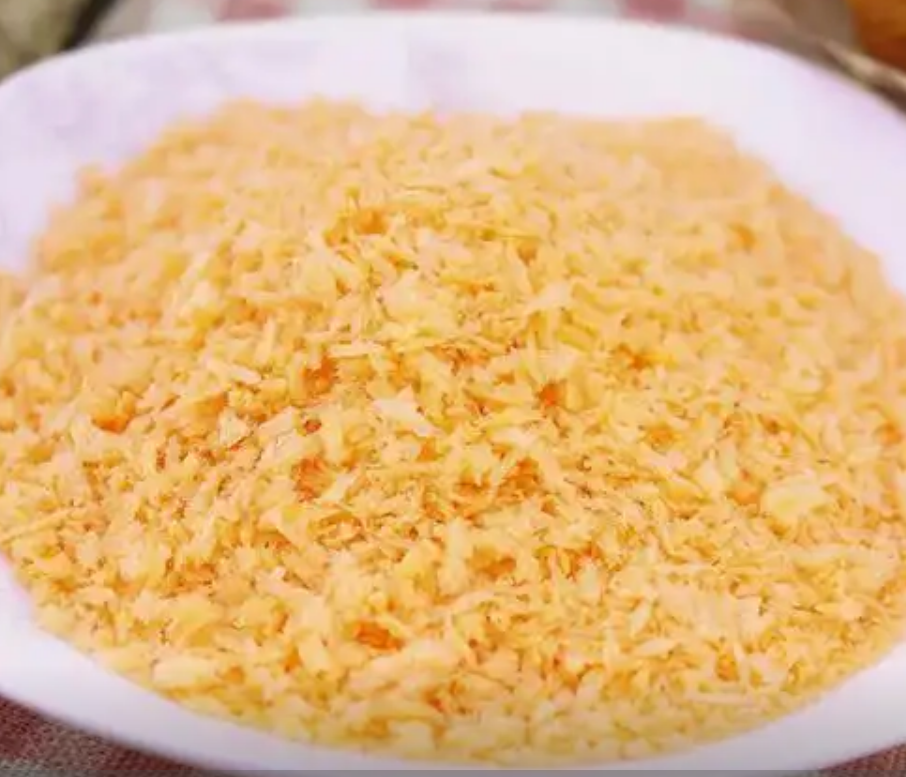
- Process: A dough made from flour, water, and other ingredients is cooked in an extruder. This cooked dough is then forced through a die to create specific shapes (e.g., long strands for needle crumbs, thin sheets for flakes).
- “Size Reduction” Method: As the shaped dough emerges, it is immediately cut to precise lengths by high-speed rotary knives. The product is then dried. commercial bread crumb machine The crumb size is determined by the die hole size and the cutter speed, not by grinding. This method produces the highly consistent, elongated, or flaky crumbs prized for their texture and functionality.
3. Fresh Breadcrumb Processing: Crumbing
For soft, fresh breadcrumbs used in stuffings or coatings, the process is gentler and the bread is not fully dried.
- Equipment: A food processor with a standard “S-blade” or a specialized bread crumbling machine with gentle paddles or low-speed tearing mechanisms.
- Method: Slightly stale, soft bread (with crusts often removed) is placed in the machine. The blade or paddle tears and shreds the bread’s soft crumb structure into small, fluffy pieces. This is a low-shear process to avoid creating a paste or powder. The result is a light, airy crumb.
4. Secondary Processing: Sifting and Classification
After any of the above primary methods, the crumb mixture often contains a range of particle sizes.

- Equipment: Vibratory screens or rotary sifters.
- Purpose: To separate and classify the particles into uniform grades (e.g., fine, medium, coarse). Fines (dust) are often removed to improve the final product’s texture and appearance. Oversized particles may be recycled for further grinding.
Summary: Choosing the Right “Crush”
The method of breadcrumb production is fundamentally chosen based on the desired end product:
- For Dry, Sandy/Granular Crumbs: Start with baked bread → Dry completely → Grind in a Hammer or Roller Mill.
- For Uniform, Flaky/Needle Crumbs: Start with flour dough → Cook in an extruder → Cut to shape → Dry.
- For Soft, Fresh Crumbs: Start with soft bread → Gently tear/shred in a Food Processor.
Therefore, “crushing” breadcrumbs is not a monolithic process but a targeted application of drying, grinding, cutting, and sizing technologies to achieve specific culinary and functional results.
 Japanese
  English
  Russian
  Spanish
  Italian
  Arabic
  Portuguese
  German
  French
  Moroccan Arabic
  Persian
  Belarusian