
Achieving the perfect crispness in corn chips depends critically on the drying process. Whether you’re a small-scale artisanal producer or experimenting at home, corn flakes making machine price mastering these techniques ensures consistent quality, optimal texture, and extended shelf life. Here are key technical considerations and best practices.
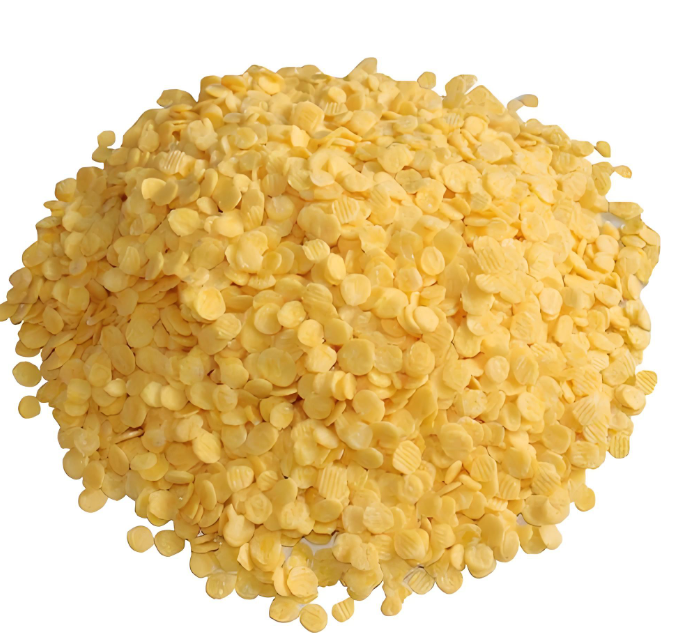
Core Principles of Drying Corn Chips
- Moisture Content Targets
- The primary goal is to reduce moisture content from approximately 45-50% post-frying/baking to a final level of 1-3%.
- Too little drying (moisture >5%) results in a chewy texture and reduced shelf life due to potential microbial growth.
- Over-drying (moisture <1%) can make chips brittle, increase breakage, corn flakes making machine price and develop burnt or bitter flavors.
- Two-Stage Drying Approach
Stage 1: Primary Drying – Rapid moisture reduction at higher temperatures
Stage 2: Equilibrium Drying – Slower, lower-temperature drying to achieve uniform moisture distribution
Key Techniques and Equipment
1. Optimized Air Flow Configuration
- Use cross-flow or vertical airflow systems to ensure even exposure on all chip surfaces
- Maintain consistent air velocity (typically 1-2 m/s) across all trays or conveyor belts
- Avoid direct high-velocity air streams that can physically displace chips or create “dry spots”
2. Temperature Profiling
- Initial Phase: 80-95°C (176-203°F) for 10-15 minutes to quickly remove surface moisture
- Main Phase: Gradually reduce to 60-75°C (140-167°F) for 20-40 minutes
- Final Phase: 50-60°C (122-140°F) for 10-15 minutes for gentle finishing
- Note: Baking-process chips may require modified temperatures versus fried chips
3. Humidity Control
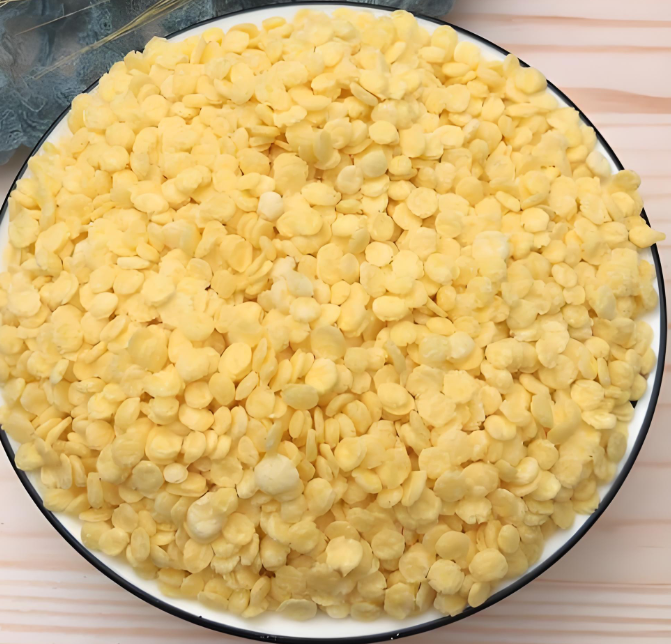
- Maintain relative humidity at 15-25% during primary drying phase
- Gradually increase to 30-40% during final stage to prevent case hardening (where surfaces become impermeable, trapping internal moisture)
- Use dehumidifiers or ventilation systems in enclosed drying environments
4. Continuous vs. Batch Drying
- Continuous Tunnel Dryers: Ideal for large-scale production; ensure precise conveyor speed control (typically 2-5 meters/minute)
- Batch Ovens: Suitable for smaller operations; implement tray rotation protocols every 5-7 minutes for uniform drying
Quality Control Techniques
1. Visual Monitoring
- Watch for uniform color development – chips should achieve consistent golden hue without dark edges
- Check for bubbling or blistering (indicating too-rapid temperature increase)
- Ensure no excessive curling or deformation occurs
2. Break Test Sampling
- Remove samples at regular intervals (e.g., every 5 minutes during final phase)
- Cool samples to room temperature before testing crispness
- Properly dried chips should snap cleanly without bending or crumbling excessively
3. Moisture Analysis
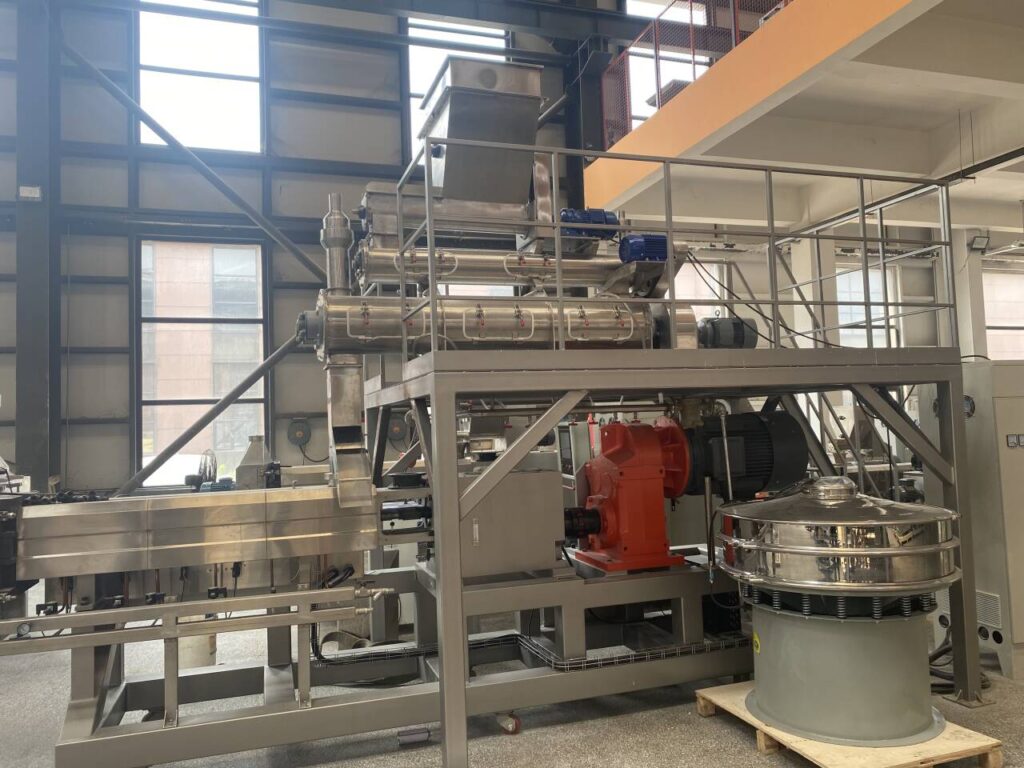
- Use handheld moisture meters for frequent spot checks
- Implement laboratory oven tests (105°C for 3-4 hours) for periodic validation
- Maintain detailed moisture-content logs to correlate with drying parameters
Advanced Techniques for Premium Products
1. Multi-Zone Drying
Divide drying chambers into three distinct zones:
- Zone 1: High-temperature, high-airflow for surface drying
- Zone 2: Medium-temperature for bulk moisture removal
- Zone 3: Lower-temperature for final moisture equalization
2. Post-Drying Conditioning
- After drying, allow chips to rest in controlled environment (30°C, 40% RH) for 15-30 minutes
- This allows residual moisture to distribute evenly throughout chip structure
- Results in more consistent texture and reduced breakage during packaging
3. Flavor Preservation Methods
- Incorporate nitrogen-purged drying environments for sensitive flavored chips
- Use lower finishing temperatures (45-50°C) for herb-infused or delicate varieties
- Consider vacuum drying for premium, high-oil content chips to prevent oxidation
Troubleshooting Common Issues
| Problem | Likely Cause | Solution |
|---|---|---|
| Uneven crispness | Inconsistent air flow | Check fan operation, reposition trays, ensure even loading |
| Oily surface appearance | Insufficient initial drying | Increase first-stage temperature by 5-10°C |
| Excessive breakage | Over-drying | Reduce final phase temperature or duration |
| Shelf-life problems | Inadequate moisture reduction | Implement more frequent moisture testing, extend drying time |
| Sticking to surfaces | Too-rapid drying onset | Lower initial temperature, increase humidity in first 5 minutes |
Energy Efficiency Considerations

- Implement heat recovery systems to reuse warm exhaust air
- Use indirect heating methods to prevent product contamination from combustion gases
- Consider hybrid systems (solar-assisted drying) for sustainable operations
- Optimize loading density to maximize throughput while maintaining air circulation
The art of drying corn chips lies in balancing time, temperature, corn flakes making machine price and air movement to remove moisture while preserving flavor, color, and structural integrity. By implementing these techniques with careful monitoring and adjustment, producers can consistently achieve the perfect crisp texture that consumers expect. Regular calibration of equipment and ongoing staff training remain essential for maintaining quality across production batches.
 Japanese
  English
  Russian
  Spanish
  Italian
  Arabic
  Portuguese
  German
  French
  Moroccan Arabic
  Persian
  Belarusian