
Critical Considerations in Corn Flake Production: A Guide to Quality and Consistency
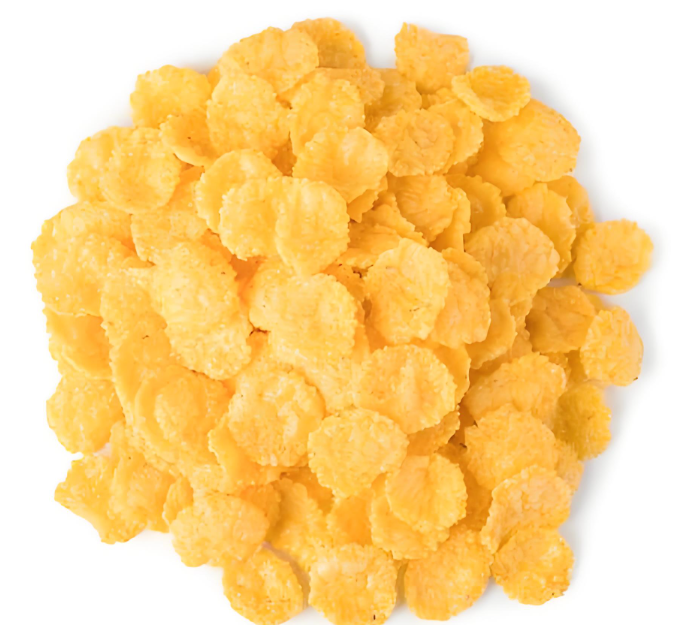
Breakfast cereal corn flakes are a seemingly simple product—cooked, flaked, and toasted corn. Yet, their production is a complex industrial process that requires meticulous attention at every stage. From the selection of raw materials to the final packaging, numerous factors can influence the quality, texture, flavor, appearance, and shelf life of the finished product. Understanding and controlling these critical points is essential for manufacturers aiming to produce corn flakes that are consistently crisp, golden, and appealing to consumers. This essay outlines the key issues that demand attention throughout the corn flake production process. 1. Raw Material Selection and Quality The foundation of any high-quality corn flake is the raw material. […]
The Art of Drying Corn Flakes: Techniques for Perfect Breakfast Cereal
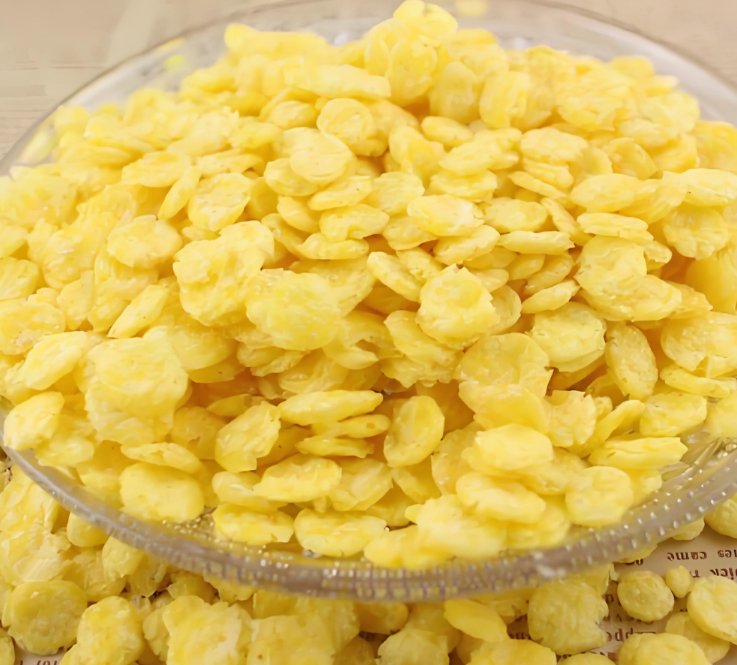
Breakfast cereal corn flakes are a beloved staple in households around the world. Their signature light, crispy texture and satisfying crunch are the result of a carefully orchestrated manufacturing process, with drying being arguably the most critical step. While the process may appear straightforward—flaking dried dough and toasting it—the reality is a delicate balance of science and craftsmanship. Proper drying transforms a soft, fragile flake into a shelf-stable, golden-brown cereal with the perfect sensory qualities. Mastering the drying process involves controlling moisture, temperature, airflow, and time with precision. The Journey Before Drying To understand drying techniques, it is essential to appreciate the steps that precede it. Corn flakes begin with […]
Modified Starch: A Comprehensive Guide to Its Diverse Uses
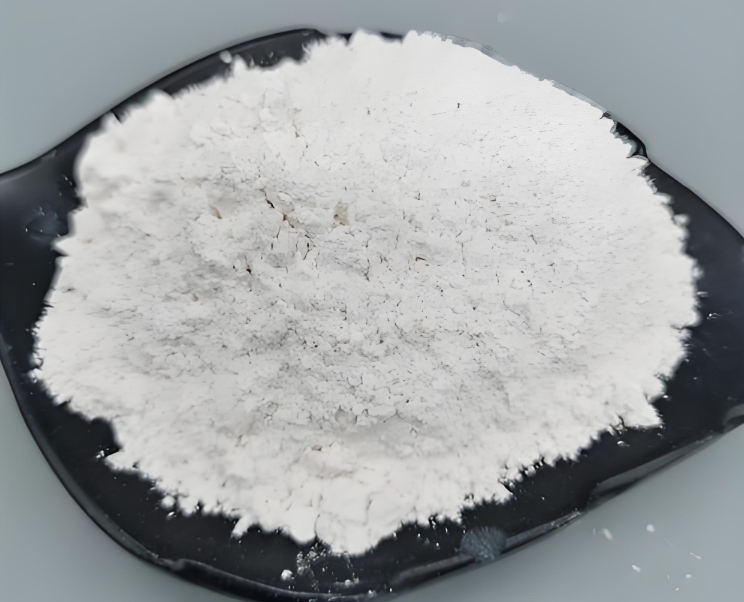
Starch is one of nature’s most abundant and versatile biopolymers, derived from sources such as corn, potato, tapioca, wheat, and rice. In its native form, however, starch has inherent limitations—it is sensitive to heat, prone to breakdown under acidic conditions, and tends to undergo retrogradation (which leads to texture deterioration and water separation) during storage. To overcome these shortcomings and tailor its properties for specific applications, starch undergoes modification through physical, chemical, or enzymatic treatments. The resulting product—modified starch—is a highly functional ingredient with an astonishing range of uses across the food, pharmaceutical, cosmetic, paper, textile, and industrial sectors. 1. Food Industry Uses The food industry is the largest consumer […]
Modified Starch: A Versatile Functional Ingredient for Countless Applications
Starch is one of the most abundant and renewable biopolymers on Earth, serving as a primary energy reserve in plants like corn, potatoes, wheat, and tapioca. In its native form, however, starch has inherent limitations—it is prone to breakdown under heat and acidic conditions, tends to retrograde (causing syneresis) during cold storage, and has poor solubility in cold water. To overcome these challenges and expand its utility, starch undergoes “modification” through physical, chemical, or enzymatic treatments. The resulting product—modified starch—is a highly functional ingredient with tailored properties that serve a vast array of applications across the food, pharmaceutical, cosmetic, and industrial sectors. 1. Food Industry Applications The food industry is […]
The Alchemy of Appetite: How Different Flavors Are Processed in Dog Food
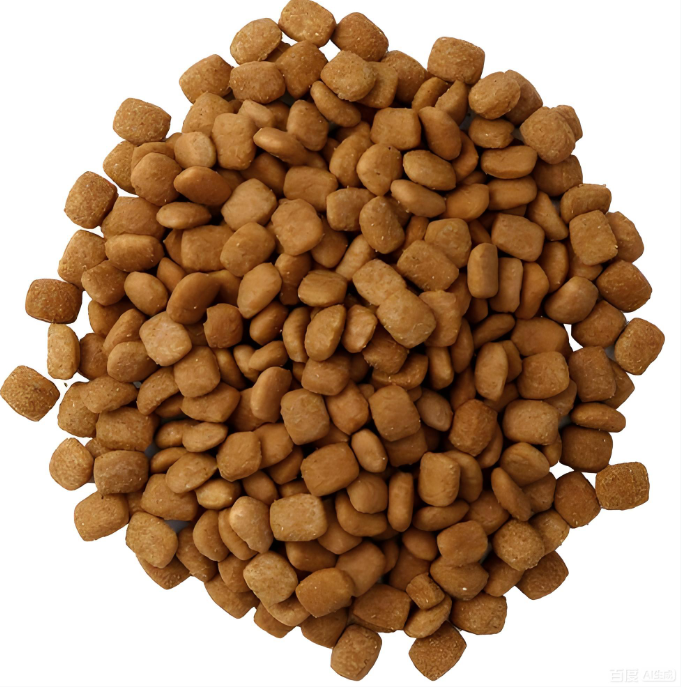
For a dog, the world is built on scent. While humans eat with their eyes, a dog decides whether to eat with its nose. This fundamental difference shapes the entire approach to flavor in the pet food industry. The familiar aroma of roasted chicken, the rich savor of beef, or the oceanic scent of salmon that wafts from a bag of kibble is no accident. Creating these distinct flavors is a sophisticated scientific process that blends ingredient selection, cooking technology, and a critical final step known as coating. The journey to a flavorful kibble is a multi-layered process designed to appeal to a dog’s powerful olfactory senses and ensure palatability. […]
The Advantages of Extruded Dog Food: A Modern Marvel for Canine Nutrition
In the modern world of pet care, the sight of a neatly stacked bag of dry kibble is a universal symbol of responsible dog ownership. While raw diets and wet foods have their place, the vast majority of commercial dog food is produced through a process called extrusion. More than just a method of shaping food into convenient bites, extrusion is a sophisticated cooking technology that offers a host of advantages for both the dog and the owner. From enhanced nutritional value to unparalleled convenience, extruded dog food represents a pinnacle of balanced, safe, and practical canine nutrition. The primary advantage of extrusion lies in its ability to create a […]
The Future of Aquaculture: Market Prospects for Fish Feed
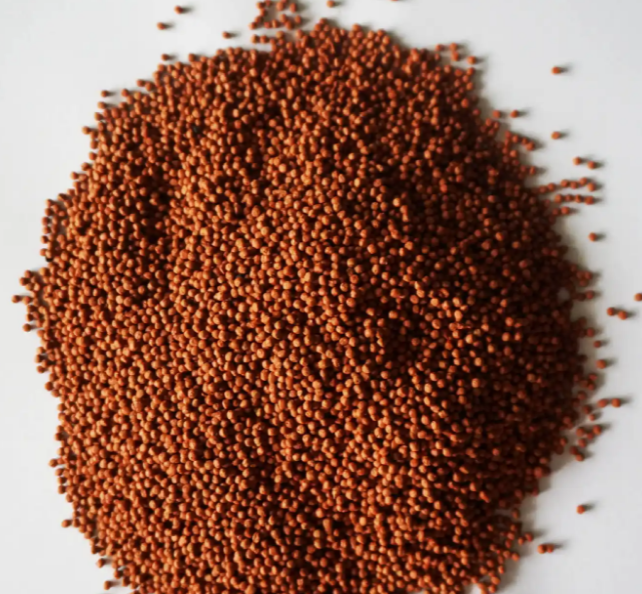
The Future of Aquaculture: Market Prospects for Fish Feed The global fish feed market is at the heart of one of the most significant transformations in the food industry. As wild fish stocks plateau and global demand for protein surges, aquaculture has become the fastest-growing food production sector . Consequently, the fish feed market is not just growing; it is evolving into a high-tech, sustainability-driven industry essential for global food security. This article explores the market prospects for fish feed, examining the drivers of growth, key innovations, regional dynamics, and the challenges that lie ahead. 1. Market Growth and Valuation The economic outlook for the fish feed market is robust. […]
The Art and Science of Flavor: Seasoning Technologies in Puffed Snacks
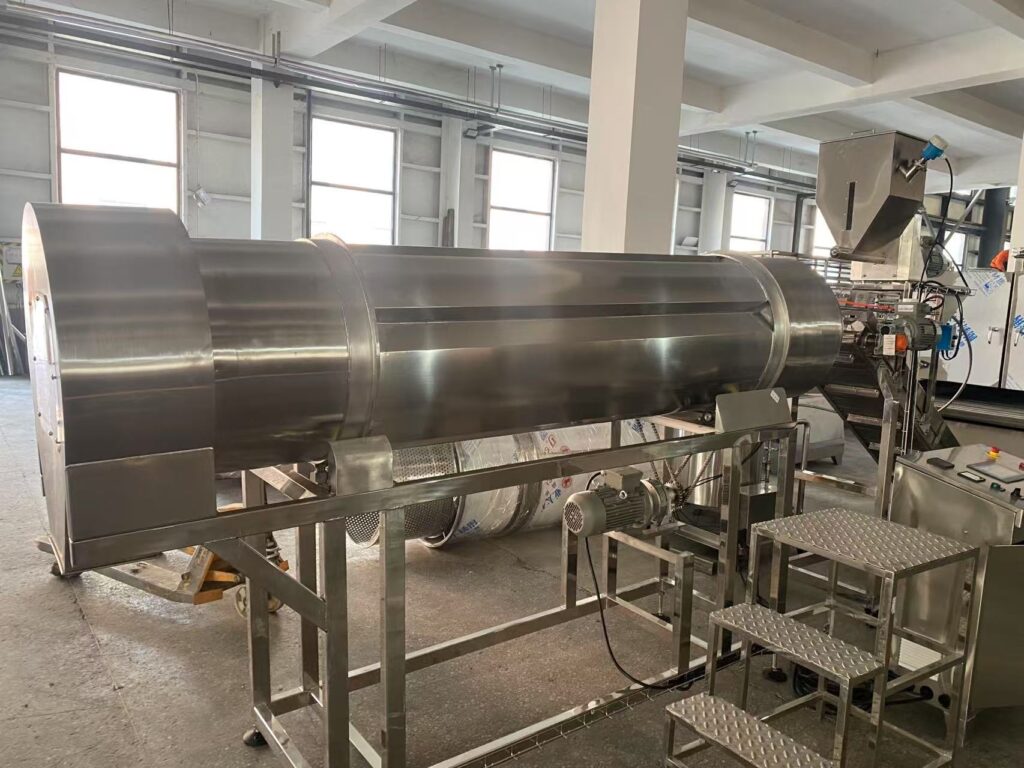
Puffed snacks, ranging from extruded corn curls and potato puffs to expanded rice cakes, owe their global popularity not just to their satisfying crunch but to the symphony of flavors coating their surfaces. The process of applying that flavor is a sophisticated interplay of material science, engineering, and culinary chemistry. It is a delicate operation where the goal is to achieve optimal adhesion, uniform coverage, and intense flavor perception without compromising the product’s signature texture. The seasoning process can be broadly divided into three critical stages: pre-conditioning, application, and post-application treatment. 1. Pre-conditioning: Preparing the Canvas Before any seasoning is applied, the surface of the puffed snack must be prepared. […]
 Japanese
  English
  Russian
  Spanish
  Italian
  Arabic
  Portuguese
  German
  French
  Moroccan Arabic
  Persian
  Belarusian