
Infant Rice Cereal Processing Technology: From Grain to First Foods
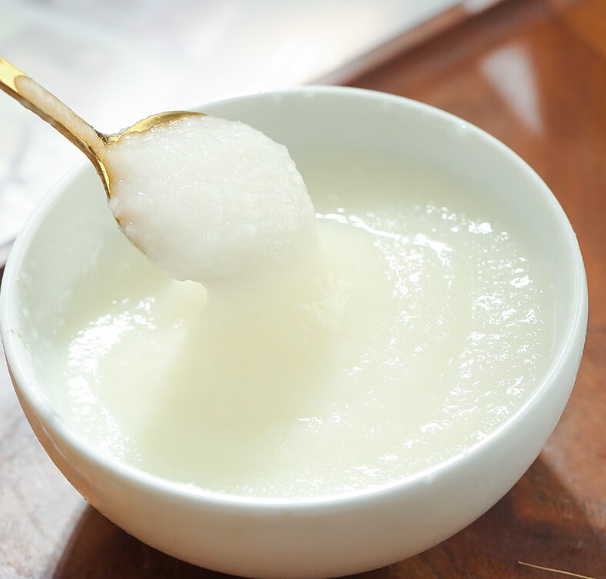
Infant rice cereal is one of the most common first solid foods introduced to babies around the world. It is valued for its mild flavor, easy digestibility, low allergenic potential, and iron-fortified nutritional profile. But behind this simple-looking powder lies a sophisticated manufacturing process designed to ensure safety, nutritional adequacy, and optimal texture for developing digestive systems. This article explores the step-by-step processing technology that transforms raw rice into the trusted infant cereal found on store shelves. 1. Why Rice? The Ideal First Food Rice is the predominant grain used in infant cereals for several reasons: Reason Explanation Low allergenic potential Rice is one of the least allergenic grains, making […]
Revealed: The Processing Technology Behind Pet Food
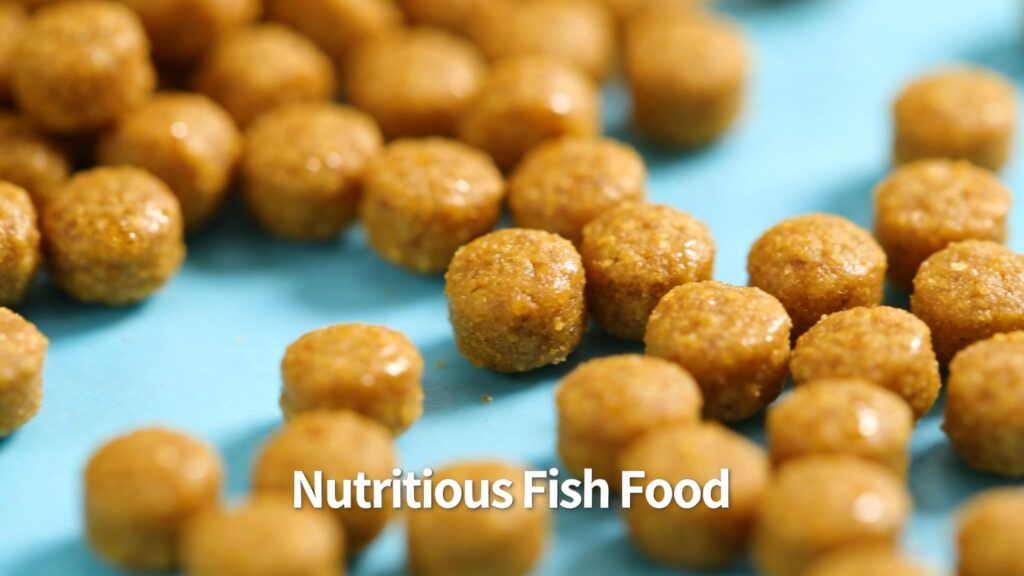
Pet food—whether kibble, canned, or freeze-dried—is a staple in millions of households. But what actually goes into making it? Behind the glossy bags and appealing marketing lies a sophisticated manufacturing process that combines food science, nutritional engineering, and industrial precision. This article pulls back the curtain on how pet food is made, from raw materials to the finished product sitting in your pantry. 1. The Raw Materials: More Than Just “Meat and Grains” Pet food formulations are built on a foundation of ingredients that must meet nutritional requirements set by organizations like AAFCO (Association of American Feed Control Officials). The main categories include: Ingredient Category Examples Purpose Protein sources Chicken […]
How Cheetos Are Made: From Cornmeal to Cheesy Crunch
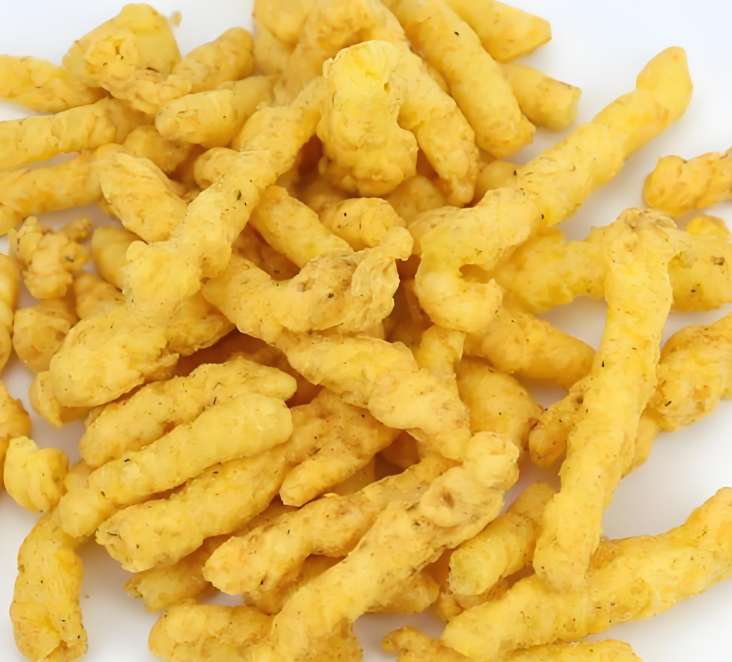
Cheetos—those bright orange, irresistibly cheesy snacks—have been a beloved treat since their introduction in 1948 by Frito-Lay . While the process of making them might seem like a mystery, it’s actually a fascinating combination of industrial engineering, precise cooking techniques, and rigorous quality control. Here’s a step-by-step look at how these iconic snacks are manufactured. The Main Ingredients Cheetos start with a simple foundation: corn. The primary raw material is corn grits (or cornmeal), typically ground to 20-mesh size . Water is added to create a dough-like mixture. The corn’s germ is removed during processing to prevent spoilage, which means the cornmeal lacks certain nutrients—so manufacturers use enriched cornmeal to […]
How to Properly Clean a Food Extruder (Puffing Machine)
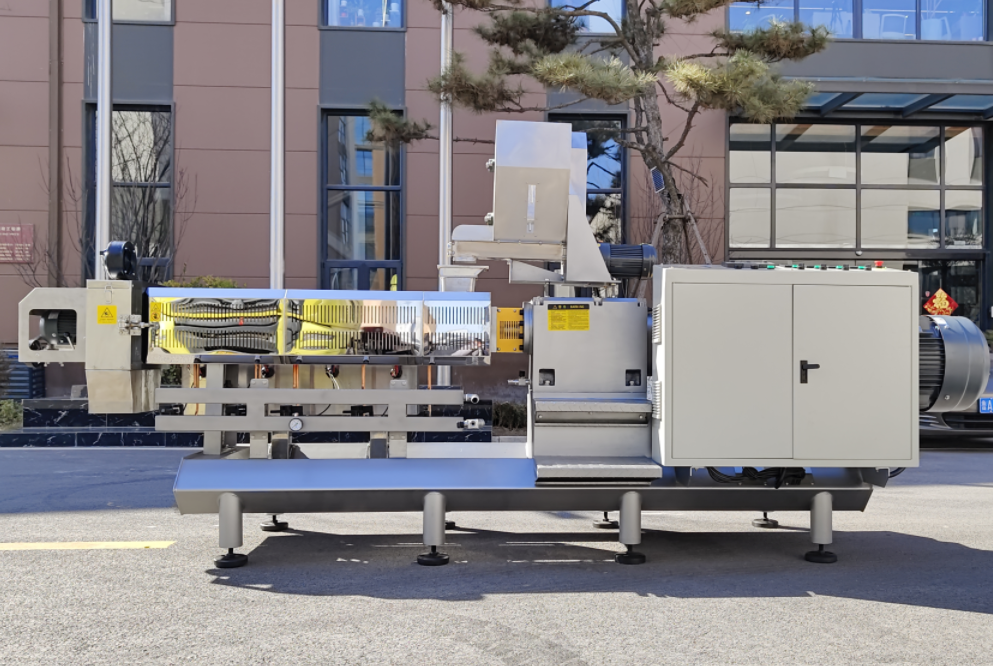
Food extruders—commonly used to produce puffed snacks, breakfast cereals, and textured proteins—require thorough and regular cleaning to ensure product quality, food safety, and equipment longevity. Residue buildup can lead to cross-contamination, microbial growth, off-flavors, and mechanical issues. This guide provides a systematic approach to cleaning a food extruder safely and effectively. 1. Understand the Importance of Proper Cleaning Extruders are complex machines with tight clearances between the screws and barrel. Improper cleaning can leave hardened material that: Cleaning must be performed after each production run, especially when switching products, colors, or when shutting down for extended periods. 2. Safety First Before beginning any cleaning procedure: 3. Cleaning Methods Overview There […]
How to Properly Adjust a Food Extruder for Optimal Performance
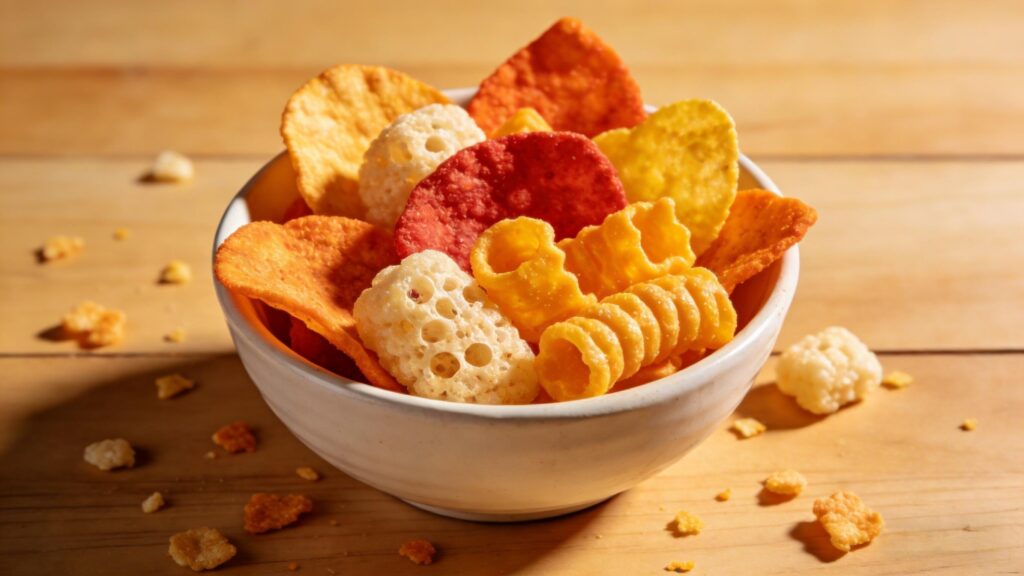
A food extruder is a sophisticated piece of equipment used to produce a wide range of products—from breakfast cereals and snacks to pasta and textured vegetable protein. Proper adjustment is critical to achieving consistent product quality, maximizing efficiency, and minimizing downtime. Below is a step-by-step guide to tuning your food extruder for optimal results. 1. Understand Your Extruder Configuration Before making any adjustments, familiarize yourself with the extruder’s key components: 2. Start with the Recipe and Feed Rate The formulation sets the foundation. Ensure raw materials are consistently ground and mixed. Begin with a moderate feed rate—typically 60–70% of the extruder’s rated capacity—to establish a stable baseline. Gradually increase throughput […]
Essential Raw Materials for Dog Food Processing: A Comprehensive Guide
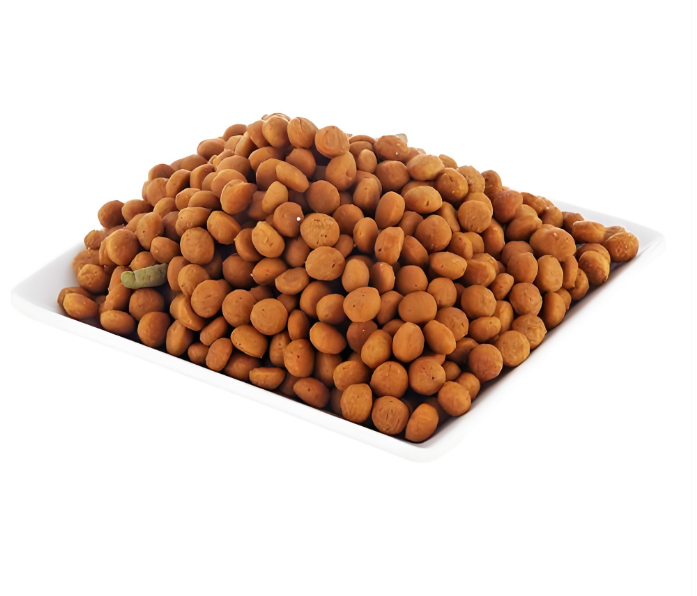
The quality of dog food begins with the ingredients. Whether manufacturing dry kibble, wet canned food, or freeze-dried raw diets, the selection and preparation of raw materials directly determine the nutritional value, safety, palatability, and shelf stability of the final product. Understanding the full spectrum of ingredients—from primary protein sources to functional additives—is essential for any dog food processing operation. This guide provides a detailed overview of the raw materials required for commercial dog food production, categorized by their function and processing considerations. 1. Classification of Dog Food Ingredients Dog food ingredients can be broadly classified into several functional categories: Category Function Typical Inclusion Rate Protein Sources Provide essential amino […]
A Comprehensive Guide to Starting a Dog Food Manufacturing Plant
The dog food industry has experienced remarkable growth in recent years, driven by pet owners who increasingly view their dogs as family members and seek nutritionally balanced, high-quality products for them. Starting a dog food manufacturing plant requires careful planning, significant capital investment, and strict adherence to regulatory requirements. This guide provides a comprehensive overview of the steps, regulations, equipment, and considerations necessary to launch a successful dog food production operation. 1. Understanding the Market and Product Categories Before investing in equipment and facilities, it is essential to understand the dog food market landscape and determine which product categories you will pursue. 1.1. Product Types Dog food products generally fall […]
Maximizing Longevity: How to Extend the Service Life of Your Twin-Screw Extruder
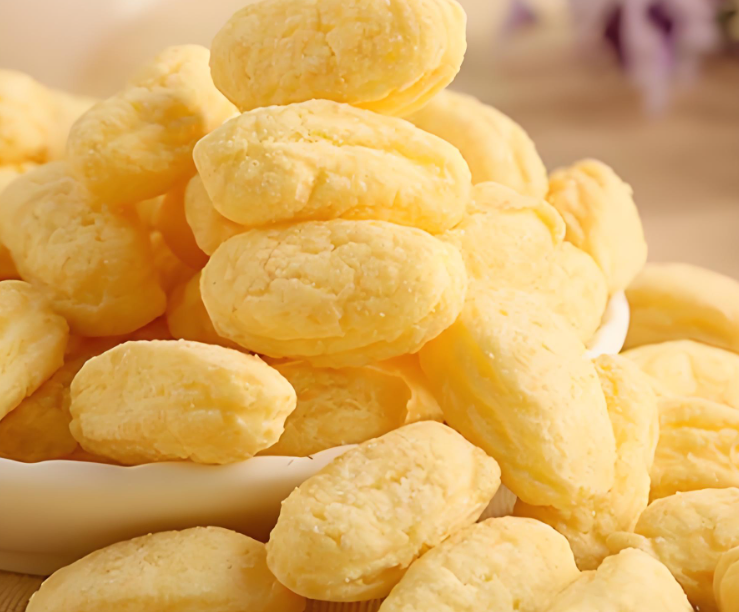
A twin-screw extruder is a significant capital investment in any food, feed, or plastics processing facility. When properly cared for, these machines can operate reliably for 15 to 20 years or more. However, due to the extreme conditions they endure—high torque, elevated temperatures, and abrasive raw materials—their lifespan can be drastically shortened without a strategic approach to operation and maintenance. Extending the life of your twin-screw extruder is not merely about preventing breakdowns; it is about optimizing every aspect of its use to delay wear and maintain precision. Here are the key strategies to maximize the operational lifespan of your twin-screw extruder. 1. Master the Art of Controlled Start-Up and […]
The Complete Guide to Food Extruder Maintenance: Ensuring Longevity, Efficiency, and Food Safety
A food extruder, often referred to as a food expander or puffing machine, is the heart of any snack food production line. Whether you are making corn puffs, rice crisps, or texturized vegetable protein, this machine operates under extreme conditions—high pressure, high temperature, and continuous friction. Without a rigorous maintenance schedule, your extruder will suffer from reduced efficiency, frequent breakdowns, and compromised product quality. Proper maintenance is not just about fixing problems; it is about preventing them. Here is a comprehensive guide on how to maintain your food extruder to ensure it runs smoothly for years to come. 1. Daily Maintenance: The First Line of Defense The most critical maintenance […]
 Japanese
  English
  Russian
  Spanish
  Italian
  Arabic
  Portuguese
  German
  French
  Moroccan Arabic
  Persian
  Belarusian