
Mastering Temperature Control in Twin-Screw Extrusion: A Technical Overview
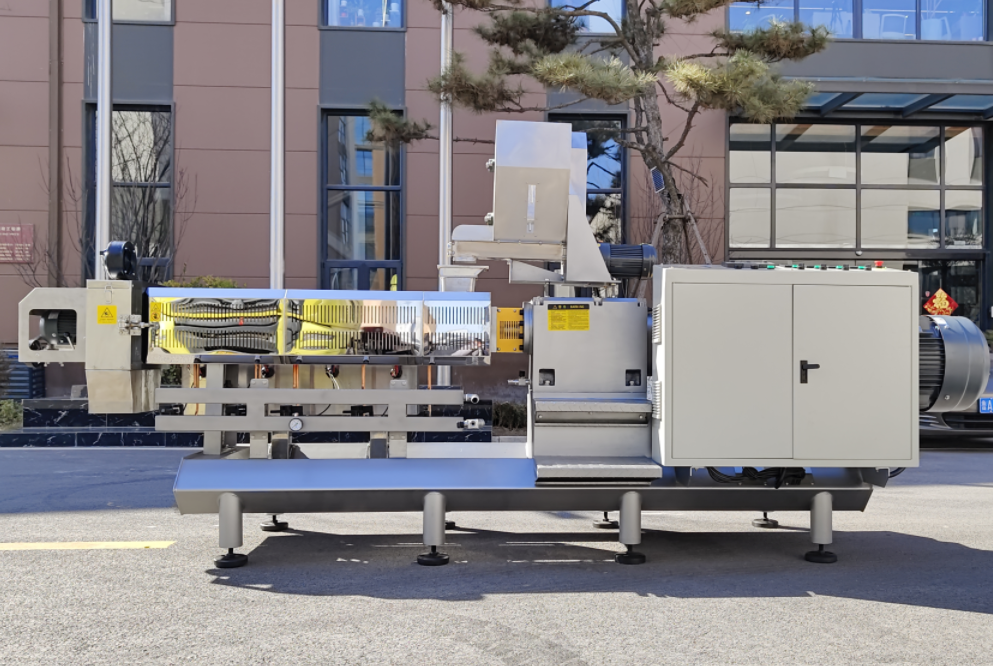
Temperature is arguably the most critical process parameter in twin-screw extrusion cooking. It dictates the degree of starch gelatinization, protein denaturation, melt viscosity, and ultimately, the expansion and texture of the final product—whether it’s puffed breadcrumbs, breakfast cereals, or texturized protein. Unlike a simple oven, an extruder does not just apply heat; it manages a complex interplay of external heating and internally generated friction. Understanding how to control this thermal environment is essential for consistent, high-quality output. This article explains the mechanisms and strategies behind temperature regulation in a twin-screw extruder. 1. The Dual Nature of Heat in Extrusion Before discussing control systems, it is vital to understand where the […]
Critical Operational Guidelines for Twin-Screw Extruders in Food Production
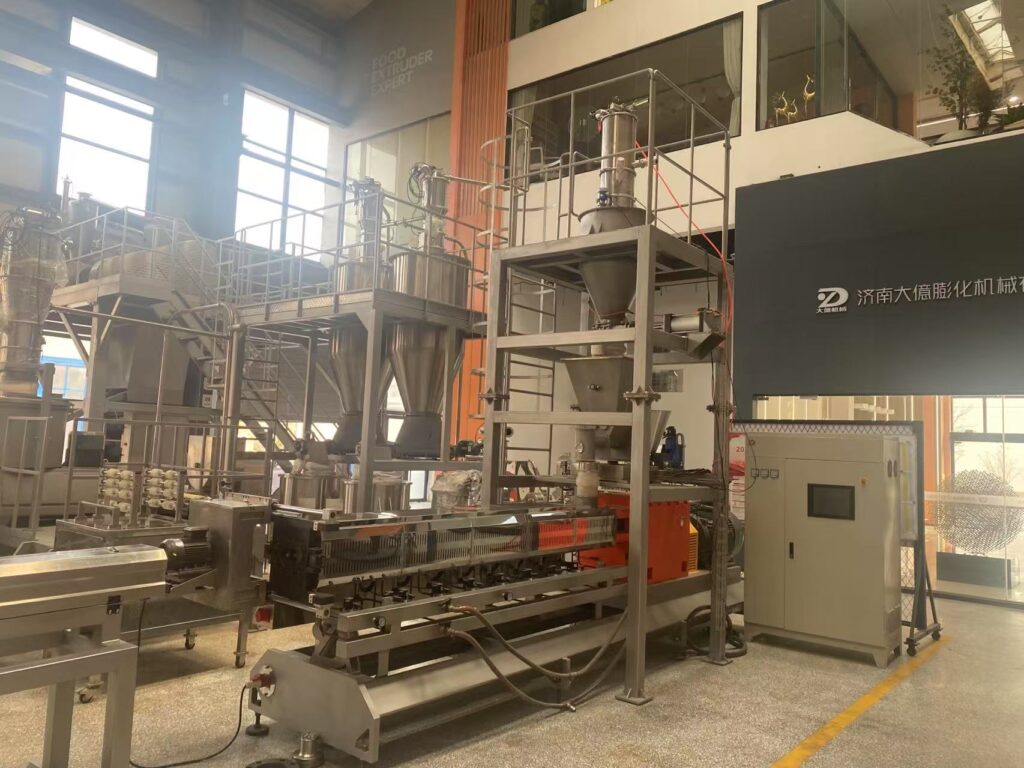
Introduction The twin-screw extruder is the heart of many modern food processing operations, from breakfast cereals and snacks to texturized vegetable protein and, notably, puffed breadcrumbs. Its ability to continuously cook, mix, shear, and shape materials makes it incredibly versatile, yet technically demanding. Unlike single-screw machines, twin-screw extruders offer greater control but also present unique operational challenges. Proper operation is essential to prevent mechanical failure, ensure product quality, and maintain safety. This article outlines the critical considerations for operators and maintenance teams when running a twin-screw extrusion line. 1. Pre-Startup Checks: The Foundation of Safety Before pressing the start button, a systematic inspection is non-negotiable. 2. Process Parameter Control: The […]
 Japanese
  English
  Russian
  Spanish
  Italian
  Arabic
  Portuguese
  German
  French
  Moroccan Arabic
  Persian
  Belarusian